

Eating Healthy : Despite the Holidays gets easier when the goal is not perfect restraint. The better goal is a steady rhythm: eat real meals, choose the treats you actually want, and avoid grazing through the entire month.
Holiday food is social food. Refusing everything often backfires, but saying yes to every cookie tray does too. A realistic plan leaves room for favorite dishes and still protects protein, fiber, water, sleep, and movement.
Eat A Real Meal Before The Party
Skipping meals to save calories usually makes the party plate larger and less deliberate. Arriving hungry pushes quick choices: pastry, chips, sweet drinks, and second servings before the body catches up.
CDC's healthy eating guidance recommends fruits, vegetables, whole grains, lean proteins, low-fat dairy, and limiting added sugars, saturated fat, and sodium: CDC added sugar guidance. A pre-party meal can follow that pattern without feeling like diet food.
Try eggs and fruit, yogurt with nuts, soup with beans, turkey on whole-grain bread, or leftovers with vegetables. The meal does not need to be large; it needs to keep you from treating appetizers as dinner by accident.
Choose The Treats That Are Worth It
A holiday table asks for priorities. Pick the foods that feel connected to the day, not the ones you can eat any Tuesday. Grandma's pie may be worth a slice. A stale office cookie in plastic may not be.
This is where tracking can help without becoming obsessive. how to write a food journal can be used for patterns, not punishment: what meals kept you steady, which parties led to grazing, and what treats were worth it.
Food guilt often leads to worse choices later. Eat the chosen treat slowly, then return to normal eating at the next meal. Do not turn one dessert into a three-day surrender.
Build Plates Around Protein And Fiber
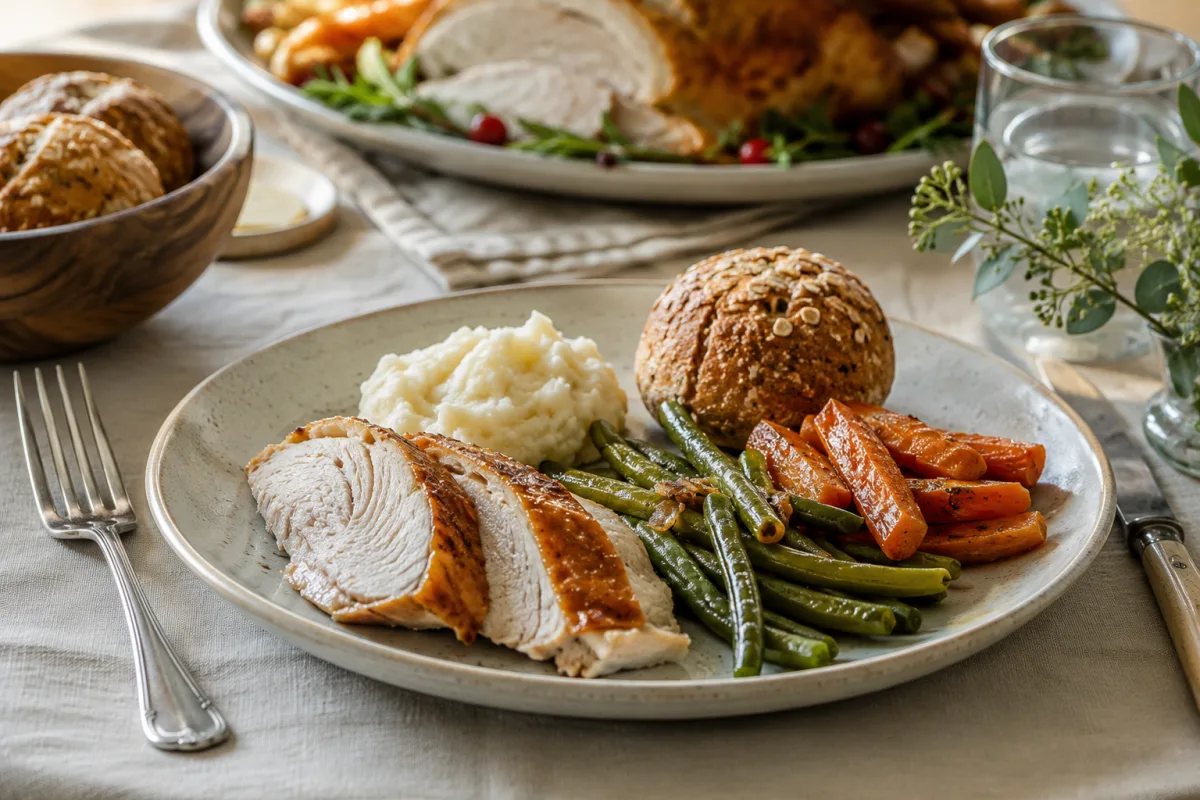
Protein and fiber slow the meal down. Turkey, fish, beans, lentils, eggs, Greek yogurt, nuts, vegetables, fruit, and whole grains make the plate more satisfying than refined starch and sweets alone.
USDA MyPlate encourages filling half the plate with fruits and vegetables and choosing whole grains when possible: USDA MyPlate. At a buffet, that can look like vegetables first, protein second, starch third, dessert last.
Pasta and casseroles can still fit. If a holiday menu is heavy on noodles or creamy sides, ideas from pasta substitutes can help add vegetables or lighter bases without making the meal joyless.
Watch Drinks Because They Disappear Fast
Sweet coffee drinks, punch, cocktails, soda, eggnog, and juice can add sugar without making you feel fed. That does not mean every drink has to be water. It means drinks need a slot in the plan.
Alternate alcoholic or sweet drinks with water, pour smaller servings, and decide before the party whether you want dessert, drinks, or both. Liquid calories are easiest to miss because they do not require chewing.
If alcohol is part of the gathering, eat with it and arrange transportation. Healthy holiday eating is not only a calorie issue; safety matters too.
Make Favorite Recipes A Little Lighter
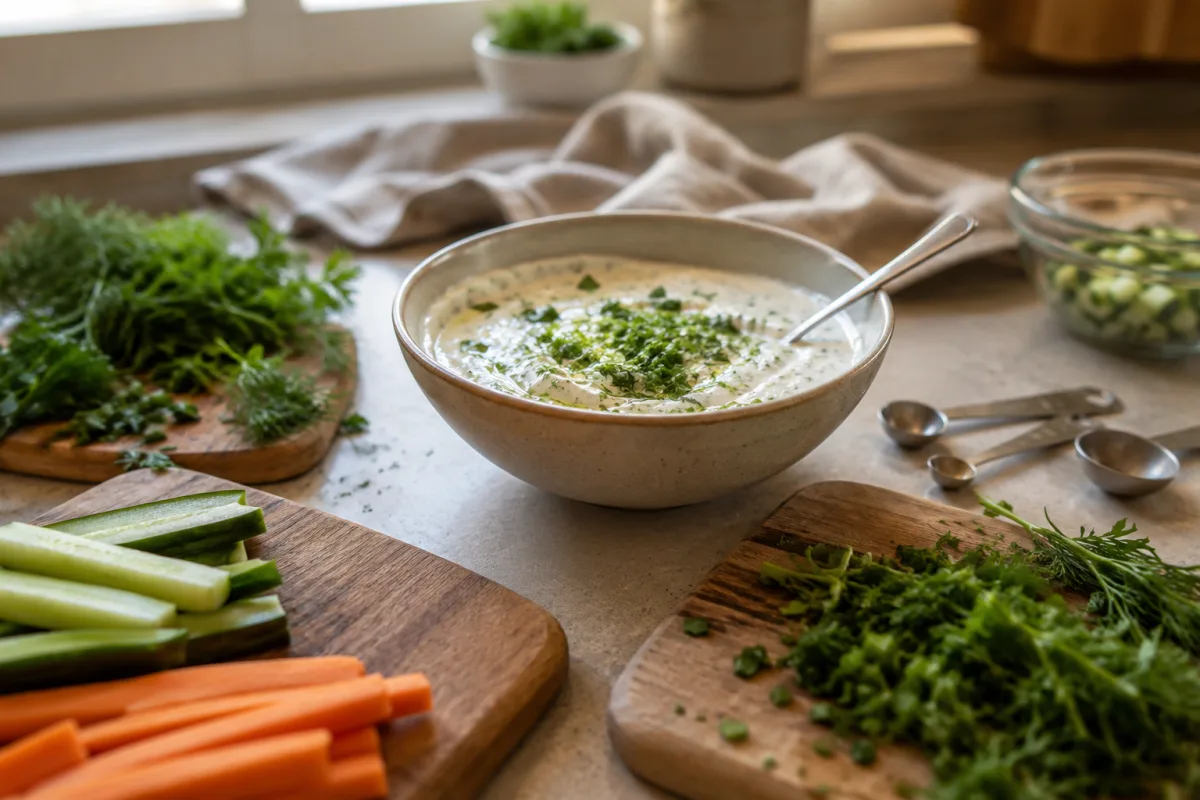
Not every family recipe needs a makeover. Some foods should stay exactly as they are because the portion is small and the meaning is large. Others can be adjusted without anyone noticing.
American Heart Association holiday guidance often points toward smaller portions, fruits and vegetables, whole grains, and lighter cooking fats: AHA healthy holiday eating. Use that as a direction, not a scolding.
Try more vegetables in stuffing, Greek yogurt in dips, smaller cookie sizes, broth instead of some cream, fruit beside dessert, and roasted vegetables that are not drowned in butter. For dessert planning, Mom's best fudge icing can stay a treat while the rest of the plate does some balancing.
Handle Leftovers Before They Handle You
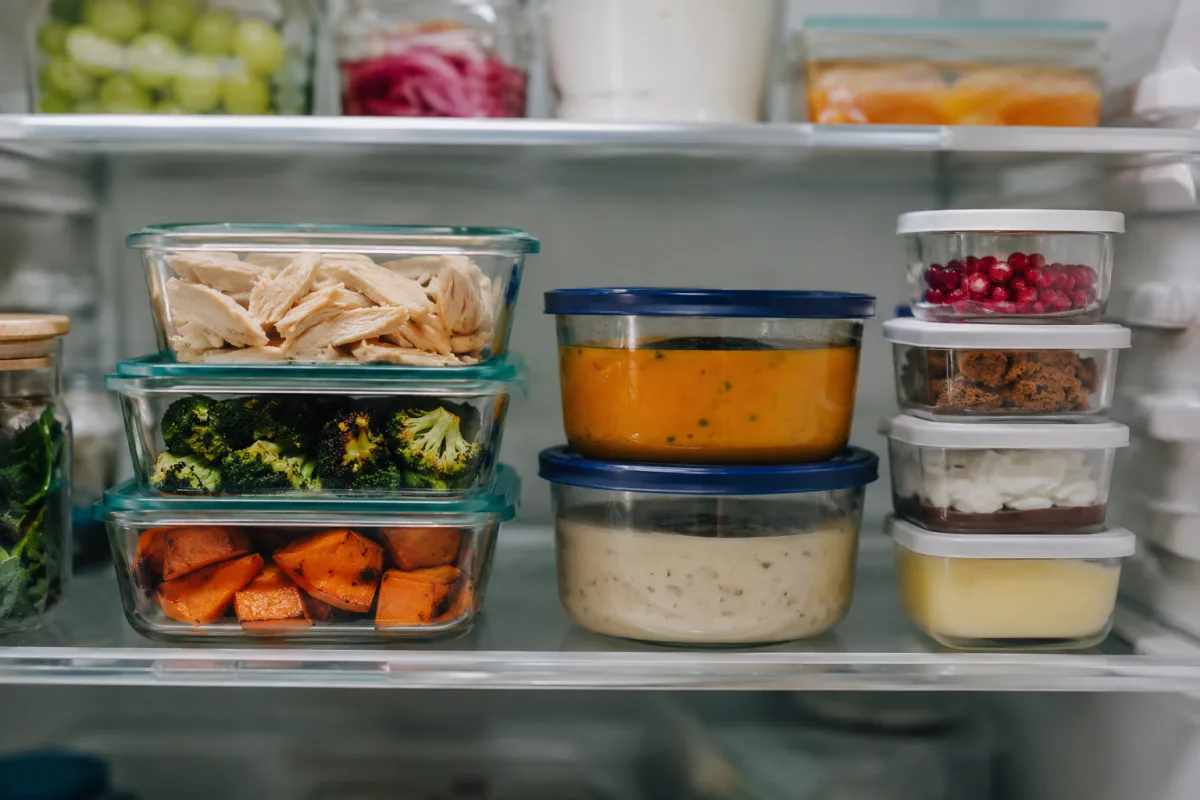
Leftovers are where holiday eating often stretches from a day into a week. Pack rich foods in small containers, freeze what will not be eaten soon, and send guests home with portions if that works for the household.
Keep easy healthy leftovers visible: turkey, soup, cut vegetables, fruit, beans, and salad ingredients. Put dessert away instead of leaving it on the counter. The food you see first is often the food you eat first.
If cookies are part of the celebration, cookie display ideas can help keep them on the party table rather than scattered through the house for constant grazing.
Reset Without Punishment
The day after a party should not become a punishment day. Eat breakfast, drink water, take a walk if you feel good, and return to meals that include protein and fiber. Skipping all morning often restarts the same cycle.
Older relatives, kids, athletes, and people managing medical conditions may need different plans. how to motivate the elderly can help when family meals involve older adults who need support without lectures.
A healthy holiday plan should be quiet enough to repeat: steady meals, chosen treats, water, movement, and no drama after a rich dinner.
Use A Holiday Week Rhythm
A holiday week needs rhythm more than rules. Start each day with a real meal, keep water visible, and decide which gathering deserves the richer choices. That prevents every day from becoming a warm-up for the next party.
Plan two anchor meals that are easy to repeat: soup and fruit, eggs with vegetables, turkey wraps, yogurt bowls, beans and rice, or leftovers with salad. Anchor meals are not exciting. That is the point. They keep the day steady around the exciting food.
Do not bring hunger to errands. Shopping trips, school events, airports, and long drives create the kind of tired hunger that turns candy, coffee drinks, and drive-through meals into the default. Pack a small protein-and-fiber snack before leaving.
At the event, use a first-plate rule. Put the foods you actually want on one plate, sit down if possible, and eat them like a meal. Standing near the counter makes portions blurry because every bite feels too small to count.
The next morning, return to the anchor meal. No speeches. No punishment workout. No skipping breakfast to erase dessert. A boring reset works because it is repeatable.
Handle pressure with a prepared line. Try, that looks great, I am starting with this plate, or I am taking some home for later. Short answers work better than long nutrition explanations at a family table.
If you cook for the gathering, give yourself one lighter dish that you genuinely like. A bright salad, roasted vegetables, broth-based soup, fruit platter, or bean dish gives you a safe landing without asking everyone else to change the menu.
Keep sleep in the plan. Late nights raise hunger and lower patience the next day. A tired body looks for quick energy, and holiday food is full of quick energy. Going to bed at a reasonable time is a nutrition decision too.
Movement helps, but it should not be framed as paying for food. A walk after dinner can support digestion, blood sugar response, and mood. It does not need to become a calorie confession.
Build a small buffer before travel days. Pack fruit, nuts, yogurt, sandwiches, or leftovers so the first meal is not whatever appears at the gas station or airport. Travel hunger makes people choose faster and less thoughtfully.
If a medical condition affects your food choices, plan earlier than everyone else. Diabetes, kidney disease, heart failure, pregnancy, and eating disorder recovery can change what a safe holiday strategy looks like.
That planning may be as simple as bringing one dish you can eat comfortably and telling the host ahead of time.
Frequently Asked Questions
Should I avoid holiday desserts completely?
No. Choose desserts you truly want, keep the portion deliberate, and avoid grazing on sweets you do not care about.
Is skipping meals before a party smart?
Usually not. It often leads to overeating later. A protein-and-fiber meal before the party works better.
How do I handle food gifts?
Keep favorites, share extras, freeze what stores well, and move treats out of sight so they do not become daily snacks.
What should I drink at parties?
Water between sweet or alcoholic drinks helps. Decide ahead of time whether drinks or dessert matter more that night.
How do I restart after overeating?
Return to normal meals at the next opportunity. Do not punish yourself with fasting or extreme exercise.
This article is for general information only and isn't a substitute for medical advice. Talk to a clinician who knows your full history before making changes.

Chiara Bradshaw
Covers education, culture and creative topics with an emphasis on readable explanations and verifiable references.




Leave a reply
Replying to