
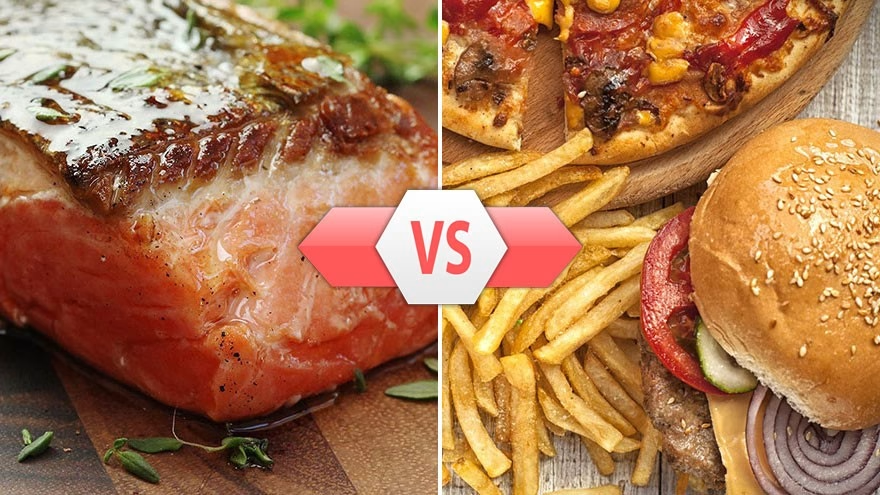
Foods That Make You Feel Old or Young is a catchy title, but food does not rewind age. What it can change is energy, digestion, inflammation load, blood sugar swings, hydration, and how steady you feel across the day.
The useful question is not which single food is magic. It is which pattern makes you sluggish, puffy, constipated, wired, hungry again fast, or steady enough to move, work, and sleep.
Sugar Spikes Can Feel Like Sudden Aging
A high-sugar breakfast can feel good for a short stretch, then leave you tired and hungry. Sweet drinks, pastries, candy, and many packaged snacks are easy to overeat because they bring quick energy without much fiber or protein.
CDC guidance on added sugars explains that too much added sugar can make it harder to follow a healthy eating pattern while staying within calorie needs: CDC added sugar guidance.
You do not need to ban sugar to feel better. Pair sweets with meals, keep portions deliberate, and avoid using sweet drinks as daily energy medicine.
Protein Helps You Feel More Stable
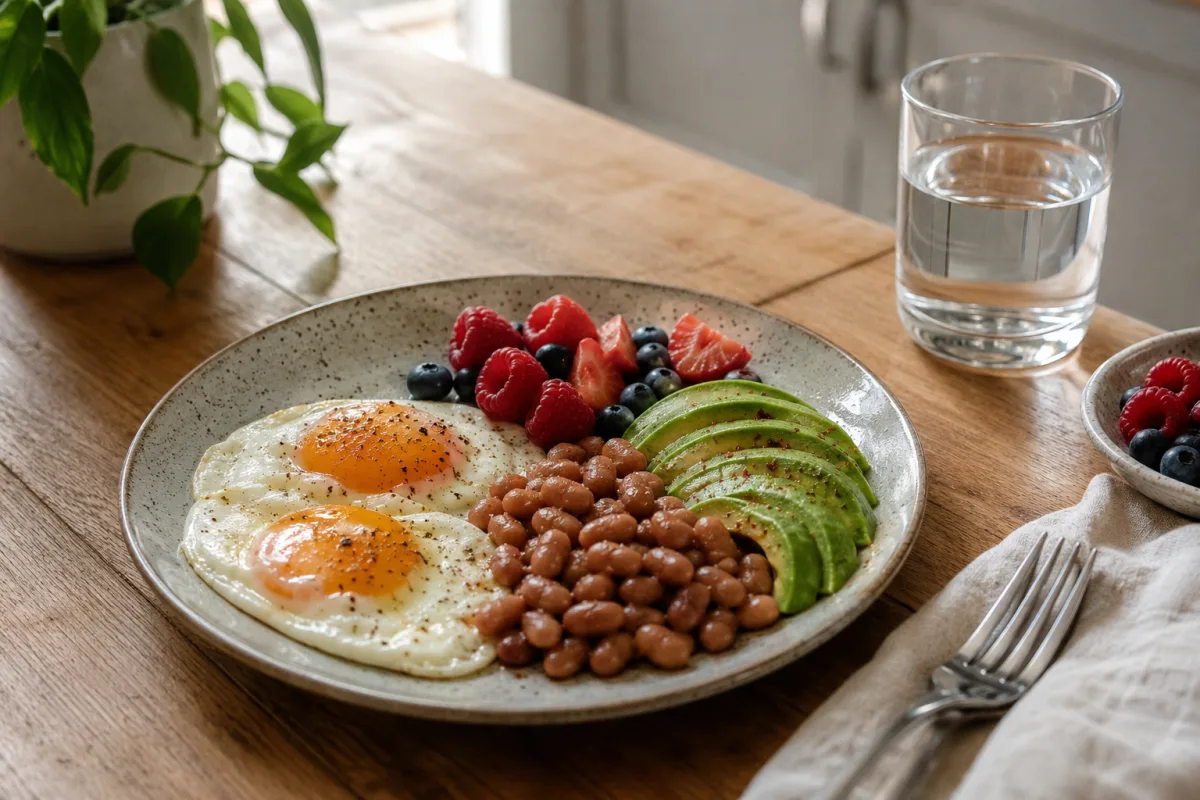
Protein supports muscle maintenance, immune function, and meal satisfaction. Eggs, fish, poultry, beans, lentils, tofu, Greek yogurt, cottage cheese, nuts, and seeds all help a meal last longer.
Older adults can be especially vulnerable to appetite changes and muscle loss. The National Institute on Aging recommends healthy eating patterns with fruits, vegetables, whole grains, lean protein, low-fat dairy, and enough fluids: NIA healthy eating as you age.
For families supporting older adults, how to motivate the elderly can help turn nutrition advice into respectful routines.
Fiber Makes Food Feel Younger Than It Looks
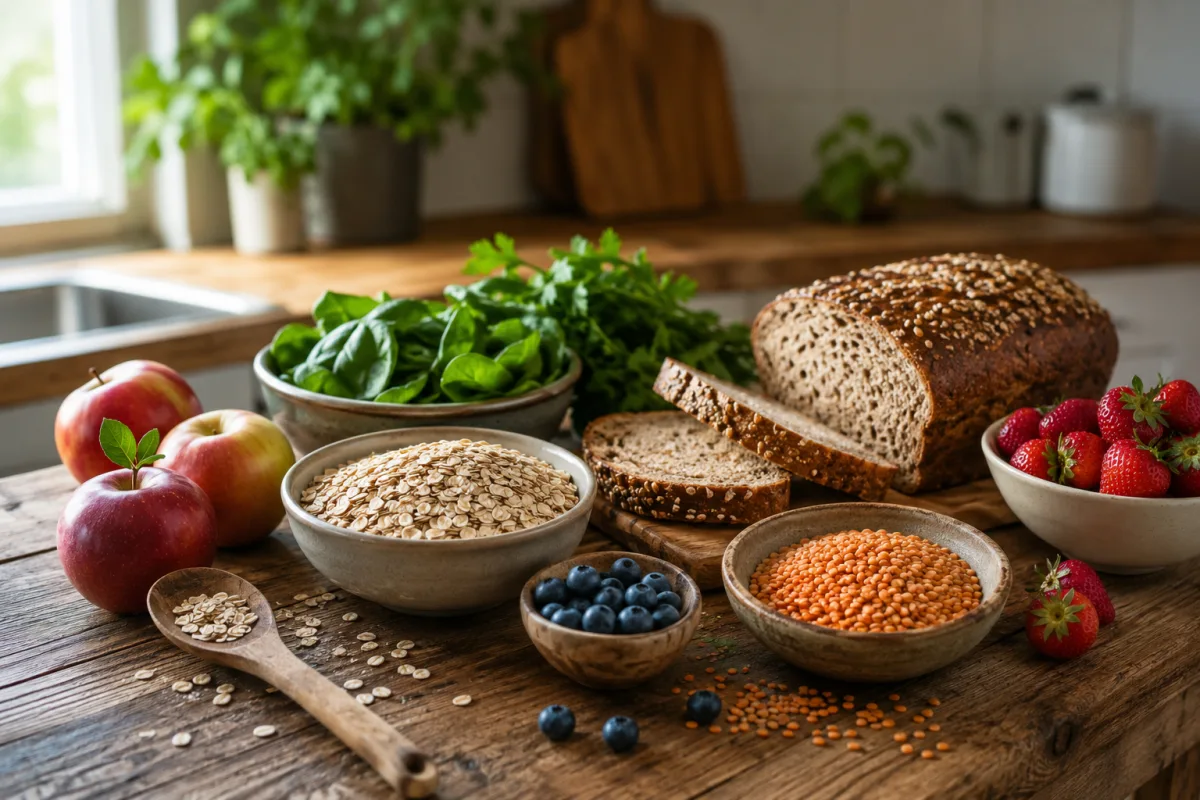
Fiber is not glamorous, but it changes how the day feels. Beans, lentils, oats, whole grains, vegetables, berries, apples, nuts, and seeds help digestion, fullness, and steadier blood sugar.
USDA MyPlate's plate model makes fiber easier to plan because fruits, vegetables, and whole grains are built into the visual: USDA MyPlate. A plate with color and texture usually feels better two hours later than a plate made mostly of refined starch.
If pasta is a daily comfort food, pasta substitutes can help add fiber and vegetables without turning dinner into a lecture.
Ultra-Processed Foods Can Leave You Dragging
Many ultra-processed foods are engineered to be soft, salty, sweet, fatty, and easy to keep eating. They are not poisonous as a category, but they can crowd out foods that bring protein, fiber, potassium, iron, magnesium, and water.
Notice the after-effect. If a snack leaves you thirsty, tired, and hungry again quickly, it may not be serving the job you gave it. Swap part of it first: chips plus yogurt dip and vegetables, instant noodles plus egg and greens, sweet cereal plus plain yogurt.
A journal can keep this neutral. Writing a food journal is useful when it tracks energy and digestion alongside meals.
Hydration And Salt Change How The Body Feels
Dehydration can feel like age: headache, fatigue, dry mouth, constipation, dizziness, and low patience. Salty meals can add thirst and bloating, especially when restaurant food or packaged snacks stack up.
Water, soups, fruits, vegetables, milk, and unsweetened drinks can all contribute fluid. Caffeine and alcohol may still fit for some adults, but they should not replace water all day.
If swelling, dizziness, extreme fatigue, unexplained weight change, or shortness of breath appears, do not blame food alone. Medical symptoms need medical evaluation.
Foods That Tend To Help Energy
A steady-energy plate usually has protein, fiber-rich carbohydrates, colorful produce, and enough fat to taste satisfying. Examples include oatmeal with nuts and berries, eggs with vegetables, bean soup, salmon with potatoes and greens, yogurt with fruit, or lentil pasta with vegetables.
People who train or perform may notice food timing more sharply. how to be less nervous for a sports tryout is not a nutrition article, but the same body signals matter: under-fueled people often feel more shaky and reactive.
For pelvic-floor or other health routines, food cannot replace specific exercise plans. A guide like Kegel exercise for men belongs in its own lane while nutrition supports general health.
Change One Meal First
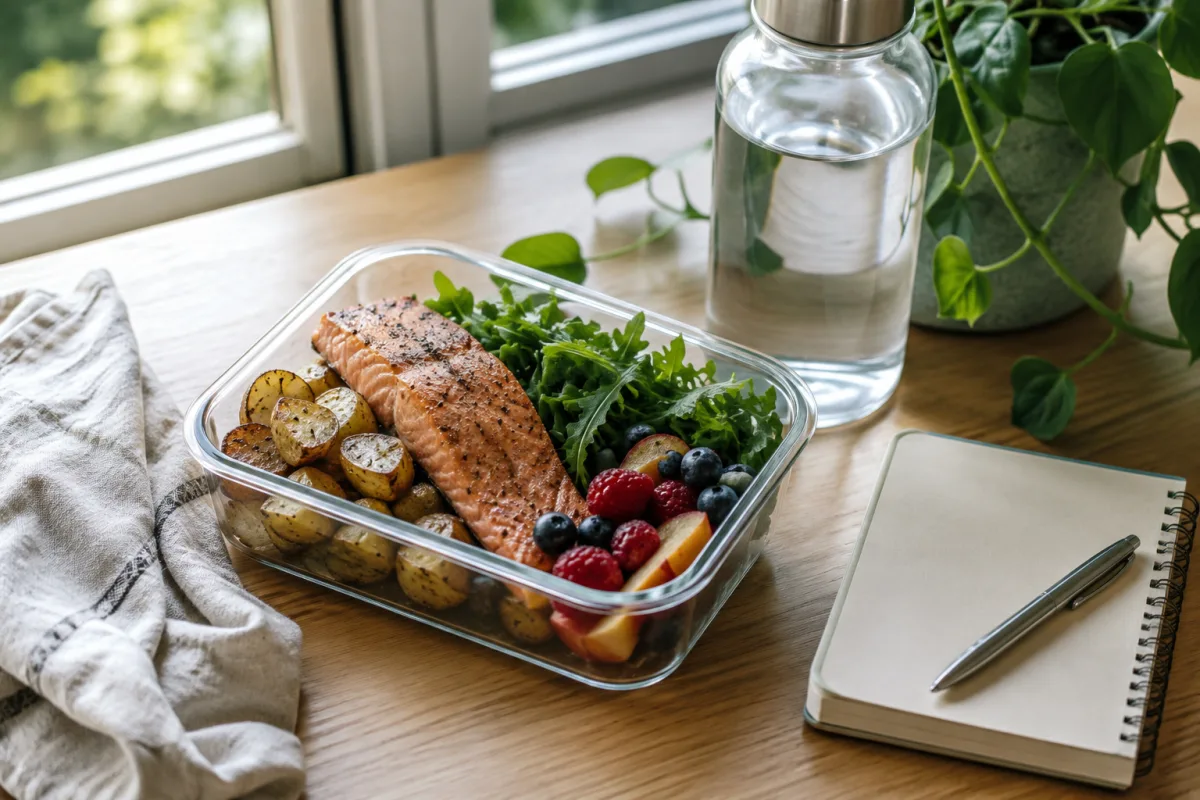
Trying to overhaul every meal at once usually fails by Thursday. Pick the meal that causes the most trouble. If breakfast leads to a crash, add protein and fiber. If dinner is mostly takeout, cook one batch meal. If snacks run the day, plan two better ones.
The goal is to feel the difference. More steady energy, better digestion, fewer intense cravings, and less post-meal sleepiness are useful signals. They are not proof that one food made you young; they are proof that your pattern fits your body better.
If fatigue is severe, new, or unexplained, ask for medical care. Food matters, but anemia, thyroid disease, depression, sleep apnea, medication effects, infection, and many other issues can look like low energy.
Build A Feel-Better Food Pattern
Start by choosing one meal that currently makes you feel older than you are. For many people it is breakfast: sweet coffee, pastry, and no protein. For others it is the late-night snack that makes sleep worse.
Change the meal, then watch the next three hours. Add eggs, yogurt, beans, tofu, fish, chicken, oats, fruit, vegetables, or nuts. Reduce the part that gives a quick rush and a fast crash. The feedback is usually clearer than a rule sheet.
Plan one backup meal for low-energy days. A freezer soup, canned beans with rice, tuna and whole-grain toast, or yogurt with fruit is better than waiting until hunger is sharp enough to choose anything.
Do not confuse feeling young with eating lightly. Under-eating can make people cold, irritable, dizzy, and tired. A better pattern feeds the body enough while improving the quality of the food.
Review drinks too. A day built on sweet coffee, little water, and alcohol at night can feel like fatigue even if the meals look reasonable. Put water beside the food pattern, not as an afterthought.
The right food pattern should feel almost boring after a while: fewer crashes, easier digestion, steadier workouts, and less urgent snacking. That quiet improvement is more useful than chasing a miracle food.
Keep a short list of foods that reliably help you. For one person it may be oats, eggs, berries, salmon, beans, and soup. For another it may be yogurt, rice, tofu, greens, nuts, and oranges. The list should come from your own response, not a trend.
Also keep a list of foods that are fine occasionally but poor as daily fuel. Maybe sweet coffee is a treat, not breakfast. Maybe chips belong with lunch, not as lunch. Naming the role of a food removes some of the drama.
Use medical context when needed. Diabetes, kidney disease, digestive disorders, food allergies, pregnancy, eating disorder history, and medication side effects can all change nutrition advice. A general article cannot see those details.
If you feel better after changing food, keep the change modest enough to live with. Extreme rules often create a brief burst of control and then a hard rebound. Stable energy usually comes from boring consistency.
Think in pairs. Carbohydrate plus protein. Fiber plus fluid. Saltier meal plus extra water. Coffee plus breakfast instead of coffee alone. Small pairings often change how the same foods feel.
Give the pattern two weeks unless symptoms are severe. Digestion, cravings, and energy can shift slowly. A single good breakfast is useful, but repeated good breakfasts are what teach the body a new rhythm.
If nothing changes after steady basics, that is information too. Food may be only one piece of the fatigue picture.
Frequently Asked Questions
Can food really make me feel younger?
Food can improve energy, digestion, and steadiness. It does not reverse age, but a better pattern can make daily life feel lighter.
Which foods make people feel old fastest?
For many people, large sugary meals, heavy alcohol, low-fiber snacks, salty packaged foods, and not enough water are common triggers.
What should I eat for steadier energy?
Build meals with protein, fiber-rich carbohydrates, colorful produce, and enough fat for satisfaction.
Do I need supplements?
Not automatically. Ask a clinician before using supplements, especially if you take medicine or have a medical condition.
When is tiredness not about food?
New, severe, persistent, or unexplained fatigue needs medical evaluation, especially with weight change, shortness of breath, pain, fever, or dizziness.
This article is for general information only and isn't a substitute for medical advice. Talk to a clinician who knows your full history before making changes.

Chiara Bradshaw
Covers education, culture and creative topics with an emphasis on readable explanations and verifiable references.




Leave a reply
Replying to