

Human Qualities Associated With the Five Elements of Nature is best read as a symbolic framework, not a medical diagnosis. Different traditions use different element sets. Ayurveda often speaks of earth, water, fire, air, and ether or space. Chinese medicine often uses wood, fire, earth, metal, and water. Greek-influenced Western traditions often use earth, water, air, fire, and sometimes ether.
This article is general cultural and self-reflection content, not health advice. Do not use element personality labels to diagnose disease, replace mental health care, or excuse harmful behavior. Use the ideas as language for reflection, not as proof of who someone is.
Use Elements As Metaphors
Element systems survived because they give people memorable images for patterns: grounded, flowing, heated, light, spacious, structured, flexible. A metaphor can help someone talk about temperament without turning it into a fixed label.
NCCIH's overview of Ayurvedic medicine discusses Ayurveda as a traditional system; it should not be treated as a substitute for proven medical care.
Earth Qualities
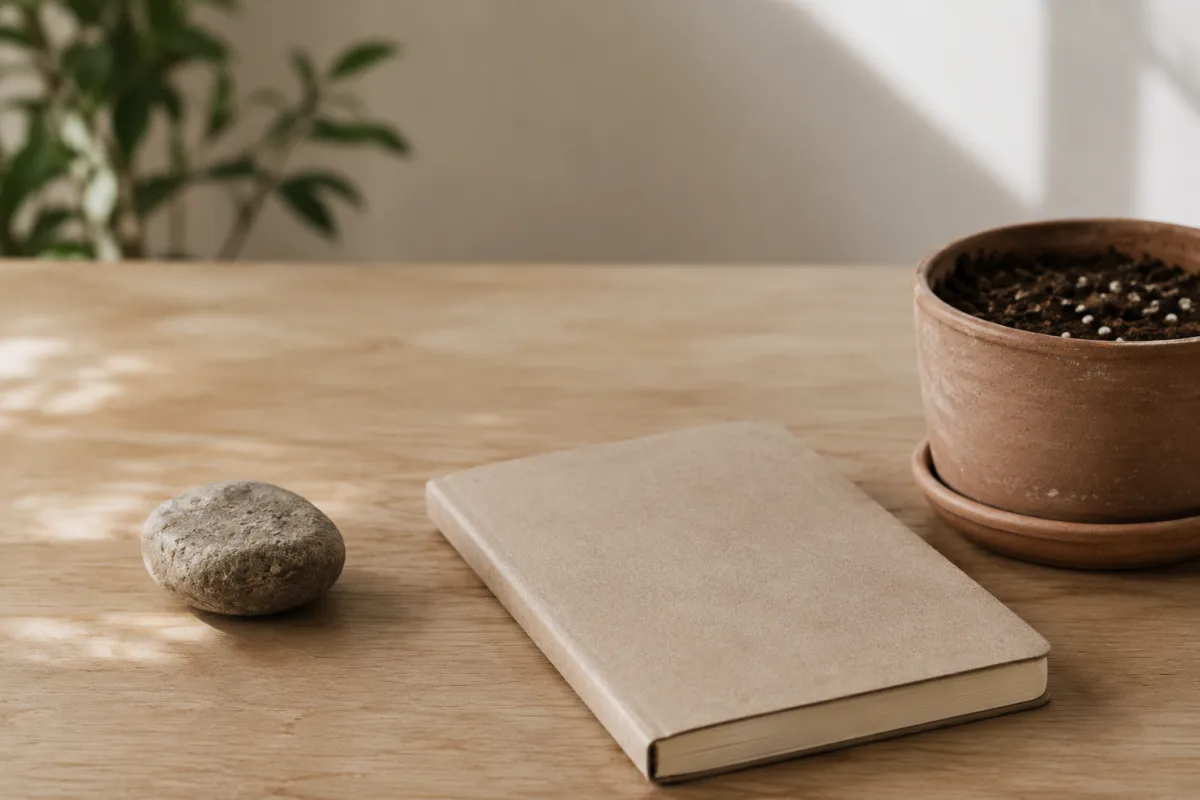
Earth is often linked with steadiness, patience, loyalty, practicality, care for the body, and attachment to routine. In a balanced form, earth feels dependable. In a strained form, it may become stubbornness, heaviness, avoidance of change, or overidentification with safety.
If routine is part of health tracking, Livecub's food journal article can help make observation concrete rather than mystical.
Water Qualities
Water is linked with adaptability, depth, emotion, memory, intuition, and the ability to move around obstacles. In balance, water listens and adjusts. Under stress, it may become withdrawal, fear, flooding emotion, or difficulty choosing a direction.
Water language can help someone ask whether they need rest, boundaries, or movement instead of another lecture about willpower.
Fire Qualities

Fire is linked with energy, courage, warmth, visibility, enthusiasm, appetite, and transformation. In balance, fire brings life to a room. Under stress, it may become impatience, burnout, anger, drama, or a need to be constantly seen.
For stage pressure, Livecub's stage fright guide gives direct tools for managing heat in the body before performance.
Air Qualities
Air is often linked with thought, speech, movement, curiosity, humor, and change. In balance, air brings ideas and perspective. Under stress, it may become scattered attention, overthinking, restlessness, or talking without landing anywhere.
Someone who identifies with air may need grounding habits: sleep times, body movement, written lists, and fewer open tabs in life and on screens.
Ether Or Space
Ether or space is often linked with openness, listening, imagination, silence, and the room where experience happens. In balance, space gives perspective. Under stress, it may become dissociation, vagueness, avoidance, or feeling unrooted.
If someone feels detached from reality, unsafe, or unable to function, that is not an element imbalance to self-treat. It needs professional care.
Wood And Metal In Chinese Traditions
Chinese five-phase language often includes wood and metal rather than air and ether. Wood is commonly associated with growth, planning, direction, and flexibility. Metal is associated with structure, refinement, boundaries, and letting go. These are cultural associations, not personality test results.
NCCIH's page on traditional Chinese medicine gives a cautious health overview for readers who want medical context.
Do Not Trap People In Types
Element language becomes harmful when it fixes people in place: she is fire, he is earth, I am just water. People change across age, stress, grief, culture, work, and relationships. A quiet person can act with fire when protecting a child. A restless person can become steady when safe.
Use elements as verbs, not cages. Ask what quality is needed today.
Relationships
Element metaphors can soften relationship conversations. Instead of saying you are too emotional, someone might say we need more structure. Instead of saying you are cold, they might say I need warmth and response. The language works only if it leads to better requests.
For families supporting older adults, Livecub's motivating elderly adults article is a reminder that dignity matters more than labels.
Work And Creativity
Earth helps finish. Fire starts. Air imagines. Water adapts. Space edits by creating distance. Wood plans. Metal refines. A project often needs several qualities, not one identity. If a team is stuck, ask which quality is missing from the process.
This turns an old symbolic model into a practical check-in.
Stress Signals
Under stress, the qualities often distort. Earth freezes, water floods, fire burns, air scatters, and space disappears. Naming the distortion can help you choose a small correction: move, rest, plan, talk, pause, or ask for support.
If stress becomes panic, depression, self-harm thoughts, or major impairment, skip the metaphor and get qualified help.
Personal Reflection

Try a simple journal prompt: which element describes how I act when rested, and which describes how I act when stressed? Then ask which quality would help the next decision. This keeps the framework flexible and honest.
For performance anxiety, Livecub's tryout nerves article gives a non-symbolic way to move from reflection to action.
Balance Is A Better Question Than Type
Instead of asking which element you are, ask which quality is overused and which is missing. Too much fire may need rest. Too much earth may need movement. Too much air may need routine. Too much water may need a boundary. Too much space may need contact.
This keeps the model practical and prevents identity labels from becoming excuses.
Cultural Respect
Element systems come from living traditions, not just mood-board language. If you borrow the terms, do it with respect. Learn where the model comes from, avoid pretending to be an expert after a short article, and do not sell medical claims from a symbolic framework.
Respect also means admitting when a metaphor is not enough for a real health problem.
Use In Conversation
A simple question can work well: what quality would help this situation? A family argument may need water for listening and metal for boundaries. A stalled project may need fire to start and earth to finish. This language can lower defensiveness because it talks about the situation, not a person's defect.
The best use is flexible, kind, and specific.
A Journal Exercise
Draw five columns and write one recent action under each quality. Earth: something steady. Water: something adaptive. Fire: something brave. Air: something curious. Space: something you allowed to breathe. Then circle the column that needs attention this week.
The exercise works because it turns a symbol into behavior.
Avoid Moral Rankings
No element is better than another. Earth without water can become rigid. Water without earth can lose shape. Fire without space can exhaust people. Air without earth can scatter. Space without connection can drift. The value is in relationship among qualities.
This prevents the framework from turning into a hierarchy where one temperament is treated as more spiritual or more mature.
Use With Children Carefully
Children may enjoy nature metaphors, but adults should avoid labeling a child as a fire child or water child in a way that fixes expectations. A child needs room to be many things: loud today, quiet tomorrow, brave at school, unsure at bedtime.
Use the terms to name skills they can practice, not identities they must carry.
Return To Behavior
If an element word does not lead to a behavior, it is probably too vague. Translate earth into a schedule, water into listening, fire into starting, air into brainstorming, and space into a pause. Behavior keeps the reflection honest.
A symbol is useful only when it helps someone live with more care and clarity.
One Week Practice
Pick one quality for a week and practice it in ordinary life. If you choose earth, finish what you start. If you choose water, listen before answering. If you choose fire, make the necessary call. If you choose air, ask a better question. If you choose space, pause before reacting.
Frequently Asked Questions
Are the five elements scientific personality types?
No. They are symbolic and cultural frameworks, not validated diagnostic personality categories.
Which element am I?
You may recognize several qualities in yourself. Treat that as reflection, not a fixed identity.
Can elements diagnose health problems?
No. Health symptoms should be discussed with qualified clinicians.
Why do traditions use different elements?
Different cultures built different systems, so the element lists and meanings vary.
How can I use this safely?
Use the language for journaling, conversation, and balance, not for medical decisions or judging people.
The Practical Takeaway
The five elements can describe human qualities such as steadiness, emotion, energy, thought, openness, growth, and structure. Use them as flexible metaphors for reflection, not as medical facts or fixed labels.

Cashie Evans
Covers parenting and practical household topics with clear steps, safety notes and links to current guidance.



Leave a reply
Replying to