
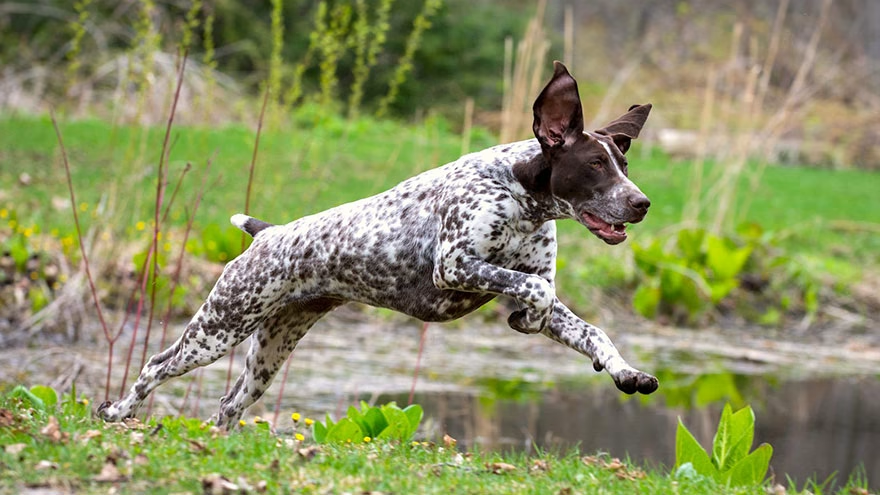
GSP Health Is Tied to Activity
German Shorthaired Pointer health care has to account for the breed's drive, speed, and athletic build. A GSP that hunts, runs, swims, hikes, or trains hard needs conditioning, recovery, nail care, and injury checks as much as enthusiasm.
This guide is educational. A veterinarian who knows your dog should guide diagnosis, medication, screening, diet, and emergency decisions.
High energy does not make a dog injury-proof.
Start With Breeder Screening
The German Shorthaired Pointer Club of America's CHIC page lists breed-specific screening topics and describes hip dysplasia screening through OFA or PennHIP. Puppy buyers should ask for verifiable records for the sire and dam.
A CHIC listing means required results were submitted, not that every result was perfect. Ask what each result says and how the breeder uses that information.
Screening records are part of choosing a puppy, not paperwork after the fact.
Heart, Orthopedic, and Eye Questions
The GSPCA health statement hosted by AKC says recommended testing focuses on the heart, orthopedic soundness, and vision. That gives owners a practical framework for breeder questions and adult-dog monitoring.
Limping, exercise intolerance, fainting, eye pain, cloudiness, squinting, sudden behavior change, or reluctance to work should be discussed with a veterinarian. Athletic dogs can hide discomfort until the pattern is obvious.
A working dog still needs medical follow-up when performance changes.
Keep the Dog Lean
A German Shorthaired Pointer should look athletic, not heavy. Extra weight makes heat, joint strain, and recovery harder. Use a body condition score with your vet rather than judging only by appetite or coat shine.
Measure food, count training treats, and adjust for hunting season, off-season, age, neuter status, and injury recovery. A dog that trains hard for part of the year may not need the same calories all year.
Conditioning Beats Weekend Overload
GSPs can tempt owners into doing too much too fast. A dog that spends weekdays on the couch should not be expected to run all weekend without preparation. Build stamina, muscle, and paw toughness gradually.
Warm up before hard work, cool down afterward, and check for soreness, pad wear, limping, or reluctance the next day. Fitness is built between outings as much as during them.
Livecub's German Shorthaired Pointer common questions can help new owners understand the breed's energy before building a health plan.
Bloat Awareness Belongs in the Plan
Deep-chested sporting dogs can raise bloat concerns. Ask your veterinarian what risk factors and emergency steps apply to your dog. Know signs such as unproductive retching, swollen abdomen, restlessness, drooling, collapse, or severe distress.
Do not try home remedies for suspected bloat. Call emergency care and move quickly if directed.
Emergency signs should be learned before the emergency.
Field and Outdoor Injuries
Hunting and off-leash field work can expose GSPs to cuts, grass awns, thorns, ticks, heat, water hazards, rough footing, and eye irritation. Check the dog after outings, especially feet, ears, eyes, armpits, belly, and between toes.
Carry water, a leash, basic first-aid supplies, and your vet's contact information. A small cut or seed can become more serious if hidden under energy and adrenaline.
Post-run checks are health care for active dogs.
Skin, Ears, and Coat
The short coat is easy to maintain, but it does not hide everything. Watch for scrapes, bumps, hair loss, itching, ear odor, head shaking, ticks, and paw irritation. Dogs that swim or work in cover may need more frequent checks.
For grooming-body-check habits in a very different coat, Livecub's longhair dachshund grooming guide shows why hands-on care matters.
Heat and Hydration
German Shorthaired Pointers can work hard enough that owners underestimate heat load. Warm weather, humidity, direct sun, and intense running can combine quickly. Carry water, plan shade, and stop before the dog looks desperate.
Heavy panting, weakness, confusion, vomiting, collapse, or failure to recover after rest should be treated as urgent. Call a veterinarian or emergency clinic for direction.
Drive can hide fatigue until the dog is already in trouble.
Dental Care and Mouth Checks
Active dogs use their mouths for toys, birds, bumpers, chews, and random finds. Check teeth, gums, tongue, and lips for broken teeth, cuts, lodged material, bad breath, or reluctance to chew.
Dental problems can affect training rewards, appetite, and mood. Ask your vet about brushing, dental products, and professional cleaning timing.
Training Supports Health
Recall, wait, leave it, drop, and calm loading into a vehicle can all prevent health problems. A dog that comes back reliably is easier to protect from roads, wildlife, unsafe water, and overheating.
Training also supports veterinary care. Teach handling, nail trims, ear checks, mouth checks, and standing still so routine care does not become a fight.
Use Public Health Databases
The OFA CHIC program helps parent clubs and breeders organize health screening information in public databases. Buyers can use those records to ask better questions.
Public records are not the whole story, but they are better than vague claims. A breeder who welcomes questions about testing is easier to trust than one who avoids details.
Livecub's Brittany Spaniel breeder recommendations can help with general sporting-breed buyer questions.
Seasonal Care Changes
A hunting-season GSP may need more calories, paw checks, conditioning, hydration, and rest. An off-season dog may need fewer calories and more structured enrichment to prevent weight gain and boredom.
Do not feed and exercise the same way all year if the dog's workload changes. Adjust slowly and use body condition, stamina, and vet guidance as checks.
The health plan should follow the real workload.
Recovery Days Count
Rest is part of conditioning. After a hard run, hunt, swim, or long hike, give the dog time to recover and watch movement the next morning. Stiffness, limping, reluctance to jump, or unusual quietness can reveal more after the adrenaline fades.
Use easier walks, gentle stretching only if your vet or rehab professional approves, and calm enrichment on recovery days. A driven dog may ask for more before the body is ready.
Recovery is training for long-term soundness.
Home Safety for a Fast Dog
Inside the home, slick floors, sharp turns, open doors, and rough play can create avoidable injuries. Use rugs where the dog launches or turns, teach door manners, and keep high-energy games outdoors or in safer spaces.
If the dog lives with children or older adults, calm greeting rules matter. A friendly GSP moving at full speed can still knock someone off balance.
Senior GSP Care
Older German Shorthaired Pointers may still want to run, but recovery can change. Watch for stiffness, slower rising, slipping, reduced stamina, new lumps, dental changes, hearing changes, or appetite shifts.
Ask your veterinarian about screening, pain assessment, weight goals, and activity changes. A senior dog can stay active, but the plan may need softer footing, shorter sessions, and more rest.
Preventive Routine
Build a routine around vet exams, vaccines based on law and risk, parasite prevention, dental care, nail trims, weight checks, ear checks, and post-outing body checks. Prevention is less exciting than field work, but it keeps field work possible.
Keep a log of injuries, heat reactions, stomach episodes, medications, and training load. Patterns become easier to see when they are written down.
Ask for Help Before Habits Harden
If exercise, anxiety, reactivity, or destructive behavior is becoming hard to manage, involve a veterinarian and qualified trainer early. Some behavior problems are training issues, some are medical issues, and many are a mix of both.
A health guide should not treat behavior as separate from the body. Pain, poor sleep, under-exercise, over-exercise, and stress can all change how the dog acts.
When to Call a Vet
Call promptly for collapse, suspected bloat, breathing trouble, severe lameness, eye pain, repeated vomiting, heat illness signs, deep cuts, seizures, or inability to urinate. Schedule visits for chronic limping, skin issues, ear problems, weight changes, or reduced stamina.
Keep notes on workouts, symptoms, diet, supplements, medications, and recovery. Patterns matter with active dogs.
Frequently Asked Questions
Are German Shorthaired Pointers generally healthy?
Many are active and healthy, but owners should still ask about breeder screening and monitor orthopedic, heart, eye, weight, and injury concerns.
What health tests should GSP breeders discuss?
Ask about parent-club recommended screening, including hips, cardiac evaluation, eye exams, and other current breed-specific recommendations.
Do GSPs need special exercise planning?
Yes. They need conditioning, recovery, heat awareness, paw checks, and gradual fitness work rather than sudden weekend overload.
When should a GSP see a vet after exercise?
Call for severe lameness, collapse, heat illness signs, eye pain, deep cuts, repeated vomiting, or any symptom that does not improve with rest.

Chiara Bradshaw
Covers education, culture and creative topics with an emphasis on readable explanations and verifiable references.

Leave a reply
Replying to