
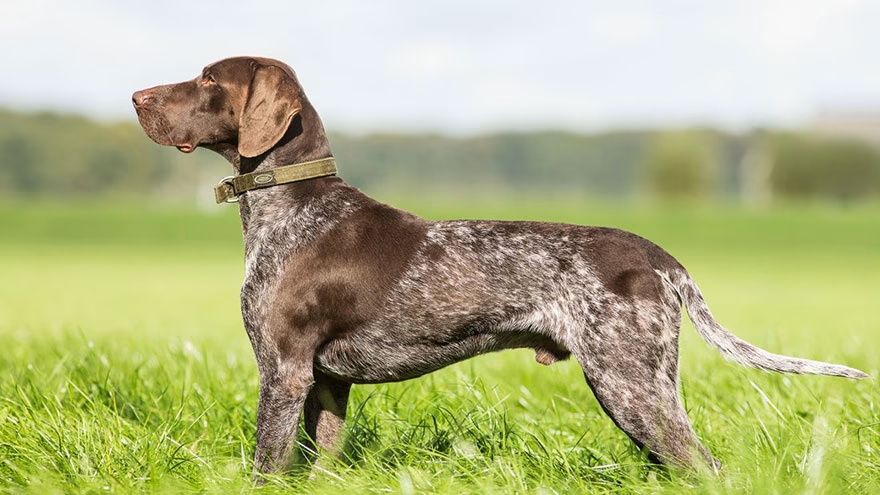
The German Shorthaired Pointer Is Built for Work
German Shorthaired Pointer breed information should not undersell the energy. This is a medium-sized sporting dog bred to search, point, retrieve, swim, run, and stay connected to a handler. A well-matched GSP can be affectionate, funny, trainable, and deeply loyal. A poorly matched one can become frantic, destructive, loud, or impossible to tire in a normal suburban evening.
The American Kennel Club's German Shorthaired Pointer breed page describes the breed as a versatile gundog that thrives on vigorous exercise, positive training, and affection. That sentence contains the ownership contract: movement, teaching, and close human partnership.
Field lines and show or companion lines can differ in intensity, but the breed remains active. Do not choose a GSP because the coat looks easy. Choose one because your household can give the dog real work.
A good match starts with the owner's normal week, not the best weekend. If the dog will get one rushed walk before work and another short walk after dinner, frustration is likely. If the household already hikes, trains, runs, swims, or enjoys structured dog sports, the breed has a better chance of fitting without constant conflict.
The breed's softness can surprise people who only notice the speed. Many GSPs are sensitive to unfair correction and respond better to clear rewards, repeated routines, and owners who stay calm when the dog gets excited. A heavy hand can damage trust without fixing the underlying need for work.
Temperament, Family Fit, and Prey Drive
GSPs are often people-oriented, playful, and social with their families. Many are enthusiastic greeters, shadow dogs, and couch leaners after exercise. They can also be impulsive, mouthy, and intense when undertrained.
Prey drive matters. A GSP may chase birds, squirrels, cats, rabbits, and anything moving fast. Some live well with cats they know; others are unsafe around small animals. Early training helps, but genetics and individual temperament still matter.
Children can do well with a trained GSP, especially older children who understand space and body language. Young children may be knocked over by an adolescent dog that has not learned impulse control. Supervision and training are part of the breed fit.
Guests and delivery people are another test. An underexercised GSP may jump, grab sleeves, steal shoes, or race through doorways before anyone can react. Teaching a mat cue and rewarding four feet on the floor gives the dog a job that is safer than greeting every visitor at full speed.
Livecub's German Shorthaired Pointer questions article can work as a companion piece for owners who want quick answers before committing to the full breed profile.
Exercise Is a Daily Requirement
The German Shorthaired Pointer Club of Illinois says a GSP routine should include daily exercise, preferably morning and evening, with secure running and play when possible. Its GSP questions page recommends at least morning and evening outlets for a healthy high-energy pet.
Exercise should combine physical effort and thinking. Off-leash running in a safe fenced area, field training, scent work, swimming, hiking, canicross, agility foundations, retrieve games, and obedience drills can all help. A leash walk alone may not be enough for many adults.
Young dogs still need restraint. Growth plates, joints, heat, footing, and fatigue matter. Build fitness slowly. A puppy should learn recall, settle, crate comfort, handling, and leash skills before being treated like an adult athlete.
The goal is structured energy. A GSP with no job will usually invent one.
Safe exercise also depends on the location. Open fields near roads, livestock, wildlife, or unfenced water are not neutral spaces for a fast hunting dog. Safe freedom means the handler has trained recall, checked the setting, and chosen a place where a mistake will not become a crisis.
Rest belongs in the plan too. Athletic dogs can overdo it because excitement masks fatigue. Watch for lagging behind, sloppy movement, heavy panting, heat stress, pad wear, or a dog that is too keyed up to rest after activity.
Training and Recall
Recall is not optional for this breed. A GSP that spots a bird and bolts can cover ground quickly. Train recall with high-value rewards, long lines, safe fenced spaces, and many repetitions before trusting freedom.
Use positive, clear training with real boundaries. Teach the dog to settle on a mat, wait at doors, release objects, walk politely, ignore wildlife when cued, and return from distractions. These are household safety skills, not tricks.
Mental work can be short and frequent. Five minutes of scent games, place training, or heelwork can change the day. Long, unfocused chaos in the yard is not the same as training.
Build recall under distraction in layers. Start in the house, then the yard, then quiet outdoor spaces, then a long line around mild distractions. Paying the dog well for returning keeps the cue valuable when the environment becomes more interesting than the handler.
Crate training and alone-time practice should be kind and gradual. A GSP that is always entertained by people may struggle when left alone, especially during adolescence. Short departures, food puzzles, calm returns, and a predictable rest place can prevent daily stress from becoming a habit.
For comparison, Livecub's Brittany Spaniel breeder recommendations article points to another sporting dog world where breeder goals, field drive, and household match deserve attention.
Coat, Grooming, and Home Care
The short coat is easy compared with many breeds, but it still sheds. Weekly brushing, nail trims, ear checks, dental care, and skin checks should be routine. Dogs that swim or hunt need ear and skin checks after water, brush, and field work.
GSP ears hang close enough to trap moisture and debris. Watch for odor, redness, head shaking, or dark discharge. Use only veterinarian-approved ear products, and do not push cotton swabs deep into the ear canal.
Feet need attention because active dogs can tear pads, crack nails, pick up burrs, or get cuts between toes. After field activity, check paws, armpits, belly, ears, and tail area for ticks, seeds, and scrapes.
Home care should include a quick post-activity routine. Offer water, check the body, let the dog cool down, then ask for a calm rest period. Recovery time helps owners notice soreness before the next hard outing.
Livecub's guide to grooming a longhair dachshund covers a different coat, but the health-check habit carries over: grooming is also inspection.
Health Testing and Common Concerns
The German Shorthaired Pointer Club of America's CHIC health testing page lists testing chosen by the club for CHIC identification, including cardiac, eye, and orthopedic screening categories. Those records help buyers ask better questions.
Ask breeders about hips, elbows, heart, eyes, temperament, family history, and activity goals. Ask how often the dogs are worked, shown, or placed as companions. Health testing is not a guarantee, but it is better than buying on looks and hope.
GSP owners should also understand bloat risk, injuries from hard activity, ear infections, skin wounds, and weight control. Discuss meal timing, deep-chest risk, and emergency signs with your veterinarian.
Bloat education is especially practical for deep-chested active dogs. Ask your veterinarian what warning signs should trigger urgent care, how to manage meals around exercise, and whether gastropexy should be discussed during another planned procedure. The answer can depend on the dog, the family history, and the veterinarian's assessment.
This article is general dog-care information and is not veterinary advice. If your German Shorthaired Pointer has bloat signs, collapse, lameness, breathing trouble, pain, or sudden behavior changes, contact a veterinarian.
Who Should Choose a GSP?
A German Shorthaired Pointer fits best with people who like outdoor activity, training, and daily structure. Runners, hunters, hikers, field-sport homes, and active families can do well when they also teach calm behavior indoors.
The breed is a poor fit for someone who wants a low-key dog that can skip exercise most days. A bored GSP may counter-surf, chew, bark, dig, escape, or pester every person in the house.
Meet adult dogs from the kind of line you are considering. Ask breeders what their dogs are like on a rainy Tuesday, not only in the field or show ring. Adult behavior tells the truth about energy, noise, focus, and recovery.
The right GSP home gives the dog speed, scent, rules, rest, and company. That combination is where the breed's drive turns into partnership.
Frequently Asked Questions
Are German Shorthaired Pointers good family dogs?
They can be excellent family dogs in active homes that provide training, exercise, supervision, and clear rules.
How much exercise does a GSP need?
Most need serious daily activity plus mental work. Many do best with morning and evening outlets.
Can German Shorthaired Pointers live with cats?
Some can, especially if raised carefully, but prey drive varies. Supervision and honest assessment are needed.
What health tests should GSP buyers ask about?
Ask about hips, elbows, cardiac exams, eye exams, family history, and any CHIC or OFA records used by the breeder.

Chiara Bradshaw
Covers education, culture and creative topics with an emphasis on readable explanations and verifiable references.

Leave a reply
Replying to