
Know which Castle Dome you mean
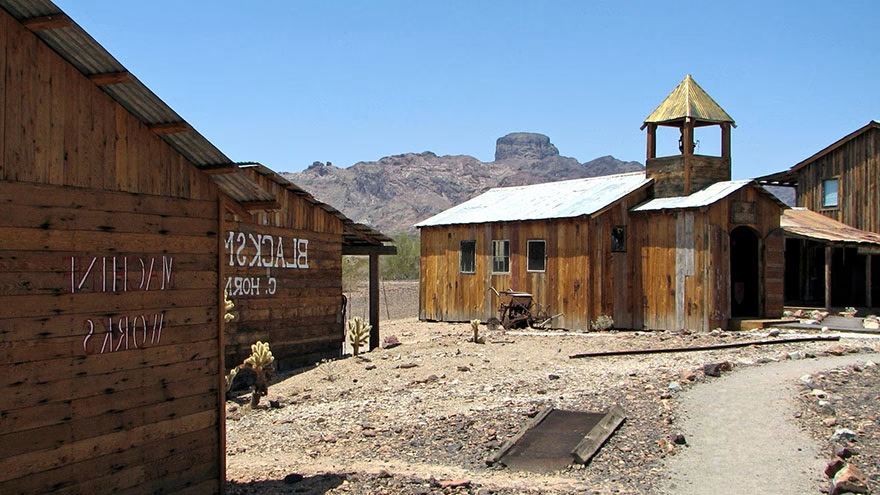
Castle Dome usually refers to the Castle Dome Mountains in southwestern Arizona, associated with Kofa National Wildlife Refuge and the historic Castle Dome mining area near Yuma. It is not a manicured city park trail system.
Start with the U.S. Fish & Wildlife Service page for Kofa National Wildlife Refuge so you understand the land context, wildlife purpose, and current alerts before relying on trip reports.
Treat the desert as the main feature
The Sonoran Desert is beautiful and unforgiving. Heat, exposure, rough rock, sharp plants, distance, and limited shade are part of the route. A short mileage day can still be serious when the sun is high and the road approach is slow.
The National Park Service hiking safety guidance at nps.gov is useful even outside national parks: plan, carry water, know conditions, and turn around before a problem becomes a rescue.
Check road access before choosing a hike
Access roads around desert ranges can be sandy, rocky, washboarded, or changed by storms. A hike that looks manageable on a map may require a vehicle you do not have. Ask the refuge, check current maps, and avoid driving beyond your comfort.
If the approach is uncertain, build a shorter day. The road is part of the hike, especially when towing, renting a low-clearance car, or traveling without cell service.
Carry more water than feels elegant
Desert hikers often underestimate water because the air can feel dry enough that sweat disappears quickly. Bring more than you expect to drink, plus electrolytes or salty snacks if the day is warm.
Do not rely on natural water unless an official source confirms it and you have treatment gear. In this landscape, carrying water is the plan.
Choose a route for your navigation skill
Some Castle Dome outings may involve old roads, washes, social paths, cairns, or cross-country travel. If you are not comfortable with desert navigation, choose a simpler route or go with someone who knows the area.
Navigation habits from other open-country trips, such as searching meteorite areas in Nevada, apply here: save offline maps, mark the vehicle, and watch the return route.
Respect old mine features
Historic mining areas can include unstable structures, open shafts, rusted metal, broken glass, and loose rock. Do not enter old mine openings. They can contain bad air, hidden drops, weak timbers, or animals.
Enjoy the history from safe ground. A photograph from outside is better than a dangerous climb into a structure that was never built for visitors.
Watch wildlife and plants
Kofa is known for desert wildlife and rugged habitat. Give animals space, watch where you put hands and feet, and avoid stepping blindly around rocks or shrubs. Cactus, agave, and cholla can make a minor mistake painful.
If your travel style includes scenic nature stops, compare the patience needed for wildlife viewing with trips like looking for moose in New Hampshire. The species change, but distance and respect still matter.
Time the hike around light and season
Cooler months are usually more forgiving than summer. Early starts help in spring and fall, but morning timing does not erase heat risk. Check forecast, wind, and sunrise before finalizing the plan.
Photography light can be beautiful near sunrise and sunset, but late starts create return problems. Plan the full day, not only the prettiest hour.
Use a conservative turnaround rule
Decide in advance when to turn around: time, water, heat, navigation uncertainty, vehicle concern, or group fatigue. Desert pride is a poor guide. A safe half-day teaches more than a full-day mistake.
If you want easier scenic alternatives on the same trip, use travel-planning habits from stops such as things to see around Laughlin or walkable town routes: match the stop to the day's energy.
Tell someone your exact plan
Desert hiking plans should be shared before you leave service. Give someone the road, intended route, vehicle description, and latest return time. If the plan changes, update them when you can.
A vague plan is hard to search. Specific details help if a small problem grows.
Do not trust shade to appear
Many desert routes offer little shade once the sun rises. A broad hat, sun shirt, sunglasses, and early start are not accessories; they are part of the safety kit.
Shade planning is water planning. The hotter the route feels, the faster your water margin disappears.
Check tires and fuel
Remote desert roads are hard on vehicles. Check tire pressure, spare tire, fuel, jack, and basic tools before driving out. A short hike can become a long day if the vehicle cannot leave.
Rental cars deserve extra caution. Some contracts restrict unpaved roads, and help may be far away.
Watch for wash conditions
Dry washes can change after storms and may contain soft sand, debris, or cut banks. Do not drive or hike through questionable washes during active weather.
Flash-flood risk belongs in desert planning, even when the sky above you looks clear.
Pick landmarks for the return
On desert hikes, the return view can look different. Notice distinctive ridges, washes, road bends, and the position of the vehicle as you leave. Take photos backward at junctions if that helps navigation.
The way out deserves attention. Many route mistakes happen after the goal has already been reached.
Carry a repair mindset
Pack blister care, tweezers for cactus spines, a small first-aid kit, extra water, and a way to handle a flat tire or stuck vehicle. Simple tools can keep a small issue from becoming the whole trip.
Prepared does not mean fearful. It means the desert gets a vote.
Use history without entering hazards
Castle Dome's mining history adds interest, but old sites are not maintained like museums unless a specific visitor attraction says so. Rotten wood, hidden holes, and sharp debris can sit close to photogenic views.
Stay outside unstable structures and keep children close. The best history stop is one everyone leaves safely.
Respect refuge quiet
Wildlife refuges are not off-road playgrounds. Keep noise low, stay on legal roads, and avoid disturbing animals for photos. If you see bighorn sheep or other wildlife, use distance and patience.
Quiet travel fits the landscape. It also gives you a better chance of noticing what lives there.
Use sun position for route choices
Southwestern desert routes can feel very different depending on if you are climbing into direct sun or returning with glare in your face. Start early and think about where the sun will be when you turn around.
That matters for photos, heat, and navigation. A route that feels easy at sunrise may feel exposed by late morning.
Keep the group together
Desert hikers should not spread so far apart that one person misses a turn or heat symptoms go unseen. Use regroup points and speak up early if someone is slowing down.
Use a wider margin for solo trips
Solo desert hiking should be more conservative than group hiking. Shorten the route, start earlier, carry more water, and avoid uncertain scrambling when nobody is there to help.
Make the vehicle visible
Park legally and note landmarks around the vehicle. In broad desert terrain, a small vehicle can disappear behind washes and low rises faster than expected.
Leave room for slow roads
Desert road time can stretch because of washboard, sand, photos, gates, or cautious driving. Do not schedule the hike as if highway speed continues to the trailhead. Slow access is part of the day.
Do not race sunset
Desert sunsets are beautiful, but hiking out by failing light can hide cactus, loose rock, and route mistakes. Plan to be back at the vehicle with daylight left, especially if the road out is rough.
Frequently Asked Questions
Is Castle Dome a beginner hike?
Some nearby desert walks may be manageable for prepared beginners, but rugged routes around the mountains can require navigation, heat judgment, and rough-road comfort.
Choose the route carefully and check current access before going.
When is the best season?
Cooler months are usually safer and more pleasant than summer. Avoid hot afternoons and check forecasts closely.
Even in cooler months, bring water, sun protection, and layers for changing conditions.
Can I explore old mines?
Do not enter abandoned mines. They can have hidden shafts, unstable rock, bad air, and unsafe structures.
View historic features from safe areas and follow land-manager rules.
Do I need offline maps?
Yes. Cell service can be unreliable, and desert routes can look similar on the return.
Download maps, carry a backup, and mark your vehicle location before leaving.

Cashie Evans
Covers parenting and practical household topics with clear steps, safety notes and links to current guidance.



Leave a reply
Replying to