
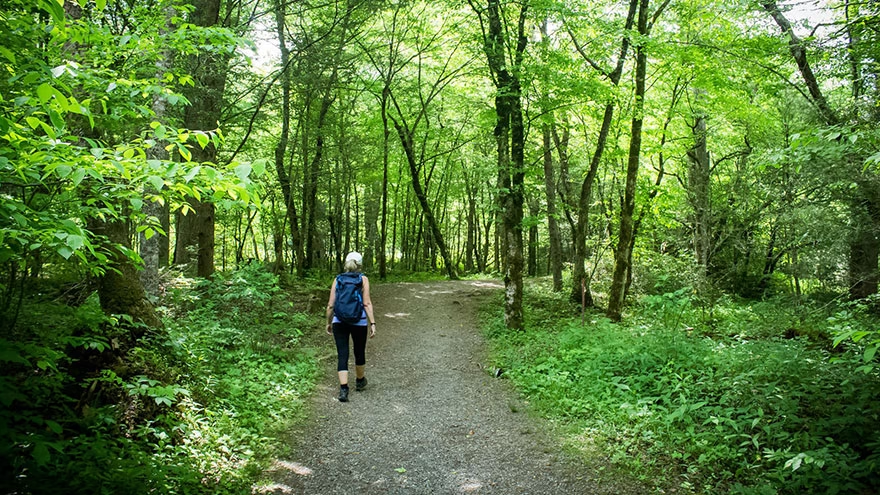
Spring Wildflowers Reward Slow Hiking
The best spring wildflower hikes in the Great Smoky Mountains are not always the hardest trails. They are the walks where you slow down, look along the edges, watch elevation, and give the season time to unfold.
Blooms move with weather and elevation. Lower trails can show flowers earlier, while higher trails may peak later. A warm week, cold snap, storm, or trail closure can change the day.
Wildflower hiking is about timing and attention.
Check Official Trail Conditions First
The National Park Service page on Great Smoky Mountains wildflower walks is the first place to check when planning. It names specific routes and gives bloom-timing guidance for several trails.
Also check road closures, weather, parking, and current park alerts before driving to a trailhead. Spring can bring wet tread, high water, fallen trees, and full parking areas.
If your trip includes longer walking days, Livecub's walking sticks guide can help with pole setup before uneven trail sections.
1. Little River Trail
The NPS notes that the first two miles of Little River Trail provide good wildflower viewing from mid-March through April. The trail follows the Little River and is relatively wide and level by Smokies standards.
This makes it a strong first choice for visitors who want a gentler spring hike without giving up scenery. You can also add Cucumber Gap and Jakes Creek for a longer loop if your group has the time and energy.
Little River Trail is a good first wildflower walk.
2. Porters Creek Trail
Porters Creek Trail in the Greenbrier area is a favorite spring route because it mixes creek scenery, old homesite traces, and reliable early-season wildflower interest. It is not a flat sidewalk, but it gives a lot of reward for a moderate outing.
Arrive early on peak spring weekends. Greenbrier can feel quiet at the right time, but wildflower season draws people who know exactly why they came.
For another waterfall-and-trail planning example outside the Smokies, Livecub's Skyline Drive waterfalls guide shows how season and footing shape a hiking day.
3. Chestnut Top Trail
Chestnut Top Trail near Townsend is known for early spring flowers along its lower section. The trail climbs, so you do not need to hike the whole route to enjoy it.
This is a good choice for hikers who want a little more exercise while still making flowers the point of the outing. Walk slowly on the lower miles and turn around before the day becomes more about mileage than blooms.
You do not have to finish the trail to enjoy the flowers.
4. Schoolhouse Gap Trail
Schoolhouse Gap Trail is another good spring option near the Townsend side of the park. It is often recommended for a more relaxed wildflower pace and can work for visitors who want a quieter-feeling walk.
The path can still be muddy or uneven, especially after rain. Wear shoes you do not mind getting dirty, and avoid stepping off trail to photograph flowers.
5. Cove Hardwood Nature Trail
Cove Hardwood Nature Trail near Chimneys Picnic Area is a short route that can be rich in spring wildflowers when conditions line up. It is a good fit when you want a focused walk instead of a long hike.
Because the trail is short, it can be added to a larger park day. Treat it gently. Short trails can suffer quickly when visitors step off path for photos.
Short trails still deserve careful feet.
Use the Spring Wildflower Pilgrimage
The annual Spring Wildflower Pilgrimage in the Great Smoky Mountains offers guided walks, learning programs, and expert-led sessions. The 2026 event is listed for April 22-25.
You do not have to attend the event to learn from its timing. Late April is often a strong window, but exact blooms still depend on elevation, weather, and trail conditions.
Plan by Elevation
Spring climbs the mountains. If lower trails are past peak, higher routes may still be waking up. If a cold week slows the season, lower trails may hold interest longer.
Ask rangers, check recent reports, and stay flexible. A backup trail can save the day when a planned route is crowded, muddy, or not blooming yet.
Match the Trail to Your Group
A wildflower hike is only pleasant if the pace fits the people walking it. Little River Trail and Cove Hardwood Nature Trail suit visitors who want a gentler outing. Chestnut Top and Porters Creek ask for more patience with grade, footing, and parking.
Families with children should choose shorter goals and let the flower search become the activity. Strong hikers can still enjoy a short wildflower route if they stop measuring the day by distance. In spring, the best mile may be the slowest one.
A good wildflower route matches attention span as much as fitness.
Know What You Are Looking For
You do not need to be a botanist to enjoy these hikes, but a little preparation changes what you notice. Spring visitors may see trillium, hepatica, bloodroot, violets, phacelia, trout lily, and other small flowers depending on date and elevation. Some blooms sit low to the ground, so rushing past them makes the trail feel less alive than it really is.
Use a field guide, ranger walk, or responsible plant app as a learning aid, not as a reason to block the trail. If you are unsure of a flower, take one photo from the path and identify it later. That keeps the walk moving and protects fragile plants near the tread.
Parking Can Decide the Day
Spring weekends can turn a short hike into a long parking problem. The Greenbrier and Elkmont areas are beautiful, but arrival time matters. If the first choice is full, forcing the issue usually makes the day more stressful than choosing a backup.
Build a short list before leaving your lodging. A Townsend-side plan might pair Chestnut Top with Schoolhouse Gap or Cove Hardwood. A Gatlinburg-side plan might focus on Greenbrier if the morning starts early. This simple backup habit keeps the trip from depending on one crowded lot.
In wildflower season, the second-choice trail can be the better day.
Photograph Without Damage
Wildflower photos are best when the flowers survive the photo. Stay on the trail, use zoom, crouch without crushing plants, and do not pick flowers.
Friends of the Smokies' wildflower hiking article highlights the joy of watching for small blooms along trails such as Little River and Porters Creek. That joy depends on hikers leaving flowers for the next person.
The best wildflower hikers leave no sign of the photo.
Pack for Spring Trail Conditions
Bring water, layers, rain protection, traction-minded shoes, snacks, and a small field guide or plant app if you use one responsibly. Spring weather can shift quickly in the mountains.
Do not let plant identification take over the trail. Step aside safely before stopping, keep the group together, and let faster hikers pass.
Choose the Right Crowd Strategy
Wildflower season is popular. Start early, avoid peak midday if possible, and choose less famous routes when parking is full. A quieter trail with fewer blooms may be more pleasant than a crowded trail at peak bloom.
If you are staying in Gatlinburg, Pigeon Forge, Townsend, or Cherokee, choose the trailhead that fits your side of the park. Livecub's Gatlinburg shopping guide can help plan a low-effort town stop after a hiking morning.
Leave Room for a Shorter Hike
Rain, tired legs, full parking, or a slower group can make the planned hike too much. A shorter route is not a failed day if it keeps everyone careful and curious. Cove Hardwood Nature Trail, the early miles of Little River Trail, or a partial walk on Chestnut Top can still deliver a strong spring outing.
End the hike while people still have energy to clean shoes, eat, and drive safely. The flowers will not feel more meaningful because the group pushed past its limit.
Frequently Asked Questions
When is the best time for Smoky Mountains wildflowers?
Mid-March through April is strong for many lower-elevation walks, while higher areas may bloom later depending on weather.
Which trail is best for beginners?
Little River Trail is a good beginner-friendly option because the early section is relatively wide and gentle.
Can I pick wildflowers in the park?
No. Leave flowers in place so plants can survive and other visitors can enjoy them.
Do I need hiking poles?
Not always, but poles can help on muddy, uneven, or longer routes if adjusted correctly.

Linda Fehrman
Edits general wellness and relationship explainers. Health material is educational, avoids diagnosis and links to health-authority guidance.



Leave a reply
Replying to