Press Enter to search or ESC to close
Health

How Color Psychology Affects Your Home Workspace Mood

Olivia Prete
· · Updated Jan 26, 2026 · 15 min read

How Color Psychology Affects Your Home Workspace Mood

Picture this: it’s Monday morning, your alarm’s gone off, and you’re dragging yourself to your home office. You sit down, stare at your screen, and just… nothing. The motivation isn’t there, your focus feels like a fleeting whisper, and honestly, you’re already counting down to lunch.

Sound familiar? Maybe you’ve blamed a lack of coffee, a restless night, or that pile of laundry in the corner. But what if I told you the very colors surrounding you could be playing a much bigger role than you ever imagined in how you feel, how productive you are, and even how inspired you become in your workspace?

It’s not just about aesthetics; it’s about psychology. And trust me, once you understand it, you won't look at your beige wall the same way again.

Why This Matters

Here’s the thing: our homes used to be our sanctuary, a clear separation from the hustle and bustle of our professional lives. Then, the world shifted, and for many of us, the kitchen table, a spare bedroom, or even a cozy corner of the living room became our new office. The lines blurred, and suddenly, our personal spaces were also our professional battlegrounds.

This merging means that the environment we work in at home has an even more profound impact on our overall well-being than a traditional office might. Why? Because it’s intertwined with our personal lives, our comfort, and our sense of peace.

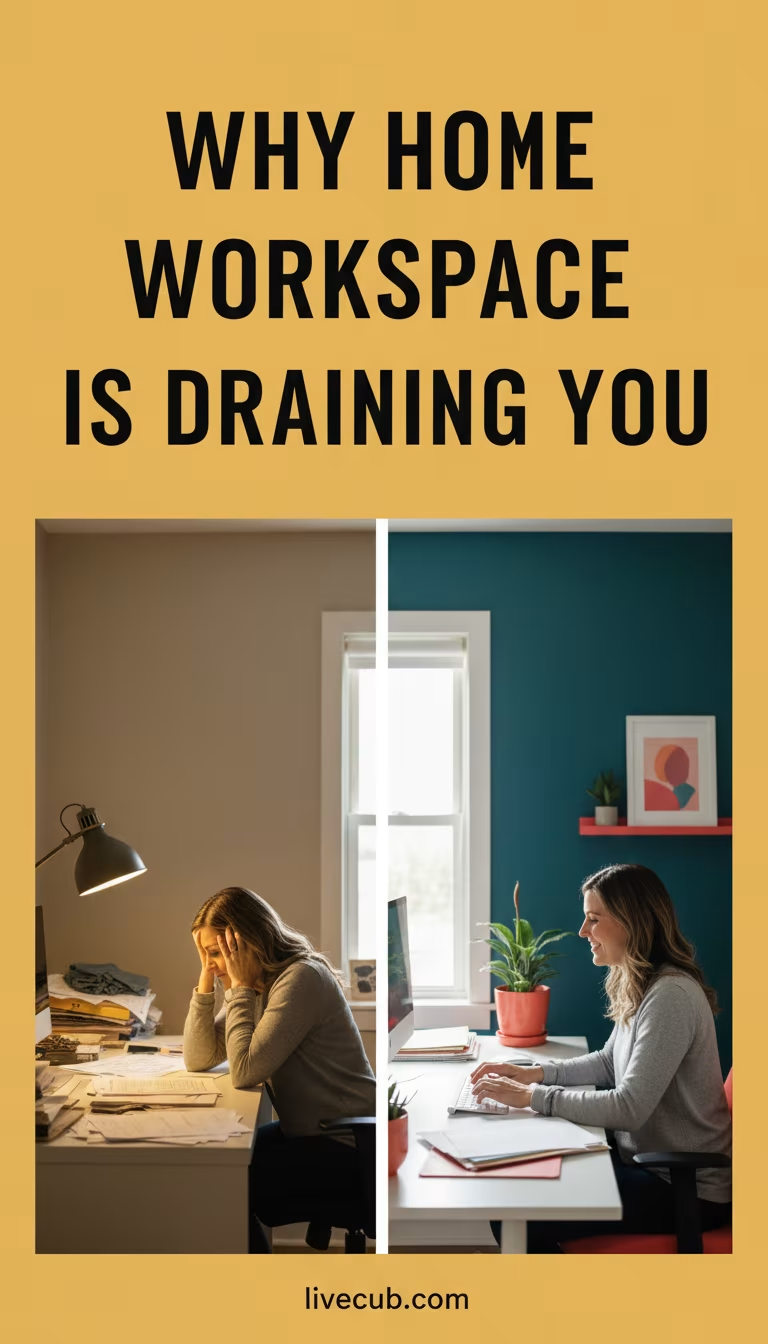
If your workspace feels draining, chaotic, or uninspiring, those feelings don’t just stay at the desk; they bleed into your downtime, affecting your relationships, your sleep, and your happiness. Color psychology isn’t some fluffy trend; it's a powerful tool that, when wielded thoughtfully, can transform a stagnant space into a dynamic hub of productivity, creativity, or calm – whatever you need most to thrive.

We’re talking about optimizing your mental state, boosting your energy, and even reducing stress, all by understanding the silent language of hues. Don't you think that's worth exploring?

The Soothing Power of Blues and Greens

Let's kick things off with the ultimate calm-inducers: blues and greens. In my experience, these are the heavyweights when it comes to creating a serene and focused environment. Think about it – what comes to mind when you picture these colors?

The vast, calming ocean, a clear sky, or a lush, tranquil forest. Our brains are hardwired to associate these natural tones with peace and stability. When you bring these colors into your home workspace, you're essentially tapping into that primal sense of calm.

Blues, especially lighter shades like sky blue or soft teal, are known to promote a sense of calm and clarity. They can help reduce anxiety and promote concentration, which is incredibly valuable when you’re trying to focus on complex tasks or long stretches of work. I've found that a pale blue accent wall can make a room feel expansive and incredibly tranquil, almost like you're breathing easier just by looking at it.

It’s like a quiet anchor for your thoughts.

Greens, on the other hand, bring a sense of balance, harmony, and renewal. They're literally the color of growth and life. A sage green or an earthy olive can make your workspace feel grounded and organic, almost like you’re bringing the outdoors in.

This connection to nature can be incredibly restorative, especially if you spend most of your day indoors. What I love about greens is their versatility; they can be vibrant and energizing, like a fresh lime, or deeply soothing, like a forest moss. For many, a touch of green can reduce eye strain, which is a big deal when you’re staring at a screen for hours.

It’s no wonder so many doctors' offices and hospitals use these hues; they instinctively understand the psychological impact. If your work involves a lot of reading, writing, or analytical thinking, these cool, collected tones are your best friends. They help keep your mind clear and your emotions steady, allowing you to dive deep into your tasks without feeling overwhelmed.

Integrating Blues and Greens for Maximum Impact

  • Paint a Feature Wall: Instead of painting the entire room, which can sometimes feel too cool, pick one wall – ideally the one behind your monitor or the one you face – and paint it a calming shade of blue or green. This provides a constant, subtle visual anchor that supports focus without overwhelming the senses. I tried a light dusty blue behind my desk, and it made a surprising difference in my afternoon slump.
  • Incorporate Natural Elements: This is my personal favorite. Bring in houseplants! A vibrant fiddle-leaf fig or a trailing pothos adds natural green hues that are inherently calming. Pair them with blue ceramic pots or glass vases for a cohesive, soothing aesthetic. It’s not just the color; it’s the living presence that adds to the tranquility.
  • Choose Soft Furnishings: If painting isn’t an option, or you rent, use textiles. Think soft throws, pillows, or even a rug in shades of blue and green. A plush rug in a deep teal under your feet can feel incredibly comforting and add that touch of color without permanent commitment. It also helps dampen sound, adding to the serene vibe.

Energizing Yellows and Oranges for Creativity

Now, if calm isn't what you're after, or you need a burst of sunshine to kickstart your day, let's talk about yellows and oranges. These colors are pure energy and optimism, and they’re fantastic for sparking creativity and promoting a positive, upbeat mood. Think about a bright, sunny day, or the juicy zest of a freshly peeled orange – that’s the kind of vibe these colors bring.

Yellow, in its brighter forms, is often associated with happiness, intellect, and imagination. It’s a fantastic mood lifter and can help stimulate mental activity and encourage clear communication. If your work involves brainstorming, writing, or any kind of innovative thinking, a touch of yellow can be like a secret weapon.

It’s incredibly stimulating, almost like a shot of espresso for your brain.

However, a word of caution here: too much bright yellow can sometimes be overwhelming or even induce anxiety for some, so it’s all about balance. A vibrant accent can be fantastic, but a whole room might feel like staring directly at the sun. Oranges, on the other hand, are a bit warmer and can evoke feelings of enthusiasm, joy, and determination.

They blend the happiness of yellow with the energy of red, creating a powerful psychological punch. An earthy terracotta or a cheerful clementine shade can inspire confidence and sociability, making them great if your job involves a lot of virtual meetings or collaborative work. I've noticed that when I introduce orange accents, I feel more outgoing and willing to tackle challenging projects.

It's like a warm hug that encourages you to step out of your comfort zone. These colors are fantastic for waking up a sleepy space and injecting it with a sense of purpose and zest. If your workspace feels dull or uninspiring, a pop of yellow or orange might be exactly what you need to reignite your spark.

Dynamic Reds and Playful Pinks for Drive

Red. It’s the color of passion, energy, and urgency. When we see red, our hearts literally beat a little faster.

It’s a powerful, attention-grabbing hue that can significantly increase energy levels and stimulate excitement. In a home workspace, a thoughtful application of red can be incredibly motivating, encouraging decisiveness and a sense of action. If your job involves a lot of sales, negotiation, or simply pushing through a massive to-do list, a touch of red could be the psychological nudge you need to stay driven.

It’s a high-octane color, no doubt about it. I’ve found that a small red element, like a pen holder or a piece of abstract art, can actually help me feel more assertive and focused when I need to make big decisions. It’s like having a little cheerleader in your peripheral vision, urging you on.

However, like yellow, red needs to be used sparingly. Too much can lead to feelings of aggression, irritability, or even overstimulation, which is the last thing you want when you’re trying to concentrate for hours. Think accents, not entire walls, unless it's a very muted, deep red.

Now, let’s talk about pink. Often associated with sweetness and femininity, pink actually has a fascinating psychological impact that’s often overlooked in workspace design. Pinks, especially softer, dustier shades, can evoke feelings of calm, comfort, and compassion.

They can be incredibly soothing while still injecting a sense of playfulness and warmth. A muted rose or a blush pink can be a wonderful alternative to harsh neutrals, adding a touch of gentle inspiration and approachability. It’s a color that says, "You got this, but also, be kind to yourself." For those in creative fields that require empathy or emotional intelligence, or anyone who simply wants a softer, more nurturing environment, pink can be surprisingly effective.

It breaks away from traditional "serious" office colors and introduces a sense of lightheartedness that can actually foster out-of-the-box thinking. Imagine a soft pink throw or a delicate piece of art – it instantly changes the mood from purely functional to wonderfully inviting. It’s about creating a space that makes you feel both productive and cared for, which, let’s be honest, we all need a bit more of these days.

Thoughtful Integration of Warm and Playful Tones

  • Strategic Pops of Red: Don't go overboard. Instead, use red for functional items that you want to stand out, like a desk lamp, a filing cabinet, or a clock. This signals importance and energy without overwhelming your visual field. I have a small red timer on my desk, and it really does grab my attention when I'm tracking my focus blocks.
  • Soft Pink Accents: For a more subtle approach, try incorporating blush or rose pinks in soft furnishings like a throw blanket draped over your chair, a decorative pillow, or a ceramic mug. These add warmth and a touch of gentle creativity without being distracting. It’s especially lovely if your primary colors are neutrals or cool tones, offering a beautiful contrast.
  • Art and Accessories: This is where you can really play. Look for artwork that features vibrant yellows, oranges, or reds in manageable doses. A geometric print with these colors can add a modern, energetic feel, while a floral print with hints of pink can soften the space beautifully. It’s an easy way to experiment without permanent changes.

Grounded Neutrals and Sophisticated Purples

Not everyone wants a burst of color, and that’s perfectly fine! Neutrals – think whites, grays, beiges, and browns – are incredibly popular for a reason. They offer a sense of stability, sophistication, and timelessness.

What I love about neutrals is their ability to create a clean, uncluttered backdrop, which can be incredibly helpful for a clear mind. A crisp white space can feel airy and expansive, promoting mental clarity and a sense of fresh beginnings. Gray, in its various shades, can be incredibly grounding and modern, providing a sophisticated backdrop that allows your work to take center stage.

Beige and brown tones bring a warmth and organic feel, connecting us back to nature and providing a cozy, comforting atmosphere. These colors are fantastic if you prefer a minimalist aesthetic or if your work requires intense focus without any visual distractions. They allow you to add color through smaller, changeable accessories, giving you flexibility as your mood or needs shift.

I’ve found that a neutral base really helps me when I’m dealing with highly detailed work; it prevents any visual noise from competing for my attention. Plus, they make everything feel really chic and put-together.

Then we have purple. Oh, purple, the color of royalty, wisdom, and creativity. It’s a fascinating color because it perfectly blends the calming stability of blue with the energetic vibrancy of red.

Lighter purples, like lavender or lilac, can be incredibly soothing and promote a sense of peace and spirituality, almost like a gentle embrace. They can also inspire creativity and imagination without being overly stimulating. Deeper purples, like eggplant or plum, evoke luxury, sophistication, and a sense of depth, often associated with wisdom and introspection.

If your work involves a lot of creative problem-solving, strategic thinking, or even artistic endeavors, a touch of purple can be incredibly inspiring. It helps to tap into a more contemplative, imaginative state. However, it’s a strong color, so a little goes a long way.

Too much deep purple can sometimes feel heavy or melancholic for some, so I always suggest using it as an accent or in softer shades. Imagine a velvety purple cushion on your chair, or a piece of abstract art with deep violet tones – it instantly elevates the space and encourages a more thoughtful approach to your tasks.

It’s a color that truly stands out and makes a statement about intention and imagination.

Common Mistakes to Avoid

While playing with color psychology in your home workspace can be incredibly rewarding, there are a few pitfalls I've seen people stumble into. The biggest one? Overdoing it. It’s easy to get excited about the idea of a vibrant, energetic space and then suddenly find yourself surrounded by so much visual noise that you can’t think straight.

A room painted entirely in a bright, energetic color like electric yellow or fire-engine red can quickly go from inspiring to overwhelming, leading to anxiety, eye strain, or even irritability. Remember, we're aiming for a supportive environment, not a circus tent! Another common mistake is ignoring natural light. The way colors appear can dramatically change depending on the amount and direction of natural light in your room.

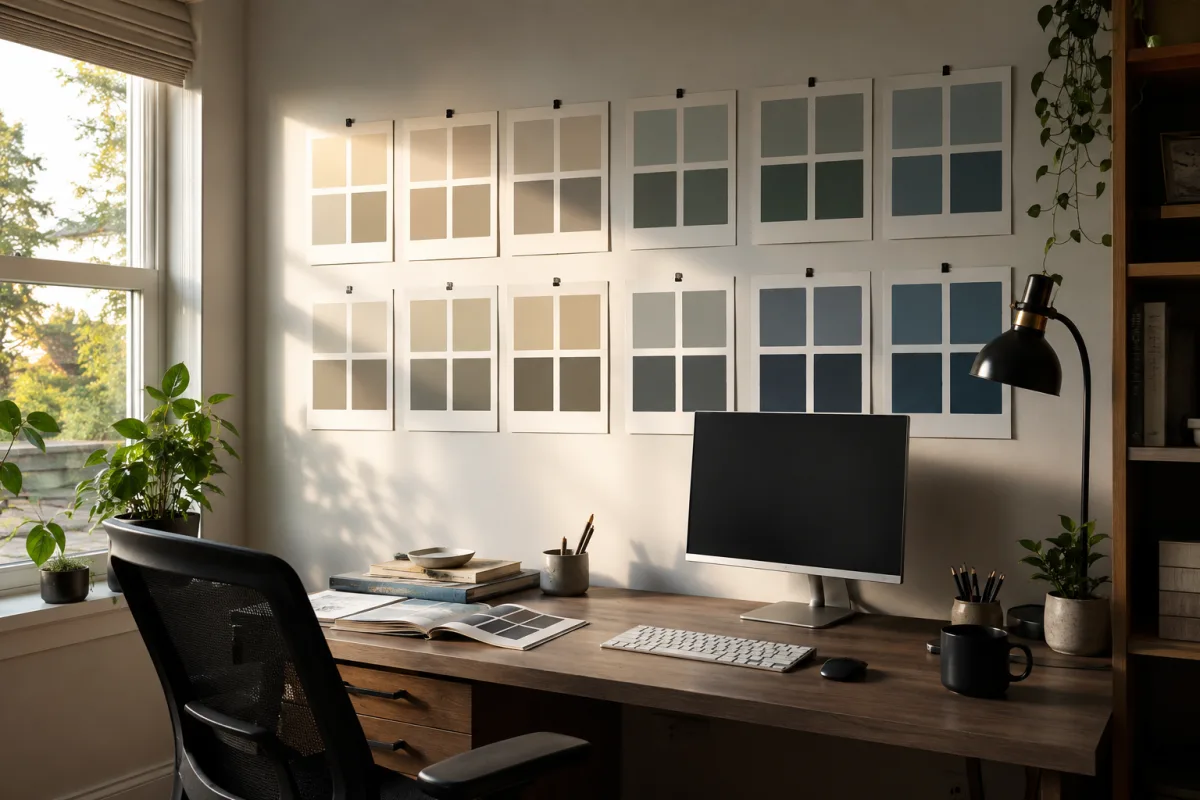
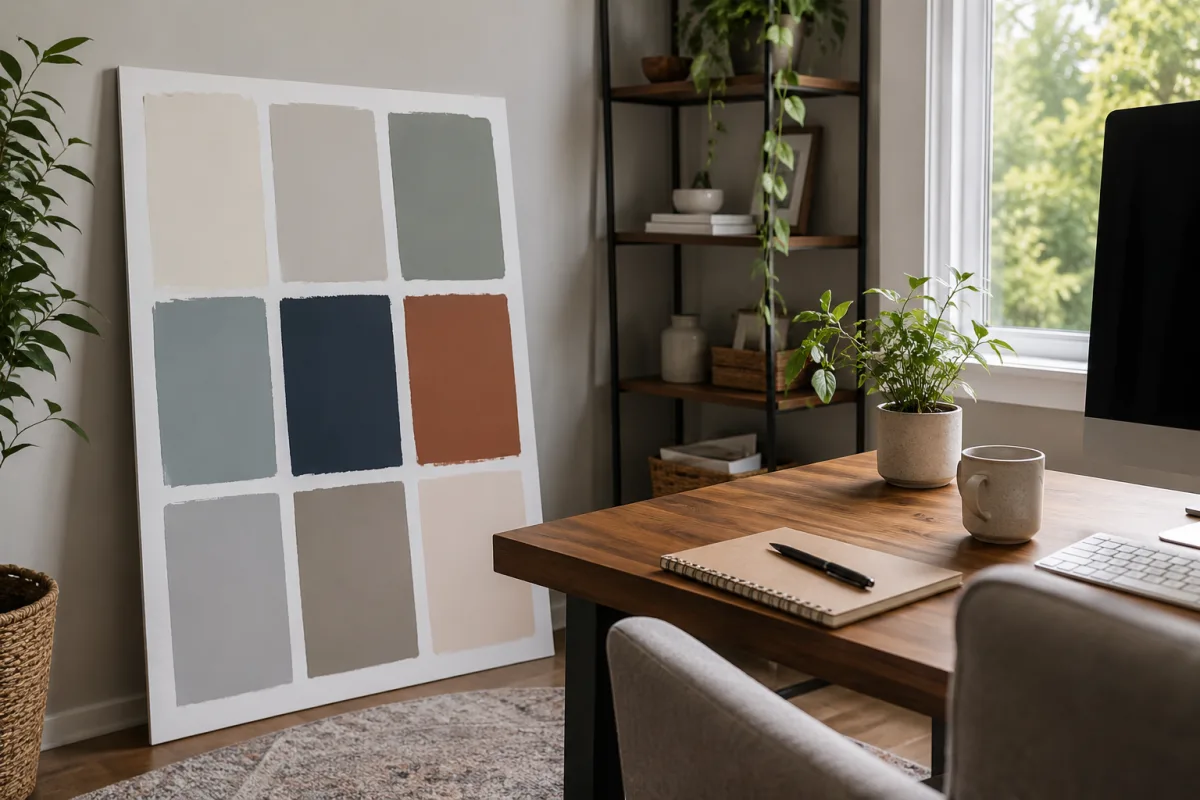
A soft blue that looks serene in a north-facing room might appear dull in a south-facing room with harsh sunlight, and vice-versa. Always test paint swatches on your walls and observe them throughout the day before committing. Don't forget that artificial lighting also plays a huge role; warm-toned bulbs can make cool colors feel cozier, while cool-toned bulbs can make warm colors feel more vibrant.

Finally, and this is a big one for me, is disregarding your personal preference. While color psychology offers general guidelines, we all have unique associations and emotional responses to colors based on our personal experiences and cultural backgrounds. If a certain color is scientifically proven to boost creativity but you personally find it grating or unpleasant, it won't work for you!

Your space should ultimately make *you* feel good. Don't force a color just because an article (even mine!) says it's "good for productivity" if it makes your skin crawl. Trust your gut; it knows what truly resonates with your spirit.

Expert Tips for a Harmonious Workspace

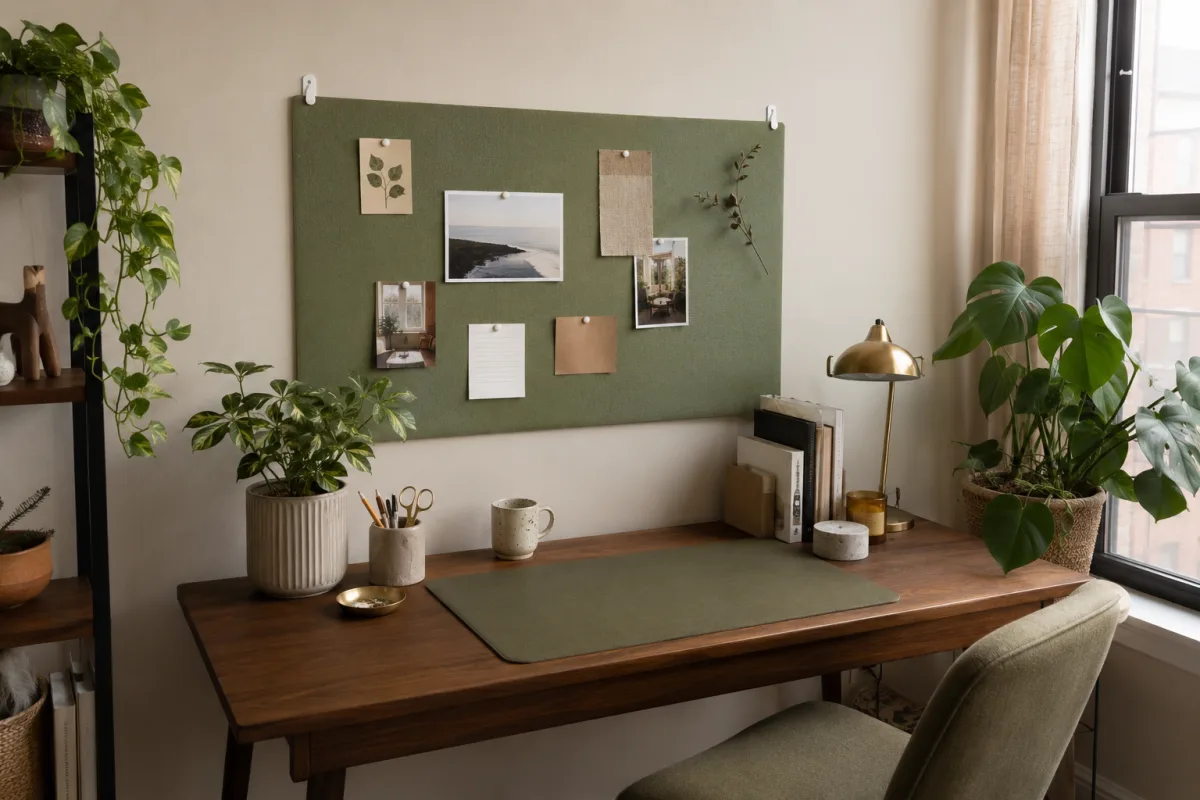
Ready to take your color game up a notch? Here are a few expert tips I've picked up over the years that go beyond the basics. First, consider creating a mood board. Before you even think about buying paint or furniture, gather images, fabric swatches, and color chips that resonate with the mood you want to create.

This visual exercise helps you see how different colors and textures work together, preventing impulsive purchases and ensuring a cohesive final look. It's like a sneak peek into your future workspace! Another powerful tip is to embrace contrast, but subtly. Don't be afraid to pair a calming blue with a small pop of complementary orange, or a grounding gray with a vibrant yellow accessory.

The key is in the proportion – let one color dominate and the other provide a thoughtful accent. This creates visual interest and dynamism without chaos. What I've also found incredibly effective is thinking about "color zones" within your workspace.

Maybe your main desk area is calming blue for focus, but you have a small reading nook or creative corner with a warmer, more stimulating yellow or orange. This allows you to shift your mood and energy simply by moving to a different part of your room, which is a fantastic strategy for larger spaces or open-plan areas.

Lastly, don't underestimate the power of texture. A rich velvet in a deep blue will feel very different from a smooth, matte blue wall. Texture adds another layer to your sensory experience, amplifying the emotional impact of the color. It’s all about creating a rich, multi-dimensional environment that truly supports your best work and happiest self.

Final Thoughts

So, there you have it. The secret language of color is constantly at play in our environments, subtly influencing our moods, our focus, and our overall well-being. Your home workspace isn't just a place where you clock in and out; it's an extension of your professional self, a space that should empower you to do your best work and feel great while doing it.

By understanding how different hues impact your psychology, you're not just decorating; you're actively designing an environment that nurtures your productivity, creativity, and inner peace. Remember, there's no single "right" answer for everyone. It’s a journey of experimentation, listening to your own intuition, and adjusting as your needs evolve.

Start small, perhaps with an accent pillow or a new desk accessory, and observe how it makes you feel. What truly matters is creating a space that inspires you to thrive, a place where you actually *want* to be. Go on, unleash your inner color psychologist – your happy, productive self will thank you for it!

Don't be afraid to play, to explore, and to make your workspace truly your own vibrant sanctuary.

How Color Psychology Affects Your Home Workspace Mood

Save for later

Found this helpful?

Pin this article to your Pinterest board and come back to it whenever you need a reminder.

Save to Pinterest
Written by

Olivia Prete

For the past 5 years, she has been sharing her thoughts and experiences through her blog, covering topics ranging from personal development to pop culture. Olivia's writing is honest, relatable, and always thought-provoking.

More posts
Olivia Prete

Responses (0)

0%