

How to Avoid Heartburn While Pregnant starts with smaller meals, timing, trigger tracking, safer sleep positioning, and knowing when medication questions need your clinician.
Heartburn is common in pregnancy because hormones can slow digestion and relax the valve between the stomach and esophagus. Later pregnancy can add pressure from the growing uterus.
Eat Smaller Meals
Large meals stretch the stomach and make reflux more likely. Try smaller meals and snacks spread through the day rather than three heavy meals.
ACOG's digestive system FAQ says heartburn is common during pregnancy and discusses antacids and medicines that reduce stomach acid: ACOG digestive problems during pregnancy.
Eat slowly and stop before feeling stuffed. A tight stomach plus pregnancy pressure can make symptoms worse.
Avoid Lying Down After Eating
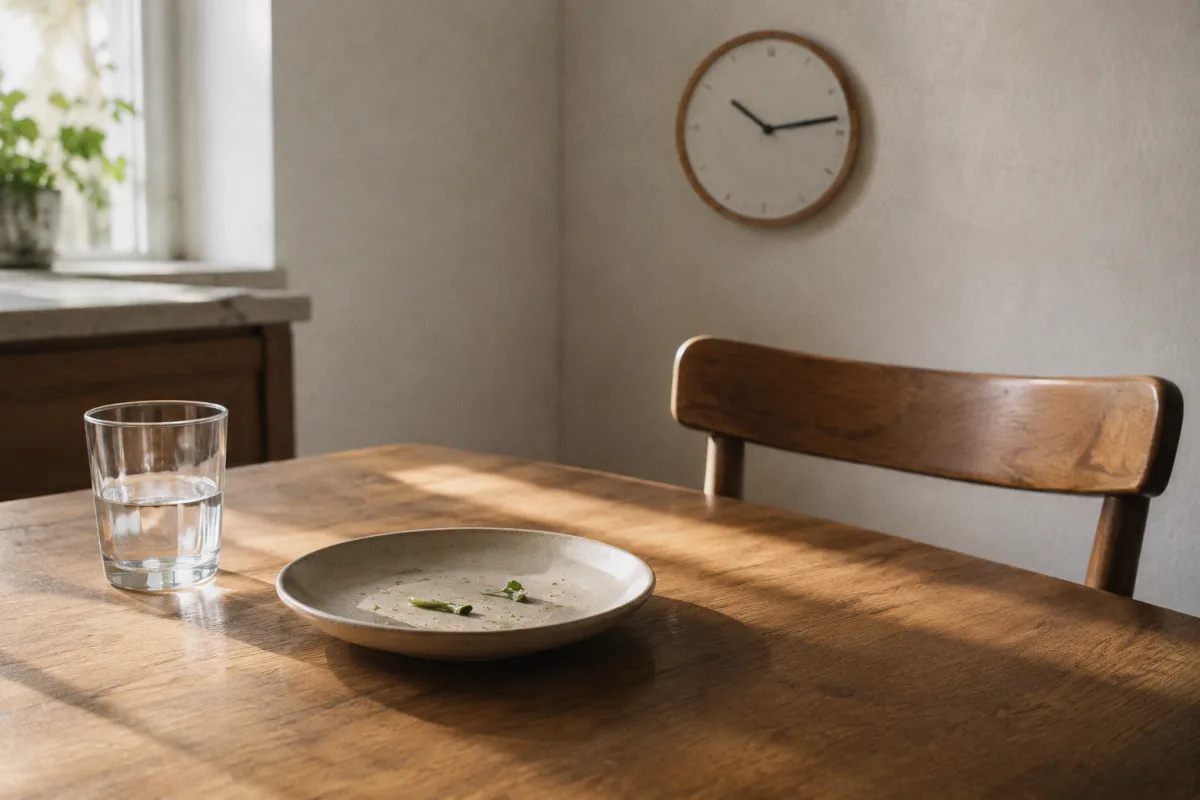
Give food time to move before lying down. Many people do better waiting two to three hours after a larger meal before bed.
If evenings are the worst, shift the heavier meal earlier and keep dinner lighter. Late chocolate, peppermint, fried foods, and acidic foods can bother some people.
If nausea makes small meals difficult, bland pregnancy foods may help you find calmer options.
Track Your Triggers
Common triggers include citrus, tomato, fried foods, spicy foods, chocolate, peppermint, coffee, carbonated drinks, large meals, and eating close to bedtime.
Do not remove everything at once unless symptoms are severe. Track what actually bothers you so the diet does not become unnecessarily narrow.
A small food and symptom log for one week can show patterns faster than guessing.
Raise The Upper Body For Sleep

Stacking pillows under only the head may bend the body and worsen pressure. Raising the upper body from the torso, using a wedge, or adjusting the bed may work better.
Johns Hopkins Medicine notes that diet and lifestyle changes may help and that antacids or medicines such as H2 blockers may be discussed if symptoms continue: Johns Hopkins pregnancy heartburn.
If you wake coughing, choking, or with sour fluid in the throat, tell your clinician. Night reflux can affect sleep and comfort.
Choose Clothes And Posture That Reduce Pressure
Tight waistbands can press on the stomach. Try softer waistbands, maternity leggings that do not squeeze, or looser clothes after meals.
Sit upright while eating and for a while afterward. Bending forward after a meal, especially to pick things up, can trigger reflux.
If body changes are frustrating, feeling attractive during pregnancy may help emotionally, but reflux pain still deserves practical care.
Ask Before Taking Medicine
Many people start with antacids, but ingredients and dosing matter. Some products are not recommended in pregnancy or may interact with iron, thyroid medicine, or other prescriptions.
MyHealth Alberta's pregnancy heartburn page says treatment focuses first on lifestyle changes and may include non-prescription antacids, while advising people to talk with a doctor or midwife before using medicines: MyHealth Alberta pregnancy heartburn.
Bring the bottle or active ingredient list to your appointment. Brand names change, but ingredients guide safety.
When Heartburn Is Not Just Heartburn
Call promptly for chest pain with shortness of breath, sweating, fainting, pain spreading to arm or jaw, vomiting blood, black stools, severe abdominal pain, or symptoms that feel different from typical reflux.
Also call if you cannot keep fluids down, lose weight unintentionally, or need medicine every day without relief.
Pregnancy can make ordinary discomfort common, but common does not mean every symptom should be ignored.
Build A Daily Routine
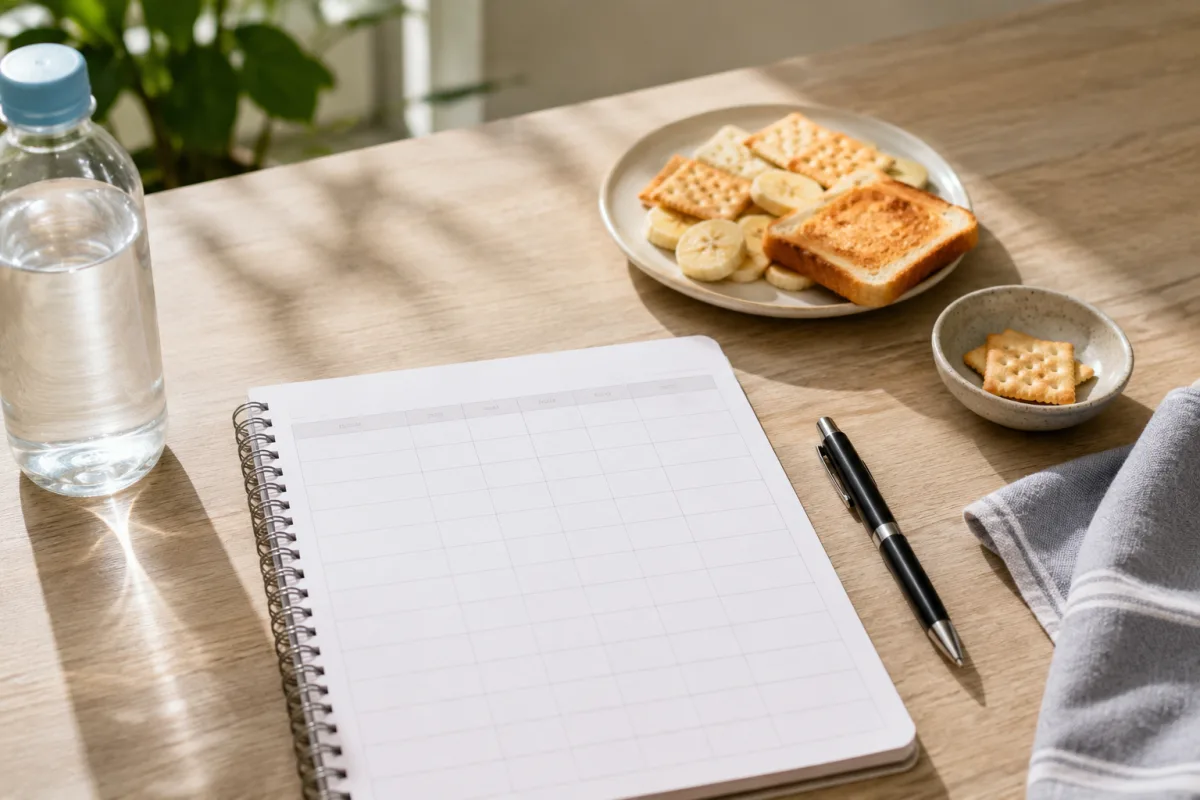
Start with breakfast that is gentle, keep water nearby, choose smaller meals, stop eating close to bedtime, raise the upper body at night, and track trigger foods.
If heartburn is hurting sleep and mood, depression during pregnancy may be relevant alongside medical care.
If intimacy or cuddling is uncomfortable after meals, staying intimate during pregnancy can help you talk about timing and comfort without blame.
Work And Travel Tips
Pack safe snacks so you are not forced into a large greasy meal when you get too hungry. Crackers, yogurt made with pasteurized milk, bananas, or simple sandwiches can help if tolerated.
Keep antacids or clinician-approved medicine where you can access them, but do not exceed the recommended dose.
On long car rides, sit upright, take breaks, and avoid eating a heavy meal right before leaving.
Breakfast And Morning Reflux
Some people wake up already burning because the stomach was irritated overnight. Start with a small, gentle breakfast rather than coffee on an empty stomach.
Oatmeal, toast, yogurt made with pasteurized milk, banana, or a simple egg dish may work better than citrus, fried foods, or spicy leftovers first thing.
If prenatal vitamins worsen reflux, ask about taking them with food, changing timing, or switching formulation. Do not stop them without advice.
Hydration Without Overfilling
Drinking enough matters, but chugging a large amount with meals can make reflux worse for some people. Sip fluids between meals if that feels better.
Carbonated drinks can trigger burping and burning. If they bother you, switch to still water, warm drinks without caffeine, or another clinician-approved option.
If vomiting or reflux makes hydration hard, call your care team. Dehydration can become a separate problem.
Medication Conversation Checklist
Before asking about medicine, write down frequency, time of day, triggers, what you tried, and any red-flag symptoms. That helps the clinician choose a safer next step.
Ask about calcium-containing antacids, magnesium or aluminum ingredients, sodium bicarbonate concerns, H2 blockers, proton pump inhibitors, and timing with iron or thyroid medicine.
Do not mix multiple products because one dose did not work fast enough. Ingredients can overlap, and pregnancy dosing should be clear.
Posture During The Day
Long periods slumped at a desk can compress the stomach. Sit upright after meals and take short walks if your clinician has cleared movement.
If you need to pick something up, bend at the knees instead of folding at the waist right after eating.
Small posture changes will not fix every case, but they can reduce pressure while other steps work.
Common Food Swaps
Try oatmeal instead of greasy breakfast sandwiches, baked potatoes instead of fries, mild soups instead of spicy tomato dishes, and water instead of carbonated drinks if bubbles trigger symptoms.
If tomato sauce is a trigger, use olive oil, mild pesto made with safe ingredients, or broth-based sauces when tolerated.
If chocolate triggers burning, save it for earlier in the day or choose a different sweet food that does not cause symptoms.
Heartburn And Constipation Together
Some people reduce food too much because of heartburn, then constipation worsens. That can create more pressure and discomfort.
Keep gentle fiber, fluids, and movement in the plan if your clinician has not limited activity. Small, regular meals usually work better than long fasting followed by a large meal.
Ask for help if you are choosing between reflux pain and not eating enough. There are usually more options than just enduring it.
Preparing For The Third Trimester
Heartburn often increases as pregnancy progresses. Build habits early: smaller meals, lighter dinners, sleep setup, symptom notes, and medicine questions ready for appointments.
Keep safe snacks and water near the bed if morning nausea and nighttime reflux overlap.
If symptoms suddenly change or feel severe, do not wait for the next routine visit.
A One-Week Reset
For one week, keep dinner smaller, stop eating close to bedtime, avoid your most likely triggers, and set up the bed before symptoms start.
Track what happens each night. If symptoms improve, reintroduce one food at a time rather than returning to every trigger at once.
If symptoms do not improve, bring the log to your clinician. A short, specific record can lead to better advice than saying it happens all the time.
Frequently Asked Questions
What foods trigger pregnancy heartburn?
Common triggers include fried foods, spicy foods, citrus, tomato, chocolate, peppermint, caffeine, and large meals.
Can I take antacids while pregnant?
Often, but ask your clinician or pharmacist about ingredients and dosing first.
Why is heartburn worse at night?
Lying down makes it easier for stomach acid to move upward, especially after a late meal.
Does heartburn mean the baby has hair?
That is a popular saying, but symptom care should focus on reflux triggers and medical guidance.
When should I call the doctor?
Call for severe, unusual, persistent, or chest-pain symptoms, or if you cannot keep fluids down.
This article is for general information only and isn't a substitute for medical advice. Talk to a clinician who knows your full history before making changes.

Linda Fehrman
Edits general wellness and relationship explainers. Health material is educational, avoids diagnosis and links to health-authority guidance.


Leave a reply
Replying to