How to Build a Self-Care Routine That Doesn't Cost Money
Ever feel like self-care is just another luxury item on an already overwhelming to-do list? Like you need a fancy spa day, expensive essential oils, or a meditation retreat to truly feel centered? I've been there, friends.
I used to scroll through Instagram, seeing all these gorgeous people enjoying their seemingly effortless self-care rituals, and think, "Ugh, another thing I can't afford or make time for." But what if I told you that the most potent, most impactful self-care doesn't require a single cent? It's true! We're talking about cultivating habits that nourish your soul, mind, and body using only what you already have: yourself, your environment, and a little intentionality.
Ready to ditch the guilt and embrace free wellness? Let's get into it.
Why This Matters
Here's the thing about self-care: it's not a treat; it's a necessity. Think of it like charging your phone. You wouldn't expect your phone to run all day, every day, without plugging it in, would you?
Your body and mind are no different. In our fast-paced, always-on world, we're constantly draining our batteries. We're juggling work, relationships, errands, social media, and just the general hum of daily life.
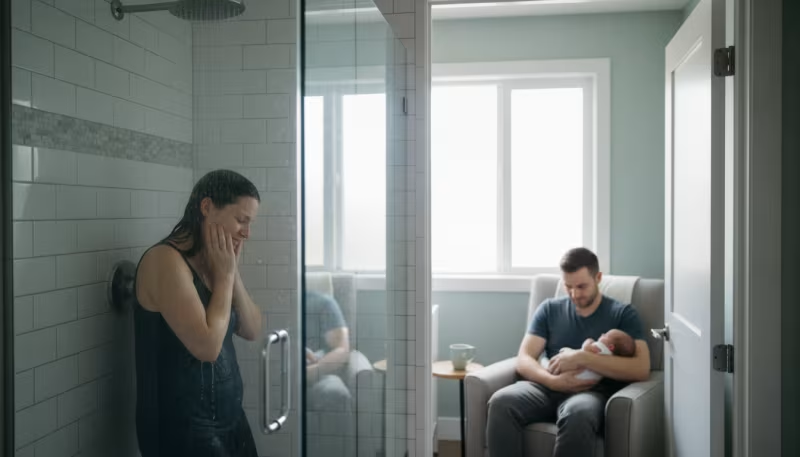
Without intentional moments to recharge, burnout isn't just a possibility; it's a guarantee. And when we're burnt out, we're not just miserable, we're less effective at everything we do. Our patience wears thin, our creativity dries up, and our health can take a hit.
I've learned this the hard way, pushing myself until I felt completely depleted, only to realize that a little proactive care could have saved me a lot of pain. Building a routine of free self-care helps you build resilience, manage stress, improve your mood, and even boost your immune system. It teaches you to prioritize yourself without feeling guilty about spending money you might not have, or adding another item to your budget.
It empowers you to take control of your well-being, proving that true peace comes from within, not from your wallet.
Embrace Mindful Moments
Let's kick things off with something that's always available to you, no matter where you are or what's going on: your breath and your presence. In my experience, slowing down and simply *being* is one of the most powerful forms of self-care out there. We live so much of our lives on autopilot, rushing from one task to the next, our minds already three steps ahead.
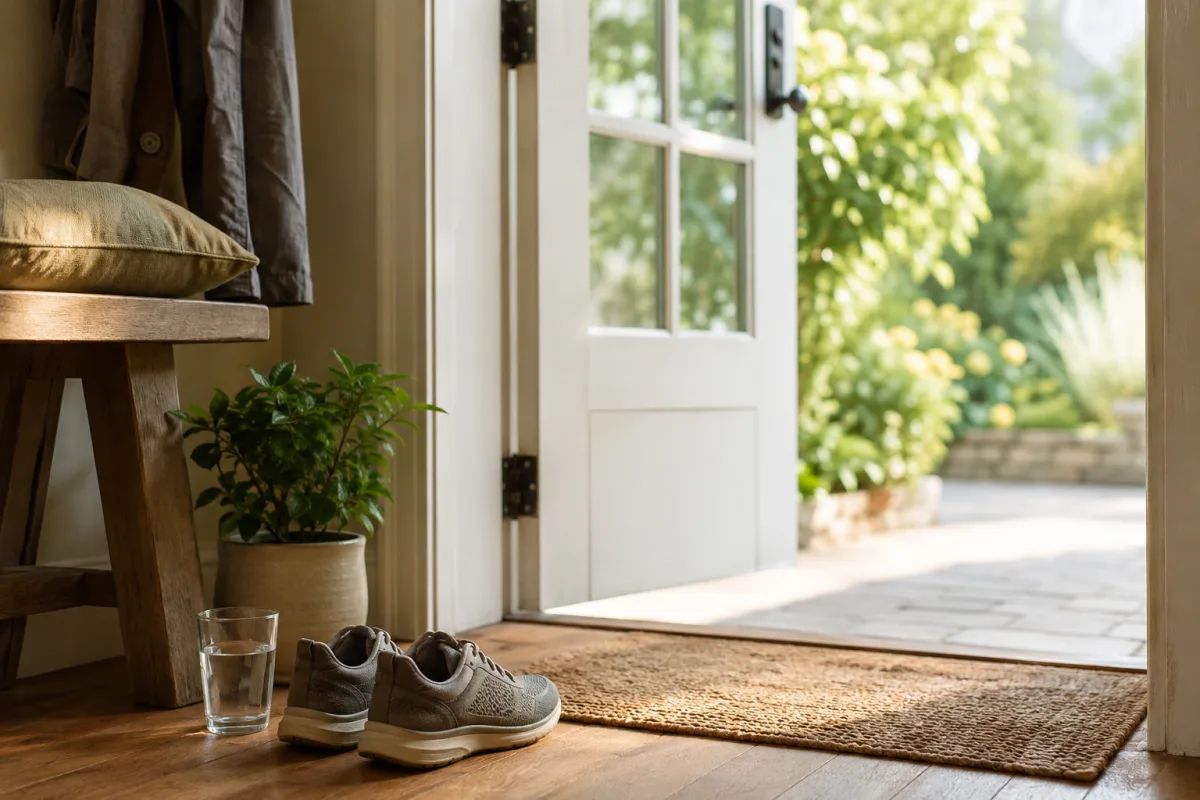
This constant mental chatter, while sometimes useful, can be incredibly draining. Learning to anchor yourself in the present moment can reduce anxiety, improve focus, and bring a sense of calm that money simply can't buy. It's about consciously choosing to engage with what's happening right now, whether that's the warmth of your morning coffee, the sound of birds outside your window, or the feeling of your feet on the ground.
It sounds simple, almost too simple, but the profound impact it has on your mental state is truly remarkable. I've found that even just five minutes of intentional presence can totally shift my day, especially when I feel overwhelmed. It's like hitting the reset button on your brain, allowing you to approach challenges with a clearer, more open mind.
You don't need a meditation cushion or an app; you just need to be willing to pay attention.
Simple Ways to Practice Presence
- The Five Senses Check-in: Take a moment to consciously notice five things you can see, four things you can hear, three things you can feel (like your clothes on your skin or the chair beneath you), two things you can smell, and one thing you can taste (even if it's just the residual taste in your mouth). This pulls you out of your head and into your immediate environment.
- Mindful Breathing Break: Throughout your day, pause for a minute or two and just focus on your breath. Notice the sensation of air entering and leaving your body. Don't try to change it, just observe. If your mind wanders (and it will!), gently bring your attention back to your breath. It's a quick, accessible reset button.
- Conscious Consumption: Whether you're eating a meal, drinking water, or even walking to your car, try doing it mindfully. Pay attention to the textures, tastes, sounds, and sensations. Really savor that bite of food, feel the sun on your face, or notice the rhythm of your steps. It transforms mundane tasks into small acts of self-care.
Nourish Your Body, The Free Way
When we talk about self-care, our physical bodies often get overlooked, or we associate "body care" with expensive gym memberships, organic groceries, or fancy skincare. But taking care of your physical self, without spending a dime, is incredibly empowering and foundational to your overall well-being.
Your body is your temple, right? And you don't need to buy new decorations for a temple that's already magnificent! We're talking about movement, rest, and connection with nature – all things that are freely available to most of us.
Think about how much better you feel after a good night's sleep, or a brisk walk outside. Those aren't luxuries; they're essential biological needs. I used to think I needed to push myself hard at the gym to feel like I was "working out," but I've since learned that gentle, consistent movement can be just as, if not more, beneficial.
It's not about achieving a certain look or fitness level; it's about honoring your body, reducing tension, boosting your mood, and supporting your health. These free physical self-care practices help release endorphins, improve circulation, and give you a much-needed mental break. Plus, they often come with the added benefit of fresh air and sunshine, which are their own forms of medicine!
Free Physical Wellness Boosters
- Walk It Out: Step outside and go for a walk. It doesn't have to be a power hike; even a gentle stroll around your neighborhood can work wonders. Pay attention to the sights, sounds, and smells. It clears your head, gets your blood flowing, and connects you to your environment. After a particularly stressful day, I often find that a 20-minute walk is better than any amount of aimless scrolling.
- Stretch and Move: Incorporate simple stretches into your day. You can find tons of free yoga or stretching routines on YouTube that don't require any equipment. Spend 10-15 minutes loosening up your muscles, improving your flexibility, and releasing any built-up tension. It feels amazing and helps reduce stiffness from sitting too long.
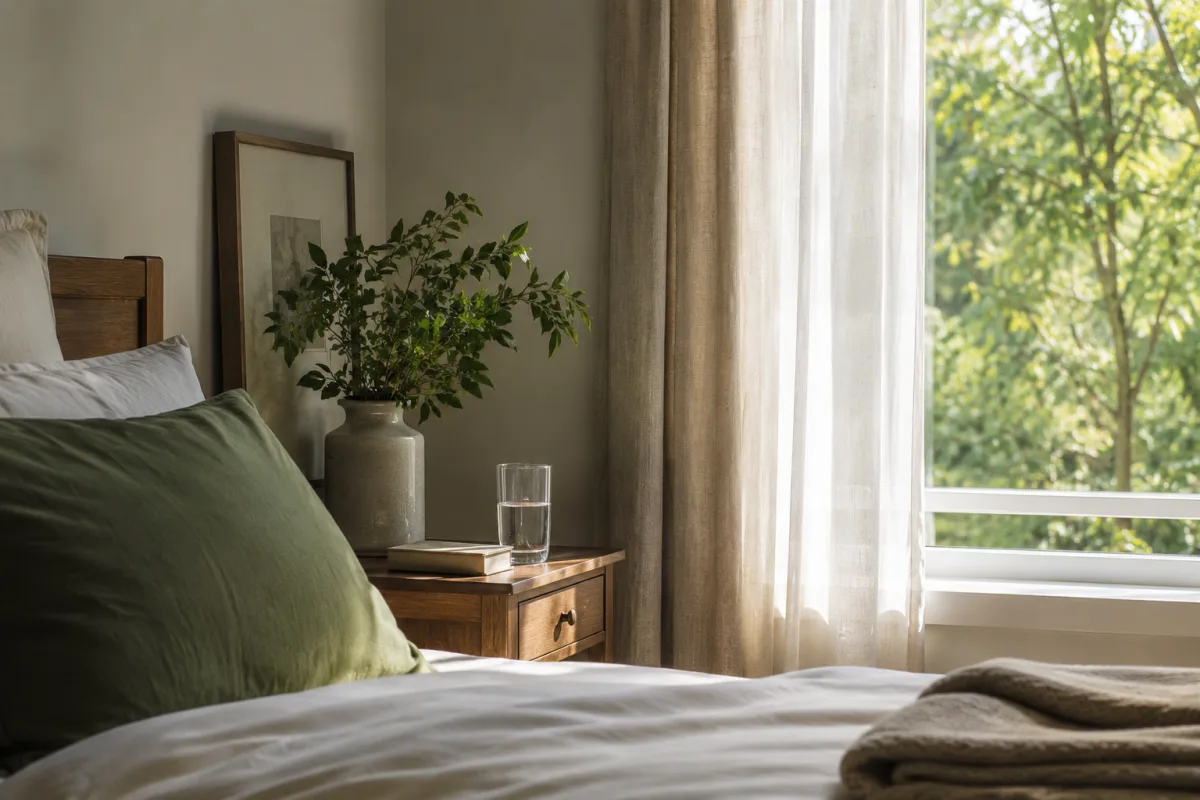
- Prioritize Sleep Hygiene: Establish a consistent sleep schedule, even on weekends. Create a relaxing bedtime routine that includes turning off screens at least an hour before bed, dimming the lights, and perhaps reading a book. Make your bedroom a sanctuary – dark, quiet, and cool. Quality sleep is a non-negotiable aspect of free self-care.
Cultivate Connection & Creativity
Humans are inherently social creatures, and we also thrive on expressing ourselves. Feeling connected to others and having outlets for our creativity are not just "nice-to-haves"; they're fundamental components of a fulfilling life and powerful forms of self-care. You might think connecting means going out, or creativity means buying art supplies.
Nope! Some of the deepest connections and most profound creative experiences happen without a price tag. Think about sharing a laugh with a friend, writing a letter, or simply doodling in a notebook.
These acts nourish different parts of our psyche. When I'm feeling isolated, simply picking up the phone to call a friend or family member, just to chat and not ask for anything, instantly lifts my spirits. It reminds me I'm not alone, and that I have people who care.
Similarly, engaging in a creative pursuit, even if you don't consider yourself an "artist," taps into a different part of your brain, allowing you to express emotions, problem-solve in new ways, and simply get lost in the flow of creation. It's incredibly therapeutic and helps quiet the analytical, often critical, voice in our heads.
Don't underestimate the power of these simple, human connections and creative outlets to replenish your soul.
Free Ways to Connect and Create
- Reach Out (The Old-Fashioned Way): Instead of just sending a text, call a friend or family member you haven't spoken to in a while. Ask them about their day, really listen, and share a bit about yours. Or, if you're feeling extra bold, write a handwritten letter to someone. It’s a lost art and a beautiful way to foster deeper connections.
- Doodle, Sketch, or Write: You don't need expensive supplies. Grab a pen and any piece of paper you have lying around. Doodle absentmindedly while on the phone, sketch what you see out the window, or just free-write whatever comes to mind in a spare notebook. It's not about making a masterpiece; it's about the process of creation and self-expression.
- Engage in Active Listening: When you're with someone, truly listen to them without interrupting or formulating your response. Put away your phone, make eye contact, and be fully present. This deepens your connection with others and makes conversations more meaningful and satisfying for everyone involved.
Declutter Your Digital & Physical Space
Our environments, both digital and physical, have a profound impact on our mental state. A cluttered desk often means a cluttered mind, and a constantly buzzing phone can lead to constant stress. Taking the time to declutter these spaces doesn't cost money, but it pays dividends in peace of mind.
Think about it: every time you walk into a messy room, or open your phone to a sea of notifications, there's a tiny little whisper of stress or obligation. Over time, those whispers become a roar. I used to be terrible at this, convincing myself I thrived in "organized chaos." Turns out, I just thrived in chaos.
Once I started mindfully decluttering my workspace and my digital life, I noticed an immediate boost in my ability to focus and a significant reduction in my overall anxiety. It's like sweeping away the dust bunnies of your mental landscape. This type of self-care isn't about perfectly minimalist aesthetics; it's about creating a sense of order and calm that supports your well-being.
It gives you a feeling of control, even when other aspects of life feel chaotic. Plus, it can be surprisingly meditative and satisfying to clean up a space you use every day.
Free Ways to Declutter for Peace
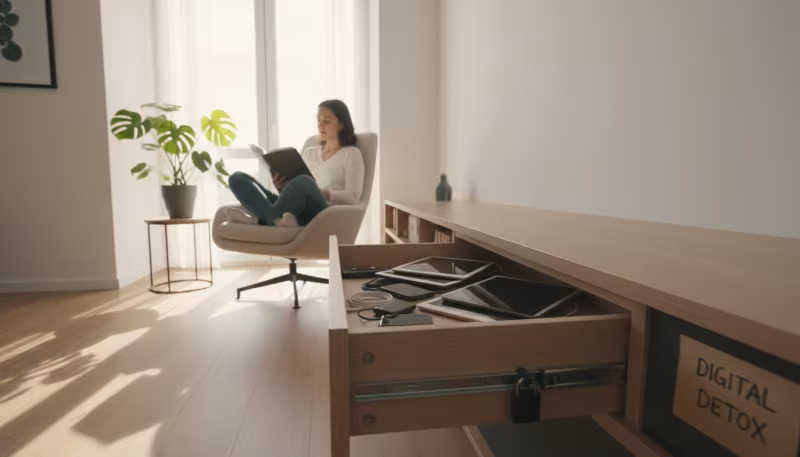
- Digital Detox Moments: Set specific times each day or week when you put your phone away, turn off notifications, and step away from screens. Even an hour can make a huge difference. Use this time for other free self-care activities like reading, walking, or connecting with loved ones without distraction.
- One Area, One Day: Don't try to declutter your whole house at once. Pick one small area – a drawer, a shelf, your bedside table – and spend 15-20 minutes tidying it up. Get rid of things you don't need, organize what's left, and wipe it clean. The satisfaction of seeing one small, neat space can be incredibly motivating.
- Unfollow & Unsubscribe: Go through your social media feeds and email subscriptions. Unfollow accounts that make you feel bad, stressed, or inadequate. Unsubscribe from newsletters you never read. Curate your digital environment to be inspiring and uplifting, not overwhelming. It's a simple act of protecting your mental peace.
Tap Into Your Inner Wisdom
Self-care isn't just about managing stress; it's also about fostering personal growth and understanding yourself better. And guess what? This profound journey doesn't require a life coach or expensive workshops.
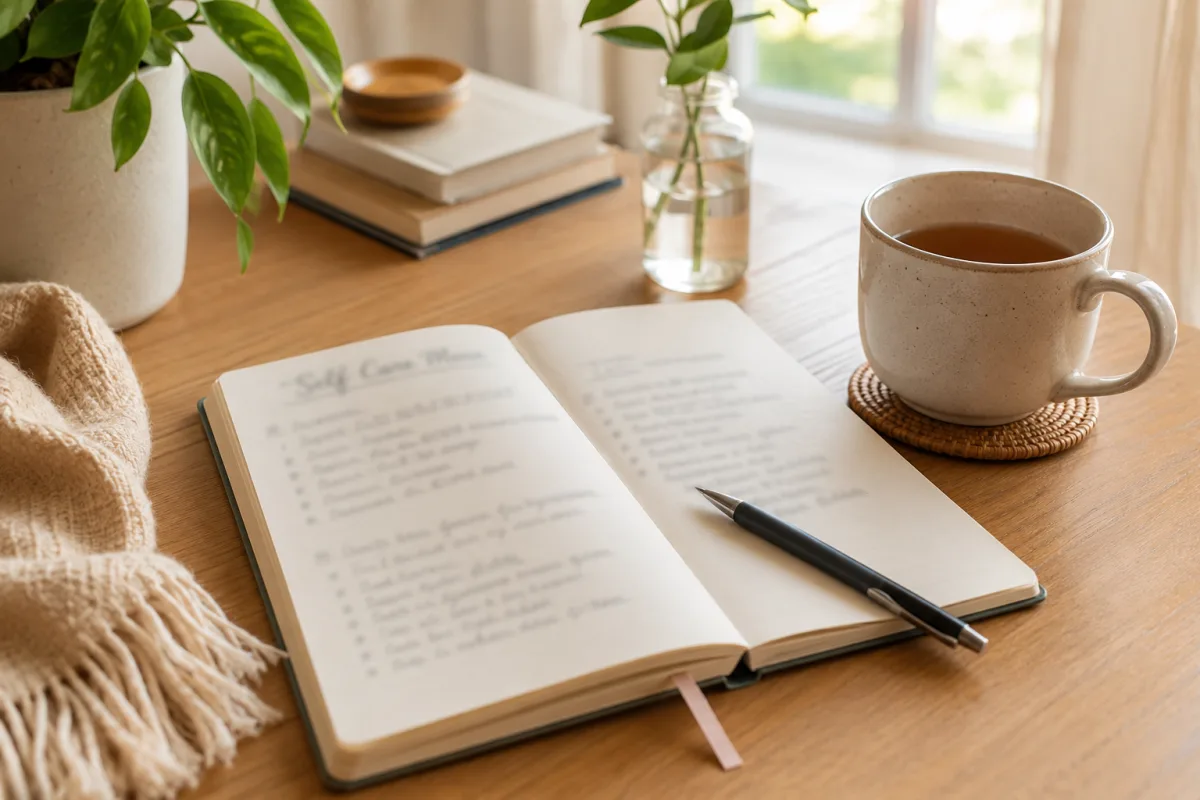
It simply requires a little introspection and a willingness to listen to your inner voice. Journaling, reflection, and setting intentions are incredibly powerful, free tools for this. When I first started journaling, I thought it was just for teenagers with diaries, but I quickly realized it was a vital space for me to process my thoughts, untangle complex emotions, and even celebrate small victories.
It’s like having a private, non-judgmental confidante where you can be completely honest. Taking time to reflect on your day, your feelings, or your experiences helps you learn from them, gain perspective, and recognize patterns in your life. It allows you to check in with your values and ensure your actions are aligned with them.
This kind of self-discovery isn't just beneficial for your mental health; it's fundamental to living an authentic and meaningful life. It reminds you that you have all the wisdom you need inside you, just waiting to be accessed.
Free Practices for Inner Growth
- Morning Pages (or Evening Reflections): Take 10-15 minutes each morning (or evening) to write stream-of-consciousness in a notebook. Don't edit, don't censor, just write whatever comes to mind – your worries, your dreams, your to-do list, your random thoughts. It's a powerful way to clear your head and gain clarity.
- Gratitude Practice: Every day, take a few minutes to think about (or write down) 3-5 things you're genuinely grateful for. They don't have to be big things; it could be the sun shining, a warm cup of tea, or a kind word from a stranger. Regularly focusing on gratitude shifts your perspective and boosts your mood.
- Mindful Self-Compassion: When you notice yourself being self-critical or feeling down, pause and ask yourself, "What would I say to a dear friend in this situation?" Then, offer yourself that same kindness and understanding. It costs nothing to be gentle with yourself, and it's a vital antidote to self-judgment.
Common Mistakes to Avoid
Even with the best intentions, it's easy to stumble when you're trying to build a new routine, especially one centered around something as personal as self-care. One of the biggest pitfalls I see people fall into is overcomplicating it. We think self-care has to be elaborate or time-consuming, and then we get overwhelmed and give up before we even start.
Remember, the goal here is *free* and *accessible*. Another common mistake is comparing yourself to others. Your self-care journey is uniquely yours.
What works for your friend might not work for you, and that's totally okay! Don't look at someone else's seemingly perfect routine and feel inadequate. Also, watch out for all-or-nothing thinking.
It's not about doing everything perfectly every single day. If you miss a day, or even a week, don't throw in the towel. Just gently get back on track.
Self-care isn't a race; it's a marathon with lots of pit stops. Lastly, avoid seeing self-care as another item on your to-do list that you *have* to check off. It should feel nourishing, not like a chore.
If something feels like a burden, it's probably not truly serving you. The whole point is to reduce stress, not create more of it.
Expert Tips
Ready to take your free self-care routine up a notch? Here are a few "expert" (and by expert, I mean someone who's made all the mistakes and learned a few things) tips that can make a huge difference. First, start small and build momentum.
Don't try to implement five new practices at once. Pick one thing – like 5 minutes of mindful breathing – and consistently do that for a week. Once it feels natural, add another.
This gradual approach makes it sustainable. Second, schedule it in. If it's not in your calendar, it often doesn't happen.
Treat your self-care time like an important appointment you can't miss. Even 15-30 minutes dedicated to a free self-care practice can be transformative. Third, be curious and experiment.
What truly recharges you? Is it solitude, nature, movement, creativity? Try different things and pay attention to how they make you feel.
Your routine should be dynamic and evolve with you. Finally, involve your senses intentionally. While we're talking free, you can still heighten the experience.
Listen to the free nature sounds around you, look at the sky, feel the texture of a blanket, or enjoy the smell of fresh air. Engaging your senses deeply enhances the present moment and grounds you, all without costing a penny.
Final Thoughts
You know, building a self-care routine that costs absolutely nothing isn't just about saving money; it's about reclaiming your power. It's a radical act of self-love in a world that often tells us we need to buy things to be happy or healthy. By tapping into the resources that are already abundant around and within you, you're building resilience, fostering inner peace, and proving to yourself that you are worthy of care, simply because you exist.
So, let's toss out the idea that self-care is an expensive indulgence. It's a fundamental human right, and it's available to you, right now, for free. Which one of these practices are you going to try first?
I'm excited for you to discover the profound impact these simple, no-cost habits can have on your life. Your well-being is an investment, and the best kind doesn't require cash, just a little bit of your time and intention. Go on, give yourself the gift of free self-care; you absolutely deserve it.
Save for later
Found this helpful?
Pin this article to your Pinterest board and come back to it whenever you need a reminder.
Save to Pinterest