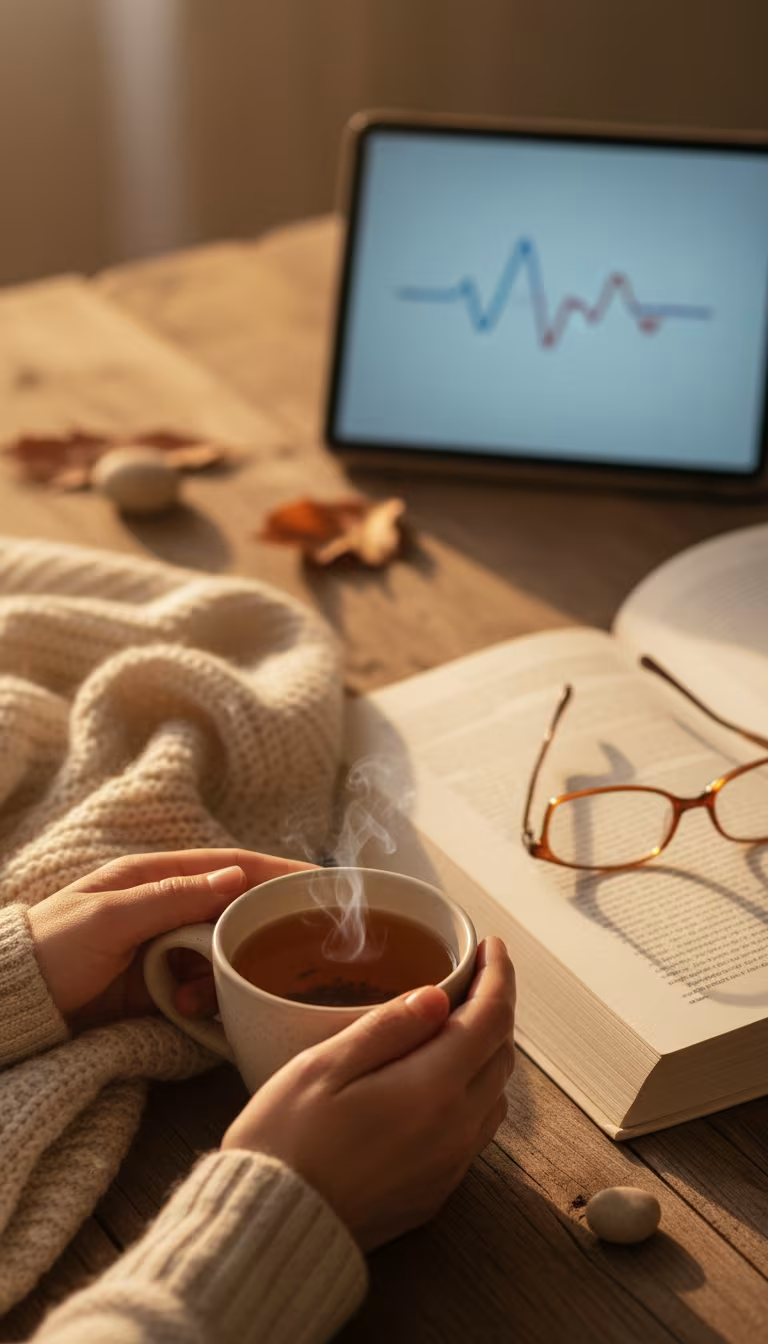
How to Cope with Election Anxiety in a Constant News Cycle
You know that knot in your stomach? That constant hum of worry that seems to intensify every time you glance at your phone or flip past a news channel? If you’re feeling a surge of anxiety around election season, especially with the non-stop news cycle we live in, trust me, you are absolutely not alone. It’s like our brains are constantly on high alert, scanning for threats, and the political landscape often feels like a minefield.
It’s not just about what's being said, it's the sheer volume, the urgency, and the often-polarizing nature of it all. We’re bombarded with headlines, social media posts, and breaking news alerts that can quickly send us spiraling. So, how do we navigate this intense period without completely losing our peace of mind? Let's talk about it.
Why This Matters
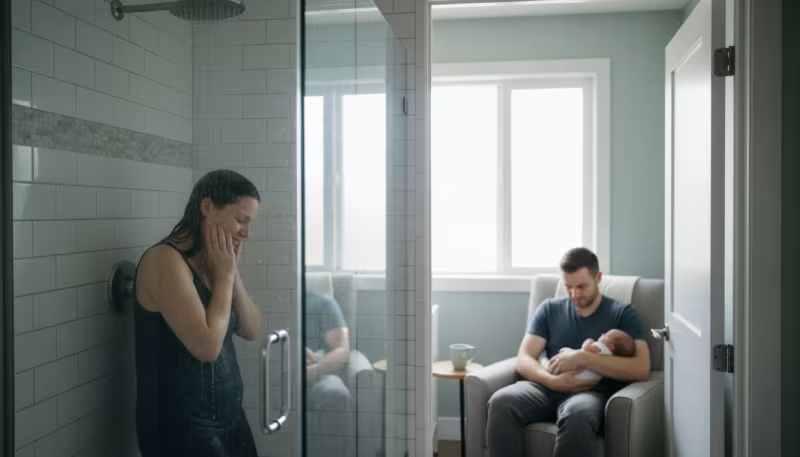
Here’s the thing: while civic engagement is incredibly important, letting constant political stress hijack your entire well-being isn't productive for anyone. This isn't just about feeling "a little stressed out." Chronic election anxiety can manifest in real physical symptoms like headaches, sleeplessness, digestive issues, and even a weakened immune system. Mentally, it can lead to irritability, difficulty concentrating, and a pervasive sense of dread.
I’ve seen it firsthand in myself and my friends; people become more withdrawn, less patient, and sometimes even lose sight of the common ground they share with others. It impacts our relationships, our work, and our ability to find joy in everyday life. When we're constantly stressed about things outside our immediate control, we deplete our internal resources, making it harder to show up as our best selves for the people and causes we care about most.
Ignoring these feelings isn't a solution; acknowledging them is the first step. We need practical strategies to protect our mental and emotional health, not just until election day, but for the long haul. Because, let’s be honest, the news cycle never truly stops, does it? Learning to cope now will serve you well in so many other areas of your life.
Establishing Your Information Boundaries: Your Mental Health Firewall
One of the biggest culprits of election anxiety is the sheer volume of information we consume. It's like trying to drink from a firehose! In my experience, the first and most crucial step is to build a robust "mental health firewall" – a set of intentional boundaries around how and when you engage with news and political content. This isn't about burying your head in the sand; it's about thoughtful consumption.
It’s about taking back control from algorithms designed to keep you hooked and emotionally charged. Think about it: every notification, every breaking news banner, every "hot take" on social media is vying for your attention, often with exaggerated language meant to provoke a reaction. We have to be smarter than the algorithms.
This section is all about creating structure and intention around your news intake, turning passive absorption into active, discerning engagement. You wouldn't let just anyone into your house without an invitation, so why let every piece of news invade your mental space unfiltered?
Curate Your News Sources Wisely
Not all news sources are created equal. Focus on reputable, fact-checked outlets that prioritize journalism over sensationalism. Consider diversifying to get different perspectives, but always verify their credibility. I like to stick to a few trusted sources that I know aren’t just trying to rile me up.
Set Specific "news Times"
Decide when you'll check the news and stick to it. Maybe it’s 15 minutes in the morning and 15 minutes in the evening. Avoid checking first thing when you wake up or right before bed. These are prime times for anxiety to take root and disrupt your day or sleep.
Digital Detoxes and Muting
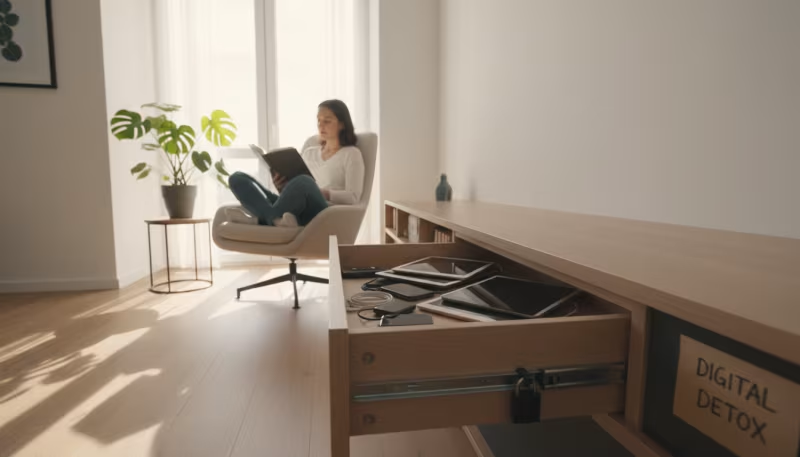
Don't be afraid to take a complete break. Whether it's an hour, a half-day, or an entire weekend, step away from all screens. On social media, utilize the "mute" or "unfollow" features liberally. You don't owe anyone your attention, especially if their content is consistently triggering your anxiety.
Mindful Social Media Scrolling
Before you open any social media app, ask yourself: "What is my intention here?" Is it to connect with friends, learn something new, or mindlessly doomscroll? If it's the latter, close the app. Be intentional about your digital consumption, not just reactive.
Grounding Yourself: Anchor in the Present Moment
Once you’ve got your information boundaries in place, the next step is about managing your internal state. When anxiety starts to bubble up, it often pulls us into a future filled with "what ifs" or replays past frustrations. Grounding techniques are powerful tools to bring you back to the present, where you actually have control.
This isn’t about ignoring the world; it’s about giving yourself a moment of respite so you can approach the world from a place of strength, not panic. Think of it like a mini-reset button for your nervous system. In my experience, even a few minutes of conscious grounding can make a huge difference in shifting from an anxious loop to a more centered state.
It's about reminding yourself that right here, right now, in this very moment, you are likely safe, and you have agency. These practices help build resilience, so when the next wave of intense news comes, you’re better equipped to handle it without being completely swept away.
Embrace the Power of Breathwork
When you're anxious, your breathing becomes shallow and rapid. Deep, controlled breathing signals to your nervous system that you're safe. Try the 4-7-8 method: inhale for 4 counts, hold for 7, exhale slowly for 8. Repeat several times. It’s a simple, immediate way to calm your body.
Connect with Nature
Step outside, even if it’s just for a few minutes. Feel the sun on your skin, listen to the birds, notice the trees. Nature has a remarkable ability to calm our minds and remind us of the bigger, more constant cycles of life beyond human politics. A daily walk, even a short one, can be transformative.
Engage Your Senses Mindfully
Choose one of your five senses and focus on it entirely for a few minutes. What do you see, hear, smell, taste, or feel in your immediate environment? This pulls your attention away from worrying thoughts and firmly into the present moment. I love a good scented candle or a cup of warm tea for this.
Prioritize Sleep, Nutrition, and Movement
These aren't "extra" tips; they're foundational. When you're well-rested, properly fed, and physically active, your body and mind are much better equipped to handle stress. Don't let election anxiety derail your basic self-care. It's often the first thing to go, but it should be the last.
Channeling Energy: from Anxiety to Action
For many of us, the hardest part of election anxiety is feeling helpless. We see problems, we feel the weight of them, and then we feel like there’s nothing we can do. That feeling of powerlessness is a breeding ground for anxiety. The antidote, often, is action – even small, consistent actions that align with your values.
This isn't about becoming an overnight political activist (unless you want to!). It's about finding meaningful ways to channel your concern into something productive, giving you a sense of agency and purpose. It shifts your mindset from "what if?" to "what can I do?" And believe me, that shift is incredibly empowering.
When you focus on your sphere of influence, you realize you have more power than you think. It's about translating your worries into tangible efforts, however big or small they might seem. In my experience, even sending a postcard to a local official can give you a boost of "I did something!" energy.
Engage in Local Activism
Focusing on local issues can be incredibly empowering because the impact feels more immediate and tangible. Attend a town hall meeting, join a local community group, or volunteer for a cause you believe in. Local change can ripple outwards, and you get to see the results firsthand.
Volunteer Your Time or Skills
Organizations dedicated to voter registration, civic education, or community support always need help. Whether it's an hour a week or a one-off project, contributing your time or skills can make a real difference and give you a sense of purpose beyond just worrying.
Have Constructive Conversations
Instead of avoiding political topics (or getting into heated debates online), try to engage in respectful, constructive conversations with friends, family, or colleagues. The goal isn't to change minds, but to understand perspectives and foster empathy. Focus on listening more than persuading.
Support Causes You Believe in
If you have the means, financially supporting organizations that are working on issues you care about can be a powerful way to feel like you're contributing. Even a small donation can help these groups continue their vital work. It's a way of putting your money where your values are.
Focus on Your Sphere of Influence
Recognize what you can and cannot control. You can’t control election outcomes, but you can control your vote, your conversations, and your local involvement. Direct your energy towards what's within your grasp. This helps prevent that crushing feeling of global helplessness.
Common Mistakes to Avoid
Navigating election season successfully isn't just about what you *should* do, but also about what you *shouldn't* do. Sometimes, our natural instincts, especially when we're anxious, can lead us down paths that only amplify our stress. I’ve made some of these mistakes myself, and trust me, they’re not worth it.
It’s easy to fall into these traps because they often feel like we're "doing something" or "staying informed," but in reality, they're often counterproductive to our mental well-being and don't actually contribute to a better outcome. Being aware of these pitfalls is half the battle; the other half is actively choosing different, healthier responses.
Don't Doomscroll
Endlessly scrolling through negative news and social media feeds, especially late at night, is a recipe for disaster. It feeds anxiety and hopelessness without providing any real solutions or new information. Set limits for yourself and stick to them.
Don't Engage in Endless Online Debates
While constructive conversations are valuable, online debates, particularly with strangers, rarely lead to understanding or resolution. They often devolve into personal attacks and can leave you feeling drained, angry, and unheard. Know when to disengage and protect your peace.
Don't Neglect Basic Self-care
When stress levels are high, it’s tempting to let healthy habits slide. Skipping workouts, eating poorly, or sacrificing sleep might feel like minor concessions, but they significantly weaken your ability to cope with anxiety. Self-care isn't selfish; it's essential maintenance.
Don't Isolate Yourself
Anxiety can make us want to retreat, but connection is vital. Talk to trusted friends or family members about how you’re feeling. Share your worries, but also engage in activities that have nothing to do with politics. Maintaining a social life is a powerful buffer against stress.
Don't Embrace "all or Nothing" Thinking
It's easy to get caught in the trap of believing that one election result will either solve everything or ruin everything. Life is far more nuanced. While elections are important, they are part of a continuous process. Avoid catastrophizing and remember that progress often comes in small, incremental steps.
Expert Tips for Long-term Resilience
Beyond the immediate coping strategies, building long-term resilience against political and news cycle anxiety requires a deeper, more consistent commitment to your well-being. These aren't quick fixes, but rather lifestyle shifts that empower you to navigate turbulent times with greater equanimity. I’ve found these practices to be incredibly helpful in maintaining my inner peace, no matter what’s happening in the world.
Think of it as training for your mind and spirit. Just like you'd train your body for a marathon, you can train your mental and emotional capacity to handle prolonged periods of stress. It’s about creating a robust internal system that isn’t easily swayed by external chaos. These aren't just for election season; they're for life.
Cultivate a Strong "inner Sanctuary"
Develop a personal practice (meditation, journaling, spiritual practice, creative outlet) that allows you to regularly retreat inward and reconnect with your core self. This inner sanctuary is a place you can always go to find calm and perspective, regardless of external circumstances. It's your personal mental hideaway.
Practice Digital Minimalism
Beyond just setting boundaries, consider a more radical approach to your digital life. Evaluate every app, every notification, every subscription. Does it truly add value, or does it primarily steal your attention and peace? Less digital clutter often leads to more mental clarity and reduced anxiety.
Seek Professional Support
If election anxiety is significantly impacting your daily life, sleep, relationships, or overall mental health, please consider reaching out to a therapist or counselor. They can provide personalized strategies, coping mechanisms, and a safe space to process your feelings without judgment. There’s absolutely no shame in seeking help.
Build a Diverse Support Network
Surround yourself with people who can offer different kinds of support. Some friends might be great for political discussions, others for completely escaping politics, and still others for deep emotional support. Having a varied network ensures you get the right kind of connection when you need it most.
Embrace Nuance and Complexity
Resist the urge to simplify complex issues into black-and-white narratives. Life, and politics, are filled with shades of gray. Cultivating an appreciation for nuance can reduce the emotional charge of political disagreements and foster a more open, less anxious mindset. It means stepping away from rigid thinking.
Focus on Contributions, Not Just Consumption
Shift your identity from a passive consumer of news to an active contributor to your community and causes you care about. This doesn't just mean political action, but any positive contribution – helping a neighbor, mentoring someone, creating art. This sense of purpose is a powerful antidote to anxiety.
Final Thoughts
Look, election seasons are always going to be intense, and the modern news cycle just amplifies everything. But you don't have to let it completely consume you. Taking proactive steps to manage your anxiety isn't about being disengaged; it’s about being smart, strategic, and sustainable in your engagement.
Remember, your mental health matters. Protecting it allows you to show up as a more resilient, thoughtful, and ultimately, more effective citizen. Be kind to yourself, practice these strategies consistently, and know that even small actions can make a big difference in reclaiming your peace.
What’s one boundary you’re going to set for yourself this week? I’d love to hear about it in the comments. Let's support each other in navigating these turbulent times with grace and strength.
📌 Pin This For Later!

Patrick Harwood
Patrick Harwood has been a professional writer and editor since 2004, specializing in articles about spectator sports, personal finance and law. He has contributed to family of magazines and websites.


Leave a reply
Replying to