
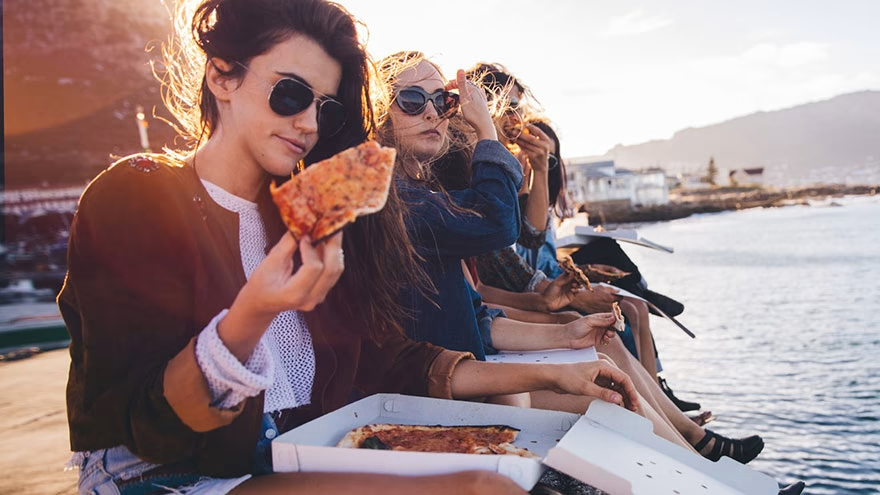
Cheap Travel Food Starts Before You Leave
Eating cheap while traveling is not about skipping every good meal. It is about stopping hunger from making every decision. If breakfast, snacks, water, and one backup meal are handled before the day starts, restaurants become choices instead of emergencies.
Start with a food budget by day, not by trip. A week-long number feels abstract. A daily number helps you decide when to pack lunch, when to use groceries, and when a local meal is worth paying for.
The best cheap travel meal is the one you planned before you were tired.
Pack Snacks That Solve Real Problems
Pack snacks that are filling, clean to eat, and unlikely to melt. Nuts, granola bars, crackers, dried fruit, roasted chickpeas, apples, tuna packets, jerky, and shelf-stable cheese crisps all travel better than messy leftovers.
FoodSafety.gov's food safety guidance centers on clean, separate, cook, and chill. For travel, that means washing hands when possible, keeping risky foods cold, and avoiding questionable leftovers in a hot car.
For snack tables in a rental house or family trip, Livecub's cookie display guide can help organize treats without letting the counter turn chaotic.
Know Airport Food Rules
Airport meals are often expensive because travelers are captive and rushed. The TSA says solid food items can generally go in carry-on or checked bags, while liquids and gels have tighter limits. That makes simple solid snacks a useful flight habit.
Pack food that will not leak, smell strongly, or need utensils. Bring an empty bottle and fill it after security. If you want yogurt, soup, peanut butter, or sauce, check the current TSA rule before assuming it can pass in a full-size container.
Airport savings usually come from boring snacks packed well.
Make the First Grocery Stop Count
On arrival, buy the items that prevent repeated small purchases: breakfast food, fruit, salty snacks, sandwich supplies, water, and something easy for late night. Do not buy a full kitchen plan if the room has no kitchen.
Think in meals, not ingredients. A loaf of bread, peanut butter, bananas, and a bag of carrots is a plan. Six random sauces and no knife is not a plan. The grocery stop should reduce decisions for the next two days.
Livecub's Gatlinburg shopping guide is a useful reminder that tourist areas make spending easy unless you separate food, souvenirs, and impulse buys.
Use Hotel Breakfast Wisely
If breakfast is included, use it. Eat enough protein and fiber to make the morning work. If breakfast is not included, keep simple room options: oatmeal cups, fruit, bagels, shelf-stable milk, or yogurt if you have a fridge.
Do not skip breakfast to save money if it causes a larger lunch bill. A cheap breakfast that keeps everyone calm can save more than it costs.
Build a Lunch Strategy
Lunch is often the easiest restaurant meal to replace. Sandwiches, grocery salads, rotisserie chicken, rice bowls, picnic food, or leftovers from a previous dinner can work well. The trick is choosing a lunch that fits the day's movement.
If you are walking all day, avoid food that needs careful storage. If you are driving, use a cooler and keep it out of direct sun. If you are flying, choose solid foods and keep sauces small.
Cheap lunch should be portable, filling, and low drama.
Choose Restaurants With a Purpose
Restaurants are not the enemy. Random restaurants are the budget problem. Pick the meal that matters most each day, then make the other meals simpler. A local dinner may be worth it. A forgettable airport sandwich usually is not.
Look for lunch specials, counter-service places, bakeries, grocery hot bars, food halls, and local markets. Avoid choosing only from the busiest tourist block when a five-minute walk changes the price.
Share Without Underfeeding People
Sharing can save money when portions are large. It fails when everyone leaves hungry and buys snacks immediately after. Order one shareable entree, add a side, then decide if the group needs more.
Families can split snacks first, especially sweet snacks that children may only want because they look fun. Adults may need the opposite: a real meal instead of several small bites that add up.
Keep Food Safe on Road Trips
The CDC's food and water precautions warn that contaminated food and water can make travelers sick. Even on domestic trips, a cooler sitting in a hot car can turn a cheap meal into a bad decision.
Use ice packs, keep perishable foods cold, and throw out anything that smells wrong or has been warm too long. Dry snacks are not exciting, but they are safer when you cannot control temperature.
Cheap food is not cheap if it costs you a travel day.
Use Walking Days to Your Advantage
On city trips, map grocery stores, bakeries, and markets near attractions before you leave the hotel. This prevents the group from eating at the first place beside the ticket line.
If your trip includes long walking days, Livecub's walking sticks adjustment guide may help with comfort planning, especially for older travelers or long trail days.
A Simple Cheap Travel Food Day
Eat breakfast in the room. Pack two snacks and a bottle. Buy lunch from a grocery store or market. Save the restaurant meal for dinner and choose a place that feels specific to the destination. Keep one backup snack for the trip back to the room.
This plan does not make travel feel deprived. It puts money toward the meal that matters and removes spending from the moments that do not.
Match the Plan to the Trip Type
A road trip can use a cooler, grocery stops, and picnic lunches. A flight needs solid snacks, small containers, and food that can handle delays. A city trip works best with markets and bakeries near transit stops. A beach or trail trip needs food that tolerates heat and sand.
Do not copy one food plan across every trip. The cheapest choice changes with storage, weather, transport, and time. A cooler meal is smart in a car and useless if you are carrying bags through a train station all day.
The trip decides which cheap food strategy works.
Use Leftovers Only When They Make Sense
Restaurant leftovers can save money if you have a fridge, a way to reheat food, and time to eat them. They are a bad bargain if they sit in a warm bag for hours or become one more container to carry.
Before saving leftovers, ask where they will go next. If the answer is a hotel fridge and lunch tomorrow, keep them. If the answer is a hot car or a long museum day, order less and skip the box.
Leftovers need a plan before they need a container.
Watch Drinks and Small Extras
Drinks can quietly ruin a food budget. Coffee, bottled water, soda, smoothies, and convenience-store stops may cost more than the meal you tried to save on. Bring a bottle, carry drink packets if you like flavor, and choose paid drinks on purpose.
Small extras add up the same way. A bag of chips here, a pastry there, and a late-night snack from the lobby can erase the grocery savings. Put snacks in the day bag so the backup is already with you.
Make One Local Meal Count
Cheap travel does not have to mean eating food you could have eaten at home every day. Pick one local meal, market item, bakery stop, or casual counter place that feels tied to the destination. Then keep the other meals simple.
This keeps the trip memorable without making every meal a spending event. A good local lunch and a room dinner can feel better than three rushed restaurant meals in expensive areas near attractions downtown.
Frequently Asked Questions
What food should I pack for cheap travel?
Pack shelf-stable snacks, breakfast items, fruit, crackers, nuts, and simple protein. Avoid food that melts, leaks, or needs careful storage.
Can I bring food through airport security?
Many solid foods are allowed, but liquids and gels have stricter limits. Always check current TSA rules for specific items.
Is grocery shopping cheaper than restaurants?
Usually, yes, especially for breakfast, snacks, drinks, and simple lunches. Restaurants can be saved for meals that matter.
How do I avoid wasting grocery food while traveling?
Buy meal components, not random ingredients. Choose food that fits your room setup, schedule, and storage options.

Olivia Prete
Edits culture and personal-development articles, distinguishing opinion and experience from verifiable claims.


Leave a reply
Replying to