
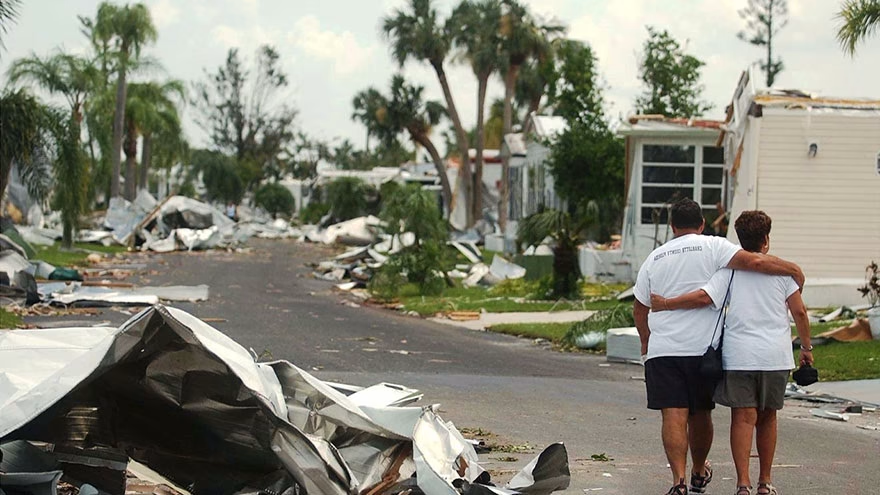
Renters earthquake insurance is easy to misunderstand. A standard renters policy may protect belongings from theft, fire, or some water damage, but earthquake damage is often excluded. If you rent in earthquake country, that gap can matter.
The right policy depends on where you live, what you own, what it would cost to live elsewhere after a quake, and how much deductible risk you can handle.
Check Your Current Renters Policy
The California Department of Insurance says homeowners, renters, and condo policies do not cover some natural disasters such as earthquakes unless separate coverage is added: California DOI earthquake insurance guide. Your state and insurer may use different wording, so read your own policy.
Look for earthquake, earth movement, landslide, mudslide, and flood exclusions. A policy may cover fire after an earthquake but not the shaking damage itself. The details matter.
Know What Renters Earthquake Coverage May Pay
For renters, the main categories are usually personal property and loss of use. Personal property means your belongings. Loss of use can help with hotel bills, temporary rent, meals, or extra costs if the rental is unlivable after a covered quake.
CEA's renters page says California renters can access earthquake coverage through participating residential insurers: California Earthquake Authority renters coverage. Other states may rely on private insurers or endorsements.
Ask Your Current Insurer First
Start with the company that already provides your renters policy. Ask whether they offer an earthquake endorsement, a separate earthquake policy, or access through a state authority. Ask whether you must keep the base renters policy active.
Get the quote in writing. Ask for limits, deductible, exclusions, waiting periods, and how claims are valued.
If you are teaching younger family members about money choices, Livecub's kids money guide can help frame insurance as risk planning, not fear buying.
Estimate Your Personal Property
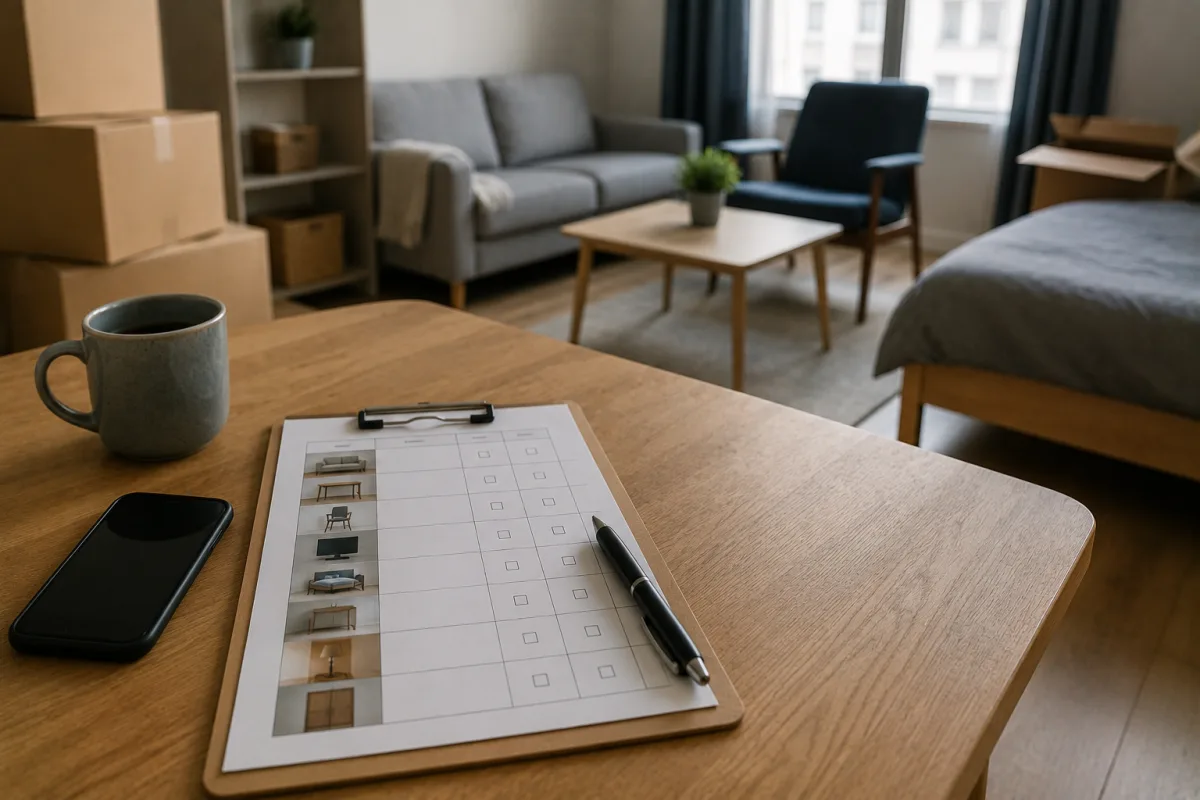
Walk room by room and estimate what it would cost to replace your belongings: bed, clothing, laptop, phone, kitchen items, books, tools, furniture, baby gear, and medical equipment. Many renters underestimate the cost of replacing ordinary items.
Take photos or video. Save receipts for expensive items. Keep a copy of the inventory outside the home or in secure cloud storage.
Read The Deductible Closely

Earthquake deductibles may be higher or structured differently than standard renters deductibles. A percentage deductible can surprise people. A policy with a low premium and high deductible may not help much after moderate damage.
Ask for examples: if I have $25,000 in personal property coverage and this deductible applies, what would I pay before coverage starts?
Check Loss Of Use Coverage
For renters, extra living expense can be the most practical benefit. If your building is red-tagged, utilities are out, or repairs take weeks, where would you stay and what would it cost?
South Carolina's renters insurance page notes earthquake coverage may be added as a separate policy or endorsement in some markets: South Carolina renters insurance guidance. The structure varies, so ask locally.
Understand What The Landlord Covers
Your landlord insures the building, not your belongings. Their policy may repair walls and structure, but it usually does not replace your couch, laptop, clothing, or hotel costs. Do not rely on the landlord's coverage for your personal property.
If the building is older, near a fault, on soft soil, or has known retrofit issues, ask what risk information is available. You may not control the building, but you can control your coverage decision.
Compare At Least Two Options
Compare the base renters policy plus endorsement against any separate policy. Look at covered property, loss of use, deductible, exclusions, claim process, and premium. A cheaper quote may carry a deductible that makes it less useful.
Comparing insurance resembles comparing finance products. Livecub's article on fixed and fixed index annuities is a different topic, but it also shows why definitions matter.
Ask About Exclusions
Ask about breakage, masonry, collectibles, business property, roommate belongings, flood after earthquake, land movement, vehicles, and high-value items. Some property may need a separate rider or may not be covered at all.
If you work from home, ask how business equipment is treated. A personal renters policy may not fully cover work inventory or professional equipment.
Prepare Before Buying
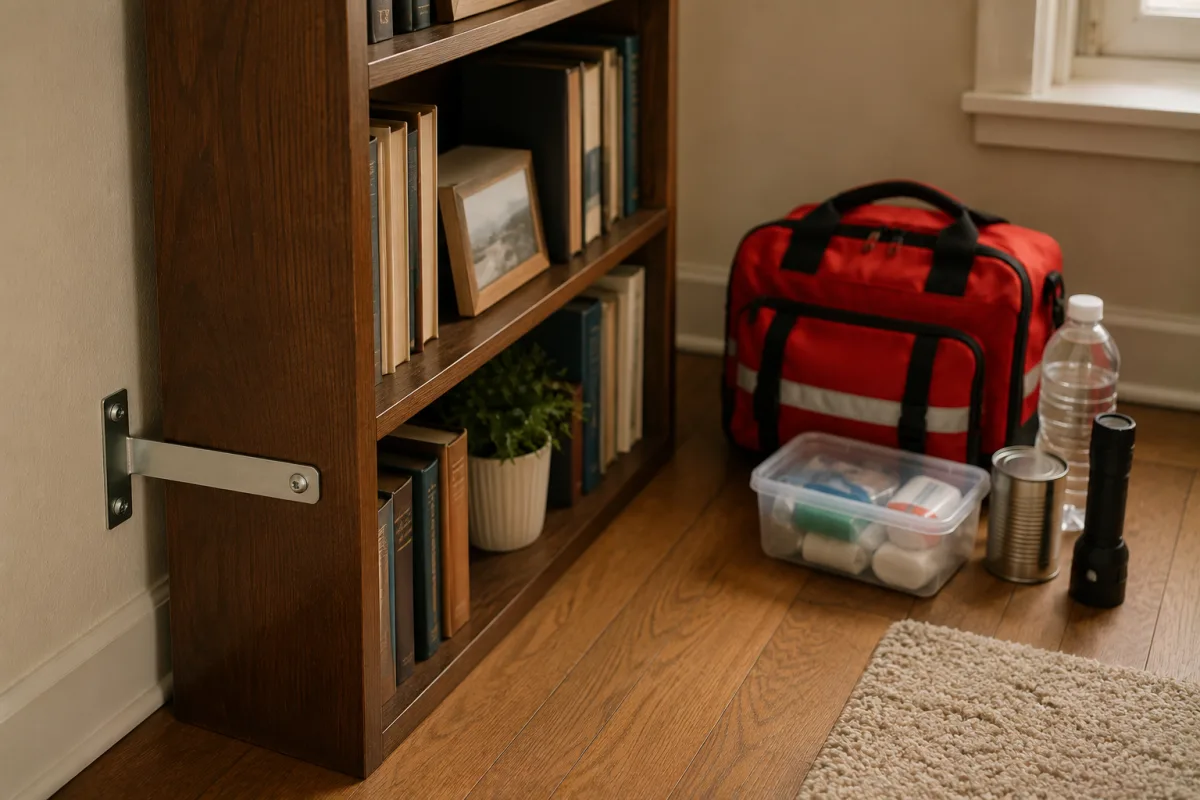
Insurance is one layer. Also strap tall furniture, secure shelves, store heavy items low, keep shoes and flashlight by the bed, build an emergency kit, and know how to shut off utilities if instructed by local guidance.
If you hold savings products for emergency planning, Livecub's guide to Series EE savings bond maturity may be a related finance read, though it does not replace insurance.
Review Each Lease Year
Review the policy when you move, add roommates, buy expensive electronics, get a pet, start working from home, or change states. Earthquake risk and insurance availability are local.
Do not assume renewal means the terms stayed the same. Read notices and ask questions before the next quake makes the wording matter.
Make The Decision With Numbers
A good decision asks: what would I lose, what would temporary housing cost, what does the policy actually pay, what is the deductible, and can I handle the premium? If the answers are unclear, keep asking before you buy.
Livecub's article on finding savings bond values is another example of checking real numbers before making a money decision.
Ask About Roommates
Roommate property is not always covered by your policy. Ask whether each renter needs a separate policy and how shared items are handled after a claim.
Check Building Access After A Quake
Even if your belongings survive, you may be unable to enter the building for a while. Loss of use coverage can matter when access is restricted by safety orders.
Know The Claims Contact
Store the insurer's claim number offline. After a quake, power and internet may be unreliable. A printed or saved copy of policy details can reduce stress.
Review Valuable Items
Jewelry, cameras, bicycles, instruments, tools, and work equipment may have sublimits. Ask whether a rider or different policy is needed.
Do A Premium Reality Check
Compare the annual premium with the loss you could not absorb. The right choice is not only cheapest; it is the policy that would actually help after the deductible.
Do Not Wait For A Swarm Of News
Coverage may become harder to think through after a nearby quake. Review options during a calm week, when you can read rather than react.
Ask About Waiting Periods
Some coverage may not start instantly, or binding rules may change after earthquake activity. Ask when coverage begins and what events are excluded during the first days.
Keep Proof Of Ownership
Photos, receipts, serial numbers, and appraisals can support a claim. Store copies away from the apartment in case the building is inaccessible.
Know The Difference From Flood
Earthquake coverage does not automatically mean flood, tsunami, sewer backup, or landslide coverage. Ask about each risk if it applies to your area.
Plan For Pets
Temporary housing after a quake may be harder with pets. Ask whether loss of use coverage helps with pet-friendly lodging or boarding costs.
Ask About Deductible Examples
Do not settle for a percentage alone. Ask the agent to translate it into a dollar example using your coverage limit so the risk is easier to judge.
Update After Big Purchases
If you buy a new laptop, bike, camera, instrument, or furniture, update the inventory and check whether your limit still fits your belongings.
Save The Declaration Page
The declaration page gives a quick summary of limits and deductibles. Keep it with your inventory so claim details are easier to find after earthquake damage.
Frequently Asked Questions
Does renters insurance cover earthquakes?
Standard renters insurance often excludes earthquake damage. You may need a separate policy or endorsement.
What can renters earthquake insurance cover?
It may cover personal property and extra living costs, depending on limits, deductible, and policy wording.
Do I buy it from my landlord?
No. Renters usually buy their own coverage through an insurer or participating state program.
Is the deductible high?
It can be. Ask for dollar examples based on your coverage limit before buying.
Should roommates be listed?
Ask the insurer. Roommates may need separate policies unless the policy clearly covers them.
This article is for general information only and is not financial, legal, insurance, medical, or tax advice. Policy terms, prices, eligibility, and laws change; read the policy and ask a licensed professional.

Patrick Harwood
Edits sports, consumer-finance and general legal explainers. Regulated or time-sensitive topics link to primary sources and are not professional advice.




Leave a reply
Replying to