
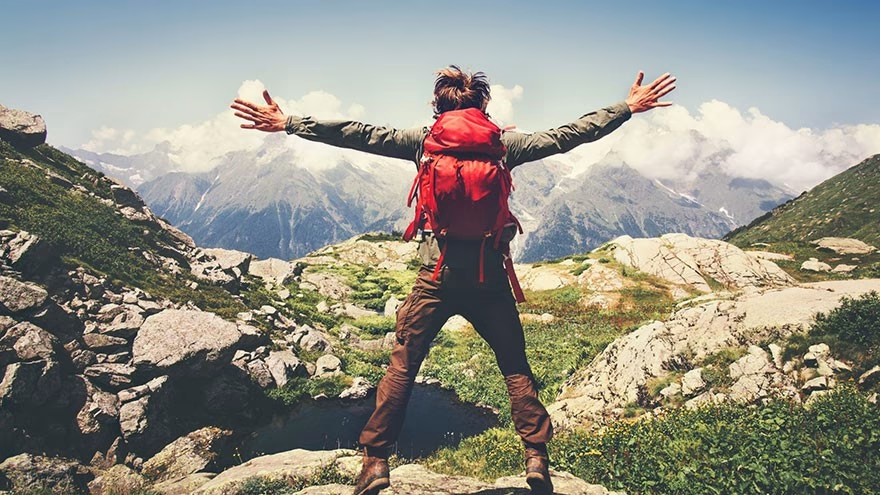
Adventure Begins With a Small Break From Routine
Learning how to have an adventure does not require a passport, a dramatic budget, or a dangerous stunt. An adventure is any experience that asks you to pay attention, solve small problems, and step outside your usual pattern.
That might be a dawn walk, a train ride to a nearby town, a long bike loop, a waterfall hike, a night under the stars, a museum day with no phone, or a road trip built around one odd stop.
The best adventure is real enough to wake you up and planned enough to bring you home.
Choose the Kind of Adventure You Actually Want
Before picking a destination, decide what you are craving. Do you want quiet, effort, novelty, beauty, speed, food, history, water, mountains, city streets, or time with someone you miss?
This keeps you from copying someone else's trip. A crowded overlook may be perfect for one person and draining for another. A solo walk can be braver than an expensive itinerary if it is the thing you keep avoiding.
Adventure feels better when it matches the person taking it.
Start Close to Home
Local adventure is underrated. Pick a neighborhood you never visit, a state park within an hour, a sunrise spot, a ferry, a historic cemetery, a small-town diner, a used bookstore route, or a new trail.
Set one rule to make it feel different. Take only side streets, eat somewhere with no drive-through, photograph doors, learn three plant names, or follow a river for half a day.
For hiking gear comfort, Livecub's walking stick adjustment guide can help if your plan includes uneven ground.
Put Safety Under the Fun
The National Park Service's 10 Essentials page frames basic gear as help for injuries, weather changes, and unexpected delays. Even a short outing can turn awkward if you have no water, light, map, layer, or first-aid basics.
Match the safety plan to the activity. A city food crawl needs comfortable shoes and transit awareness. A desert walk needs water and heat caution. A winter overlook needs traction, layers, and daylight planning.
Prepared does not mean fearful. It means available for the good parts.
Check Weather Before You Commit
Weather can change the whole meaning of a trip. Heat, lightning, smoke, flooding, wind, cold, and poor visibility can turn a simple plan into a bad one.
The National Weather Service's Weather-Ready nature guidance reminds outdoor travelers to prepare for hazards such as flash flooding, excessive heat, and lightning. Check the forecast close to departure, not only the week before.
If the conditions are wrong, change the plan. A museum, cafe crawl, indoor climbing gym, scenic drive, or stormy-day cooking project can still count.
Leave a Plan With Someone
Tell a trusted person where you are going, who is with you, when you expect to return, and what to do if you do not check in. This is useful for hikes, long drives, solo city exploring, paddling, biking, and remote photography.
Do not rely on phone signal alone. Batteries die, canyons block reception, and wet screens fail. Carry key details on paper when the setting calls for it.
A simple check-in plan is one of the least dramatic ways to stay safer.
Practice Before the Bigger Version
If you want a bigger trip later, use small outings as practice. Try your boots on a two-mile trail before a long hike. Test a stove in the yard before a camping weekend. Ride the train across town before planning a rail trip.
Practice reveals what you forgot, what hurts, what bores you, and what makes you feel alive. That knowledge saves money and lowers risk on the larger adventure.
A trial run can be an adventure by itself.
Add One Challenge
An adventure needs some friction, but not chaos. Add one stretch: a longer trail, a new cuisine, a sunrise departure, a map-only walk, a cold swim with safety support, a beginner class, or a conversation with a local guide.
Do not stack every challenge at once. If the place is new, keep the distance easy. If the distance is hard, keep the route familiar. If the weather is uncertain, lower the ambition.
Livecub's Skyline Drive waterfalls guide is a good example of building a trip around one clear natural feature.
Use Curiosity as the Itinerary
Not every adventure needs tight scheduling. Choose a question and follow it. Where does this old road go? What is the oldest building downtown?
Which overlook has the quietest morning? What can I cook over a camp stove without making a mess? A question gives the day direction without making it rigid.
Curiosity changes how you move. You notice signs, smells, light, rocks, menus, birds, ferry times, and the way people use a place.
The point is not to collect proof. The point is to be awake while you are there.
Set a Money and Time Fence
Adventure gets easier when the limits are clear. Decide the budget, latest return time, driving radius, food plan, and energy level before you leave. Limits can make the day more creative.
A twenty-dollar adventure might become a bus ride, picnic, used-book hunt, and sunset walk. A two-hour adventure might become a new coffee shop and a route home you have never taken.
Small limits reduce decision fatigue and keep the day from turning into a spending contest.
Use Public Places Well
Libraries, visitor centers, ranger stations, markets, ferry terminals, and small museums can make a trip richer without much cost. They also give you bathrooms, maps, staff advice, and shelter if weather changes.
Ask one good question when you arrive. A local recommendation can turn an average route into a memorable day.
Keep opening hours and parking rules in your notes so the practical details do not steal the afternoon.
Respect the Place
Adventure should not leave damage behind. Stay on durable surfaces, pack out trash, give wildlife space, follow local rules, and avoid carving, stacking, picking, or taking things that belong where they are.
The National Park Service's Leave No Trace principles are a good guide for outdoor travel, but the spirit also applies in towns: be quiet where people live, spend fairly, and do not treat neighborhoods like props.
Livecub's Spiral Jetty visit guide shows why remote and fragile places need extra planning.
Bring the Right People, or Go Alone
Some adventures are better with friends. Others are better alone. Choose companions who can handle changes without turning every delay into a fight.
Talk about pace, money, risk, food, photos, bathroom stops, and return time before you leave. A ten-minute conversation can save the whole day.
If you go alone, pick a plan that matches your skill, share your itinerary, and leave ego out of decisions.
Let the Story Change
Flat tires, closed trails, rain, missed ferries, sold-out diners, and tired legs happen. Sometimes the adventure becomes the backup plan. Keep enough flexibility to enjoy what is still available.
A good day may be smaller than expected. You might turn around early, skip the summit, or trade a long route for a quiet meal. That is not failure if you made the safer call.
For wildlife-focused travel, Livecub's North Conway moose viewing guide is a reminder that patience and timing matter more than forcing a moment.
Come Home With Something Besides Photos
Bring back one detail you can use later: a route note, recipe idea, new skill, sketch, field note, playlist, map mark, or better sense of what your body can do.
Write down what worked and what you would change. That record turns one outing into better future trips.
Adventure gets easier when you learn from the last one.
Frequently Asked Questions
Can I have an adventure without traveling far?
Yes. A new route, early start, local hike, food crawl, night walk, class, or day trip can break routine enough to feel adventurous.
What should I bring on a simple outdoor adventure?
Bring water, food, weather layers, light, navigation, first-aid basics, sun protection, and anything specific to the activity.
How do I make an adventure safer?
Check weather, know your limits, tell someone your plan, carry basic gear, turn around when needed, and respect local rules.
What if my adventure plan goes wrong?
Use the backup plan. Change the route, shorten the day, move indoors, or come home. A wise change still counts as part of the story.

Tory Stearns
Edits practical household, travel and lifestyle explainers. Claims that can change are linked to current primary or subject-authority sources.



Leave a reply
Replying to