How to Identify Emotional Eating Triggers and Stop Them
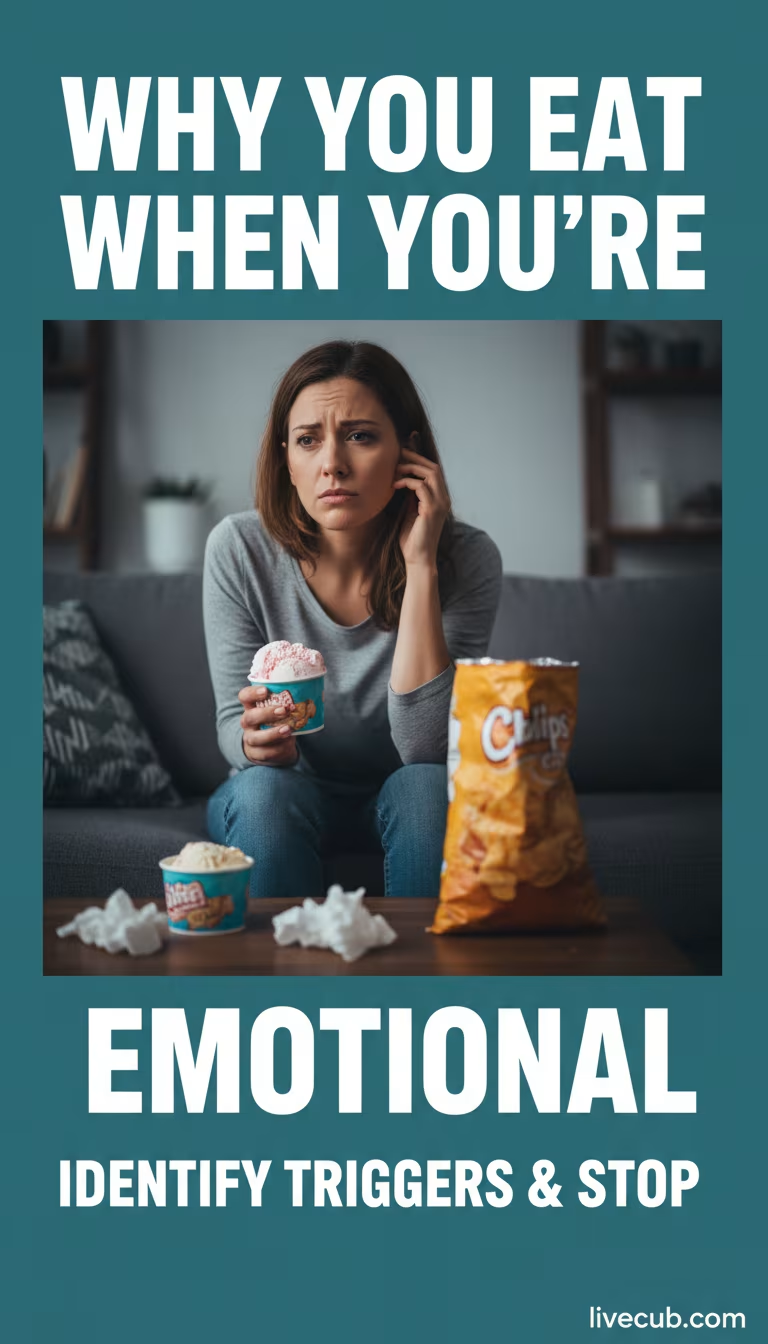
You're stressed from a crazy day at work, feeling lonely after a quiet evening, or maybe just plain bored scrolling through your phone. And suddenly, without even a conscious thought, your hand reaches for that bag of chips, the comforting tub of ice cream, or the leftover pizza calling your name. Does that sound familiar? You're not alone. We've all been there, using food not as fuel for our bodies, but as a balm for our emotions. It’s a powerful, often subconscious, coping mechanism that many of us fall into. But what if I told you that with a little awareness and a few practical strategies, you could actually understand these urges and, eventually, respond differently? It's not about willpower; it’s about understanding yourself better.Why This Matters
Here's the thing: emotional eating isn't just about what you eat, or even how much. It's deeply intertwined with your overall well-being, touching everything from your energy levels to your mental health, and even your relationship with yourself. When we consistently turn to food to manage feelings like stress, sadness, anger, or boredom, we're essentially pushing those emotions aside rather than actually dealing with them. This creates a cycle that feels a lot like quicksand: you eat to feel better, then you often feel guilt, shame, or even more sadness about eating, which then triggers the urge to eat emotionally again. It’s exhausting, isn't it? In my own life, I spent years in this cycle, convinced I just lacked discipline. But once I started paying attention to *why* I was reaching for food – what emotion was really driving me – everything began to shift. It wasn't about dieting or restriction; it was about learning to be a kinder, more attentive friend to myself. This isn't just about physical health, though that’s certainly a benefit. It’s about reclaiming your power, fostering a healthier connection with your body, and developing genuine self-care practices that actually nurture you, inside and out. Understanding and addressing emotional eating can free up so much mental and emotional space, allowing you to focus on living a fuller, more authentic life. It's a foundational step towards feeling more in control, not just of your eating habits, but of your emotional landscape too.Decoding Your Triggers – The First Step to Freedom
Alright, so you’ve got that familiar feeling: the urge to eat when you’re not physically hungry. The very first step, and honestly, the most empowering one, is to figure out *what* specifically is kicking off that urge. Emotional eating triggers aren't always obvious; they're like little sneaky ninjas lurking in the shadows of your daily life. They can be internal, like a specific feeling or thought, or external, like a place, a person, or even a smell. For years, I just thought I had "no self-control" around snacks, but once I started observing, I realized it wasn't about the snack itself; it was about the feeling of overwhelm I got after a big project, or the loneliness that settled in on a quiet Friday night. Think of yourself as a detective. Your mission, should you choose to accept it, is to gather clues about your own unique patterns. This isn’t about judgment; it’s pure observation. When you start connecting the dots between your emotions, your environment, and your eating habits, you gain incredible insight. You'll begin to see that the bag of chips isn't just a bag of chips; it's a temporary comfort for stress. That leftover casserole isn't just dinner; it’s a way to soothe sadness. Recognizing these links is the flashlight that helps you navigate that quicksand I mentioned earlier. Without understanding the "why," it's incredibly hard to change the "what." This process might feel a little uncomfortable at first because it requires you to sit with your feelings, but believe me, the freedom on the other side is absolutely worth it.Practical Steps to Uncover Your Patterns
- Start a Food and Mood Journal: This is probably the most powerful tool in your detective kit. It sounds simple, but writing things down creates an immediate awareness. For at least a week, try to jot down *everything* you eat, when you eat it, and how much. But here’s the crucial part: also note down how you were feeling right before you ate. Were you stressed? Bored? Anxious? Lonely? Happy? Tired? Also, record the situation – were you alone, watching TV, working, with family? After trying this for about 30 days, I started seeing clear patterns. For example, I noticed I’d almost always grab something sweet after a particularly challenging phone call, not because I was hungry, but because I needed a moment of "reward" or comfort.
- Pinpoint the "When": Once you have your journal going, look for patterns in time. Is it always late at night when everyone else is asleep and the house is quiet? Is it mid-afternoon when your energy dips? Is it after a specific meeting at work? Or perhaps after an argument with a loved one? Recognizing these specific times can help you anticipate the trigger. If you know 3 PM is your danger zone for boredom-eating, you can plan an alternative activity beforehand.
- Identify Your Emotional Culprits: Dig deeper into those feelings you’re journaling. Are you consistently eating when you feel sad? Anxious? Frustrated? Perhaps it's anger or resentment you haven't expressed. Many people emotionally eat out of boredom – that feeling of lacking stimulation or purpose in a moment. What I've found really helpful is to get specific. Instead of just "stressed," think about *what kind* of stress. Is it deadline stress? Relationship stress? Financial stress? The more precise you are, the easier it becomes to address the root emotion, rather than just masking it with food.
- Look at Environmental Cues: Sometimes, our triggers aren't internal feelings but external stimuli. Do you find yourself heading straight for the pantry when you walk through the door after work? Does seeing a certain commercial make you crave a specific food? Does visiting a particular friend or family member's house lead to overeating? Pay attention to sights, sounds, smells, and even people that might inadvertently cue you to eat. For me, walking past a specific bakery on my way home was a huge environmental trigger until I consciously chose a different route.
- Understand Physical Hunger vs. Emotional Hunger: This distinction is absolutely fundamental. Physical hunger comes on gradually, can be satisfied by almost any food, occurs in your stomach (rumbling, emptiness), and you usually stop when you're full. Emotional hunger, on the other hand, comes on suddenly, often feels urgent, craves specific comfort foods (pizza, chocolate, chips), manifests in your mouth or head, and usually leads to eating past fullness, often followed by guilt. When you feel an urge to eat, pause for a moment and do a quick body scan. Is your stomach rumbling? Do you feel truly empty? Or is it more of a craving in your mind, accompanied by an emotion? That pause is your superpower.
Building Your Emotional Toolbox – Healthier Coping Mechanisms
Okay, so you’ve done the detective work, you’re starting to recognize your triggers, and you can tell the difference between a rumbling stomach and an emotional craving. That's huge! But knowing *why* you're reaching for that comfort food is only half the battle. The next, equally important, step is to build up a robust "emotional toolbox" – a collection of healthier, non-food-related ways to cope with those tricky feelings. It's not about depriving yourself; it's about empowering yourself with genuine self-care. Think of it this way: when you're sad, you wouldn't just try to ignore the sadness, right? You'd seek comfort. Emotional eating is a form of comfort, but we want to find comforts that actually serve you in the long run, rather than leaving you with regret. This isn't about finding one magical solution. It's about having a diverse set of options because different emotions and situations might call for different responses. What helps when you’re bored might not work when you’re overwhelmed with stress. The key is to experiment and find what resonates with *you*. I’ve personally found that having a go-to list of alternatives makes all the difference when I feel that familiar emotional pull. It stops me from defaulting to food because I already have a better, more nurturing option ready. It's about pausing, checking in with yourself, and asking, "What do I *really* need right now that isn't food?" Here are some go-to strategies to stock your toolbox:- Move Your Body: You don't need to hit the gym for an hour. Even 5-10 minutes of movement can shift your energy and focus. Go for a brisk walk around the block, put on your favorite song and dance it out, do some gentle stretching, or even just walk up and down the stairs a few times. Movement releases endorphins, reduces stress hormones, and can quite literally help you "move through" difficult emotions. In my experience, even just standing up and walking to another room can break the spell of an emotional eating urge.
- Practice Mindfulness & Meditation: You don't need to become a zen master overnight. Start small. Take 5 deep breaths, focusing purely on the inhale and exhale. Use a guided meditation app like Calm or Headspace for 5-10 minutes. Even just sitting quietly and observing your thoughts without judgment can create distance from the emotional eating urge. This practice helps you become more present and less reactive to your feelings.
- Engage Your Creativity: Dive into a hobby! Whether it's drawing, writing in a journal, knitting, playing a musical instrument, or even just coloring, engaging your creative side can be incredibly therapeutic. It shifts your focus from the emotional trigger to an activity that is both engaging and fulfilling. What I love about creative outlets is that they give you a sense of accomplishment and positive self-expression that food simply can't.
- Connect with Others: Loneliness is a huge trigger for many. Instead of turning to food, reach out to a friend or family member. Send a text, make a quick phone call, or even video chat. Sometimes, just hearing a friendly voice or sharing a laugh can dissipate the heavy feelings that lead to emotional eating. Building strong social connections is a powerful antidote to many emotional struggles.
- Practice Self-Soothing Techniques: Think about what truly comforts you, physically and mentally, that isn't food. This could be taking a warm bath or shower, listening to calming music, curling up with a good book, lighting a scented candle, or spending time with a pet. These activities engage your senses in a positive way and provide genuine comfort without any negative after-effects.
- Productive Distraction (with caution): Sometimes, a temporary distraction can be helpful if it's not simply another form of avoidance. Tackle a small chore you've been putting off – organize a drawer, water your plants, send an email. Just be mindful that this isn't a long-term strategy for dealing with deep emotions, but rather a way to break the immediate urge in a productive way.
Practical Strategies for Meal Times and Beyond
So, you're learning to identify your triggers and building a robust emotional toolbox. Fantastic! Now, let's talk about how to weave these insights into your actual eating habits and daily routines to create lasting change. It's not just about what you do *instead* of emotional eating, but also how you approach food in general, especially during those moments when you do choose to eat. This section focuses on creating an environment and mindset that supports mindful, balanced eating, making it easier to navigate those tricky emotional waters. Remember, this is a journey, not a destination, so give yourself grace and celebrate every small step forward. One of the biggest lessons I've learned is that being proactive makes a world of difference. When I anticipate potential trigger points, I can set myself up for success. This isn't about being rigid; it's about being prepared and having a strategy in place. We're aiming for a more harmonious relationship with food, one where it serves its purpose of nourishing your body and bringing you joy, rather than being a stand-in for emotional support.- Practice Mindful Eating: This is an absolute game-changer. When you do eat, whether it's a planned meal or a conscious snack, try to slow down and really pay attention. Turn off distractions like TV or your phone. Notice the colors, textures, and smells of your food. Chew slowly and savor each bite. Ask yourself: "How does this taste? How does this feel in my body? Am I still hungry?" This practice helps you reconnect with your body's satiety signals and genuinely enjoy your food, often leading you to eat less because you’re more satisfied. I make it a point to put my fork down between bites, and it's amazing how much more aware I become.
- Structure Your Meals and Snacks: When you allow yourself to get overly hungry, you become much more susceptible to emotional eating. Your body goes into a "scarcity" mode, and your brain screams for immediate gratification, often in the form of high-sugar or high-fat foods. Aim for regular, balanced meals and snacks throughout the day. Include plenty of protein, fiber, and healthy fats to keep you feeling full and stable. Having a planned meal or snack every 3-4 hours can drastically reduce the likelihood of uncontrolled emotional eating episodes.
- Keep "Trigger Foods" Out of Sight (or Out of House): Let's be realistic: if your comfort food is sitting right on the counter or easily accessible in the pantry, it's going to be much harder to resist when an emotional urge strikes. If there are specific foods that you consistently overeat when triggered, consider keeping them out of your immediate environment. You don't have to ban them forever, but making them less readily available creates a necessary friction that allows you time to pause and make a more conscious choice. For me, that meant moving the chocolate from the kitchen counter to a higher shelf, out of direct line of sight.
- Hydration First: Sometimes, our bodies misinterpret thirst signals as hunger. Before you reach for a snack, especially if you haven't had much to drink, try having a large glass of water, herbal tea, or sparkling water. Wait 10-15 minutes and then reassess your hunger level. You might be surprised how often a craving dissipates simply because you were dehydrated. I keep a water bottle with me everywhere I go now, and it’s made a noticeable difference.
- Plan for Challenges: Life happens, right? There will be stressful days, social gatherings, or emotional moments that you can anticipate. Instead of hoping for the best, plan for them. If you know you're going to a party with tempting foods, have a healthy snack beforehand. If you know you have a stressful meeting, plan a coping mechanism for immediately afterward (like a walk or calling a friend). Having a pre-emptive strategy can prevent you from falling back into old patterns.
- Practice Self-Compassion: This is HUGE. You are human. You will have slip-ups. You might eat emotionally sometimes, even after all this work. And that's okay. The worst thing you can do is beat yourself up, because that shame and guilt are prime emotional eating triggers themselves! Instead of dwelling on the "failure," observe what happened without judgment. Ask: "What was the trigger? What could I do differently next time? What did I learn?" Then, move forward. Be kind to yourself. This journey is about progress, not perfection.
Common Mistakes to Avoid
As you embark on this journey of understanding and transforming your relationship with emotional eating, it's super easy to fall into some common traps. I’ve made pretty much all of these mistakes myself, and trust me, they can set you back or even make the problem feel worse. Avoiding these pitfalls isn’t about being perfect; it’s about being smart and compassionate with yourself. Let’s learn from those of us who've been there!- Going on Restrictive Diets: This is probably the biggest mistake I see. When you try to "fix" emotional eating by going on an extreme diet (cutting out entire food groups, severely limiting calories), you’re setting yourself up for failure. Restriction often leads to intense cravings, feelings of deprivation, and eventually, a rebound effect where you overeat even more. It fuels the emotional eating cycle rather than breaking it. Instead, focus on balanced eating and adding nutrient-dense foods, rather than just taking away.
- Ignoring Your Feelings: Emotional eating is a coping mechanism, even if it’s not a helpful one. The mistake is trying to just "stop" the eating without addressing the underlying emotions. Your feelings are signals. If you consistently push down sadness, anger, or stress, they're going to find another outlet – and often, that outlet is food. This journey requires you to actually lean into and acknowledge your emotions, even the uncomfortable ones, so you can choose a healthier response.
- Expecting Perfection (and Getting Discouraged by Slip-ups): You're going to have days where you eat emotionally. It's part of being human and part of the learning process. The mistake is viewing a slip-up as a total failure and giving up entirely. This mindset can lead to a "what's the point?" mentality, which then spirals into more emotional eating. Instead, see each instance as a learning opportunity, dust yourself off, and get back on track. Progress, not perfection, is the goal.
- Not Having a Plan B: You've identified your triggers, but when that intense emotional urge hits, if you don't have a clear, actionable alternative ready, you'll likely default to food. The mistake is thinking you'll "just figure it out" in the moment. When emotions are high, logic often goes out the window. Have your emotional toolbox ready and a mental (or physical!) list of what you'll do instead when you feel triggered.
- Demonizing Food: Labeling foods as "good" or "bad" creates unnecessary guilt and shame around eating. This black-and-white thinking can actually fuel emotional eating because it sets up a cycle of breaking rules and then feeling bad about it. Food is fuel, comfort, and joy. It's your relationship with it and *why* you're eating it that truly matters, not the food itself. Aim for a balanced perspective, where all foods can fit in moderation.
Expert Tips
Once you've got the basics down – identifying triggers, building your toolbox, and practicing mindful eating – you might be ready to go a little deeper. These "expert tips" are about taking your understanding and transformation to the next level. They involve a bit more introspection and sometimes, reaching out for external support. I've found that sometimes, the answers aren't just within my own immediate awareness, and that's totally okay. It's about empowering yourself with all the resources available.- Seeking Professional Support: Sometimes, emotional eating can be a symptom of deeper, unresolved emotional issues, anxiety, depression, or even an eating disorder. If you find that despite your best efforts, you're still struggling significantly, or if your emotional eating feels out of control, please consider reaching out to a therapist, counselor, or a dietitian specializing in disordered eating. They can provide personalized strategies, help you process underlying emotions, and offer support that goes beyond what you can do on your own. There's absolutely no shame in getting help; it's a sign of strength.
- Understanding Your Core Needs: Emotional eating often stems from trying to fill a void. What is that void for you? Are you craving more connection, a sense of purpose, security, creative expression, or simply more joy and fun in your life? Sometimes, we use food to try and meet these very human, very legitimate core needs. Take some time to reflect: what are you truly hungry for in your life, beyond physical food? When I realized I was often eating because I felt a lack of "play" and spontaneity, I started intentionally scheduling fun activities, and it made a huge difference.
- Building a Support System: You don't have to do this alone. Talk to a trusted friend, family member, or partner about what you're going through. Having someone who understands and can offer encouragement (without judgment) is invaluable. You might even find online communities or support groups focused on mindful eating or breaking free from emotional eating. Sharing your experiences and hearing from others can provide perspective and accountability.
- Prioritizing Sleep Hygiene: This one is often overlooked but profoundly impactful. Lack of adequate, quality sleep significantly messes with your hunger and satiety hormones (ghrelin and leptin). When you're sleep-deprived, you're more likely to crave high-calorie, sugary foods and have less impulse control. Aim for 7-9 hours of quality sleep each night. Establish a consistent bedtime routine, create a dark and cool sleep environment, and limit screen time before bed. It's truly a secret weapon against emotional eating.
- Developing a Comprehensive Stress Management Plan: Since stress is such a common emotional eating trigger, having a robust stress management plan is key. This goes beyond the quick fixes in your emotional toolbox. Think about bigger picture strategies: delegating tasks, setting boundaries, learning to say no, practicing time management, incorporating regular movement, spending time in nature, and nurturing your relationships. When your overall stress levels are lower, you’ll naturally feel less compelled to turn to food for comfort.
Final Thoughts
Wow, we've covered a lot, haven't we? Identifying emotional eating triggers and learning to stop them is a deeply personal, often challenging, but incredibly rewarding journey. It's not about achieving perfection or never again reaching for that comfort food. It's about cultivating a deeper awareness, building a more compassionate relationship with yourself, and learning to truly listen to what your body and your emotions are trying to tell you. Remember, every single step you take in this direction is progress. Whether it’s pausing for five seconds before you eat, journaling for a day, or successfully choosing a non-food coping mechanism, these are all victories. Be patient with yourself, extend the same kindness you’d offer a dear friend, and understand that developing new habits takes time and consistent effort. You’re building a foundation for genuine self-care that will serve you far beyond just your eating habits. You're strong, you're capable, and you absolutely have the power to transform this relationship. So, pick one tip from this article, try it out today, and start your journey towards a more mindful and emotionally balanced you. You’ve got this!Save for later
Found this helpful?
Pin this article to your Pinterest board and come back to it whenever you need a reminder.
Save to Pinterest