
How to Join Snail Mail Mailing Lists sounds old-fashioned until you want a printed catalog, museum program, alumni bulletin, fan club postcard, neighborhood newsletter, seed catalog, or local class schedule in your actual mailbox. Paper mail still has a place. It is slower than email, but it can be easier to save, share, and notice.
The catch is privacy. A postal address is more permanent than an email address, and it can be shared, sold, misread, or left on a clipboard. Join the lists you truly want, keep a record, and know how to leave later.
Start With The List You Actually Want
Before writing your address anywhere, be clear about the sender. Are you asking for a one-time brochure, an annual catalog, a quarterly newsletter, event invitations, coupons, membership mail, or donor appeals? Each one creates a different amount of mail.
For education, the choice may be simple. A school, museum, training center, or community college may send printed course guides. If you are deciding between learning formats, Livecub's online courses versus traditional education guide can help you think about what kind of communication you will actually use.
Know What You Are Giving Away
A mailing list usually needs your name and delivery address. Some forms also ask for phone number, email, birthday, household size, income range, or interests. You do not have to fill every optional box. If a field is not required and does not help the mail reach you, consider leaving it blank.
Use the exact name and address format you want the organization to keep. Apartment number, unit, directional street labels, and ZIP+4 can affect delivery. A messy sign-up sheet can become years of misspelled mail.
Join At Stores, Events, And Clubs

Many postal lists start offline. You may see a paper sign-up sheet at a store counter, festival booth, concert table, school fair, church office, library desk, or club meeting. Write clearly. Ask what kind of mail you will receive and how often it is sent.
Event-based lists can be useful, but they can also multiply fast. If you sign up at a workshop, ask whether your address stays with that one group or is shared with partner organizations. Livecub's marriage seminar ideas are about event planning, and the same event lesson applies here: registration should tell people what follow-up they are agreeing to receive.
Use Websites Without Confusing Email And Postal Lists
Most websites push email first. For postal mail, look for words such as catalog request, print newsletter, mail me a brochure, postal address, membership packet, visitor guide, or annual report. If the form only asks for an email address, it is not a snail mail list.
Some organizations ask for both. That can be fine, but read the checkboxes. One box may request a catalog while another signs you up for promotional emails. Do not rush through prechecked boxes.
Call Or Write When There Is No Form
If you cannot find a postal sign-up page, call the organization or write a short request. Give your name, address, and the exact publication you want. For a local club, a phone call may be faster than hunting through an outdated website.
Schools, scholarship groups, and local nonprofits often keep mailing lists for donors, applicants, and families. If you help run a program, Livecub's scholarship award guide is a useful reminder that contact lists should match a real purpose, not collect names just because a form has space.
Use A PO Box When Privacy Matters
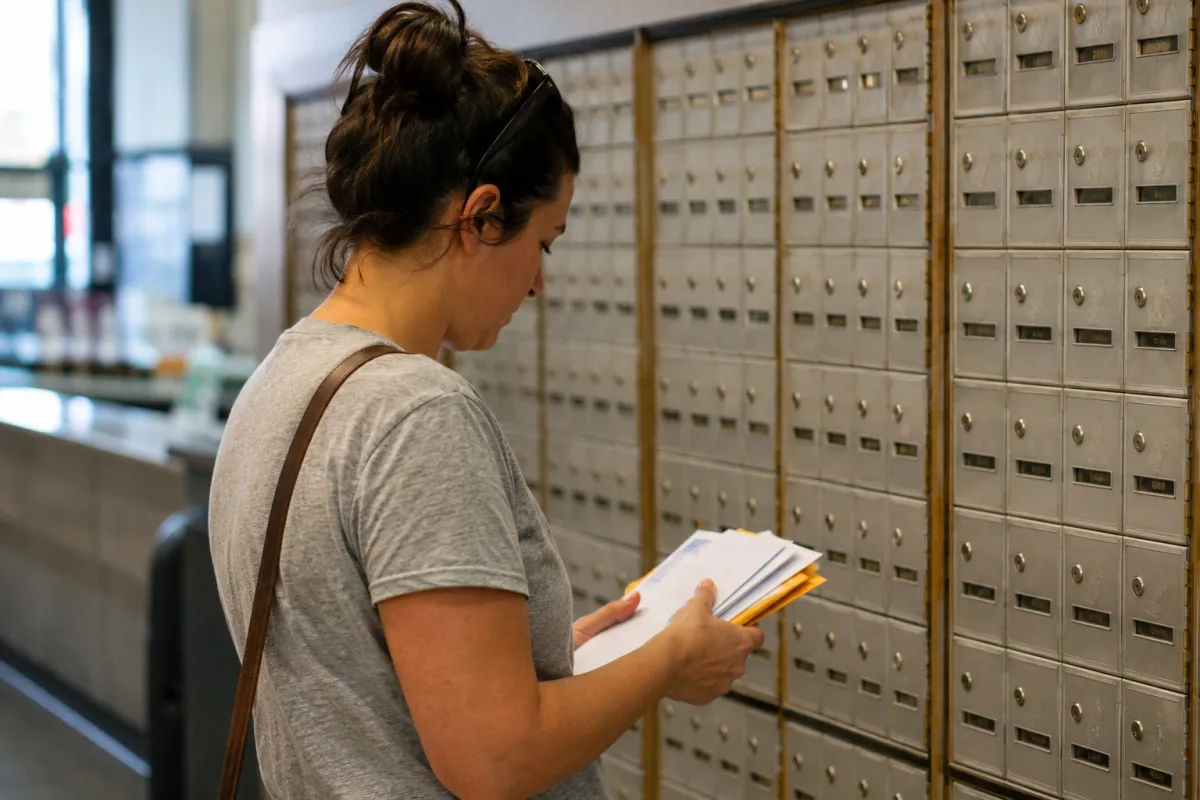
If you want catalogs but do not want your home address on many marketing files, a PO Box can help. It costs money and requires pickup, so it is not right for everyone. For hobby mail, pen pal clubs, public fan mail, or small business samples, it can create a clean boundary.
Do not use someone else's address without permission. Do not sign up a friend as a joke. Paper mail creates real work for the carrier and for the person who has to throw it away.
Keep A Simple Address Log
Keep a note with the organization, date, address used, reason for signup, and any customer number. This can be a spreadsheet, notebook, or password manager note. The log is boring until you move or want to stop mail.
If you use slightly different names for different lists, keep track. Some people add a middle initial or business name to understand where mail came from. Do this only if the mail will still be deliverable.
Also note whether the list is personal, household, school, hobby, donor, or business mail. That helps later when you are deciding what to keep. A gardening catalog may be welcome every spring. A one-time conference brochure may not need to follow you for years.
For shared households, use names carefully. A roommate, spouse, parent, or adult child may not want their name added to a list just because you filled out a form. If the mail is for the whole household, make that clear. If it is for you, use your own name.
What To Do When You Move
USPS forwarding can help, but it does not update every sender forever. The USPS change-of-address page explains online and in-person options, identity verification, and mail rerouting. Use the official USPS site or a post office, not lookalike sites that charge extra for simple forms.
After forwarding is active, update the organizations you care about directly. Magazines, catalogs, alumni offices, clubs, banks, schools, legal contacts, and medical offices should get the new address from you, not only from forwarding. For sensitive household paperwork, Livecub's estate lawyer questions can help you think about which records need accurate contact details.
How To Leave Lists Later

To leave one list, contact the sender and ask to be removed. Use the customer number or mailing label if there is one. Keep the request polite and specific: "Please remove this name and address from your postal mailing list."
For broader marketing mail, the DMAchoice registration page lets consumers set mail preferences for many participating marketers, though it does not stop every piece of mail. The FTC junk mail guide also explains opt-out options for prescreened credit and insurance offers.
Watch For Scams And Over-Sharing
Be careful with prize forms, free gift offers, sweepstakes cards, and coupons that ask for more personal data than the offer needs. Some are harmless promotions. Others are address collection tools. If the benefit is tiny and the requested information is personal, skip it.
Never send Social Security numbers, bank details, or medical information just to receive a catalog. If a mailer claims you won something but asks for a fee, slow down and verify the organization through an official phone number or website.
For children and teens, keep signups under adult control. Youth clubs, schools, camps, and contests may use mail for good reasons, but a minor's address should not be handed around casually. Use a parent or guardian contact when that is the safer route.
For small businesses, separate customer mail from personal mail. A business address, rented mailbox, or office receiving process can keep vendor catalogs, samples, and invoices from mixing with family letters and private documents.
Frequently Asked Questions
Is a snail mail list the same as an email list?
No. A snail mail list uses your physical mailing address. Some organizations keep email and postal lists separately, so check the form.
Can I join a mailing list without a home address?
Sometimes. A PO Box or business address may work if the sender accepts it and you can receive mail there.
How long does it take to start receiving mail?
Local newsletters may arrive within weeks. Catalogs and magazines often follow a print schedule, so the first issue may take longer.
Can I stop all junk mail with one form?
No. DMAchoice and credit offer opt-outs can reduce some categories, but you may still need to contact individual senders.
Should I sign up at public clipboard sheets?
Only if you are comfortable with others seeing your address. If privacy matters, ask for a card, website, or direct contact instead.
A Practical Signup Routine
Join snail mail mailing lists by choosing the sender, reading the form, giving only needed information, keeping a log, and checking removal options. That gives you the printed mail you want without letting your address drift through every promotion that crosses your path.

Cashie Evans
Covers parenting and practical household topics with clear steps, safety notes and links to current guidance.



Leave a reply
Replying to