
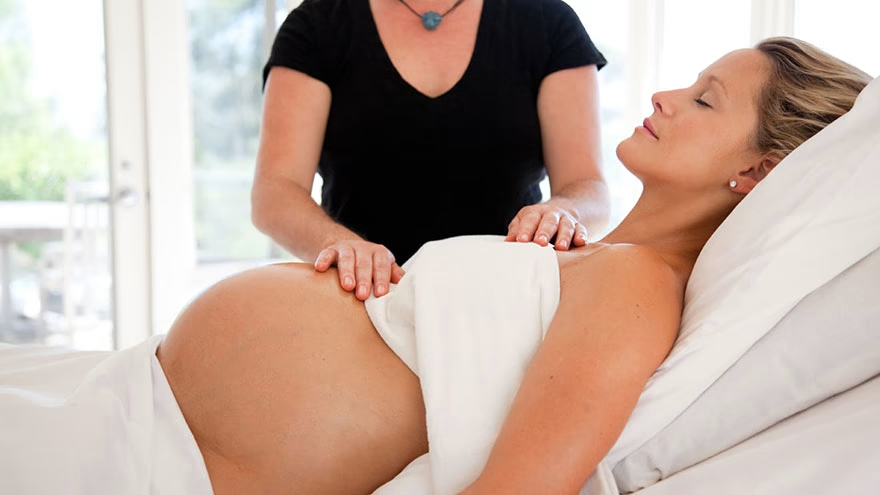
How to Perform a Pregnancy Massage should begin with safety, not technique. Pregnancy massage can be soothing for some people, but it should be gentle, well-positioned, and avoided when symptoms or medical conditions make massage unsafe. When in doubt, ask the maternity care team first.
This article is general education, not medical training or professional massage instruction. Do not massage someone with unexplained bleeding, severe abdominal pain, fever, suspected blood clot, severe headache, vision changes, preeclampsia concerns, contractions, fluid leakage, or any symptom their clinician has flagged.
Ask Permission Every Time
Pregnancy changes comfort from day to day. Ask where touch is welcome, where it is not, how much pressure feels good, and when to stop. Consent is not one question at the beginning; it continues through the massage.
Livecub's staying intimate during pregnancy article can help with the communication side of touch, closeness, and changing comfort.
Start With Medical Safety
Some pregnancies need extra caution. Ask the pregnant person whether their clinician has restricted massage, exercise, sex, lying positions, or pressure on certain areas. High-risk pregnancy, clotting disorders, placenta concerns, severe swelling, hypertension, or recent injury may change what is safe.
ACOG's back pain during pregnancy guidance discusses posture, supportive shoes, heat, cold, and exercise; it also shows why pregnancy pain should be handled in context, not with one-size-fits-all pressure.
Use Side-Lying Positioning
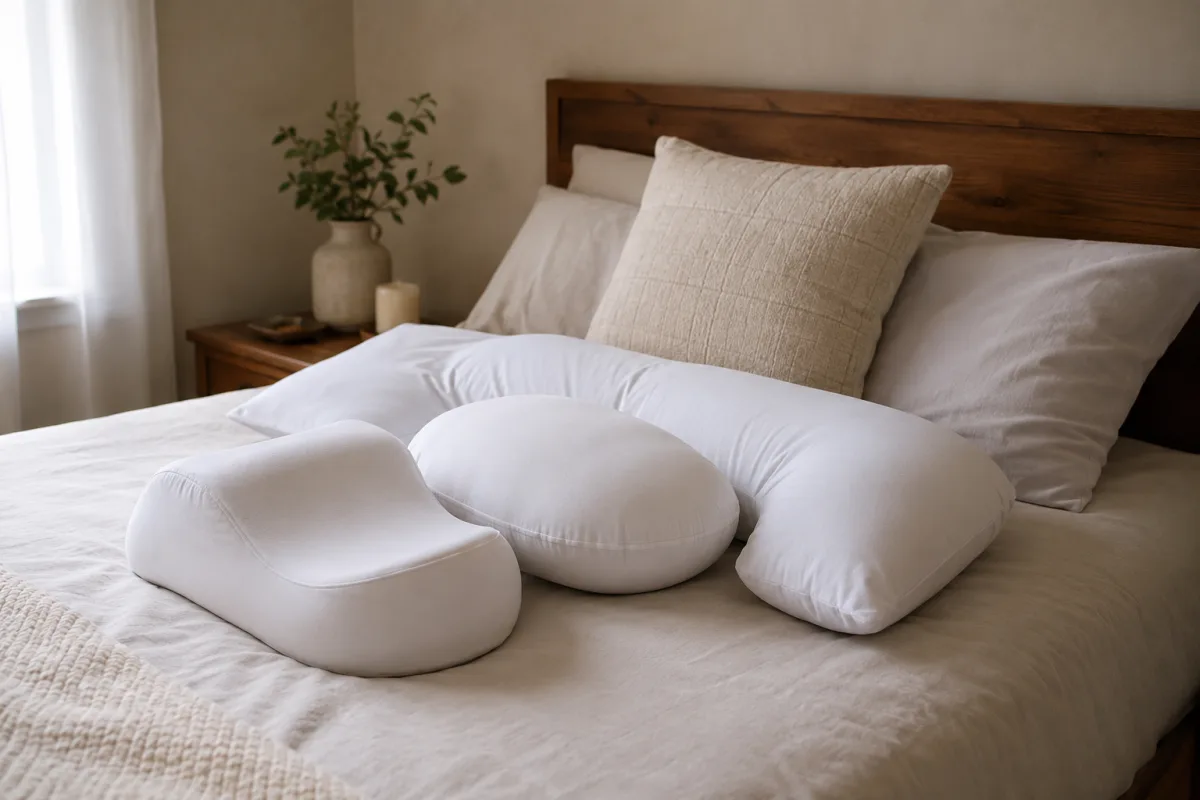
Side-lying is often more comfortable than lying flat on the back later in pregnancy. Support the head, belly, knees, and back with pillows. Keep the top knee supported so the pelvis does not twist forward.
If the pregnant person feels dizzy, nauseated, short of breath, or unwell, stop and reposition. Comfort matters more than finishing a routine.
Keep Pressure Gentle
Use slow, gentle pressure over shoulders, upper back, hands, feet, and calves only if the person likes it and there are no warning signs. Avoid deep pressure, aggressive stretching, or painful knots. Pregnancy massage should not feel like endurance training.
Do not press deeply into swollen, red, hot, or tender areas. One-sided calf pain, swelling, warmth, or redness can signal a clot and needs urgent medical advice, not massage.
Avoid The Belly Unless Invited
Some pregnant people like light belly touch; others hate it. If belly touch is welcome, keep it light and brief. Do not knead, press, or use strong circular pressure on the abdomen.
If body changes feel emotionally loaded, Livecub's feeling attractive during pregnancy may help with confidence and boundaries.
Use Oil Carefully
If using lotion or oil, choose a simple, unscented product unless the person already knows a product is safe for their skin. Pregnancy can increase smell sensitivity and skin reactions. Avoid essential oils unless a qualified clinician or trained prenatal massage therapist has cleared them.
Keep the room ventilated and stop if nausea, headache, rash, wheezing, or itching starts.
Hands And Feet
Hands and feet often feel tired during pregnancy. Gentle strokes, light thumb circles on the palm, and soft pressure around the arches can feel good. Avoid painful pressure and avoid making claims about pressure points starting labor.
For late pregnancy support, Livecub's early labor support guide may help partners understand comfort, communication, and timing.
Back And Hips
Use broad, slow strokes on the upper back, low back, and hips while the person is side-lying or seated. Ask about pressure often. A tennis ball against the wall may help some people self-control pressure, but stop if pain increases.
American Pregnancy Association's prenatal massage overview notes that prenatal massage may help some discomforts, but positioning and trained providers matter.
When A Professional Is Better
A trained prenatal massage therapist may be safer for persistent pain, pelvic girdle pain, high-risk pregnancy, or complex medical history. Ask about prenatal training, positioning, contraindications, and whether they coordinate with medical guidance.
Do not let a provider dismiss warning symptoms. A good therapist should stop and refer back to the clinician when symptoms are outside routine muscle discomfort.
After The Massage

Offer water, help the person sit up slowly, and check how they feel. Mild relaxation is expected. Dizziness, contractions, bleeding, severe headache, chest pain, or fluid leakage needs medical advice.
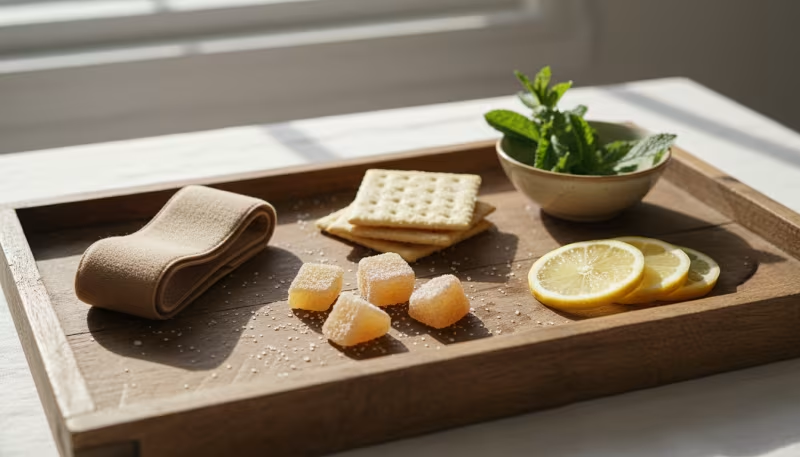
If nausea affects comfort, Livecub's bland diets for pregnancy may help with gentle food ideas before or after bodywork.
Mental Health And Touch
Massage can feel comforting, but pregnancy can also bring anxiety, trauma memories, body discomfort, or low mood. Stop immediately if touch feels emotionally wrong. The pregnant person does not need to explain.
Livecub's depression during pregnancy can help name mood symptoms, but urgent mental health symptoms require immediate support.
Seated Massage Option
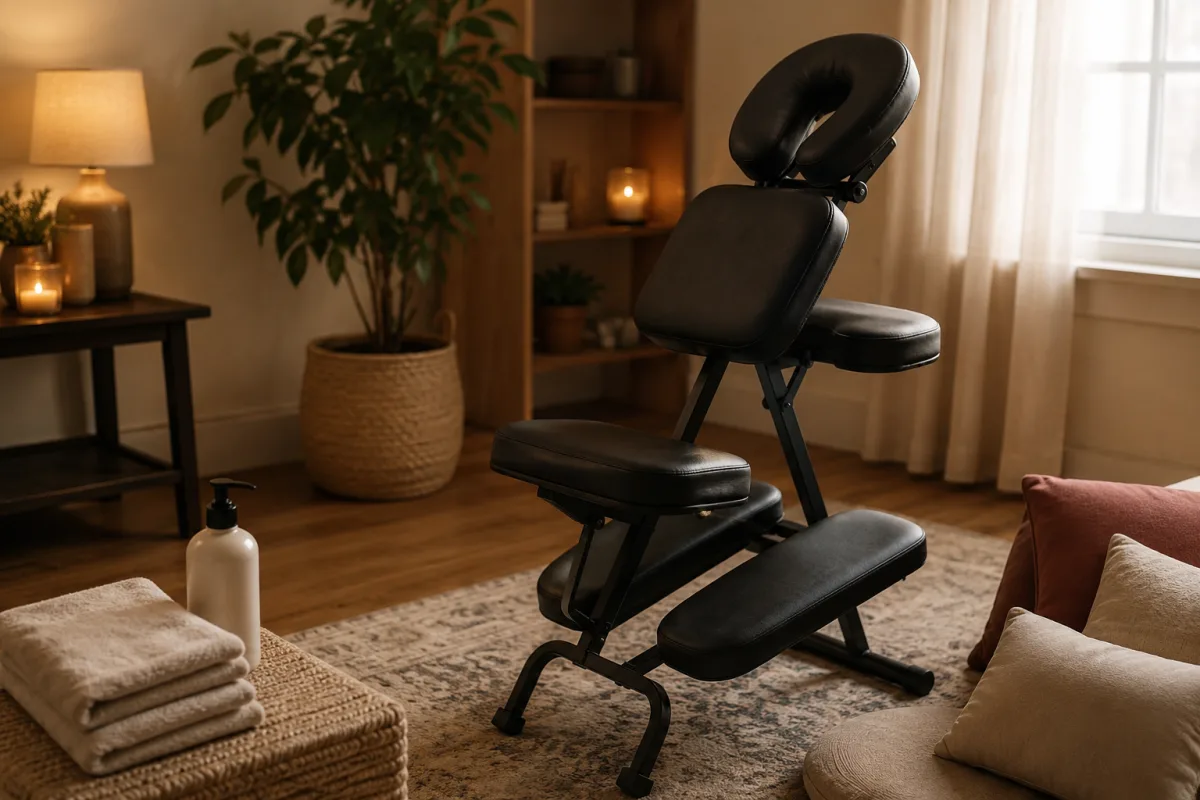
If side-lying is awkward, try seated support. The pregnant person can sit backward on a chair with pillows between chest and chair back, or lean forward onto stacked pillows on a table. Keep the neck neutral and shoulders relaxed.
Seated massage works well for shoulders, upper back, hands, and scalp. Avoid leaning so far forward that breathing or belly comfort feels restricted.
Pressure Changes By Trimester
Comfort changes across pregnancy. Early nausea may make smell and touch harder. Later pregnancy may bring hip pain, back strain, swelling, reflux, or shortness of breath. Ask each time rather than assuming last week's pressure still feels good.
If swelling is sudden, one-sided, painful, or paired with headache or vision changes, skip massage and call the care team.
Set Up The Room
Keep the room cool enough, use stable pillows, and make sure the pregnant person can get up slowly. Keep water nearby. Avoid candles or strong fragrance if nausea or headaches are present.
The setup should make stopping easy. If the person feels trapped by pillows, blankets, or expectations, the massage is no longer relaxing.
Partner Script
A simple script helps: "Tell me if you want less pressure, a different spot, or to stop." During the massage, ask, "Still okay?" A short check-in is better than waiting for discomfort to become pain.
Afterward ask what helped and what did not. That makes the next massage safer and more comfortable.
When Not To Use Heat
Warm towels can feel good on shoulders or low back, but avoid overheating. Do not use hot stones, very hot packs, saunas, or heat over the belly. Pregnancy can change heat tolerance, and dizziness is a reason to stop.
Use mild warmth, short periods, and check skin often. If the person feels flushed, faint, or nauseated, remove heat and cool the room.
Skip Risky Claims
A home massage should not promise to induce labor, turn a baby, treat swelling, or fix pelvic pain. Those are medical concerns. Comfort touch is different from treatment.
If someone wants massage because pain is worsening, ask the clinician whether physical therapy, pelvic health care, or a trained prenatal massage therapist is more appropriate.
Use Clean Hands And Stable Surfaces
Wash hands, trim nails, and avoid massage if you have a contagious skin infection. Use a stable bed, couch, or chair. Slippery oils, loose rugs, and awkward pillow stacks can make getting up harder.
Help the person rise slowly after side-lying. Lightheadedness can happen when changing position.
Keep Sessions Short
A home pregnancy massage does not need to last an hour. Ten to twenty minutes may be enough, especially with nausea, fatigue, or back discomfort. Short sessions also make it easier to stop before pressure becomes too much.
Comfort touch should leave the person feeling safer, not trapped in a long routine that becomes tiring, awkward, unwanted, or physically uncomfortable afterward.
Frequently Asked Questions
Can I massage a pregnant belly?
Only with permission, and only lightly. Avoid deep pressure or kneading.
Is deep tissue massage safe in pregnancy?
Deep pressure can be risky, especially near swollen or painful areas. Ask the care team.
What position is best?
Side-lying with pillows or seated support is often safer and more comfortable than lying flat.
Can foot massage start labor?
Do not rely on pressure-point claims. Keep foot massage gentle and ask your clinician if concerned.
When should massage stop?
Stop for pain, dizziness, nausea, bleeding, contractions, fluid leakage, headache, or any unsafe feeling.
The Safe Touch Rule
Pregnancy massage should be gentle, consent-based, well-positioned, and stopped at the first warning sign. Use side support, avoid deep pressure, skip risky areas, and involve a trained prenatal professional when pain or medical risk is more than mild discomfort.

Alyssa Curlin
Edits general health, nutrition and education explainers. Medical topics are educational and link to public-health guidance.

Leave a reply
Replying to