
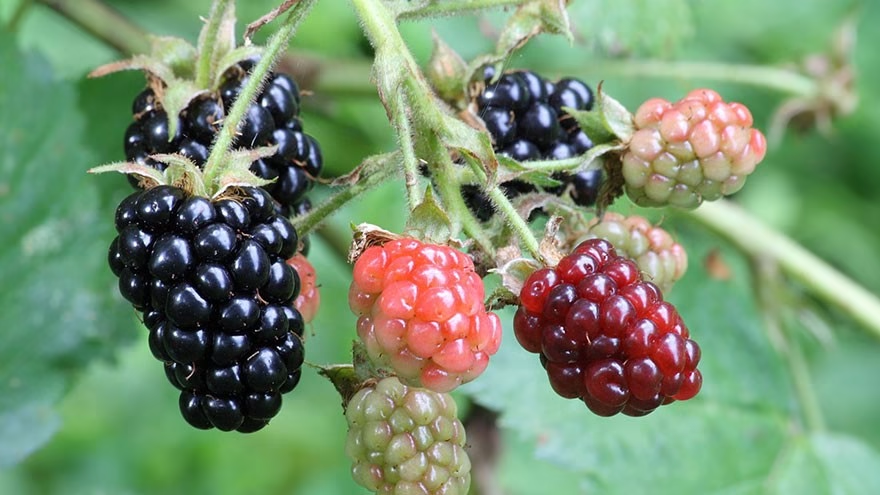
Wild Berries Are Not a Guessing Game
How to Picking Wild Berries? The better wording is how to pick wild berries safely. The first rule is simple: do not eat a berry unless you can identify the plant with certainty.
Color, shape, and internet guesses are not enough. Learn the leaves, stems, thorns, flowers, growth habit, season, habitat, and lookalikes. If you are unsure, do not taste it.
A wrong berry can turn a pleasant walk into an emergency.
Learn With Local Sources
Use local field guides, extension resources, park rangers, native plant groups, or experienced foragers who know your region. A berry that is common and edible in one area may have dangerous lookalikes in another.
Start with easily recognized berries in your area, such as blackberries, raspberries, blueberries, serviceberries, salmonberries, or huckleberries, depending on region. Even then, learn the whole plant.
Local knowledge matters more than a generic berry chart.
Do Not Trust Apps Alone
Plant apps can be useful as a starting point, but they should not be the final decision for food. Lighting, leaf angle, immature fruit, and nearby plants can confuse an app or a quick photo search.
Confirm with more than one reliable source. Compare leaves, stems, fruit clusters, thorns, flowers, season, and habitat before you pick. If a detail does not match, stop.
For a first season, go with someone who already knows local edible berries. A short walk with a careful teacher is better than hours of guessing online.
Learn the Plant Before Fruit Appears
The safest berry pickers recognize plants before ripe fruit makes them tempting. Watch the same patch through flowers, green fruit, ripe fruit, and leaf changes if you can.
This slow approach teaches more than one lucky harvest. You learn where the plant grows, how it branches, what the leaves look like from different angles, and which nearby plants could be mistaken for it.
Take your own photos for study, but do not let a photo replace field marks. A berry is only one part of the identification.
Check Permission and Rules
Do not pick on private land without permission. Public land rules vary. Some parks allow small amounts for personal use, while others restrict or prohibit gathering.
Shenandoah National Park's page on collecting plants notes that small amounts of fruit may be collected for personal use under park rules. Other parks set different limits, so check before picking.
Legal foraging starts before the basket comes out.
Avoid Contaminated Sites
Avoid harvesting wild berries from roadsides, railroads, industrial edges, treated lawns, drainage ditches, and unknown sprayed areas. These places can expose fruit to vehicle residue, runoff, or chemicals.
Choose clean sites away from heavy traffic and chemical use. Wash berries before eating, but do not assume washing fixes contamination from a bad site.
Plan the Route Back
Berry patches have a way of pulling people farther than planned. Mark your starting point, watch the time, and keep enough water for the walk back.
Do not rely only on a phone if service is weak. Carry a simple map, note the trail name, and tell someone where you are going if the area is remote.
Pick during daylight and avoid pushing into thick brush when weather is changing. A full basket is not worth getting turned around.
If children are with you, set clear boundaries before anyone starts picking. Keep all berries in adult-controlled containers until identification and sorting are finished. That rule prevents casual snacking from an unsorted basket on the trail.
Watch Wildlife and Weather
Berries feed birds, bears, deer, insects, and many other animals. Make noise in dense brush, stay aware, and do not push into places where visibility is poor.
NPS guidance for berry picking in Denali reminds visitors to be aware in bear and moose country. Even outside Alaska, berry patches can attract wildlife.
The best berry patch is not worth surprising an animal.
Bring the Right Gear
Wear closed shoes, long sleeves, sun protection, and tick-aware clothing. Bring water, a small first-aid kit, a local guide, containers, and a phone or map.
Use shallow containers so berries do not crush under their own weight. A small bucket, berry basket, or rigid food container works better than a deep bag.
Livecub's fresh vegetable freezing guide can help later if you plan to freeze what you pick.
Harvest Small Amounts First
Take a small amount from a new patch until you know the plant, the land rules, and how the fruit tastes after cleaning. New foragers often pick too much and then rush to use it.
Small batches are easier to sort, easier to identify again at home, and easier to preserve before they soften.
If you are trying a berry for the first time, confirm its identity again before it goes into a recipe or freezer bag.
Pick Gently
Ripe berries usually release with a light touch. If you have to yank, the fruit may not be ready or you may be damaging the plant.
Leave unripe berries, damaged berries, and plenty of ripe berries for wildlife and other foragers. Do not strip a patch bare.
Good foraging leaves the plant able to keep living.
Separate Berry Types
Do not mix different wild berries in one container while you are learning. Keeping them separate helps you double-check each plant and catch anything that slipped in by mistake.
Label containers by location and plant if you are gathering more than one kind. A piece of tape on the lid can prevent confusion later.
At home, throw away any berry you cannot identify with the same confidence you had outdoors.
Know High-Risk Examples
Some berries need special handling or should be avoided unless you have expert knowledge. Penn State Extension's article on elderberry in the kitchen notes that elderberries should not be consumed raw and that leaves, stems, and seeds contain compounds of concern.
This is why casual tasting is risky. Edible use may depend on the exact species, plant part, ripeness, and preparation.
Edible after proper preparation is not the same as edible from the bush.
If Someone Eats an Unknown Berry
Do not wait for symptoms if a child, pet, or adult eats an unidentified wild berry. Save a sample of the plant if you can do so safely, note the location, and contact Poison Control, a veterinarian, or emergency services as appropriate.
Do not try home tests, forced vomiting, or internet remedies. Identification and medical advice need to come from qualified help.
This is another reason to keep picked berries away from snacks until sorting is finished.
Sort Before You Store
At home, sort berries on a tray. Remove leaves, stems, insects, underripe fruit, moldy berries, and anything you are not fully sure about. Keep different berry types separate if identification matters.
Refrigerate berries soon if you will eat them fresh. Do not wash delicate berries until close to use unless they are dirty and need immediate attention.
Clean According to the Berry
Firm berries can handle a gentle rinse and drying on a towel. Softer berries may break down if washed too early, so sort first and rinse close to eating or cooking.
Remove stems, insects, and leaves before freezing. Freeze in a single layer on a tray if you want loose berries instead of a frozen block.
For cooked uses, bring the fruit to the recipe's needed temperature and follow tested preserving instructions for jams, syrups, and shelf-stable jars.
Use or Preserve Quickly
Wild berries are often delicate. Use them in oatmeal, yogurt, pies, cobblers, pancakes, sauces, salads, syrups, or jam if you know safe preserving methods.
For a dessert table, Livecub's cookie display guide can help pair berry desserts with cookies or small sweets. Livecub's fudge icing recipe is richer, so berries can bring a tart contrast.
Frequently Asked Questions
How do I know if a wild berry is safe?
Identify the entire plant with reliable local sources. If you are not certain, do not eat it.
Can I pick wild berries in parks?
Rules vary by park and land agency. Check local regulations, quantity limits, and personal-use rules before picking.
Where should I avoid picking berries?
Avoid roadsides, railroads, sprayed areas, polluted sites, private land without permission, and places where wildlife risk is high.
How should wild berries be stored?
Sort them gently, refrigerate soon, keep them shallow, and use or freeze them quickly because wild berries can spoil fast.

Linda Fehrman
Edits general wellness and relationship explainers. Health material is educational, avoids diagnosis and links to health-authority guidance.




Leave a reply
Replying to