

People usually ask how to rediscover yourself after a life shift: breakup, grief, parenthood, illness, burnout, a move, faith change, job loss, caregiving, or years of doing what other people needed. The feeling is not always dramatic. Sometimes it is just a quiet sense that your days no longer sound like you.
Rediscovery is not a single grand decision. It is noticing what still fits, what no longer fits, and what needs a small test before you can trust it.
Start With What Feels Off
Do not begin with a perfect vision of your future self. Begin with friction. What drains you more than it used to? What do you keep saying yes to with a tight chest? What parts of your week make you feel flat, tense, resentful, or invisible?
Write the answers without turning them into a life plan. A list of discomforts is useful because it shows where the old arrangement is asking for review.
Use Values Instead Of Labels
Labels can be heavy: successful, creative, good parent, loyal friend, strong person, spiritual person, productive person. Values are easier to test. Do you want more honesty, steadiness, curiosity, service, privacy, faith, beauty, learning, courage, or rest?
Mayo Clinic's self-esteem guidance suggests noticing thoughts and beliefs rather than accepting them as final truth: Mayo Clinic self-esteem steps. That same habit helps when an old identity feels too tight.
Make A Small Experiment List

Rediscovery needs action, not only reflection. Make a list of low-risk experiments: cook a different meal, visit a class, take a walk alone, volunteer once, call an old friend, decline one request, read a book from a topic you abandoned, or spend one evening without your usual screen routine.
Each experiment should be small enough that you can do it even if it feels awkward. You are collecting evidence, not proving a new personality.
Tracking can help; Livecub's guide to writing a food journal shows how simple notes can reveal patterns over time.
Look At Your Energy, Not Only Your Mood
Mood changes by day. Energy patterns are often clearer. What gives you calm energy? What gives you buzzy, anxious energy? What leaves you tired but satisfied? What leaves you tired and bitter?
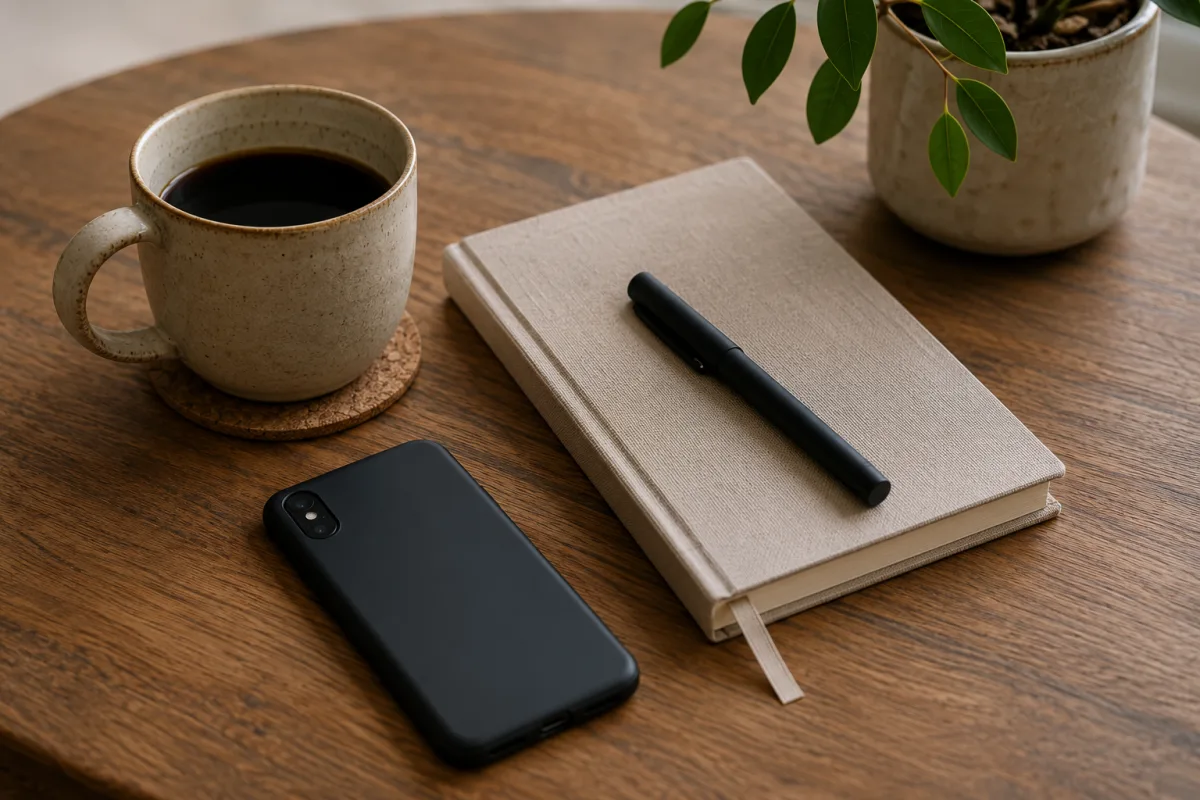
A rediscovery journal can use four columns: activity, body feeling, mood after, and would I do this again. After two weeks, the pattern may surprise you.
Revisit Old Interests Carefully
An old interest may still belong to you, or it may belong to a past version of you. Try it without forcing nostalgia. If you loved painting, buy one cheap brush and paint for twenty minutes. If you loved running, walk the route first.
The question is not did this make me feel like I used to. The question is did this feel alive enough now to try again.
Notice Who You Become Around People
Some people bring out your most honest voice. Others pull you into old roles: fixer, clown, quiet one, overachiever, caretaker, agreeable one. Rediscovery often requires noticing those roles without blaming yourself for learning them.
NIMH's mental health self-care guidance includes connection, goals, and seeking help when needed: NIMH caring for your mental health. The people around you can either help a change take root or keep tugging you back.
If speaking honestly is hard in specific settings, Livecub's article on selective mutism is a reminder that silence can have deeper roots than preference.
Give Grief A Seat
Sometimes rediscovering yourself means admitting that a former life is gone. You may miss a body, marriage, career, city, church, friendship, or age. Skipping grief can make every new choice feel disloyal.
Write what you miss without trying to solve it. A person can be grateful for the present and still mourn what changed.
Use Boundaries As Clues
Where do you need a clearer no? Where do you need a slower yes? Boundaries reveal values because they show what keeps getting crossed. Start with one sentence you can actually say: I cannot do that this week. I need to think first. I am not discussing that tonight.
Pressure around being seen can overlap with identity work; Livecub's article on stage fright may help when attention makes self-expression harder.
Do Not Turn Rediscovery Into A Makeover
Haircuts, clothes, travel, tattoos, and new hobbies can be part of change. They are not the whole change. A makeover may mark a transition, but the deeper work is how you spend time, choose people, make decisions, and speak to yourself.
If the new version of you requires constant performance, it may be another mask. A rediscovered self should feel more honest, not more exhausting.
Ask Better Questions
Try questions that do not demand a grand answer: What did I enjoy before I learned to be useful? What do I envy in others, and what does that reveal? What am I tired of pretending? What would I try if I did not need to announce it?
Some people find movement helps thinking. If the body side of confidence matters, Livecub's guide to tryout nerves shows how preparation and identity can meet under pressure.
Use Support Without Outsourcing Yourself
A therapist, coach, pastor, mentor, friend, or group can help you hear yourself. They should not hand you a ready-made identity. Good support asks cleaner questions and helps you notice what you already know.
If low mood, panic, trauma symptoms, self-harm thoughts, or major life impairment are present, treat that as a care need. Rediscovery is easier when the nervous system is not in constant alarm.
Build The New Self In Ordinary Days

Mayo Clinic describes positive thinking as approaching unpleasant situations in a more productive way rather than denying them: Mayo Clinic positive thinking. That grounded view fits rediscovery too.
The new self is built in ordinary choices: what you answer, what you ignore, what you practice, what you repair, what you stop explaining, and what you return to after a hard day. A life that feels like yours will not arrive all at once, but it can be tested one week at a time.
If motivation is low or age and health shape the process, Livecub's guide to motivation in older adults offers a related support frame.
Try A Values Week
Choose one value for a week and give it a small action each day. If the value is honesty, answer one message plainly. If it is rest, stop one task earlier. Values become clearer when they touch the calendar.
Use Your Envy
Envy can be useful if you do not turn it into self-attack. Ask what the envy points toward: freedom, friendship, creative work, fitness, faith, money stability, quiet, courage, or recognition. Then test one small version.
Make Room For Boredom
A rediscovered self may not appear while every quiet minute is filled. Leave some empty space: a walk without audio, ten minutes on the porch, or a slow errand. Boredom can reveal what constant input hides.
Change One Repeating Pattern
Pick one pattern, not the whole life. Stop answering work messages at dinner. Take Saturday morning back. Call one friend monthly. A small repeated change teaches more than a dramatic promise.
Let Identity Stay Unfinished
You do not need a final label before changing. I am testing this is a strong sentence. It lets you move without declaring a new self to everyone watching.
Let People Catch Up
When you change, people may still speak to the older role. Give safe people time to adjust, but do not keep performing the old self just to keep them comfortable.
Choose One Private Practice
Pick one practice no one has to approve: ten minutes of reading, a walk, prayer, sketching, budgeting, or silence. Private practice rebuilds trust with yourself.
Frequently Asked Questions
How do I start rediscovering myself?
Start by listing what feels off, then run small experiments that test values, interests, boundaries, and energy patterns.
Can journaling help?
Yes. Short notes can show what drains you, what steadies you, and which changes feel real enough to repeat.
What if I do not know what I want?
Begin with what you no longer want, then test small choices. Clarity often comes after action, not before it.
Do I need to change everything?
No. Rediscovery may mean keeping some parts, repairing some, and releasing others.
When should I get professional help?
Seek help if the process brings severe distress, trauma symptoms, self-harm thoughts, panic, depression, or daily impairment.
This article is for general information only and is not medical or mental health advice. If symptoms, distress, or safety concerns are present, contact a qualified professional or emergency services.

Alyssa Curlin
Edits general health, nutrition and education explainers. Medical topics are educational and link to public-health guidance.




Leave a reply
Replying to