How to Set Digital Boundaries with Your Smartphone
Ever feel like your smartphone has become less of a helpful tool and more of a tiny, glowing overlord, constantly demanding your attention? You know the feeling, right? That little buzz in your pocket that pulls you away from a conversation, the endless scroll that eats up an hour you meant to spend on something important, or the irresistible urge to check "just one more thing" before bed, only to find yourself wide awake at 2 AM.
It's a common story these days. We all love the convenience and connection our phones offer – I certainly do! But lately, it feels like the lines between using our phones and being used by them have gotten incredibly blurry.
If you're nodding along, feeling that familiar tug-of-war between convenience and compulsion, then you're exactly where I was not too long ago. It’s time to take back some control, friend.
Why This Matters
Here’s the thing: our relationship with our smartphones isn’t just about screen time; it’s about our quality of life. When your phone is constantly vying for your attention, it affects pretty much everything. Think about it.
Your mental health can take a hit – increased anxiety, feelings of inadequacy from endless social media comparison, and that constant low-level stress from being "always on." Personally, I've noticed a huge difference in my own peace of mind since I started setting some stricter boundaries. My sleep?
Oh my goodness, that’s a big one. The blue light and mental stimulation from scrolling before bed mess with your body's natural sleep cycle, leaving you tossing and turning. And then there's productivity.
How many times have you sat down to work on something important, only to find yourself distracted by a notification every few minutes? Our brains aren't designed to context-switch so rapidly, and it chips away at our ability to focus deeply.
But it's not just about what you lose; it's about what you gain. When you reclaim your attention from your phone, you open up space for so much more. Deeper conversations with loved ones, genuine presence in the moment, the chance to pick up a forgotten hobby, even just the simple joy of staring out the window without an agenda.
It’s about being more present for the people in your life and, crucially, for yourself. It’s about remembering what it feels like to be truly bored and letting your mind wander, which, as I’ve learned, is where creativity often sparks. Setting digital boundaries isn't about ditching your phone entirely; it's about creating a healthier, more intentional relationship with it, one where you're in the driver's seat, not just along for the ride.
Taking Back Control: Your Notification Overhaul
When we talk about digital boundaries, the absolute first place to start is with notifications. Seriously, these little pings and buzzes are the digital equivalent of someone constantly tapping you on the shoulder, demanding your attention. Our phones are designed to be addictive, and notifications are the primary mechanism for that.
They pull us out of whatever we're doing, break our concentration, and often lead to an endless rabbit hole of checking other apps. I used to be a slave to every single notification. Every email, every social media like, every news alert – they all felt urgent.
But what I discovered, after months of feeling utterly overwhelmed, was that 99% of them could wait. The sheer volume of interruptions was keeping my brain in a perpetual state of low-level stress, and frankly, it was exhausting.
The good news? This is one of the easiest and most impactful areas to tackle. It requires a bit of upfront effort, but the payoff in terms of reclaimed focus and peace of mind is enormous.
Think of it like decluttering a messy drawer; once it's organized, it stays that way with minimal upkeep. My personal journey started with a full audit, and it was eye-opening. I realized how many apps I barely used were still sending me daily or weekly alerts.
It felt like I was constantly being yelled at by my phone. If you’re feeling the same, let's roll up our sleeves and get those notifications under control. This isn't about missing out; it's about opting in only to what truly serves you and your immediate needs.
Your Notification Freedom Plan
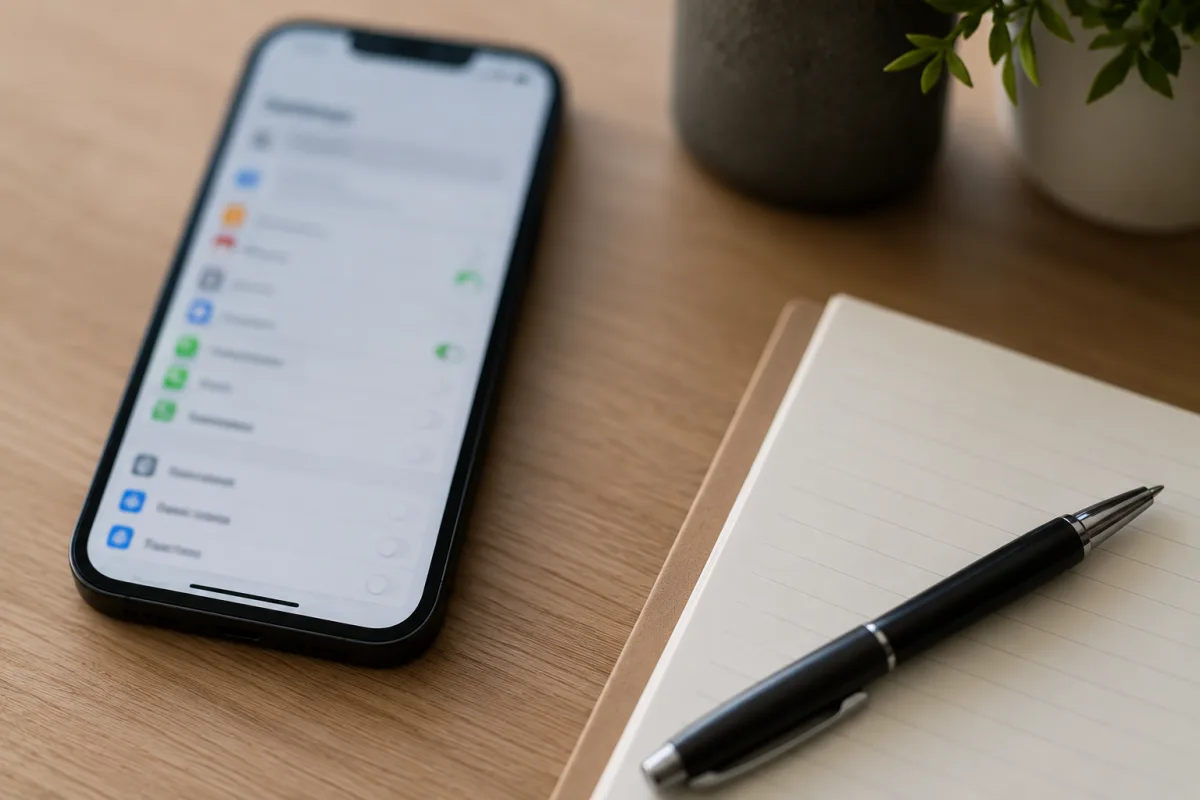
- Perform a Ruthless Notification Audit: This is step one, and it's where you get really honest with yourself. Go into your phone’s settings, then to "Notifications." Now, scroll through every single app. For each app, ask yourself: "Does this app *really* need to interrupt me right now?" For most social media apps, news apps, and games, the answer is probably no. Turn off banners, sounds, badges, and lock screen alerts for anything that isn't absolutely critical. Critical means things like messaging apps for work or family emergencies, or maybe your calendar if you rely heavily on reminders. I've found that disabling most social media notifications immediately lowers my stress. It's amazing how much quieter your digital world becomes when you only hear from the things that truly matter.
- Batch Non-Essential Notifications: For those apps where you do want to keep *some* level of notification, but don't need real-time pings, look for options to batch them. Many operating systems now offer "Scheduled Summary" features, allowing you to get a digest of non-urgent notifications at specific times of the day (e.g., 9 AM and 5 PM). This means instead of getting a constant trickle of email alerts, you get a summary at a designated time. This empowers you to check in when it suits *you*, rather than when the app dictates. What I love about this is it teaches you that most things aren't as urgent as they feel.
- Implement Sound and Vibrate Discipline: This one might seem simple, but it’s incredibly powerful. Do you really need your phone to make a noise or vibrate every time you get a notification? For 90% of notifications, the answer is probably no. Most of my phone notifications are completely silent. I still get the visual cue if I happen to be looking at my phone, but no auditory interruption. For those things that are truly urgent (like a call from my kid's school or a text from my partner), I allow a distinct sound. This creates a clear hierarchy of importance. You might even consider turning off vibrations for most apps. That subtle buzz in your pocket is often just as distracting as a sound, even if you don't consciously register it at first. It still pulls your attention away, however briefly. Give it a try; you might be surprised by the newfound calm.
Crafting Intentional Digital and Physical Spaces
Once you’ve wrestled those notifications into submission, the next frontier in setting digital boundaries involves thinking about where and when your phone fits into your physical and mental spaces. It’s not just about what pings; it’s about establishing zones and times where your phone simply doesn’t belong, or where its presence is intentionally limited.
For a long time, my phone was my constant companion, from the moment I woke up until I closed my eyes at night. It even made its way into the bathroom with me, which, let’s be honest, is a habit many of us share but probably don't love. I realized this ubiquitous presence was making it impossible to truly disconnect, even when I *wanted* to.
My brain was always in "on" mode, ready for the next piece of information.
This phase is about creating physical and temporal barriers. It’s about consciously deciding, "This is a phone-free zone," or "During these hours, my phone takes a back seat." It takes a bit more discipline than just tweaking settings, because it often involves changing ingrained habits and even communicating these new boundaries to others.
But the freedom and clarity you gain are absolutely worth it. My journey involved a lot of trial and error, experimenting with different rules and seeing what stuck. What I found was that small, consistent changes make the biggest difference in the long run.
It's not about being perfect, it's about being intentional.
Let's talk about specific strategies for creating these sacred, phone-free spaces in your life:
First off, designate phone-free zones. This is probably the most straightforward boundary you can set. For me, the bedroom is a huge one.
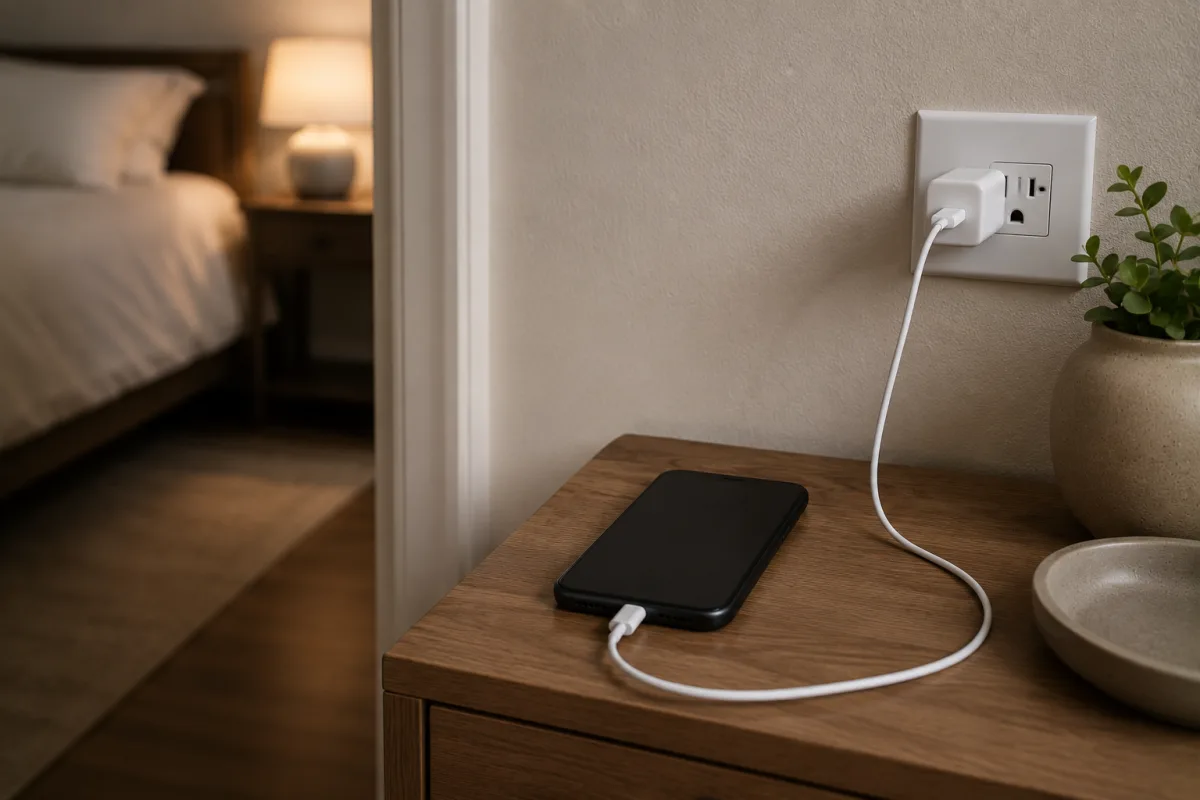
My personal rule: no phone in bed 30 minutes before I plan to sleep, and no picking it up for the first 30 minutes after waking. I charge it across the room, which makes it less tempting to grab it for that early morning scroll. The dining table is another critical zone.
When you’re sharing a meal with family or friends, let that be a time for genuine connection, not for everyone to stare at their screens. The beauty of this is it immediately elevates the quality of your interactions. Another space I’ve implemented this in is my home office during deep work sessions.
If I need to focus for an hour, the phone goes into a drawer, out of sight and out of mind. Think about the places where presence and connection are paramount in your life and commit to making them phone-free zones.
Next up, let’s consider time blocking for focus and for phone use. This sounds rigid, but it's incredibly freeing. Instead of constantly reacting to your phone, you proactively decide when you'll engage with it.
For example, I'll set specific blocks of time during my workday for focused tasks, and during those times, my phone is on "Do Not Disturb" (more on that later) and flipped face down, or even in another room. Then, I’ll schedule specific 15-minute windows, say, at 10 AM, 1 PM, and 4 PM, where I allow myself to check emails, social media, and catch up on messages.
This eliminates that constant low-level anxiety of wondering if you’re missing something, because you know you have designated times to check in. It also makes you more efficient with your phone time, because you’re doing it with purpose. It's not just random picking up; it's a deliberate action.
Finally, embrace the concept of a "digital sunset." This is a powerful boundary for improving sleep and truly winding down. Pick a time in the evening – for many, it's an hour or two before bed – and make that your phone's official bedtime. For me, it’s 9 PM.
After that, my phone goes onto its charging station in the kitchen, and it stays there until morning. This gives my brain a chance to disconnect from the endless stream of digital information, allowing it to naturally decompress and prepare for sleep. In my experience, this single habit has had one of the biggest positive impacts on my sleep quality and my general sense of calm in the evenings.
Instead of mindlessly scrolling, I might read a physical book, listen to music, chat with my partner, or simply enjoy the quiet. It’s a wonderful way to reclaim your evenings from the glowing screen.
Cultivating Mindful Engagement & Intentional Use
So, you’ve tamed the notification beast and established phone-free zones. Amazing! But what about when you *do* pick up your phone?
This is where mindful engagement comes into play. It’s about shifting from reactive, mindless scrolling to proactive, intentional use. It's easy to fall into the trap of picking up your phone out of habit, boredom, or even anxiety, only to find yourself lost in a labyrinth of apps without any real purpose.
I know I’ve been there countless times. I'd open Instagram to check one thing, and suddenly 20 minutes have vanished, and I can't even remember what I was originally looking for. It feels like your phone is using *you* rather than the other way around.
The goal here isn't to demonize the smartphone – it’s a powerful tool! – but to ensure that when you use it, you're doing so with purpose and awareness. This involves understanding your triggers, making distracting apps less appealing, and consciously replacing old habits with new, more beneficial ones.
It's a deeper level of digital boundary setting that asks you to look inward at your own behaviors and motivations. This part of the journey requires a bit more self-awareness and consistent effort, but the rewards are profound: greater focus, reduced anxiety, and a feeling of being genuinely in control of your digital life.
Let’s dive into some practical ways to cultivate that mindfulness.
One trick that sounds simple but is incredibly effective is to embrace greyscale mode. Many smartphones have a setting that allows you to turn your screen black and white. Why does this matter?
Because bright, vibrant colors are designed to be visually stimulating and incredibly appealing, especially to our dopamine centers. They make apps feel exciting and draw us in. When you switch to greyscale, the world on your phone instantly becomes less captivating.
Those brightly colored app icons lose their allure. Your social media feed, once a riot of engaging hues, suddenly looks a lot less interesting. I swear by this for reducing casual browsing.
I've found that when my phone is in greyscale, I'm far less likely to pick it up mindlessly, and when I do, I'm quicker to put it down because the "fun" factor is diminished. It turns the phone back into a utility, not a dazzling entertainment device. Try it for a day or two; you might be surprised by how much less time you spend staring at your screen.
Next, let’s talk about app organization and accessibility. How easy is it for you to open your most distracting apps? If they’re front and center on your home screen, just one tap away, you’re making it too easy for yourself to fall into old habits.
Think of it like putting unhealthy snacks in the back of the pantry instead of on the counter. My advice? Hide your distracting apps in folders or off your primary home screen altogether. Create a "Utilities" folder for things like your calculator, notes, or maps, and put all your social media apps, games, and endlessly scrolling news feeds into a less accessible folder on a secondary screen.
Better yet, remove them from your home screen entirely, forcing you to actively search for them if you want to use them. The extra steps involved in finding them can be just enough friction to make you pause and ask, "Do I really need this right now?" This simple act of making desirable but distracting apps slightly harder to access can significantly cut down on impulse usage.
Crucially, you need to identify your triggers. What makes you pick up the phone without thinking? Is it boredom during a quiet moment?
Stress or anxiety, where the phone offers a temporary escape? The habit of reaching for it every time you sit down or stand up? Acknowledge these triggers without judgment.
Once you know *why* you're reaching for your phone, you can start to address the underlying need. For instance, if boredom is a trigger, you can prepare by having a book nearby, a journal, or even just a plan to do a quick stretch. If it's stress, perhaps a few deep breaths or a walk around the block could be a healthier alternative.
This isn't about shaming yourself; it’s about understanding your patterns so you can proactively build new ones. What fills that void when you're not on your phone?
And that leads directly to replacing habits with healthier alternatives. The human brain loves habits. It's hard to simply "stop" doing something; it's much easier to replace an old habit with a new one.
Instead of scrolling mindlessly, what else could you do? Pick up that physical book you’ve been meaning to read. Engage in a quick conversation with a loved one.
Take a five-minute walk outside. Do some stretching or a few quick exercises. Listen to music or a podcast without concurrently browsing.
Start a simple meditation. Keep a journal handy. The key here is to have ready alternatives for those moments when you'd normally reach for your phone.
Over time, these new, positive habits will start to take root, making it easier and more natural to resist the pull of the screen. I've personally replaced my "waiting in line" phone habit with listening to podcasts or just observing the world around me, and it's amazing how much more present I feel.
Common Mistakes to Avoid
As you embark on this journey to set better digital boundaries, it's easy to fall into certain traps. Trust me, I’ve made plenty of these mistakes myself! Learning from them is part of the process, and understanding what *not* to do can save you a lot of frustration and help you stick to your goals.
This isn't about perfection; it’s about progress, and sometimes that progress involves a little redirection.
One of the biggest mistakes I see (and used to make myself) is going cold turkey. Trying to completely eliminate your smartphone use overnight is almost always unsustainable. It's like trying to go from zero exercise to running a marathon in a week.
You’ll likely burn out, feel deprived, and then rebound even harder into old habits. Our phones are deeply integrated into our lives for good reason – they’re tools for communication, information, navigation, and even work. The goal isn't total abstinence; it's mindful moderation.
Start with small, manageable changes and build on your successes. Turn off one category of notifications first, then introduce a phone-free hour, then expand from there. This slow, steady approach is far more effective.
Another common misstep is blaming the phone, not the habit. It’s easy to say, "My phone is distracting me," but the phone itself is an inanimate object. It's *our habits* and *our choices* that create the problem.
When you frame it this way, you empower yourself. Instead of seeing the phone as the enemy, see it as a tool that you’ve developed certain habits around. This shift in perspective is incredibly important because it places the power to change squarely in your hands.
It’s not about fighting your phone; it’s about retraining yourself.
Then there's the insidious thought of thinking "just one more check" is harmless. We’ve all done it. "I’ll just check Instagram for a minute," or "I just need to see if that email came through." And before you know it, five, ten, or thirty minutes have passed.
This little rationalization is a slippery slope. Those "one more checks" quickly add up and erode your boundaries. When you’ve decided on a phone-free period or a time-blocked session, stick to it.
The moment you make an exception, you weaken your resolve for next time. Be firm with yourself, especially in the beginning, and remind yourself that the world won't end if you don't check it right this second.
And let's not forget about not communicating your boundaries to others. If you decide that dinner time is phone-free, but your partner or kids are still on their devices, it’s going to be tough to maintain. Similarly, if you’re trying to reduce your responsiveness to messages, your friends might get annoyed if they’re used to instant replies.
A quick conversation can go a long way. Explain *why* you’re making these changes – for better presence, less stress, more focus. Most people will understand and often appreciate the honesty.
You might even inspire them to try it too! I’ve had friends tell me they actually appreciate that I don’t reply immediately to every text; it sets a healthier expectation.
Finally, a big mistake is ignoring the "why" behind the phone use. As we discussed earlier, your phone often fills a void – boredom, anxiety, loneliness, stress. If you only cut down on phone time without addressing these underlying needs, you’re just creating a bigger void that your brain will try to fill with something else, or you'll just rebound.
Take some time to truly reflect: What emotions or situations typically lead you to reach for your phone? Once you identify the "why," you can then find healthier, more fulfilling ways to meet that need. That might involve scheduling more social time, finding a new hobby, or practicing mindfulness.
It's a holistic approach that truly leads to lasting change.
Expert Tips for Deeper Digital Wellbeing
Okay, you’ve mastered the basics, you're avoiding common pitfalls, and you’re feeling more in control. Now, if you're ready to really lean into this and cultivate even deeper digital wellbeing, these expert tips are for you. These are the strategies that move beyond initial boundary setting and help integrate mindful tech use into the very fabric of your daily life.
They require a bit more intentionality and consistency, but the payoffs in terms of peace, focus, and genuine connection are immense. I've experimented with all of these, and each one has offered unique benefits to my personal digital journey.
First off, consider implementing scheduled digital detoxes. This goes beyond daily boundaries; it's about taking intentional, longer breaks from your devices. Start small: a full day once a week (maybe Sunday?).
Work up to a weekend or even a few days. The idea is to completely disconnect from screens (beyond absolute necessities like work emergencies, if unavoidable) and fully immerse yourself in the analog world. What I love about a scheduled detox is it helps reset your brain, reminding you that life continues, thrives even, without constant digital input.
You'll rediscover hobbies, enjoy nature, engage deeply with loved ones, and often return to your devices with a renewed sense of purpose and a fresh perspective on how you want to use them. It’s like hitting a refresh button for your entire system.
Next, wholeheartedly embrace analog tools. The more you rely on your phone for *everything*, the harder it is to separate from it. Can you replace certain phone functions with physical alternatives?
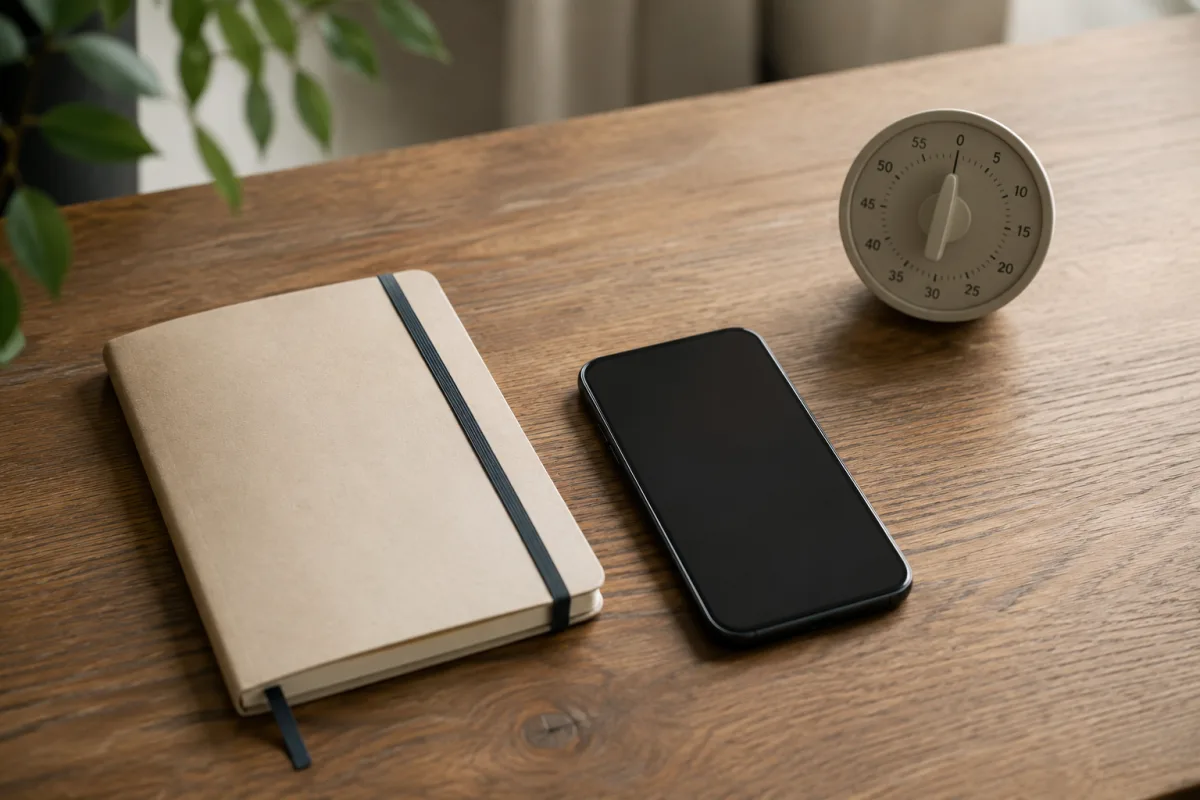
Get a good old-fashioned alarm clock so your phone doesn't need to be in your bedroom. Buy a physical planner or journal instead of relying solely on digital apps for your schedule and thoughts. Wear a wristwatch so you don't pick up your phone just to check the time.
Keep a physical book by your couch for those moments you'd usually scroll. These small shifts reduce the number of reasons you need to pick up your phone, thereby reducing the chances of getting sucked into distractions. Plus, there's a certain tactile satisfaction that comes from using analog tools that digital screens just can't replicate.
Leverage your phone's own features to set automated rules and focus modes. Modern smartphones come with powerful tools designed to help you manage your digital life, but many of us don’t use them to their full potential. Explore your phone’s "Focus Modes" (or similar features like Do Not Disturb schedules).
You can customize these modes for different activities: "Work" mode might allow notifications only from specific work apps or contacts, while "Sleep" mode silences everything except calls from immediate family. You can even set them to activate automatically based on time or location. This is fantastic because it automates your boundaries, so you don't have to constantly remember to turn things on or off.
It’s like having a helpful assistant managing your digital availability for you, allowing you to be present where you need to be, when you need to be there.
Crucially, find and continually remind yourself of your "why." We touched on this in common mistakes, but it's also an expert tip because it's the enduring fuel for your digital boundary journey. What do you *really* want more of by using your phone *less*? Is it more presence with your kids?
More time for a creative project? Better sleep? Reduced anxiety?
A clearer mind? Write it down. Put it somewhere you’ll see it often.
When the urge to scroll mindlessly strikes, or when you feel your boundaries slipping, revisit your "why." This intrinsic motivation is far more powerful than simply trying to "be disciplined." It connects your actions to your deeper values and aspirations, making the effort feel purposeful and rewarding.
Finally, consider bringing in accountability. Share your digital boundary goals with a trusted friend, partner, or family member. Ask them to gently call you out if they notice you slipping back into old habits, or just to check in on your progress.
Knowing someone else is aware of your intentions can provide that extra layer of motivation and support. You could even make it a shared challenge, encouraging each other to stick to phone-free dinners or digital sunsets. Just like with fitness goals, having an accountability buddy can significantly increase your chances of long-term success.
It creates a supportive environment for positive change.
Final Thoughts
Whew! That was a lot, wasn’t it? But taking control of your digital life is such a worthwhile endeavor, and honestly, it’s a journey, not a destination.
There will be days when you nail it, and days when you find yourself mindlessly scrolling again. And that’s totally okay. The key is to approach this with self-compassion, not self-judgment.
Every time you catch yourself slipping, it’s an opportunity to re-engage, remind yourself of your "why," and gently steer back on course. The small, consistent changes you make will add up to a truly significant impact on your mental health, your relationships, your productivity, and your overall sense of wellbeing.
Remember, your smartphone is a tool. A powerful, incredible tool, but a tool nonetheless. It's meant to serve you, to enhance your life, not to dictate your attention or steal your precious moments.
By setting clear, intentional boundaries, you're not just reducing screen time; you're actively creating more space for what truly matters to you. More presence, more connection, more creativity, more peace. So, pick one thing from this list, just one, and try it this week.
See how it feels. Then pick another. You've got this, and I can't wait to hear how much more connected you feel to your actual life, rather than just your digital one.
What's the first boundary you're going to set? Let me know!
Save for later
Found this helpful?
Pin this article to your Pinterest board and come back to it whenever you need a reminder.
Save to Pinterest