
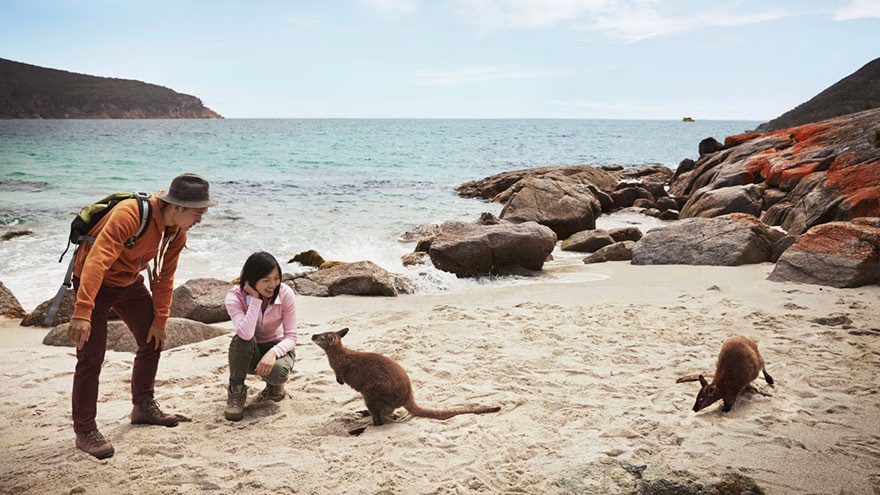
Australia's Icons Are Spread Across a Continent
Iconic Australian Tourist Attractions are not clustered into one easy loop. Australia is huge, and the classic sights sit across long distances, different climates, and different cultural landscapes.
A better trip starts by choosing a few regions well rather than trying to collect every famous photo in one rushed itinerary.
Australia rewards travelers who respect distance.
Start With Sydney Harbour
Tourism Australia's iconic destinations page includes Sydney among the places many first-time visitors should consider.
Sydney Harbour, the Opera House, Harbour Bridge, ferries, coastal walks, and nearby beaches make the city a strong first stop. It also works well for travelers who want a mix of architecture, food, sea views, and day trips.
Livecub's cruise line smoke stack guide is a different travel topic, but Sydney's harbour shows why ports shape how visitors first read a city.
Give the Great Barrier Reef Enough Time
The Great Barrier Reef Marine Park Authority's Reef Authority page describes the reef as a special place managed and protected through a dedicated marine park system.
Visitors usually reach the reef through Cairns, Port Douglas, the Whitsundays, or other Queensland gateways. Snorkeling, diving, sailing, scenic flights, and island stays all offer different versions of the reef.
The reef is not one stop; it is a region.
Travel to Uluru With Cultural Respect
Uluṟu-Kata Tjuṯa National Park's official site describes the park as a living cultural landscape where Aṉangu welcome visitors.
Uluru is more than a rock formation or sunset photo. It is a sacred place with cultural protocols, walking routes, park passes, weather concerns, and stories tied to Country.
Respect signs, photography rules, and guidance from traditional owners. Do not treat the visit as only a backdrop.
Kakadu Is Seasonal
Kakadu National Park can offer rock art, wetlands, wildlife, waterfalls, escarpments, and deep Aboriginal cultural history. Access can change with wet season, road conditions, safety works, and site closures.
Check official access updates before building a trip around one waterfall or road. In northern Australia, timing changes the whole experience.
For condition-sensitive travel, Livecub's Skyline Drive waterfalls guide is a smaller-scale reminder that outdoor sights depend on access and weather.
Respect Indigenous Cultural Sites
Several iconic Australian attractions sit on Aboriginal land or hold deep cultural meaning. Read signs, follow photography guidance, stay on marked paths, and choose tours that treat cultural context seriously.
Iconic does not mean public property without limits.
Build Time for the Outback
Outback travel often involves heat, long drives, limited services, and early starts. Water, fuel, shade, and timing matter.
If you are not used to remote travel, use guided trips or well-supported routes rather than improvising from a map.
Tasmania Deserves More Than a Side Note
Tasmania offers mountains, forests, coast, food, wildlife, convict history, and cooler weather than many mainland regions. Hobart, Freycinet, Cradle Mountain, Bruny Island, and Port Arthur can all shape a strong itinerary.
Do not add Tasmania as an afterthought if you only have one spare day. It works better as its own trip segment.
Melbourne and the Great Ocean Road Add a Different Mood
Melbourne brings food, laneways, sport, art, and easy access to coastal and wine regions. The Great Ocean Road adds cliffs, beaches, and the Twelve Apostles area.
This pairing is a good contrast to reef and outback travel. It is also easier to fit into a southern Australia itinerary.
Consider Western Australia
Western Australia is often skipped by first-time visitors because of distance, but it has major draws: Perth, Rottnest Island, Ningaloo Reef, Margaret River, the Kimberley, and long Indian Ocean coastlines.
It works best as its own trip segment. Trying to add it casually to an east-coast itinerary can burn too much travel time.
Plan Beach Time With Safety in Mind
Australian beaches are beautiful, but surf, rips, marine stingers, sun exposure, and remote access can be serious. Swim between flags where lifeguards operate.
Use sun protection and check local warnings. A famous beach still needs local judgment.
Leave Room for Smaller Icons
Australia's big names are famous for a reason, but smaller places often make the trip feel personal. Local markets, coastal pools, regional museums, botanic gardens, and neighborhood walks can balance the headline sights.
Do not fill every day with major transfers. Some of the best travel memories come from leaving enough time to notice where you are.
Do Not Underestimate Domestic Flights
Sydney to Uluru, Cairns to Melbourne, or Darwin to Hobart are not small hops in a car. Domestic flights often make an Australia trip workable.
Build arrival days lightly, especially after long international flights. Jet lag and heat can make overplanned first days miserable.
Choose Attractions by Season
Tropical north, southern cities, outback regions, and Tasmania do not share one perfect season. Dry season can suit northern parks; shoulder seasons can suit cities; reef visibility and marine seasons vary.
Check climate, school holidays, marine stinger advice, fire conditions, and park access before booking.
Do Not Rush the Great Ocean Road
The Great Ocean Road is more than a photo stop at the Twelve Apostles. Towns, beaches, rainforest pockets, lookouts, and slower coastal sections all need time.
If driving yourself, avoid packing too many stops into one day. Fatigue and unfamiliar roads can make a scenic day harder than expected.
Australia's famous drives are better when they are not treated like errands.
Use Guided Tours Where Context Matters
Some attractions are better with a guide, especially Indigenous cultural sites, reef trips, remote national parks, and wildlife areas.
A good guide adds safety, context, and respect. This is especially useful when visitors do not know local rules.
Book Popular Experiences Early
Reef trips, park accommodation, special walks, ferries, and guided tours can sell out in peak periods. Book early when the experience is central to the trip.
Leave backup options for weather or access changes. A flexible plan can save a day when the first choice is unavailable.
Plan for Wildlife Without Treating It Like a Zoo
Australia's wildlife is part of the appeal, but wild animals are not props. Keep distance, follow park rules, avoid feeding animals, and drive carefully at dawn and dusk.
For other wildlife travel, Livecub's North Conway moose guide shows the same travel ethic: watch without crowding.
Think in Regions, Not Checklists
A strong first trip might pair Sydney with the reef, Melbourne with the Great Ocean Road and Tasmania, or Darwin with Kakadu and the Top End.
Choosing a region helps you spend more time experiencing places and less time crossing airports.
Pack for Several Australias
A single trip can include humid tropics, dry desert, cool Tasmanian evenings, city walking, reef boats, and windy coastlines.
Pack layers, sun protection, swim gear, comfortable shoes, and a refillable water bottle. The country's variety is part of the appeal.
Budget for Distance
Domestic flights, rental cars, tours, park passes, fuel, and regional accommodation can add up quickly. Build travel costs into the budget before committing to a route.
Cutting one far-flung stop can sometimes improve the whole trip by reducing transfers and fatigue.
Use Cities as Recovery Days
Sydney, Melbourne, Brisbane, Adelaide, Perth, Hobart, and Darwin can give you laundry, good meals, easy transport, and slower mornings between outdoor segments.
That matters after reef boats, desert heat, long drives, or overnight flights. A city day is not wasted time if it keeps the rest of the trip enjoyable.
Check Entry and Biosecurity Rules
Australia takes biosecurity seriously. Declare food, plant material, outdoor gear, and other items when required.
Clean hiking boots and camping equipment before travel. Rules protect landscapes and farms, not only airport paperwork.
Good planning starts before the arrival card and continues after landing in Australia too.
Frequently Asked Questions
What are the most iconic Australian tourist attractions?
Sydney Harbour, the Great Barrier Reef, Uluru, Kakadu, Tasmania, Melbourne, and the Great Ocean Road are common highlights.
Can I see all the icons in one trip?
You can see several, but Australia is large. A better trip usually chooses a few regions and gives them enough time.
When should I visit the Great Barrier Reef?
Timing depends on gateway, weather, visibility, stinger season, and the type of reef trip. Check current local advice before booking.
How should I visit Uluru respectfully?
Follow park rules, respect Aṉangu guidance, avoid restricted photography, stay on marked paths, and treat the area as a living cultural landscape.

Linda Fehrman
Edits general wellness and relationship explainers. Health material is educational, avoids diagnosis and links to health-authority guidance.




Leave a reply
Replying to