
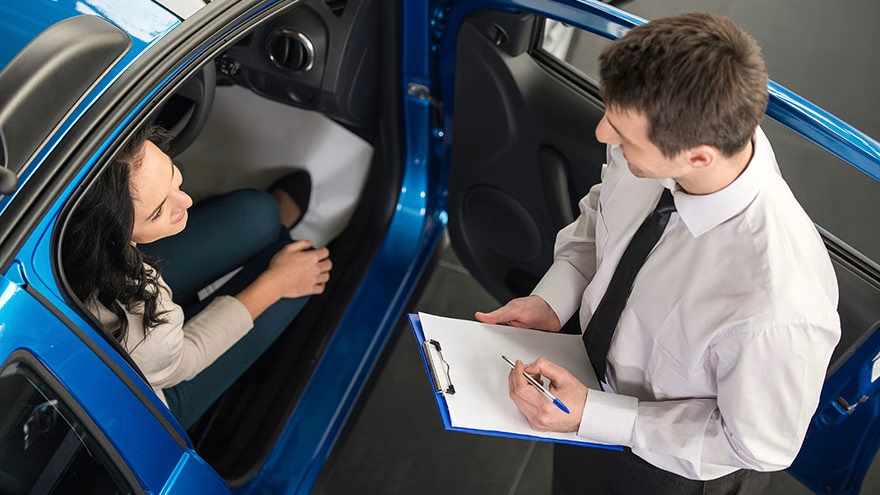
Leasing Cars: Pros & Cons comes down to one tradeoff: a lease can lower the monthly payment and keep you in newer vehicles, but it can also limit mileage, create fees, and leave you with no ownership equity.
A lease is not automatically better or worse than buying. It is a contract. The right answer depends on driving habits, job stability, credit, insurance, taxes, maintenance expectations, and how often you change cars.
How A Car Lease Works
In a typical closed-end lease, you pay for the vehicle's expected depreciation during the lease term, plus rent charge, taxes, fees, and any add-ons. You return the car at the end or buy it if the contract allows.
The FTC says people should get a credit report before visiting the dealership and understand financing or leasing terms before signing: FTC financing or leasing a car.
The monthly payment can look attractive because you are not paying the full purchase price. That lower payment does not mean the total deal is cheap.
Pros Of Leasing
Leasing may offer lower monthly payments than buying the same new car with a loan, depending on the deal. It can also keep the car under warranty for much of the lease term.
It suits drivers who like predictable replacement cycles, drive average miles, maintain vehicles carefully, and do not want long-term resale risk.
Some business owners like leasing for accounting or cash-flow reasons, but tax treatment should be reviewed with a tax professional.
Cons Of Leasing
A lease usually has mileage limits, wear-and-tear standards, early termination fees, and restrictions on modifications. At the end, you may have no vehicle and no equity.
The Federal Reserve notes that lease contracts typically set annual mileage limits, often 10,000 to 15,000 miles, and charge per-mile fees above those limits: Federal Reserve auto leasing context.
If your commute, family needs, or job might change, mileage limits can turn a good payment into a bad fit.
Watch The Money Factor And Residual Value
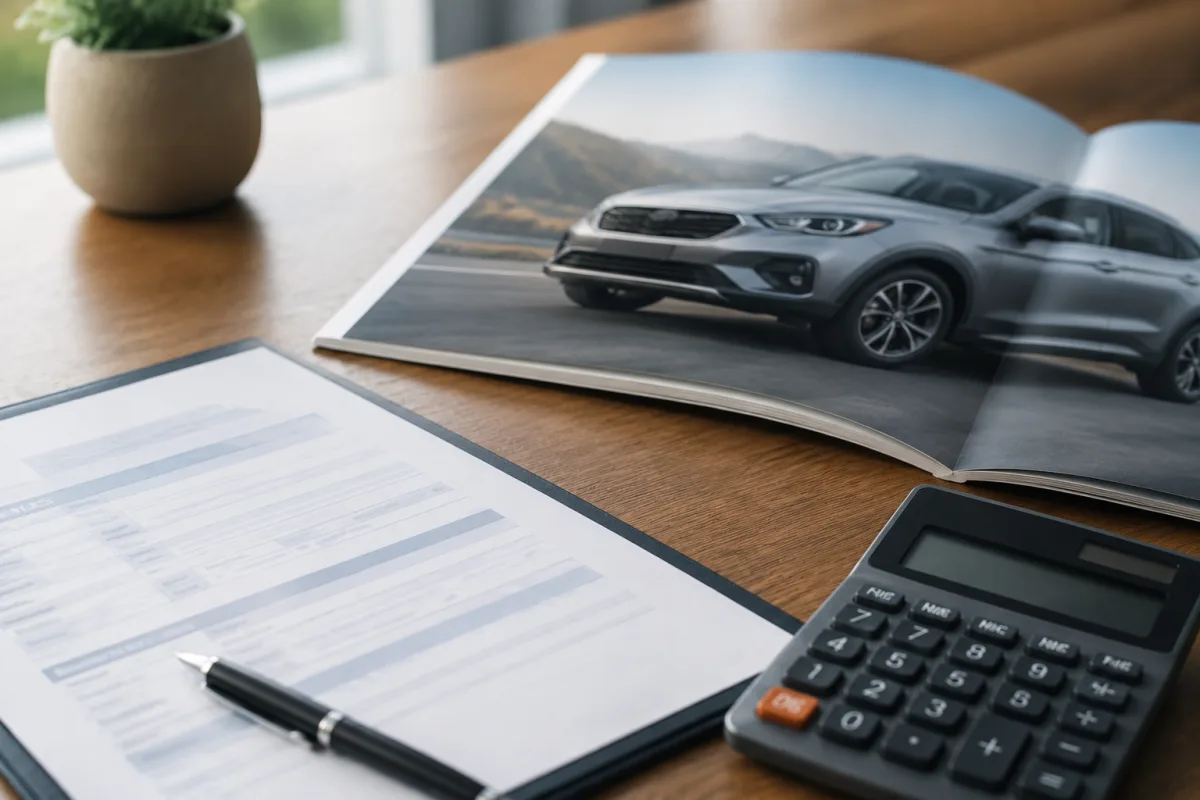
Lease ads often focus on monthly payment. Look deeper: capitalized cost, residual value, money factor, due-at-signing amount, acquisition fee, disposition fee, mileage allowance, and purchase option price.
The money factor is similar to an interest-rate component. The residual value is the expected value at lease end. Both shape the payment.
Ask the dealer to show the full lease worksheet. If the numbers are hard to get, slow down.
Due At Signing Can Hide Cost
A low monthly payment may require a large amount due at signing. That can include down payment, first payment, fees, taxes, and other charges.
Putting a lot down on a lease can be risky. If the car is totaled early, you may not recover that upfront money in the way you expect.
Compare leases by total cost, not only monthly payment. Add every payment, fees, expected mileage charges, insurance, maintenance, and end-of-lease costs.
Mileage And Wear Matter
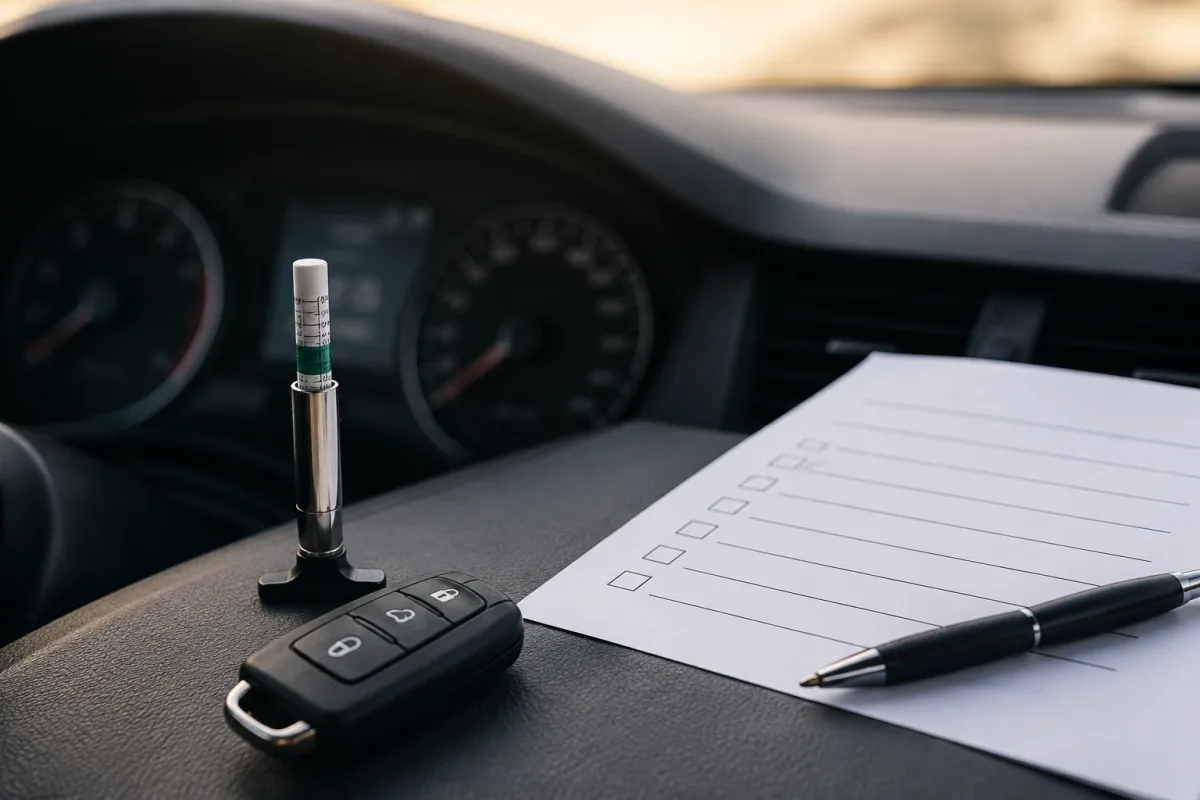
Estimate mileage honestly. Include commuting, school runs, caregiving, road trips, side work, and possible job changes.
Wear charges can include tires, dents, windshield damage, interior stains, missing keys, and skipped maintenance. Return standards vary by lessor.
If your family teaches car budgeting to teens or young adults, teaching kids about money can help explain why the payment is only one part of the deal.
Buying May Fit Better
Buying may be better if you drive high miles, keep cars a long time, want to customize, dislike contract limits, or want ownership equity after the loan is paid.
CFPB's auto loan tools focus on comparing interest rates and terms so consumers can shop financing before they commit: CFPB auto loans.
A used car with a shorter loan can beat both a new lease and a long new-car loan if reliability and repair risk are handled carefully.
Lease Buyout Questions
At lease end, you may be able to buy the car for the residual value plus fees. This can make sense if the market value is higher than the buyout price or if you know the car's history.
Shop buyout financing before accepting the lessor's offer. The buyout price is only one number; the loan rate and term also matter.
If you are comparing safe savings with car decisions, investing in U.S. Treasury bonds and selling a T-bill before maturity are separate money topics, not car advice.
Who Leasing Fits
Leasing may fit someone with stable mileage, stable income, strong credit, predictable use, and a preference for newer cars under warranty.
It may not fit someone who drives a lot, has children or pets rough on interiors, wants to own cars for years, or may need to exit early.
If a salesperson steers you toward add-ons, warranties, or protection plans, ask what each one costs and whether it duplicates coverage already in the lease.
Insurance And Gap Coverage
Leased vehicles often require higher insurance coverage than an older owned car. Price the insurance before signing, not after the payment looks good.
Ask whether gap coverage is included in the lease or offered separately. If the car is totaled, gap terms can affect how much you still owe.
Do not accept add-ons without a clear price and benefit. A small monthly add-on can become hundreds or thousands over the lease term.
Early Termination Risk
Ending a lease early can be expensive. Job loss, relocation, pregnancy, caregiving, or a longer commute can make a once-good lease feel trapped.
Ask for the early termination formula before signing. Do not rely on a salesperson saying you can always trade it in later.
If your life is likely to change, ownership or a shorter commitment may fit better than a low lease payment.
Negotiating A Lease
Negotiate the vehicle price, not only the monthly payment. The capitalized cost affects the lease just as purchase price affects a loan.
Ask for quotes from more than one dealer and compare the same vehicle, term, mileage allowance, down payment, taxes, and fees.
If the numbers do not match the advertisement, ask why before giving a deposit.
End-Of-Lease Inspection
Before returning the car, ask how inspection works, what wear is considered normal, and how disputes are handled.
Take photos, remove personal items, return all keys, gather maintenance records, and fix small issues only if the repair costs less than the expected charge.
If the tires are worn, windshield cracked, or interior stained, price repairs before the return appointment.
Tax And Business Use
Some people lease because a vehicle is used for business. That can be valid, but tax deductions depend on actual use, records, business structure, and tax rules.
Do not lease a more expensive vehicle because someone said it is all deductible. Deductions reduce taxable income; they do not make a bad deal free.
Keep mileage logs and ask a tax professional before mixing personal and business use casually.
Compare Three Endings
Before signing, picture three endings. First, you return the car cleanly and walk away. Second, you buy it because the buyout price is attractive. Third, you need out early because life changed.
A lease that only works in the first ending is fragile. Read the early termination section, the purchase option, the inspection process, and the fees due at return.
This exercise also helps you compare buying. Ownership may cost more each month, but it can give you more control if your mileage, family size, job, or location changes.
Dealer Add-Ons Can Change The Deal
Paint protection, tire plans, service packages, excess wear coverage, and prepaid maintenance can be useful in limited cases, but they should be priced one by one.
Ask whether each add-on is optional, refundable, financed into the lease, or already covered elsewhere. A payment that rises by a few dollars can hide a large total cost over thirty-six months.
If you feel rushed, take the worksheet home. A good lease should still make sense after you read the numbers away from the showroom.
Frequently Asked Questions
Is leasing cheaper than buying?
Monthly payments may be lower, but total cost depends on fees, mileage, insurance, and what happens at lease end.
What happens if I exceed mileage?
You may pay a per-mile fee under the lease contract.
Can I end a lease early?
Usually, but early termination can be expensive. Read the contract before signing.
Should I put money down on a lease?
Large upfront payments can reduce monthly cost but may be risky if the car is totaled early.
Is buying better for high-mileage drivers?
Often yes, because mileage limits and fees can make leasing expensive.
This article is for general information only and isn't financial advice. Consider a qualified financial professional before buying or selling investments.

Patrick Harwood
Edits sports, consumer-finance and general legal explainers. Regulated or time-sensitive topics link to primary sources and are not professional advice.




Leave a reply
Replying to