
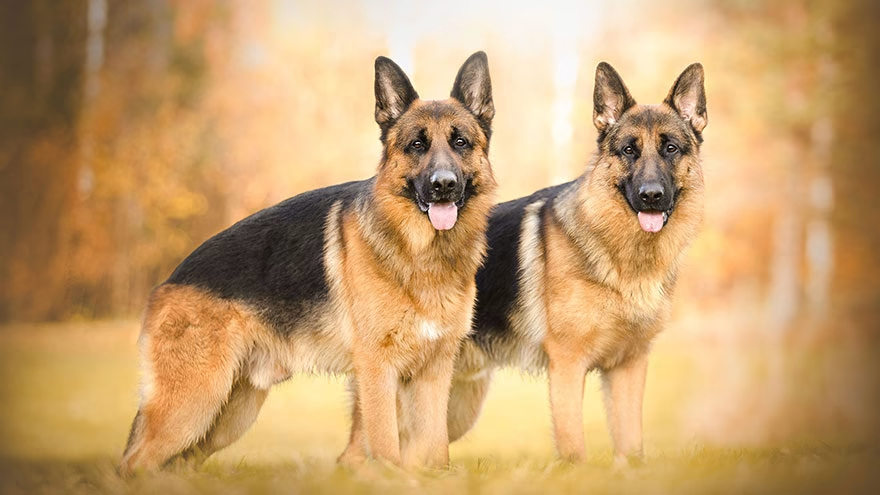
Male vs. female German Shepherd dogs is a question people often ask too early. They want to know which sex is better with children, easier to train, more protective, less dominant, or calmer in the house. Sex can influence size and sometimes behavior patterns, but it does not override breeding, early socialization, training, health, drive, and the individual dog. A thoughtful buyer should choose the dog in front of them, not a stereotype.
The German Shepherd is a powerful, intelligent working breed. Whether male or female, this dog needs structure, exercise, training, social contact, and an owner who can handle strength and alertness without turning the dog into a backyard alarm system.
Start With What The Breed Is
The American Kennel Club describes the German Shepherd Dog as a large, agile, muscular dog of high intelligence, with loyalty, confidence, courage, and steadiness. Those traits are not male-only or female-only. They are breed traits, and they need guidance.
The German Shepherd Dog Club of America breed standard says the temperament should be direct and fearless but not hostile, with self-confidence and a certain aloofness that does not lead to instant friendships with everyone. That is a useful way to frame the sex question. A well-bred German Shepherd should be stable and approachable, not reactive or indiscriminately aggressive.
Before choosing male or female, decide whether a German Shepherd fits your life at all. This is not a low-effort decorative dog. The breed needs daily physical and mental work, and many dogs need a job-like routine to stay settled.
Size And Strength Differences
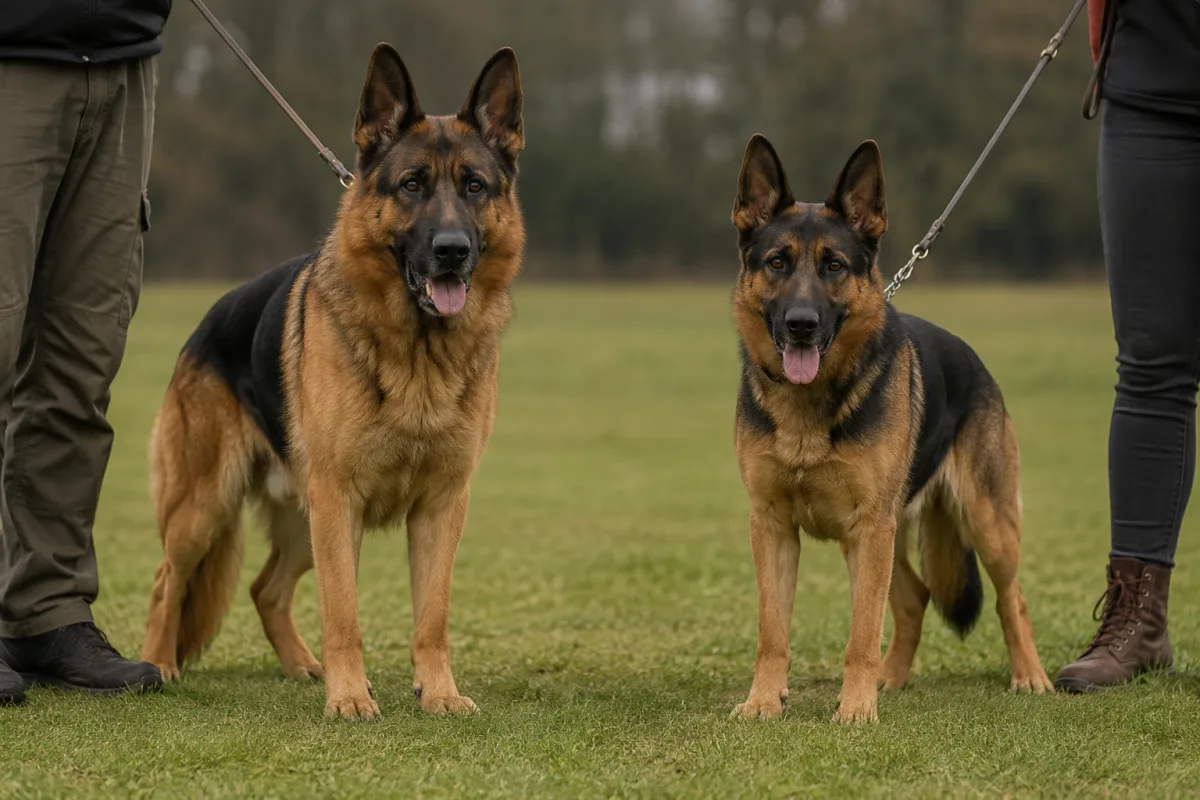
Size is the most reliable male-female difference. Males are usually larger, heavier, and more physically imposing. Females are usually smaller and a bit easier for many owners to lift, manage on leash, and fit into vehicles or smaller homes. The difference may matter if you have children, older adults, stairs, or one person in the household who will handle most walks.
The AKC standard lists males at 24 to 26 inches at the withers and females at 22 to 24 inches. A two-inch height difference may not sound large, but paired with weight, muscle, and confidence, it changes handling. A strong adolescent male can surprise an owner who was comfortable with the same dog as a puppy.
Size also affects costs. Food, crates, travel gear, medication dosing, and boarding may cost more for a larger dog. If a dog is injured, lifting a heavy male into a car is different from lifting a smaller female. That practical detail matters more than many romantic breed descriptions.
If you are comparing breed sizes broadly, a guide to the biggest dog breeds can help frame scale, but German Shepherd handling is about strength and drive as much as height.
Temperament Trends Without Guarantees
Some owners describe males as more territorial, slower to mature, more physically affectionate, or more likely to test boundaries. Some describe females as more focused, quicker to mature, more handler-oriented, or more selective. These are trends people report, not rules you can bank on.
The Royal Veterinary College summarized VetCompass research showing that adult male German Shepherd Dogs were heavier on average than females and that aggression was reported more often in males than females in that UK primary-care dataset. The RVC summary gives one evidence-based reminder: sex can matter, but it still sits inside a larger picture of health, breeding, management, and environment.
Meet the parents when possible. Ask the breeder what each puppy is like when startled, tired, restrained, playing, feeding, and separated from littermates. A thoughtful female with high drive may be more work than a mellow male. A confident male from stable lines may be easier than a nervous female from poor breeding.
If you already read breed question guides, such as German Shorthaired Pointer questions, the same lesson applies: breed trends help you ask better questions, not skip observation.
Training And Household Fit
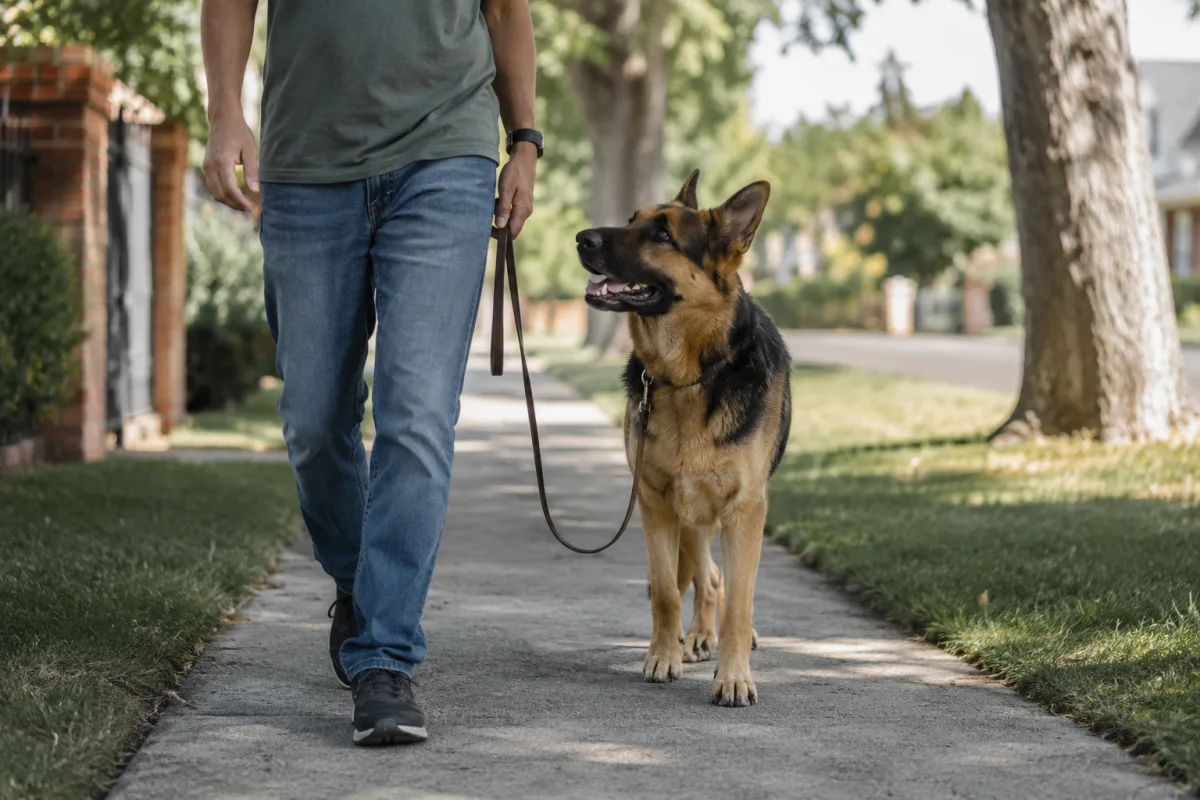
Both sexes need early socialization, leash manners, crate comfort, recall, impulse control, handling, and calm exposure to people and environments. German Shepherds learn fast, including the lessons you did not intend to teach. If barking at the window makes people leave, the dog learns that barking works. If pulling reaches the park faster, pulling becomes the route.
Families with children should not assume female automatically means safer. Choose a stable dog, supervise interactions, teach children not to climb on or corner the dog, and give the dog a quiet place to rest. A male or female German Shepherd can be excellent with children when bred, trained, and managed well. Either can be too much in the wrong home.
Homes with other dogs should discuss same-sex dynamics with the breeder or rescue. Some dogs do better with opposite-sex companions; others are flexible. Spay or neuter timing, maturity, training history, and personality all matter.
Training plans should also match the handler, not only the dog. If one family member is nervous about handling a large adolescent male, that matters. If the household wants a sport partner and has coaching lined up, a higher-drive female may fit beautifully. A good choice is the dog whose needs match the real calendar, not the imagined one.
Large working breeds also need coat and nail handling from the beginning. Grooming work may be less intense than a long-coated small breed, but the same early cooperation lesson appears in grooming a longhair Dachshund: teach handling before the dog is too strong or too worried to cooperate.
Health And Reproductive Considerations
Sex changes some health conversations. Females have heat cycles if intact, and owners must manage bleeding, male attention, and accidental breeding risk. Spayed females no longer cycle, but spay timing should be discussed with a veterinarian because timing may interact with growth, orthopedic risk, and cancer risk. Males may show roaming, marking, or hormone-influenced behavior if intact, though training and management still matter.
Do not choose sex as a substitute for health testing. Ask breeders about hip and elbow evaluations, degenerative myelopathy, temperament, working ability, family history, and why a specific pairing was made. Ask about the parents' behavior in real life, not only titles or photos.
Owners comparing dog health patterns across breeds may find it helpful to read guides such as Staffordshire Bull Terrier health problems or Basset Hound questions. Different breeds have different risks, but responsible selection always starts with records and temperament.
How To Choose Between Male And Female
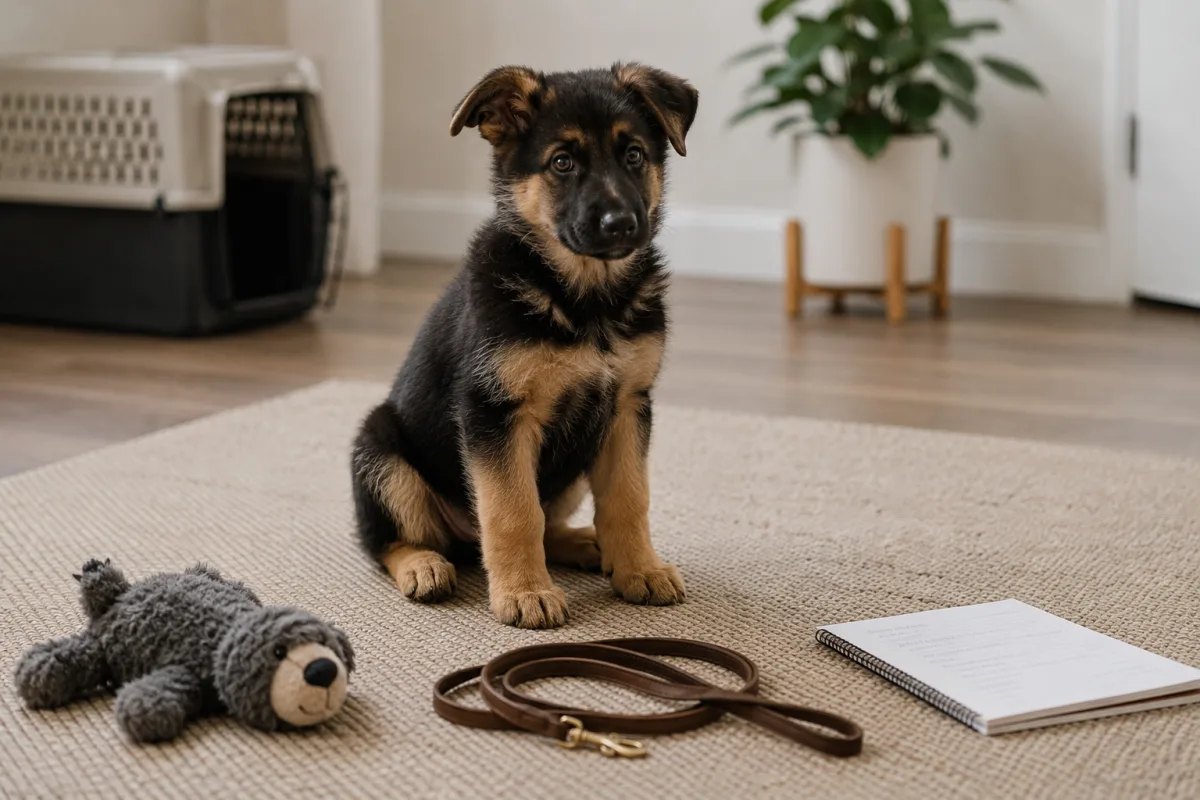
Choose based on your handling ability, household structure, training plans, future activities, and the individual dog. If you want a slightly smaller dog and easier physical management, a female may fit better. If you want a larger, more imposing dog and can handle strength responsibly, a male may fit. Those are practical differences, not moral ones.
Ask the breeder or rescue to match you by temperament first. Explain your experience, children, pets, visitors, work schedule, fencing, activity level, and training goals. A good match may not be the sex you first imagined.
For rescue dogs, sex may be less important than known behavior history. Ask how the dog reacts to strangers, children, other dogs, cats, grooming, car rides, crates, toys, and food handling. Adult history can tell you more than a male-or-female label ever will.
The better question is not "male or female?" It is "Which German Shepherd can live well in this home with the training we will actually provide?" Once that question is honest, sex becomes one factor instead of the whole decision.
Frequently Asked Questions
Are male German Shepherds bigger than females?
Usually, yes. The AKC standard lists males as taller than females, and males are often heavier and more physically imposing.
Are female German Shepherds easier to train?
Some owners find females mature earlier or focus faster, but training success depends on the individual dog, breeding, handler skill, consistency, and motivation.
Are male German Shepherds more protective?
Males may be described as more territorial by some owners, but protection is not a trait to encourage casually. Stability, training, and control matter more than sex.
Which sex is better with children?
Neither sex is automatically better. Choose a stable, well-socialized dog and supervise children. Size, energy, and individual temperament matter more than the label.
Should first-time owners choose male or female?
First-time owners should focus on a stable temperament, responsible breeder or rescue support, training help, and manageable size. A well-matched dog of either sex can work.
Male and female German Shepherd dogs can both be loyal, bright, strong companions. The sex difference worth respecting most is physical size. The rest needs to be judged through breeding, temperament, training, and the life you can give the dog.

Timothy Davidson
Edits step-by-step general-interest guides for clarity, realistic limits and source verification.


5 Comments
Join the discussion. Comments are moderated before appearing.