

A Golden puppy can make a buyer generous with excuses. The breed is friendly, the litter is soft, and the photo usually looks like the answer to every family argument about getting a dog. Choosing a Golden Retriever breeder has to be slower than that. Goldens are popular because they are affectionate, trainable, and athletic, but popularity also creates careless breeding. The right breeder makes the sweet part easy to enjoy by showing the health records, temperament judgment, and support behind the puppy.
What should a Golden Retriever breeder prove first?
Start with health clearances, not color, price, or pickup date. The Golden Retriever Club of America says breeders often describe dogs as hip, elbow, eye, and heart certified, and those claims can usually be verified through public databases such as OFA. The GRCA also says reputable breeders should provide the dog's full registered name or registration number so buyers can check the records.
That matters because "vet checked" and "health tested" do not mean the same thing. A routine puppy exam is useful, but it does not replace parent clearances. Ask for the registered names of both parents, not only screenshots. A breeder who has done the work should not treat public records as a secret.
Read the record before you fall in love with the litter. Look for the date, dog name, registration number, test type, and result. If a breeder sends a cropped image without enough detail to verify it, ask for the full record. Traceable paperwork is part of the puppy's value.
For a broader comparison of buyer questions, Livecub's Brittany breeder recommendations cover the same principle: the breeder should welcome specific questions because careful placement protects the dog.
Which health clearances matter for Goldens?

The core conversation should include hips, elbows, eyes, and heart. The GRCA health-screening guidance explains that public records can show examinations and that clearances in multiple generations add useful context. No breeder can promise zero risk, but testing changes the buyer's question from "trust me" to "read the record."
Hip and elbow records
Goldens are active, medium-to-large retrievers, so orthopedic history matters. Ask whether hip and elbow results are final clearances, preliminary opinions, or missing. If a breeder says the parents move fine, ask for the database record anyway. Movement in the yard is not an orthopedic evaluation.
Eye examinations
Eye status can change, so ask when the exam was done and how often the breeder repeats it. A responsible breeder can explain the difference between a normal eye exam, a genetic test, and an annual clearance. Current records are more useful than a vague statement about a healthy line.
Heart evaluation
Ask who performed the cardiac exam and how the result was recorded. A general wellness check does not answer the same question as a structured heart clearance. If you do not understand a result, ask your veterinarian to read it before you commit.
How should a breeder match a Golden puppy to your home?

The AKC guidance on responsible breeders says a breeder should interview the buyer back, asking about home life, schedule, prior dogs, training, and socialization plans. That is exactly what you want with a Golden. Friendly does not mean every puppy fits every family.
A thoughtful breeder watches the litter over time. One puppy may be busy and confident enough for advanced training. Another may be softer and better for a quieter home. A third may need an owner who can manage mouthiness, jumping, or high toy drive. Puppy matching is not control for its own sake; it is a way to avoid a mismatch that becomes a rehoming problem later.
Be honest about your household. A family with toddlers, stairs, long workdays, and no fenced area needs different advice from an adult home that wants hiking, obedience, and daily retrieving games. If the breeder never asks those questions, they may be selling puppies rather than placing them.
What red flags should stop a Golden Retriever purchase?
Walk away from pressure. A breeder who pushes an immediate deposit, refuses registered names, avoids health clearance questions, or advertises puppies mainly by "English cream," "rare color," or size is changing the subject. Coat shade does not replace structure, temperament, or health screening.
Another warning sign is constant availability. Good breeders do not always have puppies ready next weekend. They may have a wait list, keep puppies until they can evaluate them, and choose homes based on fit. That delay can be inconvenient, but it is often a sign that the breeder is not producing on impulse.
Visit conditions matter too. Puppies should be clean, curious, and raised with age-appropriate handling. The mother should look cared for, not exhausted or hidden without explanation. If something feels wrong, leave and think. A cute puppy should not override basic welfare signals.
What should the contract and pickup plan include?
A Golden Retriever contract should spell out the puppy's identity, price, registration terms, health guarantee, return policy, spay or neuter terms if any, and breeder support. It should also list what you receive at pickup: health records, microchip details if used, diet instructions, vaccination and deworming records, grooming advice, and the schedule for your first veterinary visit.
Ask about deposits in writing. Is the deposit refundable, transferable, or tied to a particular litter? What happens if the breeder decides no puppy in the litter fits your home? Clear terms prevent resentment later. A breeder who cares about the match should be willing to say "not this litter" when needed.
Goldens also need grooming and exercise planning. If you are new to coat care, the brushing patience in longhair Dachshund grooming applies here too: small sessions, stable footing, and rewards for calm handling.
Ask what the breeder expects from you after pickup. Some want weight updates, training news, health reports, or photographs as the dog matures. That is not nosiness when handled respectfully. It helps the breeder understand what their pairings are producing.
How do you prepare for the first month with a Golden puppy?
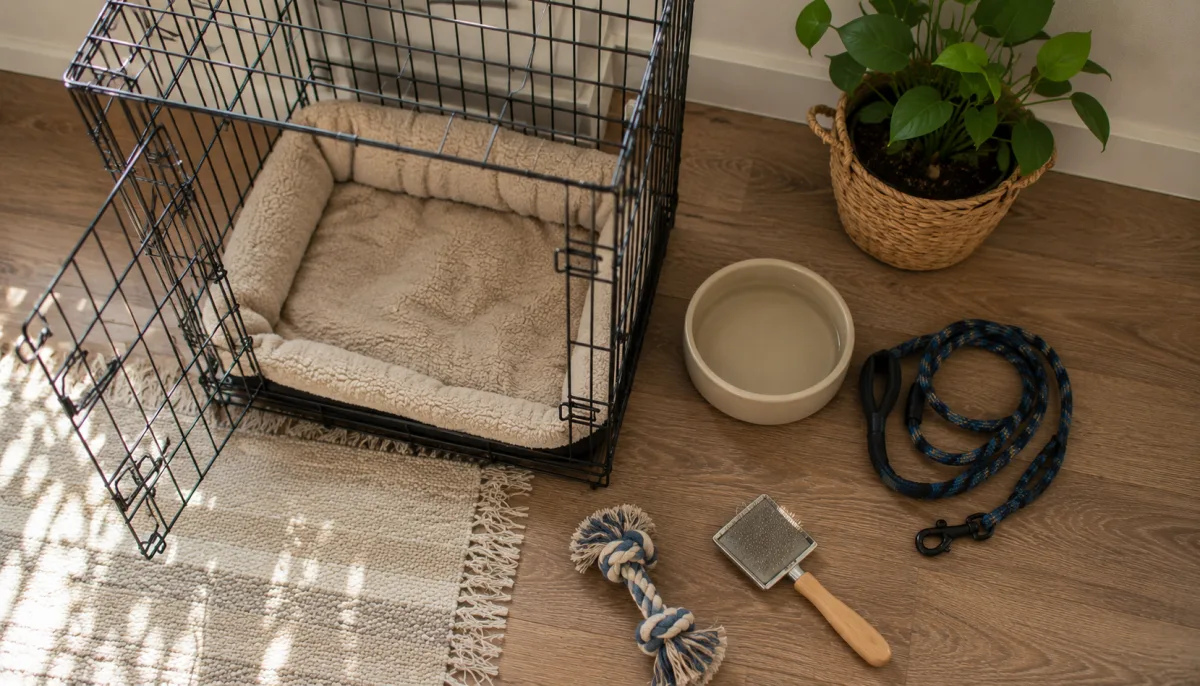
Before pickup, set up a crate or pen, washable bedding, food and water bowls, safe chew items, a leash, an ID tag, grooming tools, and a veterinary appointment. Decide where the puppy will sleep, where it will toilet, and which doors or rooms are off-limits. The first week should feel boring in the best way.
Goldens often greet life with their mouths. Teach toy trades, hand targeting, settle on a mat, and short recalls right away. Reward the behaviors you want before the puppy becomes a 60-pound adolescent with polished jumping skills. Families comparing other trainable dogs can read German Shorthaired Pointer questions, but a Golden usually needs softer repetition rather than harsher control.
Keep notes after pickup: appetite, stool, sleep, training wins, fears, and questions for the breeder. A good breeder wants useful updates. If they disappear after payment, that tells you something about the support they promised.
Save messages, contracts, and test links in one folder so veterinary questions do not send you searching later.
Plan for the adolescent stage now. A sweet puppy can become a large, muddy, mouthy retriever with selective hearing for several months. Keep training simple and repeatable: leash manners, recall, settle, trade, and polite greetings. Consistency beats intensity.
Frequently Asked Questions
How much should health testing influence the choice of a Golden breeder?
It should be one of the first filters. Temperament and home fit matter too, but a breeder who cannot show public parent clearances is asking you to accept avoidable uncertainty.
Is coat color a good reason to choose one Golden puppy?
No. Color is less useful than health records, temperament, structure, and breeder support. A pale or dark coat does not tell you whether the puppy fits your home.
Should the breeder choose the puppy for me?
Many good breeders guide or make the match after observing the litter. That can be better than buyer choice by photo, especially when the breeder knows the puppies' confidence, energy, and recovery.
What should I do if a breeder will not share parent names?
Pause the purchase. Without registered names or database access, you cannot verify health claims. A responsible breeder should be comfortable with informed buyers.
The right Golden breeder makes the puppy feel less like a gamble. Ask for records, listen for honest limits, and choose the person who protects the dog even when that slows the sale.

Chiara Bradshaw
Covers education, culture and creative topics with an emphasis on readable explanations and verifiable references.




Leave a reply
Replying to