

A Maltese puppy can look like a tiny white cloud and still come with very real adult responsibilities: daily coat care, dental attention, training, safe handling, and health records that should exist before the puppy leaves the breeder. Owning a Maltese breeder recommendations should start with evidence, not cuteness. Ask about testing, temperament, size expectations, grooming, contracts, and what happens if your life changes.
What should you know before choosing a Maltese breeder?
A breeder is not only selling a puppy. A good breeder is making decisions about health, temperament, placement age, early socialization, and long-term support. The conversation should feel like a careful match, not a fast checkout.
The AKC's Maltese breed page lists the breed's small size, long coat, companion temperament, and recommended health tests from the national breed club. The AKC Maltese breed page is a useful baseline before you compare breeder claims.
If you are still learning the breed, Livecub's Maltese questions guide can help you frame daily care questions before you contact anyone with puppies.
Which health tests should a Maltese breeder discuss?
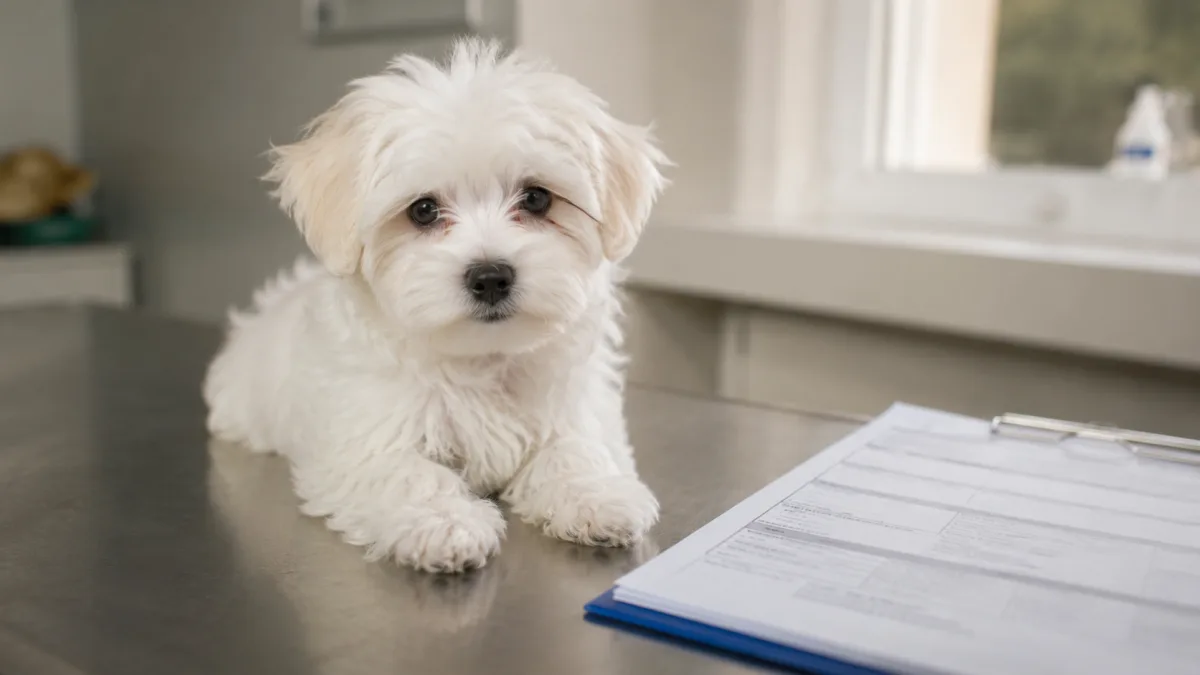
Ask for specific tests, not a vague statement that the parents are healthy. Toy breeds can look lively while carrying preventable or manageable risks. A responsible breeder should be able to explain what was screened, when, and how the results can be verified.
Patella evaluation
Patellar luxation is a common toy-breed concern, and the kneecap can slip out of position. Ask whether breeding dogs had patella evaluations and whether any close relatives have needed orthopedic care.
Cardiac and eye screening
Heart and eye exams help reduce the chance that avoidable hereditary problems are ignored. The Orthopedic Foundation for Animals breed listing includes Maltese-related test categories. The OFA Maltese health testing page is useful for checking what serious breeders may reference.
Liver and dental discussions
Ask the breeder what their veterinarian watches in the line and what buyers should monitor as the puppy grows. Maltese owners should also expect dental care to be part of normal life, not an optional extra.
What should a responsible breeder show you?
Expect health records, parent information, test documentation, a written contract, vaccination and deworming history, microchip details if used, diet instructions, grooming instructions, and a return policy. If the breeder cannot slow down long enough to explain documents, slow down for them.
The AKC's responsible breeder advice explains that good breeders ask questions, provide records, and care where the puppy goes. The AKC responsible breeding guide gives a useful standard for the conversation.
Do not accept pressure as professionalism. Scarcity language, same-day payment demands, refusal to answer health questions, and shipping-only sales should make you pause.
How should a Maltese puppy be socialized?
A Maltese should be small, not helpless. Early handling, gentle noises, safe surfaces, grooming touch, crate practice, and people of different ages can help a puppy enter a home with more confidence. Socialization should be careful, positive, and matched to vaccination guidance from the breeder's veterinarian.
Ask what the breeder does before placement: nail trims, brushing, face cleaning, short separations, household sounds, and safe visitor exposure. A puppy raised with no handling practice may struggle when daily grooming begins.
Small dogs still need manners. A Maltese that is carried everywhere and never taught calm handling can become fearful, loud, or difficult to groom.
Ask where the puppies spend their day. A puppy raised only in a pen with little household exposure may find normal life overwhelming. A breeder does not have to run a circus, but the puppy should meet gentle handling, ordinary sounds, and short moments away from littermates before pickup.
How much grooming should a new owner expect?
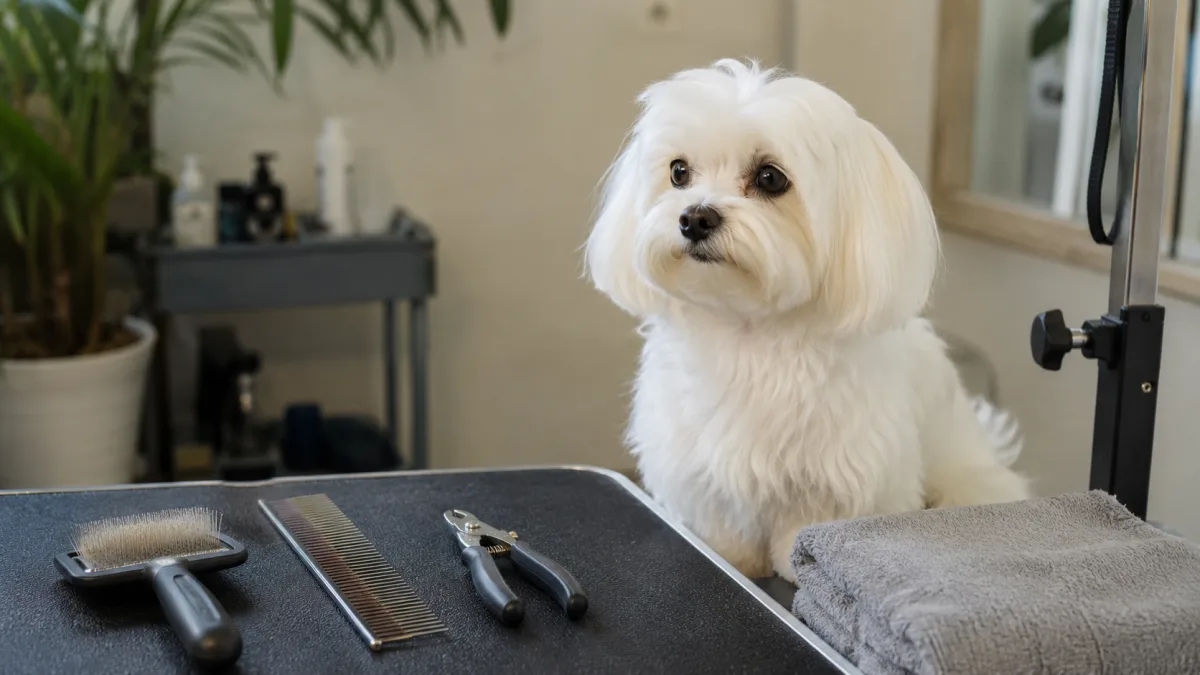
The long white coat is part of the breed's look, but it is also labor. Pet owners often choose a shorter puppy cut, but even that needs brushing, eye-area cleaning, baths, nail trims, and professional grooming. A breeder should explain what routine their puppies are already used to.
If coat work feels abstract, Livecub's longhair Dachshund grooming guide shows the same truth in another breed: hair length changes the calendar, the budget, and the patience required.
Ask the breeder to demonstrate brushing and face cleaning if you visit in person. Watching the puppy's reaction can tell you more than a perfect photo.
Budget for grooming before the puppy comes home. A Maltese may need brushes, combs, tear-area cleaning supplies, nail tools, shampoo, a grooming table or mat, and recurring professional appointments. The coat is a schedule, not just a style.
What size and temperament claims deserve caution?
Be careful with extreme "teacup" marketing, guaranteed adult weight claims, or promises that a puppy will never bark, shed, or need training. Maltese are small companion dogs, but they are still dogs with teeth, opinions, movement needs, and learning curves.
Temperament should be discussed through the parents, the litter, and the household match. A calmer puppy may suit a quieter home, while a bolder puppy may need owners who enjoy training. No breeder can guarantee a perfect adult personality from a short video.
For a different breeder-selection comparison, Livecub's Brittany Spaniel breeder guide shows how breed purpose changes the questions, even when the buyer process is similar.
Ask how the breeder decides which puppy goes to which home. The answer should involve temperament, household activity, children, grooming plans, and owner experience. If the only selection method is "pick your favorite photo," the breeder may not be doing enough matching.
What red flags should make you pause?
Pause if the seller refuses video or in-person discussion, will not name the veterinarian, avoids health records, has many litters available at once, pushes extreme tiny size, or wants payment before answering basic questions. A beautiful puppy photo is not proof of ethical breeding.
Also pause if the breeder uses shame or urgency to force a decision. Good homes should be screened, but screening is different from pressure. A serious breeder can tolerate careful questions.
How should you plan the first month at home?
Set up a safe sleeping area, a potty routine, a grooming station, a feeding schedule, and a veterinary appointment before pickup. Tiny puppies can get underfoot easily, so children and visitors need rules about handling, doors, stairs, and rough play.
Keep the first month boring in the best way. Short training games, gentle grooming, predictable rest, and safe social exposure are better than carrying the puppy through every party and store. A confident Maltese is built through small wins.
Bring the breeder's food home and change diets only with care. Small puppies can struggle when stress, travel, new food, and skipped meals pile up together. Ask the breeder how often the puppy eats, what portion size was used, and what signs should trigger a call to your veterinarian.
What should the contract and support cover?
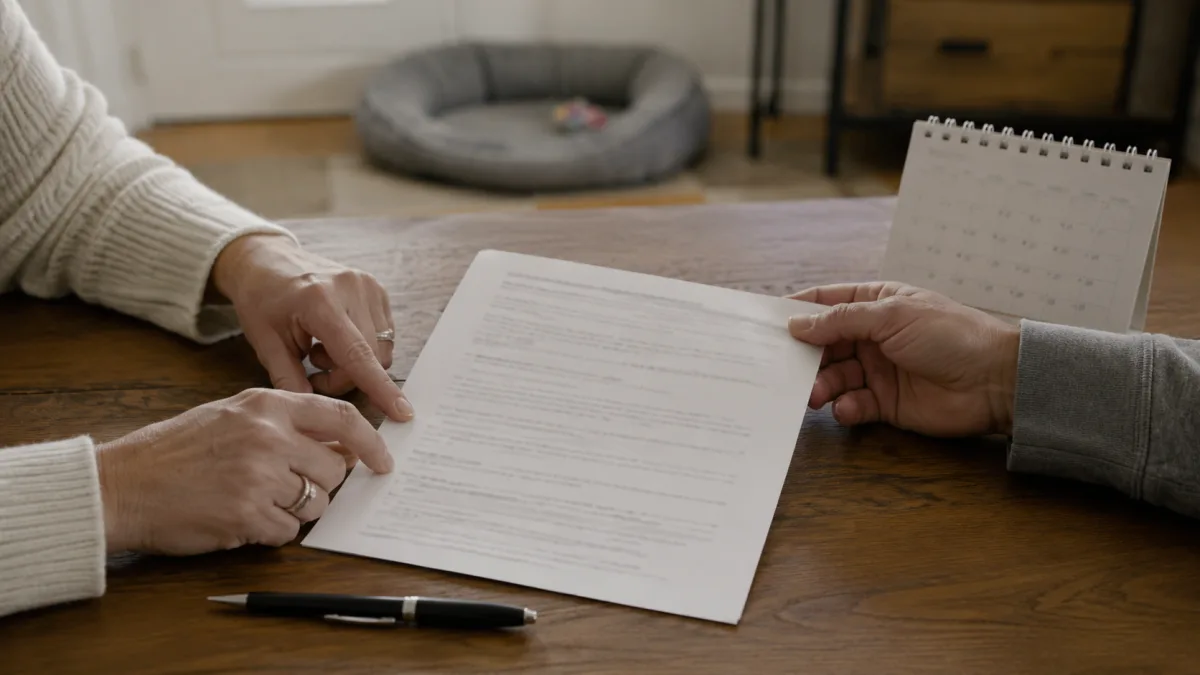
Read the contract before sending final payment. It should cover health terms, spay or neuter expectations if any, registration, return policy, breeding restrictions, and what support the breeder provides after the puppy goes home. A good contract protects the dog first.
Ask what happens if the puppy develops a health problem, if the match fails, or if you cannot keep the dog years later. Ethical breeders do not disappear after pickup day. They want the dog back or safely placed if the home can no longer work.
If you are comparing breed temperaments, Livecub's Miniature Schnauzer questions guide is a reminder that small size does not mean the same personality or grooming routine.
Keep copies of every record in one folder. Vet visits, microchip details, registration, contract terms, and breeder messages are easier to use when they are not buried in old texts.
Frequently Asked Questions
What should I ask a Maltese breeder first?
Ask about health testing, parent temperament, grooming routine, placement age, contract terms, and what support is available after pickup.
Are Maltese puppies hard to groom?
They can be high maintenance. Even pet trims need regular brushing, face care, nail trims, baths, and professional grooming.
Should a Maltese breeder offer health records?
Yes. You should receive puppy veterinary records and be able to discuss test documentation for the breeding dogs.
Are tiny Maltese puppies safer because they are smaller?
No. Very small puppies can be fragile. Ask about mature size expectations, feeding, safe handling, and veterinary care.
Choose the breeder who answers slowly and specifically. A Maltese is small enough to carry, but the commitment is not small.

Chiara Bradshaw
Covers education, culture and creative topics with an emphasis on readable explanations and verifiable references.




Leave a reply
Replying to