

Pregnancy & Hair Relaxers is a practical question, not a vanity question. Hair texture, identity, comfort, workplace expectations, scalp health, and chemical exposure can all be part of the decision. The safest answer is not one-size-fits-all: know what product is being used, avoid unnecessary fumes and scalp burns, and ask your pregnancy care team if you have concerns.
This article is general pregnancy and product-safety education, not medical advice. If you have asthma, severe allergies, scalp wounds, chemical burns, high-risk pregnancy concerns, or symptoms after a salon visit, contact your clinician. If you feel faint, wheezy, or short of breath around chemical fumes, leave the area and seek care if symptoms persist.
What Hair Relaxers Do
Hair relaxers change the hair structure so curls or coils appear straighter. Products may use lye, no-lye formulas, or other alkaline chemicals. Some smoothing or straightening services are different from relaxers and may involve formaldehyde-releasing ingredients or high heat.
Knowing the exact service matters. A box relaxer, salon relaxer, keratin smoothing service, and hot-tool straightening session can involve different ingredients and exposures.
What Research Can And Cannot Say
Pregnancy product research is hard because people use different brands, frequencies, ventilation, gloves, timing, and salon settings. A study may raise a signal without proving that one appointment causes a specific outcome. That uncertainty is why cautious exposure reduction is reasonable.
MotherToBaby's hair treatments in pregnancy fact sheet says only small amounts of hair-treatment chemicals are expected to be absorbed through healthy skin, but ventilation and avoiding scalp irritation are still sensible.
Formaldehyde And Smoothing Products
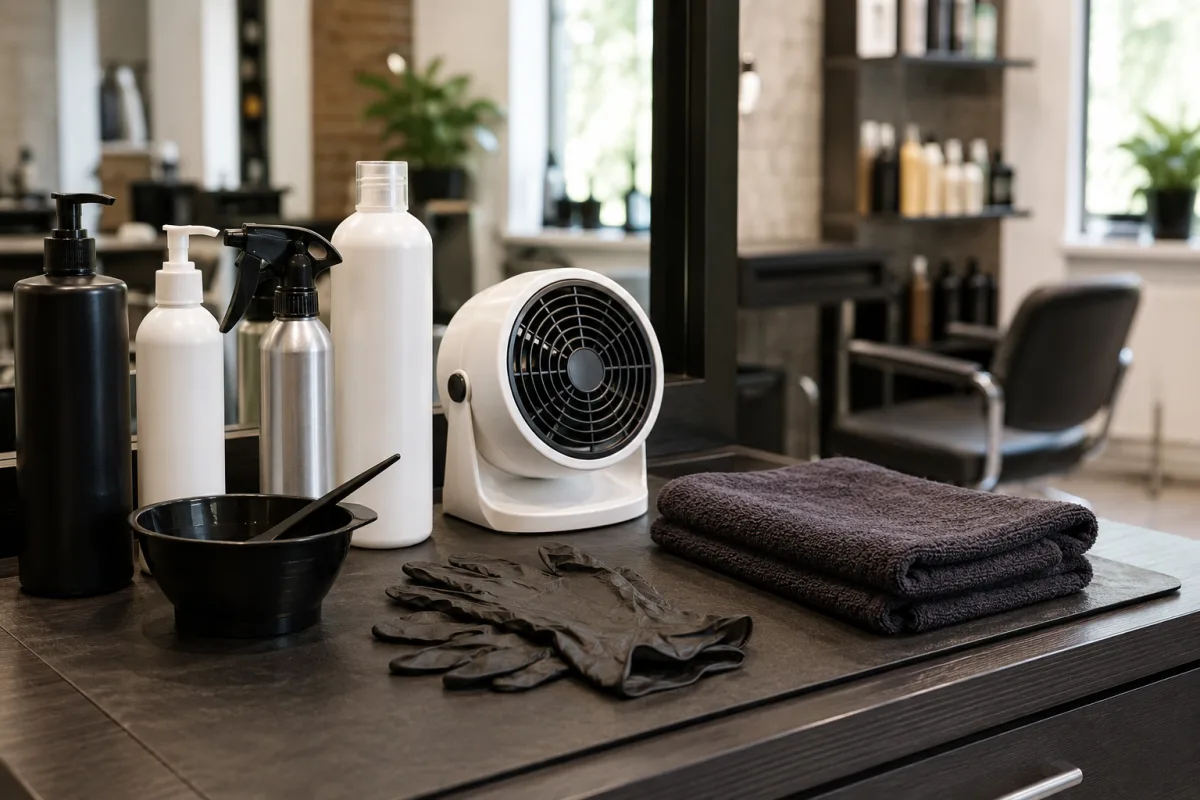
Some hair smoothing or straightening products can release formaldehyde gas when heated, even if the label uses another ingredient name. Formaldehyde exposure can irritate the eyes, nose, throat, skin, and lungs, and workers may face repeated exposure.
The FDA's hair smoothing product warning explains that certain products can release formaldehyde when heated. Pregnant clients should ask what product is being used and avoid services with strong fumes or unclear ingredients.
Scalp Health Matters
Do not apply a relaxer to broken, scratched, burned, or irritated skin. Damaged skin can increase irritation and may increase absorption. If your scalp burns during application, speak up and rinse according to product directions. Do not sit through pain to finish a service.
Pregnancy can change scalp sensitivity, oiliness, itch, and hair shedding patterns. A formula that felt fine before pregnancy may feel harsher now.
Ventilation And Timing
If you choose to relax your hair during pregnancy, use a well-ventilated space, follow timing instructions, wear gloves for home use, avoid mixing products, and avoid services that fill the room with fumes. A salon should be willing to tell you product names and ingredients.
ACOG's environmental exposure guidance encourages reducing exposure to toxic environmental agents during pregnancy and lactation where practical.
Wait Or Space Services If You Prefer
Some people choose to avoid relaxers in the first trimester because they feel sick from smells or want to limit optional exposures during early development. Others wait until nausea improves. Some continue their usual routine with better ventilation and scalp care. Your choice can reflect comfort, medical history, and provider guidance.
If early pregnancy symptoms are part of the timing decision, Livecub's first-week pregnancy signs article may help separate possible pregnancy symptoms from product irritation or ordinary fatigue.
Home Relaxer Safety
At home, read the entire label before starting. Do not leave the product on longer than directed. Do not use it on eyebrows or eyelashes. Keep products away from children. Rinse well. Stop if burning, dizziness, wheezing, or severe irritation occurs.
Do a strand test and patch test if the product directions call for them. Pregnancy is not a good time to improvise with stronger formulas, overlapping relaxers, or mixing chemical services close together.
Salon Questions To Ask
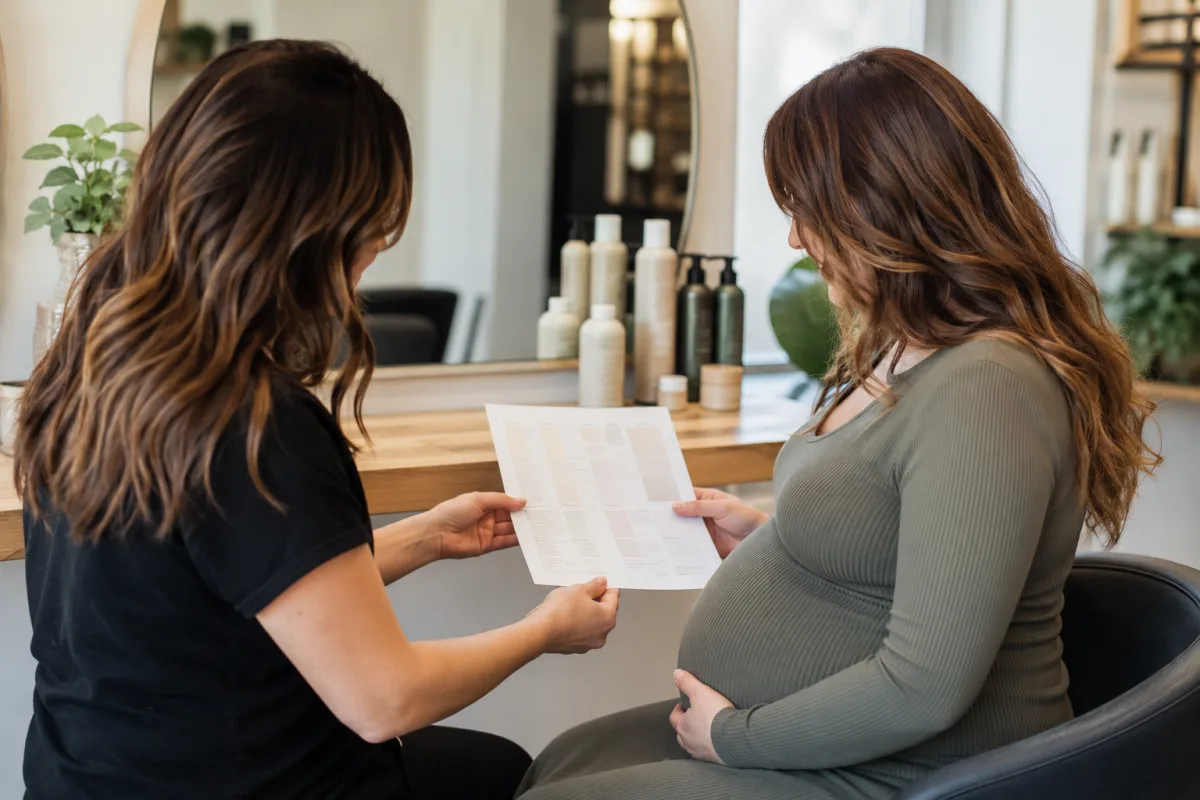
Ask the stylist: What product are you using? Does it release formaldehyde or similar fumes when heated? How is the room ventilated? Can we avoid applying to irritated scalp? Can we shorten the service? What should I do if burning starts?
A professional should not be offended by safety questions. If they refuse to name products or dismiss symptoms, choose a different setting.
Body Image And Hair Pressure
Pregnancy can already make people feel watched and judged. Hair decisions may carry family, cultural, work, and identity pressure. You are allowed to choose a protective style, relaxer, wig, braids, twist-out, trim, scarf, or low-maintenance routine based on health and comfort.
Livecub's feeling attractive during pregnancy and staying intimate during pregnancy can help with the emotional side of body changes and confidence.
Alternatives During Pregnancy
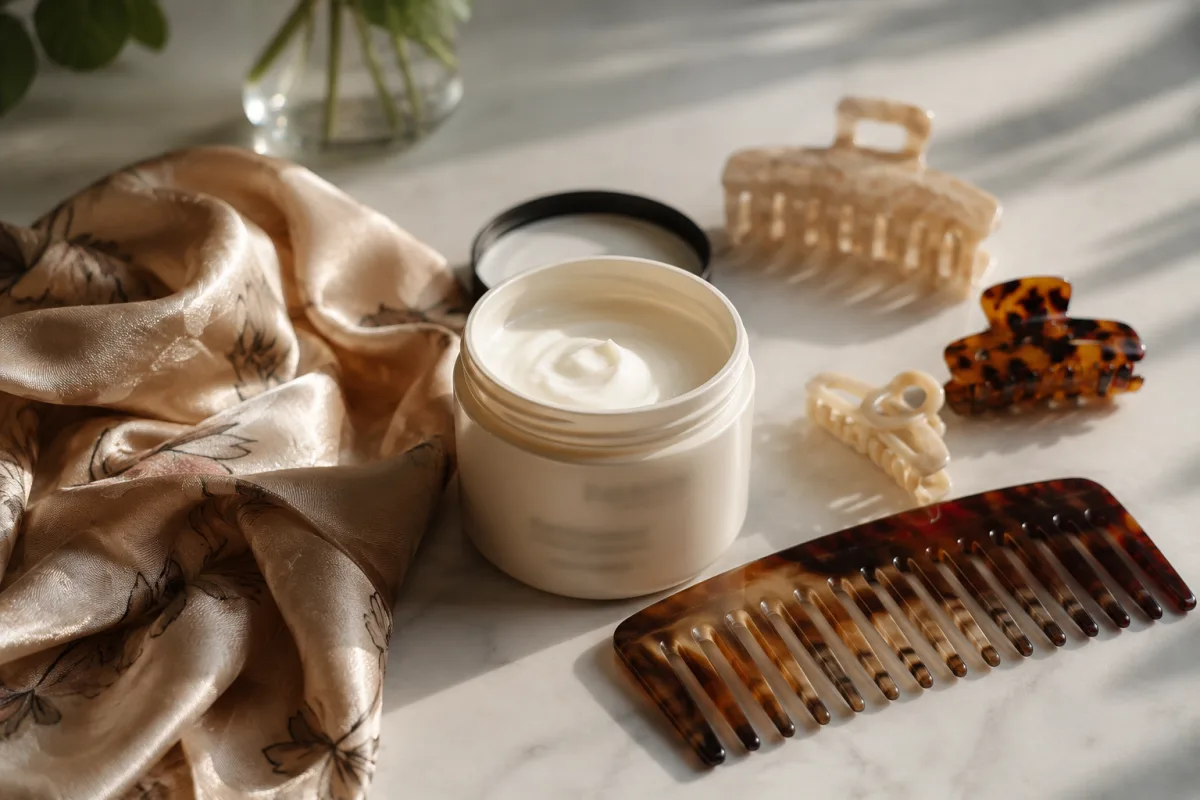
Consider stretching time between relaxers, using heat-free styles, protective styles that are not too tight, deep conditioning, trims, wraps, or temporary styling. Avoid traction, scalp soreness, and heavy styles that cause headaches or hairline stress.
If nausea or smell sensitivity is strong, Livecub's bland diets for pregnancy may help with food tolerance, but chemical fumes and breathing symptoms should be handled separately.
If You Work Around Hair Chemicals
Pregnant stylists may have more exposure than clients because they handle products repeatedly. Gloves, ventilation, product substitution, breaks, and avoiding formaldehyde-releasing services may matter more for daily workplace exposure.
If symptoms happen at work, document the product, timing, ventilation, and symptoms. Ask your clinician about workplace accommodations if fumes, nausea, headaches, or breathing symptoms are making the job unsafe.
Aftercare For The Scalp
After a relaxer, watch for tenderness, sores, flakes, drainage, swelling, or hair breakage. Use gentle products and avoid scratching. If the scalp is injured, do not apply another chemical service until it heals and a professional or clinician has advised you.
Hair shedding can also change during and after pregnancy. Do not assume every change comes from the relaxer. Hormones, stress, iron status, thyroid issues, and postpartum shifts can affect hair too.
Make The Decision In Writing
If you feel torn, write down the product, why you want the service, what would make you postpone, and which safety steps you will require. A written plan can reduce pressure at the salon chair.
For example: healthy scalp, good ventilation, known product name, no strong fumes, no overlapping chemicals, and permission to stop if burning starts. Those boundaries are reasonable.
Read More Than The Front Label
Marketing words can be vague. "Natural," "gentle," or "no harsh smell" does not prove a product is risk-free. Read directions, warnings, timing, ingredient lists, and heat instructions. If a salon uses a professional product, ask to see the safety information.
Pay attention to products that require flat ironing after application, especially smoothing services. Heat can change exposure by releasing fumes from some formulas.
Do Not Stack Chemical Services
Relaxing, coloring, bleaching, and smoothing close together can irritate the scalp and damage hair. Pregnancy may make sensitivity harder to predict. Space services apart and avoid applying chemicals over irritated skin or fresh scratches.
If you already had a bad reaction, tell the stylist and your clinician before trying again. A smaller section test may not be enough if your prior reaction involved swelling or breathing symptoms before.
When To Call A Clinician
Call for scalp burns, blistering, swelling, trouble breathing, wheezing, faintness, rash that spreads, eye injury, severe headache after fumes, or signs of infection. If emotional distress about appearance is becoming heavy, mention that too.
Livecub's depression during pregnancy article may help name mood symptoms, but urgent mental health symptoms require urgent help.
Frequently Asked Questions
Can I relax my hair while pregnant?
Some people do, but discuss concerns with your clinician and reduce fumes, burns, and unnecessary exposure.
Are keratin treatments the same as relaxers?
No. Some smoothing services may release formaldehyde when heated, so ask about the exact product.
Should I avoid relaxers in the first trimester?
Some people choose to wait. Ask your provider if you have high-risk concerns or strong symptoms.
What if my scalp burns?
Stop, rinse as directed, and seek care for blistering, swelling, severe pain, or infection signs.
Is ventilation enough?
Ventilation helps, but product choice, timing, scalp condition, and symptoms matter too.
The Safer Hair Decision
Pregnancy does not automatically mean every hair relaxer is forbidden, but it does raise the bar for product awareness. Know the formula, avoid fumes and scalp injury, use ventilation, follow directions, and ask your clinician when your health history changes the risk.

Alyssa Curlin
Edits general health, nutrition and education explainers. Medical topics are educational and link to public-health guidance.



Leave a reply
Replying to