
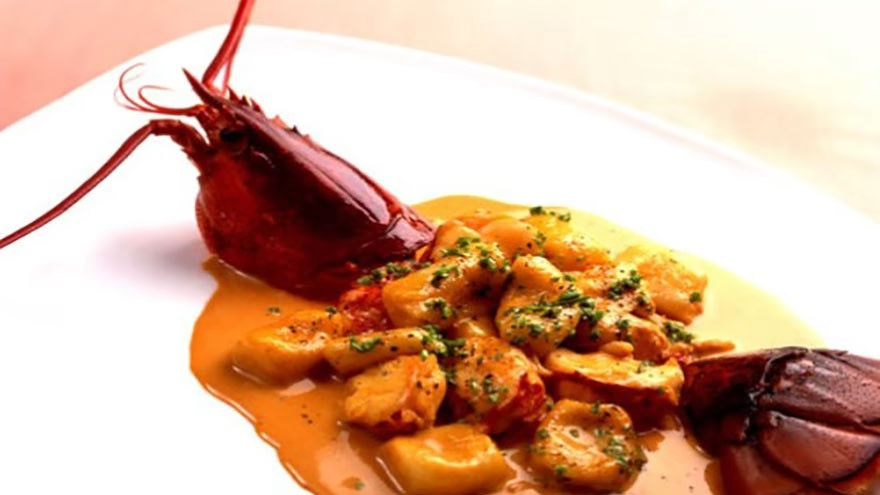
This Lobster Recipe Is Rich, So Keep the Method Controlled
Roasted Lobster With Almonds And Pistachio Cream Recipe sounds restaurant-like, but the dish works best when the cooking stays simple. Lobster is sweet and delicate; almonds add crunch; pistachio cream adds richness.
The main risk is doing too much. Overcooked lobster turns tough, a heavy sauce can bury the seafood, and nuts can burn quickly.
The best version lets the lobster stay the point of the plate.
Ingredients
Use 2 lobster tails or 2 small split lobsters, 2 tablespoons melted butter, 1 tablespoon olive oil, 1/3 cup sliced almonds, 1/3 cup shelled pistachios, 1/2 cup cream, 1 small shallot, 1 garlic clove, lemon zest, lemon juice, parsley, salt, white pepper, and a pinch of cayenne if you like heat.
If lobster is not available, large prawns can use the same flavor profile, but cooking time will be shorter.
Livecub's easy clambake recipe is a good internal companion because both dishes rely on seafood timing more than complicated technique.
Buy and Store the Lobster Carefully
FDA's seafood safety guidance advises buying seafood from reputable sources and keeping it cold. That matters with lobster because quality drops quickly when handling is careless.
If using frozen lobster tails, thaw them in the refrigerator, not on the counter. Pat dry before roasting so butter and nuts cling instead of sliding off.
Good seafood cooking starts before the oven turns on.
Prepare the Pistachio Cream First
Toast pistachios lightly, then blend or finely chop them. Cook minced shallot and garlic gently in a small pan, add cream, and simmer until slightly thickened.
Stir in pistachios, lemon zest, salt, white pepper, and a few drops of lemon juice. Keep the sauce warm, not boiling.
If it gets too thick, loosen with a splash of warm water, cream, or seafood stock.
Toast the Almonds Separately
Almonds can go from pale to burned in a short time. Toast them separately in a dry pan or low oven until lightly golden.
Do not bury raw almonds under the lobster and hope they toast evenly. Separate toasting gives better control and a cleaner crunch.
The nut topping should taste roasted, not scorched.
Split and Season the Lobster
Use kitchen shears to cut the top of each shell if using lobster tails, then loosen the meat gently. Brush with melted butter and olive oil, then season lightly with salt and white pepper.
Keep seasoning restrained. The sauce and nuts will add more flavor after roasting.
Livecub's grilled whole duck recipe is obviously a different protein, but it shares the same lesson: rich main dishes need controlled heat and resting time.
Roast Gently
Roast in a hot oven just until the lobster is opaque and cooked through. FoodSafety.gov's safe minimum temperature chart lists seafood at 145 F.
Use a thermometer if the tails are large or uneven. Guessing by color alone can lead to overcooking or undercooking.
Pulling lobster at the right moment is the whole recipe.
Add Almonds Near the End
Sprinkle toasted almonds over the lobster near serving time. If you want them warmed, return the pan to the oven briefly.
Do not roast the almonds through the full cooking time. They can burn while the lobster is still finishing.
For a green side, Livecub's asparagus rolls recipe would pair well with the rich sauce.
Plate With Restraint
Spoon a little pistachio cream under or beside the lobster rather than drowning the meat. Add almonds, parsley, and a final squeeze of lemon.
Serve with rice, roasted potatoes, asparagus, simple salad, or bread. The sides should help carry the sauce without making the plate heavy.
Rich seafood needs brightness and space.
Make-Ahead Notes
Toast nuts and make the sauce base ahead. Rewarm the sauce gently and roast the lobster close to serving.
Do not fully cook lobster hours ahead and expect reheating to improve it. Reheated lobster often turns firm and less sweet.
Use Prawns for a Smaller Budget
If lobster is too expensive, use large prawns or shrimp and keep the almond and pistachio idea. The dish will feel different, but the flavor direction still works.
Cook prawns just until opaque and firm. They can overcook even faster than lobster.
Keep the Sauce From Splitting
Cream sauces can split if boiled hard or left on high heat. Simmer gently and whisk as needed.
If the pistachio cream looks too thick, loosen it slowly. Adding too much liquid at once can make it thin and flat.
A quiet simmer gives the sauce a better texture.
Use Lemon to Control Richness
Lobster, nuts, butter, and cream can become heavy together. Lemon zest and juice keep the dish from feeling dull.
Add acid gradually and taste. Too much lemon can make the cream taste sharp, while too little can make the sauce feel sleepy.
Serve Immediately
This is not a dish that improves while waiting. Plate as soon as the lobster is cooked and the sauce is warm.
If guests are late, hold the sauce warm and wait to roast the lobster. The seafood deserves the final minutes of attention.
Timing is the difference between elegant and rubbery.
Common Mistakes to Avoid
Do not overcook lobster, burn the almonds, boil the cream hard, or cover the plate with too much sauce.
Also avoid heavy sides that compete with the nut cream. Keep the rest of the plate bright and simple.
How to Tell When Lobster Is Done
The meat should turn opaque and firm without becoming dry. The shell may turn bright, but shell color alone is not enough.
Use a thermometer for confidence, especially with large tails. If the lobster is nearly done, remember that carryover heat can finish the last bit.
What to Do if the Sauce Is Too Thick
Whisk in a teaspoon or two of warm cream, water, or stock at a time. Taste after loosening because dilution can flatten salt and lemon.
If it becomes too thin, simmer gently for a short time. Do not boil hard to force it back.
Sauce repair is easier when you move slowly.
Use a Warm Plate
Lobster cools quickly. Warm plates slightly before serving so the sauce and seafood do not lose heat immediately.
Do not use scorching plates that overcook the bottom of the lobster. Warm is enough.
Make the Dish Less Rich
Use less cream, add more lemon, or serve the pistachio sauce on the side. You can also pair the lobster with salad instead of potatoes.
For a lighter version, use prawns, more herbs, and a smaller spoonful of sauce.
Handle Nut Allergies Clearly
This recipe uses almonds and pistachios, so it is not safe for guests with tree nut allergies. Do not simply scrape nuts off a serving.
If allergies are present, choose a different seafood recipe or make a separate dish with separate tools.
Special holiday food still has to respect guest safety.
Scale the Recipe Carefully
Cooking two lobster tails is not the same as cooking twelve. Crowded pans trap steam, uneven tails finish at different times, and sauce cools while you plate.
For a larger group, roast in batches or choose a seafood dish that holds better. Lobster is most pleasant when served promptly.
Use the Shell for Presentation, Not Confusion
The shell can make the plate look dramatic, but it should not make the dish hard to eat. Loosen the meat enough that guests can cut it without wrestling.
Provide a small bowl for shells if serving whole or split lobster. A polished plate still needs practical eating.
Keep Seasoning Simple
Lobster does not need many spices. Butter, lemon, herbs, salt, and a little pepper are enough when the seafood is good.
The pistachio cream already brings richness. Too many extra flavors can make the dish taste crowded.
Restraint is part of the recipe.
Use Leftover Sauce Wisely
If you have extra pistachio cream, spoon it over roasted vegetables, rice, or fish the next day. Keep it refrigerated and reheat gently.
Do not store sauce that has been sitting under seafood shells through a long dinner. Safety matters more than saving a few spoonfuls.
Frequently Asked Questions
Can I use shrimp instead of lobster?
Yes. Use large shrimp or prawns, but reduce cooking time because they cook much faster than lobster tails.
How do I avoid overcooking lobster?
Use gentle timing, check for opaque meat, and use a thermometer for larger pieces. Pull it as soon as it reaches safe doneness.
Can I make pistachio cream ahead?
Yes. Rewarm it gently and loosen with a splash of warm liquid if it thickens.
What sides go with this dish?
Asparagus, rice, roasted potatoes, citrus salad, or simple bread all work because they balance the rich sauce.

Timothy Davidson
Edits step-by-step general-interest guides for clarity, realistic limits and source verification.



Leave a reply
Replying to