
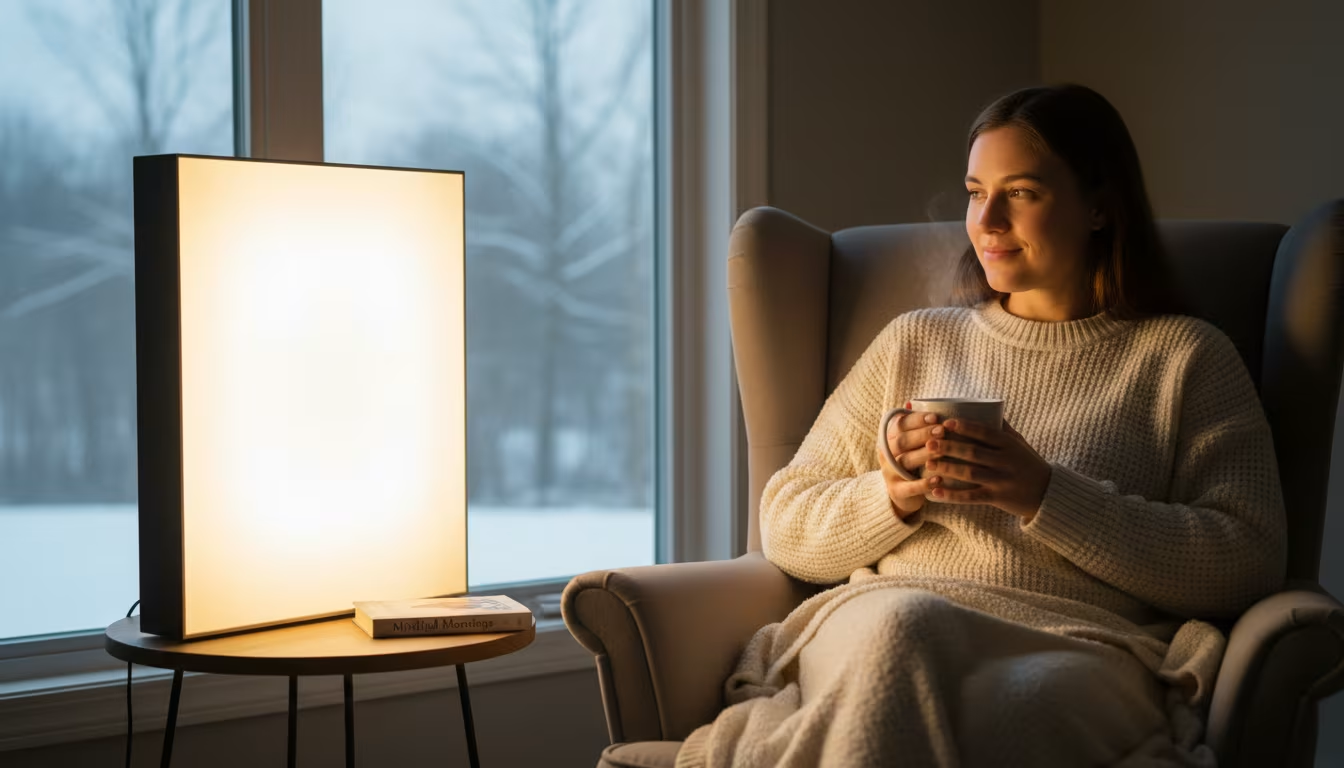
Disliking cold weather or feeling bored through a long winter is common, but it is not the same thing as a depression that arrives on schedule and lifts on schedule. When low mood, energy, sleep, and appetite shift with the calendar year after year, clinicians look at a specific pattern rather than a bad month.
Most people picture winter-pattern SAD, yet seasonal depression can also strike in warmer months. Either way the pattern deserves attention, because mood, sleep, appetite, energy, work, and relationships can all be pulled off course.
Recognizing the Seasonal Pattern
MedlinePlus describes seasonal affective disorder as a type of depression that follows a recurring seasonal pattern, and notes that light therapy is a main treatment that may be combined with antidepressants or talk therapy: its seasonal affective disorder page gives a plain overview. Symptoms often last several months of the year before easing.
The repeated timing is the key. One hard week in January is not enough on its own; the concern is depression symptoms that return around the same season and interfere with daily life. Because of that, the same low mood in winter can also come from grief anniversaries, holiday stress, thyroid disease, anemia, medication effects, chronic pain, sleep apnea, or major depression without a seasonal pattern — which is why a clinician, not a calendar, should make the call.
Winter and Summer Patterns Compared
Seasonal depression does not look the same in every season. Winter-pattern SAD often points toward slowing down and withdrawing, while the less common summer pattern tends toward agitation and restlessness. Because summer looks cheerful from the outside, its version is easy to miss.
| Feature | Winter pattern | Summer pattern |
|---|---|---|
| Sleep | Sleeping more, hard to wake | Insomnia, restless nights |
| Appetite | Carbohydrate cravings, weight gain | Poor appetite, weight loss |
| Energy and mood | Low energy, social withdrawal | Agitation, anxiety, irritability |
| Common misread | "Just hibernating" | "Out of step with everyone's plans" |
If either column describes a repeating cycle that damages work, school, parenting, hygiene, or safety, it needs more than willpower.
Light, Body Clocks, and Light Therapy
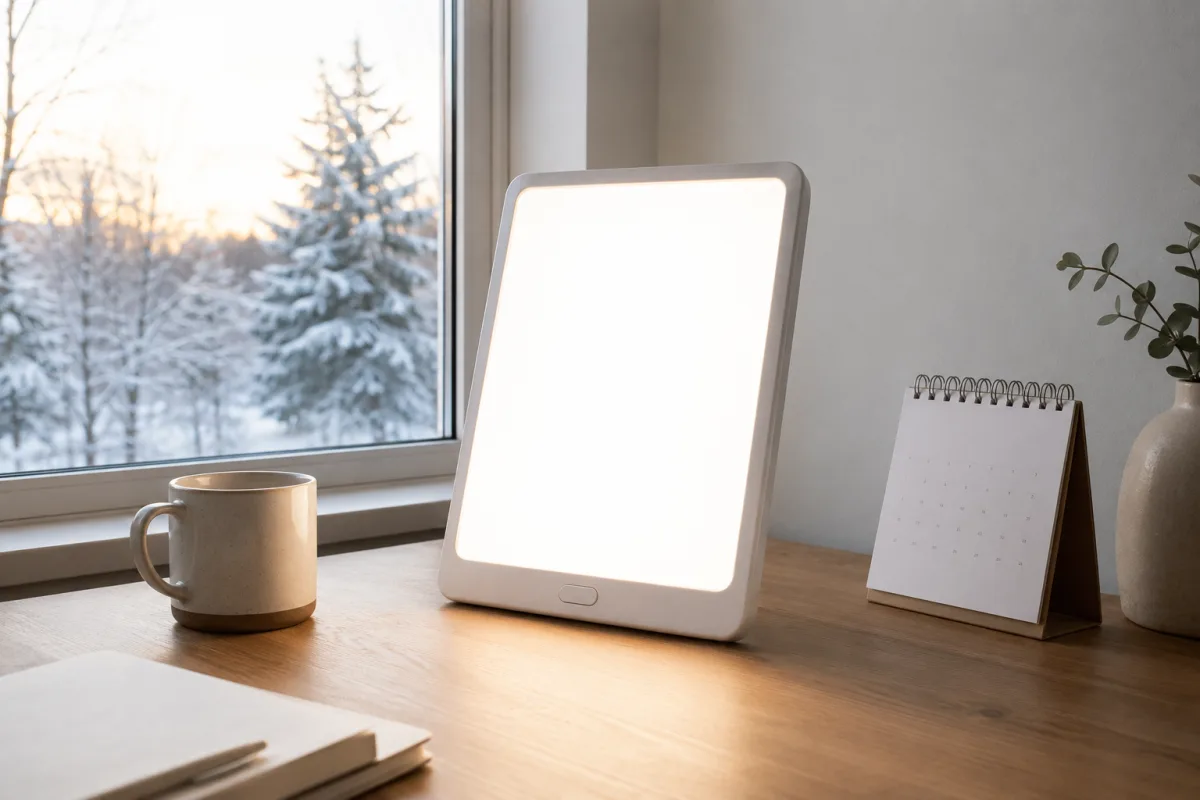
Shorter daylight can shift circadian rhythm, sleep timing, and mood-related biology, which is one reason morning routines and light exposure come up so often with winter SAD. A light box is not the same as a normal lamp. Mayo Clinic notes that light boxes for SAD generally provide 10,000 lux and produce as little UV light as possible, and advises talking with a clinician before starting: its light box guide covers timing and setup.
That clinician step matters most for people with bipolar disorder, eye conditions, light sensitivity, or medications that change light response. Timing and dose are part of the treatment, not optional extras. Many people use a box for a set time in the early morning, positioned so the light reaches the eyes indirectly rather than being stared into, and they stop if it triggers headaches, eye strain, agitation, or trouble sleeping. Light is only one tool; talk therapy adapted for seasonal patterns and, for some people, medication may work alongside it.
Track Before You Treat

A simple calendar turns vague memory into something you can point to. Mark sleep, mood, appetite, sunlight, exercise, social contact, and symptoms each day. Patterns are far easier to discuss with a clinician when they come with dates attached, and a written record helps separate a rough patch from a genuine seasonal cycle.
The habit does not need an app. Livecub's food journal guide is about eating, but the same lightweight tracking approach adapts well to seasonal mood, cravings, and energy changes.
Build the Plan Before the Season

If SAD returns every year, setting things up in early fall usually works better than scrambling once symptoms are heavy. Put a light plan, therapy appointments, a medication review, movement options, and social routines in place before the hardest stretch. For winter-pattern SAD, mornings often set the tone, so lay out clothes, breakfast, medication, and light exposure the night before to cut the number of decisions on low-energy days.
Outdoor light, walking, and daytime movement can support sleep and mood even under a gray sky; the goal is regular exposure, not a perfect workout. On the flattest days, shrink the first step until it is doable — shoes on, five minutes outside, one lap around the block. Steady wake times and one early daylight activity on weekends protect the rhythm more than a heroic effort now and then, and weekend oversleeping can deepen the Monday crash for some people.
Food and social contact belong in the plan as well. Winter-pattern SAD can bring carbohydrate cravings and oversleeping, so rather than punishing the body, steady the meals, protein, hydration, and wake time where you can. Seasonal depression also tends to pull people away from contact right when contact would help, so schedule low-pressure connection in advance — a walk, a short call, a shared errand, or a standing coffee date. A short, specific script helps loved ones support you: "I get low every winter, and short walks or low-pressure check-ins help more than pep talks." If the pattern affects attendance, deadlines, memory, or patience at work or school, ask early about schedule support rather than waiting for missed work to pile up.
Safety, Medication, and When to Get Help
SAD is treatable, but it is still depression, and a seasonal pattern should never be used to minimize risk. Get urgent help if low mood brings thoughts of death or self-harm, reckless behavior, or an inability to care for yourself. If past seasons included suicidal thoughts or severe impairment, make a written safety plan with a clinician while symptoms are still manageable — including warning signs, contacts, and crisis resources.
Leave medication decisions to your prescriber. Some people use antidepressants seasonally or year-round, and others adjust existing treatment before the usual symptom window, but starting, stopping, or changing a dose because the season shifted needs medical supervision. Vitamin D is worth testing if a clinician recommends it, yet correcting a deficiency is not a stand-alone cure. Bring your symptom calendar, family history, medication list, and sleep schedule to the appointment so the conversation targets the yearly cycle, not just this week.
Frequently Asked Questions
Is seasonal affective disorder the same as winter blues?
No. Winter blues can be mild and temporary. SAD is a depression pattern that returns seasonally and affects daily functioning.
Can SAD happen in summer?
Yes. Summer-pattern SAD is less common, but it can include insomnia, agitation, anxiety, appetite loss, and low mood.
Does light therapy work for everyone?
No. It helps many people, but some need medication, therapy, sleep changes, or other care. A clinician should guide use when risks are present.
When should I start planning for SAD?
If the pattern is predictable, start before symptoms peak. Many people plan in early fall for winter-pattern SAD.
Can vitamin D cure SAD?
Vitamin D may matter if you are deficient, but it is not a stand-alone cure. Ask a clinician about testing and treatment.
This article is for general information only and isn't a substitute for medical advice. Talk to a clinician who knows your full history before making changes.

Cashie Evans
Covers parenting and practical household topics with clear steps, safety notes and links to current guidance.


Leave a reply
Replying to