Press Enter to search or ESC to close
Health

The Impact of Blue Light on Your Circadian Rhythm and Mood

Cashie Evans
· · 20 min read

The Impact of Blue Light on Your Circadian Rhythm and Mood

Ever found yourself staring at your phone or laptop screen late into the night, promising yourself "just five more minutes," only to realize an hour has flown by? You finally put the device down, convinced you're exhausted, but then find yourself tossing and turning, unable to truly switch off. Or maybe you've noticed those inexplicable mid-week slumps, the sudden dip in your mood, or that feeling of being perpetually tired, even after what you thought was a good night's sleep.

If any of this sounds familiar, my friend, you're not alone. It's a modern dilemma many of us grapple with, and there's a sneaky culprit that often goes overlooked: blue light. It’s not just about tired eyes anymore; it’s about something far more fundamental to your overall well-being.

What if I told you that the light from your devices is silently messing with your body's internal clock and, consequently, your mood?

Why This Matters

Here’s the thing: our bodies are incredible, intricate machines designed to operate in harmony with the natural world. For millennia, our ancestors lived by the rhythm of the sun – bright light during the day, complete darkness at night. This consistent cycle hardwired a powerful internal clock into us, known as our circadian rhythm.

This isn't just about sleep; it governs everything from hormone release and digestion to body temperature and, yes, even your mood and cognitive function. It literally tells your body when to be alert and when to wind down. In my experience, once you understand how deeply intertwined your natural rhythm is with your energy and emotional state, you start looking at your daily habits in a whole new light.

But then came electricity, and with it, artificial light. Fast forward to today, and we're surrounded by screens emitting a high concentration of blue light – from our smartphones and tablets to our laptops and LED TVs. These devices have become an indispensable part of our lives, for work, entertainment, and staying connected.

And while blue light isn't inherently evil (we actually need it during the day!), the constant, unfiltered exposure, especially in the evening, is throwing our natural rhythms into disarray. It’s like telling your body it’s perpetually noon, even when the clock says it’s 10 PM. This constant disconnect isn't just making it harder to fall asleep; it’s a silent stressor that impacts our mental clarity, emotional resilience, and overall vitality.

Understanding this isn't about ditching technology; it's about learning to navigate our modern world in a way that respects our ancient biology.

Unpacking the Circadian Rhythm: Your Inner Timekeeper

Let's get a little scientific, but I promise to keep it friendly! Your circadian rhythm is essentially a 24-hour cycle that acts as your body's master clock. It’s primarily regulated by a small cluster of cells in your brain called the suprachiasmatic nucleus (SCN), which is incredibly sensitive to light.

When light hits your eyes, signals are sent directly to the SCN, telling it whether it's day or night. This, in turn, influences the production of hormones like melatonin, the "sleep hormone," and cortisol, the "stress hormone" that helps you wake up.

During the day, especially in the morning, exposure to bright light (including blue light from the sun) signals to your body that it's time to be awake and alert. It suppresses melatonin production and helps boost cortisol, giving you that get-up-and-go energy. This is a good thing!

The problem arises when we flood our eyes with blue light in the evening. Our modern devices emit wavelengths of light that mimic daytime light, essentially tricking our SCN into thinking it's still daytime. This suppresses melatonin production when it should be rising, delaying the onset of sleep and disrupting the natural progression of our sleep stages.

I remember when I first learned about this – it felt like a lightbulb went off (pun intended!). Suddenly, my difficulty winding down made perfect sense. It wasn't just my busy brain; it was a biological signal getting scrambled.

The consequences extend far beyond just feeling a bit tired. Consistent disruption of your circadian rhythm can lead to a state called circadian misalignment, which is a bit like having perpetual jet lag. This chronic state can throw off countless bodily processes, making you more susceptible to everything from digestive issues to weakened immune function.

But the most immediate and noticeable effects are often on our energy levels and, profoundly, our mood. When your body's internal clock is constantly out of whack, it struggles to perform its essential repair and rejuvenation tasks, leaving you feeling drained, irritable, and less able to handle daily stressors.

It’s like trying to run a marathon on a broken schedule.

Practical Steps to Support Your Rhythm

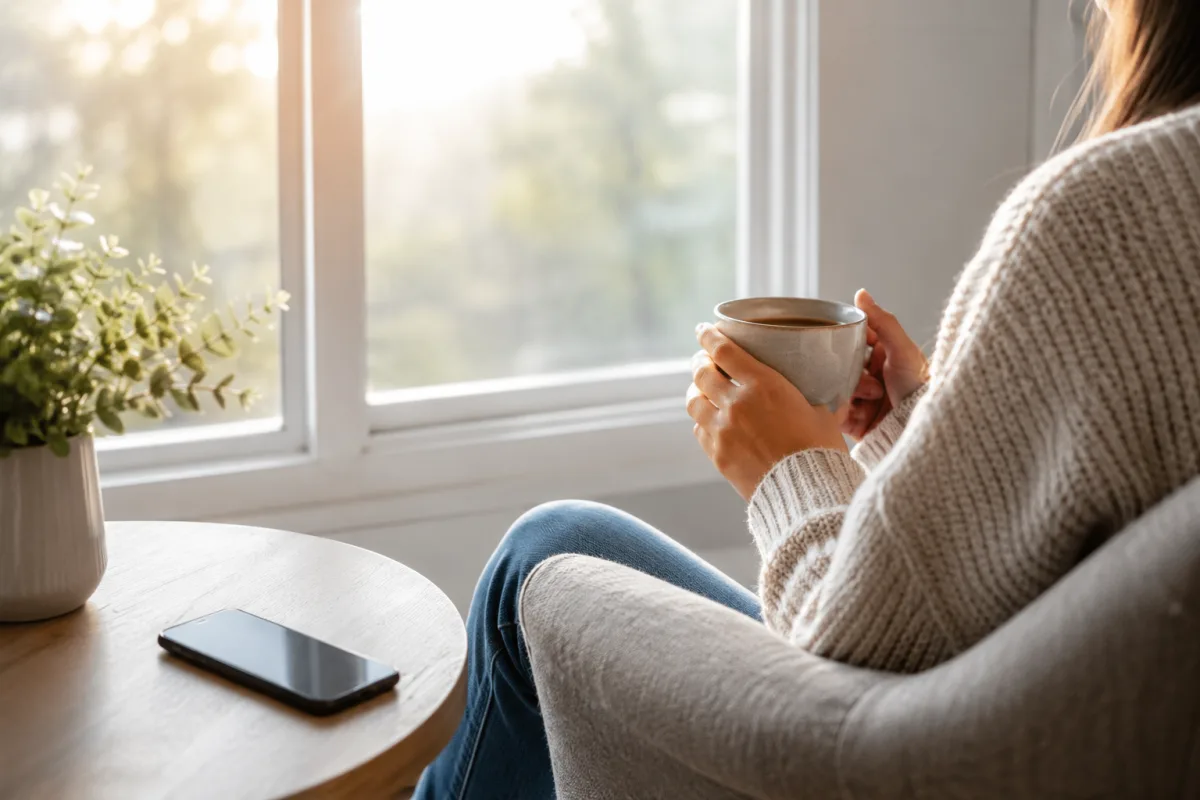
  • Embrace Morning Light: This is probably the most powerful, yet often overlooked, tip. Within the first hour of waking up, try to get 10-15 minutes of natural light exposure. Open your curtains wide, step out onto your balcony, or even just sit by a window. You don't need to stare directly at the sun (please don't!), but letting that natural light hit your eyes signals to your SCN that the day has begun. In my experience, this simple habit makes a profound difference in my morning alertness and helps anchor my circadian rhythm for the entire day. It's like pressing a reset button for your internal clock.
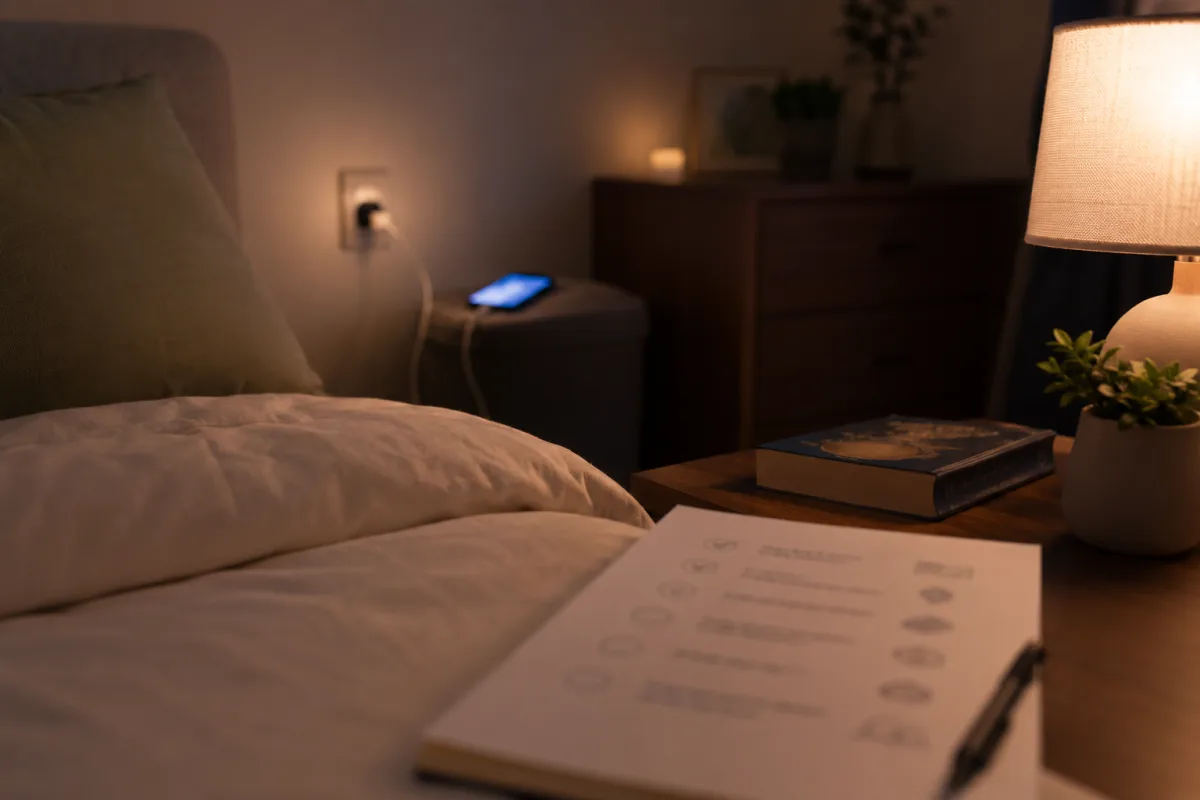
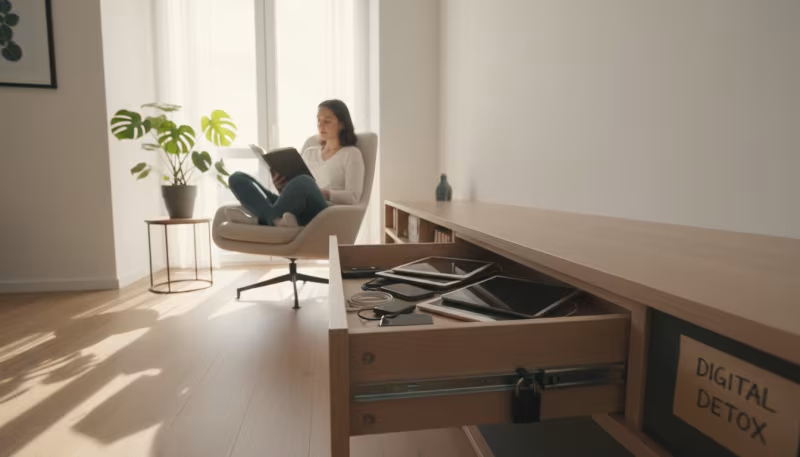
  • Create a "Digital Sunset": This means winding down your screen time well before bed. I recommend setting a hard stop for all screens (phones, tablets, laptops, TV) at least 60-90 minutes before you plan to sleep. This gives your body a chance to naturally increase melatonin production without interference. What I love about this is it forces you to find other wind-down activities, like reading a physical book, listening to music, or journaling. It’s a conscious shift away from stimulating content and towards calming rituals. Are you really going to miss that Instagram reel for a few hours if it means better sleep and a clearer mind tomorrow? Probably not.
  • Stick to a Consistent Sleep Schedule: Your body thrives on routine. Try to go to bed and wake up around the same time every day, even on weekends. I know, I know, weekend lie-ins are tempting! But consistently shifting your sleep schedule by more than an hour or two can be just as disruptive as flying across time zones. This consistency reinforces your circadian rhythm, making it easier for your body to anticipate when it's time to sleep and wake, leading to more restorative rest and better overall mood stability. Think of it as giving your internal clock a consistent set of instructions.

Beyond Sleep: How Blue Light Messes with Your Mood and Energy

While the impact on sleep is often the most talked-about consequence of blue light exposure, its tentacles stretch further, deeply affecting your mood and energy levels throughout the day. When your melatonin production is suppressed night after night, you're not just losing sleep; you're losing quality sleep.

And let’s be real, we’ve all experienced how a poor night's sleep can turn us into grumpy, irritable versions of ourselves. It’s not just a minor annoyance; chronic sleep deprivation, largely exacerbated by blue light, is a significant contributor to mood disturbances, including increased feelings of anxiety, stress, and even symptoms of depression.

Your brain needs deep, restorative sleep to process emotions, consolidate memories, and essentially 'clean house.' When blue light interferes with this process, your brain can't perform these vital functions effectively. You might find yourself more reactive to minor stressors, struggling with decision-making, or having difficulty concentrating.

I used to think my morning grumpiness was just "me," but after actively reducing my evening blue light exposure, I noticed a palpable shift in my emotional resilience. Small frustrations that would once send me spiraling now felt manageable. It’s incredible how much better equipped you are to handle life when your brain is well-rested and operating on schedule.

Moreover, the constant disruption of your body's natural rhythm can also impact neurotransmitter balance. Serotonin, for example, is a key neurotransmitter linked to feelings of well-being and happiness, and its production is influenced by light exposure and sleep patterns. When your circadian rhythm is out of whack, serotonin levels can be affected, contributing to feelings of sadness or lethargy.

It’s a cascading effect: blue light disrupts sleep, poor sleep impacts mood, and a low mood further drains your energy, creating a vicious cycle. Your body and mind are intimately connected, and what affects one inevitably affects the other. Understanding this connection empowered me to take blue light management seriously, not just for sleep, but for my entire mental and emotional landscape.

Navigating the Digital World: Smart Strategies for Blue Light Management

Okay, so we know blue light can be a bit of a party pooper for our circadian rhythm and mood. But in our modern lives, completely ditching screens isn't realistic for most of us. The good news is, we don't have to.

It's about being smart and strategic about our screen use. Think of it as becoming a digital ninja, expertly navigating the modern landscape without falling prey to its hidden traps. It requires a bit of discipline and conscious effort, but the payoff in terms of better sleep, brighter moods, and sustained energy is absolutely worth it.

One strategy I swear by is the 20-20-20 rule for anyone who spends extended periods in front of a computer screen during the day. Every 20 minutes, look at something 20 feet away for at least 20 seconds. This simple act gives your eyes a much-needed break from the intense focus on a close-up screen and can alleviate digital eye strain, which often contributes to headaches and fatigue.

While it doesn't directly block blue light, it reduces overall eye fatigue, allowing you to feel more comfortable and focused throughout your workday, which in turn supports a better mood.

Beyond taking breaks, it's really about setting boundaries. Just as you might set boundaries for work-life balance, you need to set them for your relationship with your devices. Create a "screen curfew" in your home.

For example, establish a rule that after 8 PM (or whatever works for your schedule), there are no screens allowed in common areas or bedrooms. This encourages family members (and yourself!) to engage in other activities, creating a more relaxing pre-sleep environment. In my house, we've implemented a "no phones at the dinner table" rule, which not only reduces blue light exposure but also fosters better connection.

It's amazing how much more present you become when you're not constantly glancing at notifications.

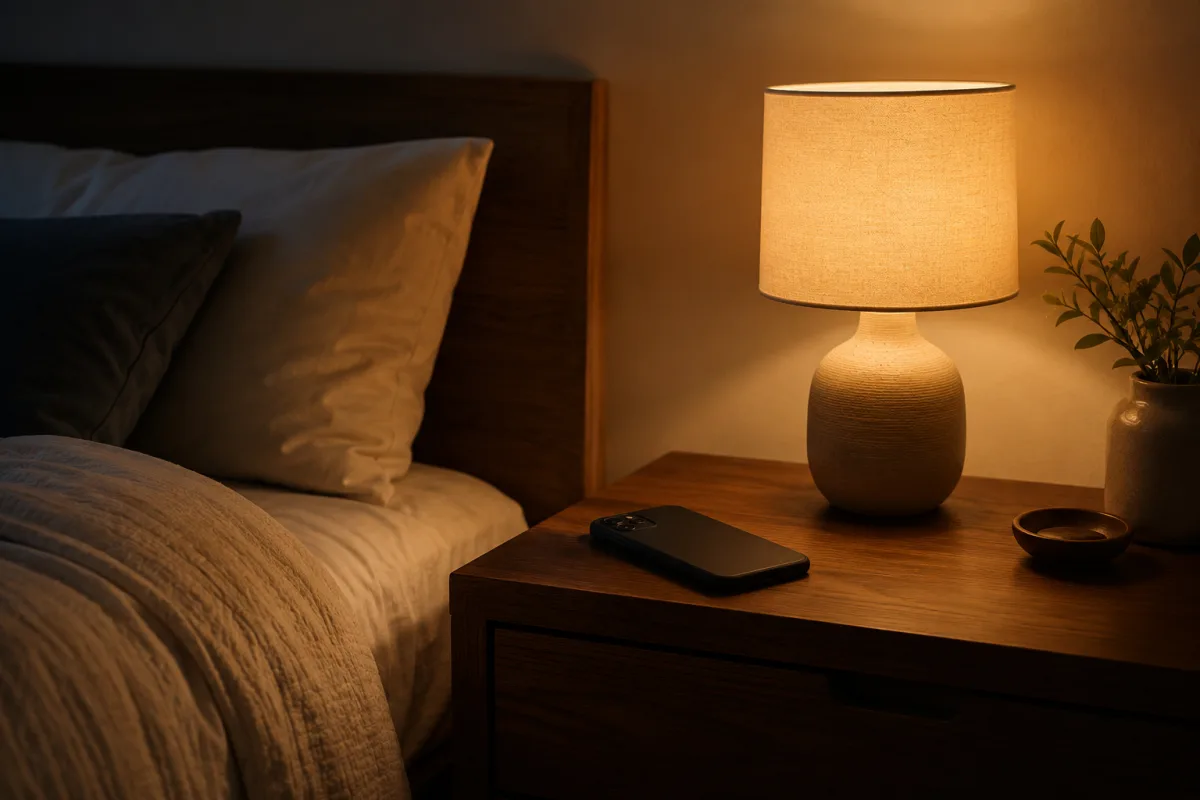
Another powerful strategy is to create a true "sleep sanctuary" in your bedroom. This means making your bedroom a screen-free zone. No TV, no laptop, no phone charging on the nightstand.

If you absolutely must have your phone nearby for an alarm, keep it facedown and as far away from your bed as possible. The mere presence of a device, even if you’re not actively using it, can be a subtle source of stress and temptation. Turning your bedroom into a haven for rest sends a clear signal to your brain: this is where we sleep, not where we scroll.

Consistency is key here. It might feel strange at first, like you're missing out, but I promise, the tranquility that replaces the digital noise is far more rewarding. You'll wake up feeling more refreshed and ready to tackle your day, which makes a huge difference in your overall mood and energy.

Fashion Meets Function: Blue Light Blocking Glasses and More

If you're anything like me, completely cutting out evening screen time isn't always an option. Sometimes work runs late, or there's a show you just *have* to finish. This is where blue light blocking glasses can be a helpful tool in your arsenal. But here's the kicker: not all blue light glasses are created equal, and knowing the difference is important.

You'll typically find two main types. First, there are the clear or slightly tinted blue light glasses. These are designed to filter out a portion of blue light, usually in the 20-40% range, and are often marketed for daytime use to reduce eye strain from computer screens.

They can be good for general office work, potentially reducing visual fatigue. However, for significant impact on melatonin suppression in the evening, they're generally not powerful enough. They're like a light shield, not a full-on fortress.

Then, we have the amber or red-tinted blue light blocking glasses. These are the heavy hitters. They block a much higher percentage of blue light, often 90% or more, particularly in the most melatonin-suppressing wavelengths.

These are what you want for evening use if you absolutely must be on a screen. When I first started wearing a pair of amber-tinted ones in the evenings, it felt a little strange – everything takes on a warm, almost sepia tone. But within a few nights, I genuinely noticed I felt sleepier faster and my eyes felt less strained after working late.

My personal experience is that they really do work, provided you choose the right kind for the right time.

When you're looking to buy, don't just grab the cheapest pair. Look for brands that specify the percentage of blue light blocked and the specific wavelength range. Brands that provide third-party lab testing are a good sign of quality.

Also, consider the fit and style – if they're uncomfortable or make you feel silly, you won't wear them. What I love about these glasses is that they've evolved beyond purely utilitarian; you can find some really stylish frames now that merge fashion with function seamlessly. They're becoming a statement piece, signaling that you're someone who prioritizes their well-being.

Beyond glasses, think about other ways to introduce warmer, less blue-heavy light into your evening environment. Consider switching out harsh overhead LED bulbs for lower-wattage lamps with warm, incandescent-style bulbs, or even smart bulbs that allow you to adjust the color temperature. Many smart bulbs have "night mode" settings that shift to a very warm, almost orange glow.

Using these in your living room in the hours leading up to bedtime can create a cozy, relaxing ambiance that naturally signals to your body that it's time to wind down. It's all about making your environment conducive to rest, a gentle nudge towards natural circadian alignment.

The Tech Angle: Device Settings and Apps You Need to Know About

Let's face it, our devices are extensions of ourselves these days. So, instead of fighting them, let's learn how to make them work *with* our biology. Luckily, most modern operating systems and many apps have built-in features to help reduce blue light exposure. You don't always need extra gadgets or software; sometimes, it's just a matter of tweaking a few settings.

For Apple users, you're looking for Night Shift. You can find it under "Settings" > "Display & Brightness." Enable it, and then set a schedule for when you want it to automatically kick in (e.g., from sunset to sunrise, or a custom time like 7 PM to 7 AM). You can also adjust the "color temperature" to make it warmer or cooler.

I've found setting it to a very warm, almost amber tone makes a noticeable difference. For Android users, the equivalent is usually called Night Light (though the exact name might vary slightly by device manufacturer). You'll typically find it in your "Settings" under "Display." Again, you can schedule it and adjust the intensity.

Windows 10 and 11 also have a "Night light" feature. Just type "Night light" into your Windows search bar, and it'll pop right up. You can toggle it on, set a schedule, and adjust the color temperature.

For Mac users, it's also called "Night Shift" and is found in "System Settings" > "Displays" > "Night Shift." Enabling these native features is your first line of defense. They aren't perfect, as they don't block 100% of blue light, but they certainly dim the intensity and shift the color spectrum away from the harshest blue wavelengths.

Beyond built-in features, there are excellent third-party applications that offer more robust control. f.lux is a classic, free desktop application for Windows, Mac, and Linux that automatically adjusts your computer's display to the time of day, making it warmer at night and like sunlight during the day.

It's highly customizable, allowing you to fine-tune the color temperature to your preference. Another great option is Iris, which offers even more advanced features, including flicker-free dimming and different modes for health, sleep, and reading. These apps essentially do what Night Shift and Night Light do, but often with more precision and customization options.

And what about e-readers? Devices like Kindles and Kobos are fantastic for evening reading because their screens often use e-ink technology, which mimics paper and doesn't emit light in the same way traditional screens do. Many newer models also come with adjustable warm light features, allowing you to shift the backlight from white to amber.

My Kobo Libra H2O has a ComfortLight PRO feature, and it’s a total game-changer for my pre-sleep reading routine. It's a much more body-friendly way to enjoy a book before bed, avoiding the stimulating blue light from a tablet or phone screen.

Remember, while these tech solutions are incredibly helpful, they're best used in conjunction with behavioral changes. Think of them as allies, not as excuses to spend unlimited time on screens right before bed. They reduce the harm, but they don't eliminate the stimulating effect of engaging content or the fundamental need for your eyes to rest in a dark environment.

Common Mistakes to Avoid

Even with the best intentions, it's easy to fall into certain traps when trying to manage blue light exposure. Let's make sure you don't make these common missteps that can undermine your efforts:

  • Thinking Blue Light Glasses are a Magic Bullet for Unlimited Screen Time: I've seen it happen. Folks get a pair of blue light blocking glasses and then feel justified in spending *even more* time on their devices late into the night. While the glasses certainly help filter out harmful wavelengths, they don't eliminate the mental stimulation of engaging with content, nor do they prevent your eyes from the strain of focusing on a screen. Your brain still perceives "active time" even if the light quality is improved. The goal isn't to enable more screen time; it's to reduce the negative impact of necessary screen time.
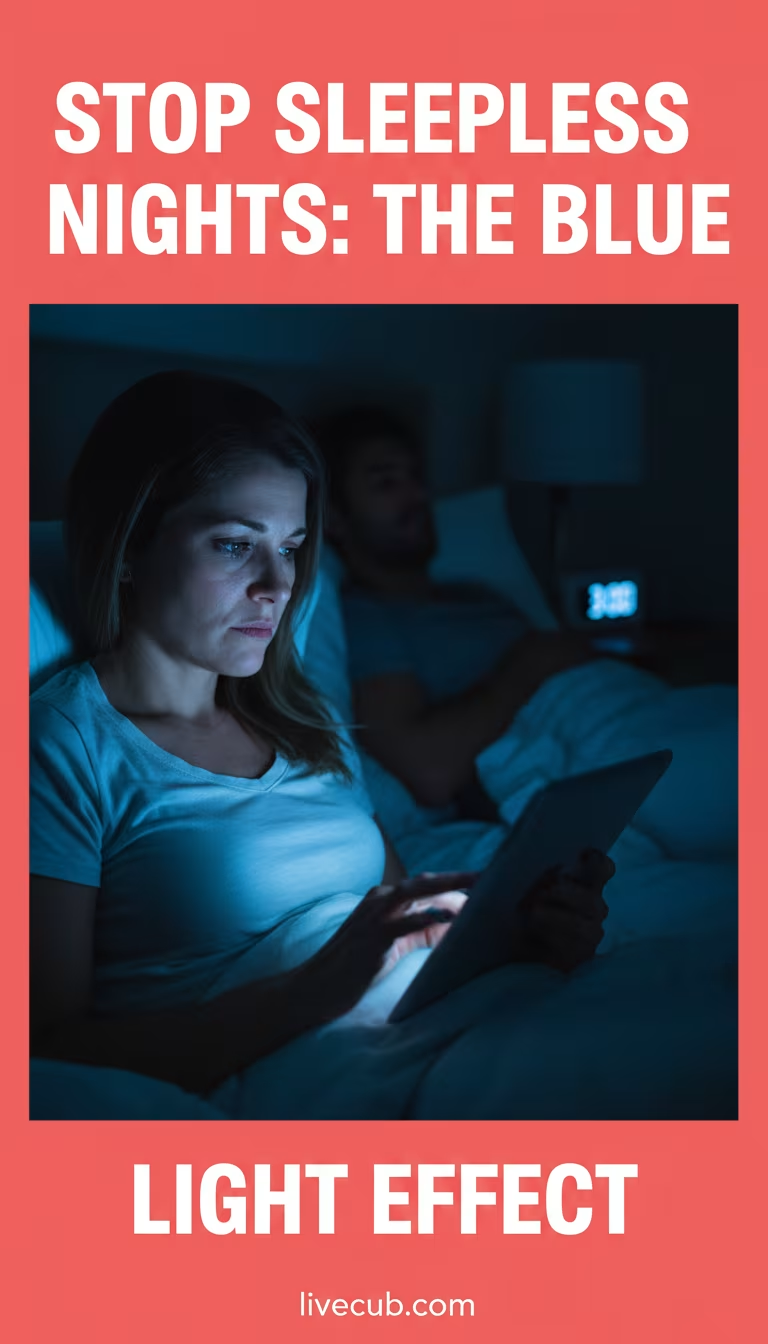
  • Using Screens in Bed, Even with Filters On: This is a big one. Your bedroom should be a sanctuary for sleep. Bringing any device into bed, even with Night Shift or amber glasses, sends mixed signals to your brain. You associate your bed with activity and alertness, not rest. Plus, the close proximity of the screen, regardless of filters, can still provide enough light to be disruptive. My advice? Keep screens out of the bedroom entirely.
  • Ignoring Morning Light Exposure: Many people focus solely on reducing blue light at night but forget the equally important role of *getting* bright light in the morning. If you spend your mornings in a dimly lit house, relying on coffee to wake up, you're missing a crucial opportunity to set your circadian rhythm correctly. Remember, natural blue light in the morning is your friend; it tells your body to be awake and alert.
  • Inconsistent Sleep Schedules: I know we covered this, but it's worth reiterating because it's such a common pitfall. Pulling all-nighters, then trying to "catch up" on sleep during the weekend, can wreak havoc on your internal clock. This inconsistent rhythm, often called "social jet lag," is just as disruptive as actual jet lag and can seriously impact your mood and energy. Aim for consistency, even if it's just within a one-hour window.
  • Not Distinguishing Between Different Types of Blue Light: Not all blue light is bad. The natural blue light from the sun is essential for mood regulation, alertness, and anchoring your circadian rhythm during the day. The issue arises with *excessive artificial* blue light, especially at night. Don't become so anti-blue light that you avoid daylight; instead, embrace natural light during the day and be mindful of artificial light after dusk.

Expert Tips

If you're ready to go beyond the basics and really optimize your light environment for better sleep and mood, here are a few more advanced tips that I've found incredibly helpful:

  • Dim *All* Lights in the Evening: It's not just screens. Think about your entire home lighting. As evening approaches, start dimming overhead lights. If you can, switch to lamps with warmer, lower-wattage bulbs. Your goal is to mimic a natural sunset, gradually reducing overall light exposure to signal to your body that night is approaching. I've replaced several bright LED bulbs in my living room with smart bulbs that I can set to a warm amber glow after 7 PM, and it creates such a peaceful atmosphere.
  • Consider Red Light Bulbs for Night: Red light is the least disruptive wavelength to melatonin production. Swapping out a bedside lamp bulb for a low-wattage red light bulb can be a game-changer for evening tasks like reading or getting ready for bed. It provides just enough illumination without sending those "wake up" signals to your brain. You can find these easily online, and they're relatively inexpensive.
  • Mindfulness and Screen Time Audits: Take a week to really track your screen time, especially in the evenings. Most smartphones have built-in "Screen Time" or "Digital Wellbeing" reports. You might be surprised by how much time you're actually spending. This awareness is the first step towards making intentional changes. Ask yourself: Is this scroll really serving me, or is it just a habit?
  • Create a "Wind-Down" Routine *Without* Devices: Design a consistent ritual for the last 30-60 minutes before bed that explicitly excludes screens. This could be reading a physical book (under red light!), taking a warm bath, stretching, meditating, or listening to calming music. This not only avoids blue light but also helps mentally transition your brain from active mode to rest mode. My routine includes a cup of herbal tea and 20 minutes with a novel; it’s become non-negotiable for my sleep.
  • Explore Supplements to Support Sleep (Holistically): While addressing light exposure is paramount, certain supplements can complement your efforts *after* you've got your light hygiene in order. Magnesium (often deficient in modern diets) can help relax muscles and calm the nervous system. Tart cherry juice has natural melatonin and anti-inflammatory properties. Always talk to your doctor before starting any new supplement, but these can be gentle aids in a comprehensive sleep strategy.

Final Thoughts

Navigating the digital age while respecting our ancient biology can feel like a delicate dance, but it's a dance worth learning. The impact of blue light on our circadian rhythm and, consequently, our mood and energy, is profound. But here’s the wonderful truth: you have far more control over this than you might think.

It's not about rejecting technology; it's about integrating it thoughtfully, with an awareness of its effects on your well-being. By making a few conscious adjustments – embracing morning light, setting digital sunsets, using smart tech features, and creating a truly restful environment – you can reclaim your natural rhythms and unlock a deeper sense of vitality and calm.

Start small. Pick just one or two of these tips and commit to trying them for a week. Notice how you feel.

You might be amazed by the subtle yet significant shifts in your sleep quality, your energy levels, and even your overall emotional outlook. What’s one thing you’re going to try this week to create a more harmonious relationship with light and your inner clock? Your future, well-rested, happier self will thank you for it.

It's an investment in your most valuable asset: your well-being.

The Impact of Blue Light on Your Circadian Rhythm and Mood

Save for later

Found this helpful?

Pin this article to your Pinterest board and come back to it whenever you need a reminder.

Save to Pinterest
Written by

Cashie Evans

Cashie is a freelance writer covering a variety of topics, including parenting, tips and tricks. She took her love of writing to the Web. Cashie attended Louisiana State University and received her bachelor’s degree in 2009.

More posts
Cashie Evans

Responses (0)

0%