Press Enter to search or ESC to close
Health

Self-Care Routine for Busy Parents: A Practical Guide 2026

Tory Stearns Tory Stearns
· · 16 min read

Self-Care Routine for Busy Parents: A Practical Guide 2026

Being a parent is one of life's most rewarding experiences, but it's also one of the most demanding. Between managing household responsibilities, working, caring for children, and attending to countless daily obligations, parents often find themselves at the bottom of their own priority list.

However, maintaining a consistent self-care routine isn't selfish—it's essential for your physical health, mental well-being, and your ability to be present and patient with your family.

This complete guide will help you develop realistic self-care practices that fit into your busy schedule and provide meaningful improvements to your overall quality of life.

The importance of self-care for parents cannot be overstated. When you neglect your own needs, you risk burnout, anxiety, depression, and physical health problems that ultimately affect your entire family. A well-designed self-care routine provides the foundation for resilience, patience, and joy in your daily life.

The key is creating sustainable practices that work within your real life, not idealized routines that are impossible to maintain consistently.

Building an Effective Morning Routine

Your morning routine sets the tone for your entire day, making it one of the most important components of effective self-care. Rather than immediately jumping into the demands of the day, starting your morning with intentional practices creates space for calm, clarity, and personal attention. Even fifteen minutes of intentional morning time can significantly improve your mental state and resilience throughout the day.

Begin your morning by waking up before your children if possible, claiming time that's entirely your own. This quiet time allows you to ease into the day without immediately responding to others' needs. Some parents wake 30 minutes earlier specifically to enjoy this peaceful time before family chaos begins.

Use this time for activities that nourish you—whether that's meditation, journaling, drinking tea undisturbed, or simply sitting in silence with your thoughts.

Incorporate movement into your morning, even if it's just a brief stretch routine or quick walk around the block. Physical activity in the morning boosts energy, improves mood, and sets a positive tone for the day. You don't need a full workout; even five to ten minutes of gentle movement creates noticeable benefits.

Some parents practice yoga, tai chi, or simple stretching exercises that energize without requiring special equipment or significant time commitment.

Prioritize nutrition in your morning routine by eating a balanced breakfast that sustains energy throughout the morning. Many busy parents skip breakfast or eat whatever is quickest, then experience energy crashes and difficulty focusing later. Preparing breakfast the night before—overnight oats, egg muffins, or breakfast burritos—allows you to eat well without adding morning stress.

Well-nourished mornings support both physical and mental health.

Regular Exercise and Physical Activity

Consistent exercise is one of the most powerful self-c are: practices, improving physical health, mood, stress resilience, and sleep quality.

Incorporate movement throughout your day rather than treating exercise as something that must happen in a dedicated block. Walk or bike instead of driving when possible, take stairs instead of elevators, do squats while brushing teeth, and engage in active play with your children. These small movements accumulate throughout the day, providing significant health benefits without requiring structured gym time.

Home-based exercise eliminates transportation time and barriers many parents face. Online workout videos, streaming fitness classes, and fitness apps provide guided exercise you can do while children nap, attend school, or play nearby. Find activities you actually enjoy—whether that's dancing, yoga, strength training, or aerobic exercise—as you're more likely to maintain practices you find pleasurable rather than punishing.

Exercise with your children when possible, making movement a family activity rather than something you must do separately. Family walks, dance parties, playing active games, or exploring local parks provides dual benefits—you exercise while spending quality time with your children. Children learn that physical activity is normal and enjoyable, not just something adults must do for health reasons.

Aim for at least 150 minutes of moderate-intensity aerobic activity weekly, along with strength training 2-3 times per week, according to health guidelines. However, if that seems overwhelming, start with whatever is achievable—even 30 minutes of walking three times weekly provides substantial health benefits. Consistency matters far more than intensity, so establishing a sustainable routine you'll actually maintain is more valuable than an ambitious plan you'll abandon.

Sleep Hygiene and Rest Prioritization

Quality sleep is perhaps the most fundamental component of self-care, yet it's often the first thing busy parents sacrifice. Sleep affects every aspect of your health—immune function, emotional regulation, metabolism, and cognitive function. Despite the challenges of parenting, prioritizing adequate sleep should be non-negotiable in your self-care routine.

Establish a consistent sleep schedule, going to bed and waking at the same time daily, even on weekends. This regularity helps regulate your body's natural sleep-wake cycle, making falling asleep easier and improving sleep quality. While parenting responsibilities sometimes make consistent schedules challenging, maintaining this routine as much as possible supports better sleep.

Create a bedtime routine that signals to your body that sleep is approaching. This might include: warm showers, herbal tea, reading, gentle stretching, and meditation.

Optimize your sleep environment by keeping your bedroom cool (around 65-68°F is ideal), dark, and quiet. Invest in comfortable bedding, use blackout curtains, and minimize noise with white noise machines if needed. These environmental factors significantly impact sleep quality.

While quality bedding requires investment, it's one of the most worthwhile self-care purchases for long-term health benefits.

If you struggle with falling asleep due to racing thoughts, anxiety, or stress, implement relaxation techniques before bed. Progressive muscle relaxation, guided meditation, or deep breathing exercises calm your nervous system and prepare your body for sleep. Apps like Headspace or Calm provide guided meditations and sleep stories specifically designed to help you fall asleep.

Nutritional Self-Care and Healthy Eating

Proper nutrition is essential self-care often overlooked by busy parents who prioritize feeding their children while neglecting their own nutritional needs. Yet eating well directly impacts your energy, mood, immune function, and ability to manage stress. Intentional approaches to nutrition make healthy eating easier despite a busy schedule.

Plan meals in advance, even a simple weekly meal plan that prevents the constant "what's for dinner?" stress. Prep are:

  • proteins
  • grains
  • vegetables in bulk on weekends
  • making weekday meals require only minimal assembly

Stay hydrated throughout the day, as dehydration impairs cognitive function, mood, and energy. Carrying a reusable water bottle and drinking consistently makes hydration automatic rather than something you must remember. Proper hydration often reduces fatigue, improves focus, and supports physical health—providing quick benefits from a simple habit change.

Include protein, healthy fats, and complex carbohydrates in meals and snacks to maintain stable blood sugar and consistent energy throughout the day. Skipping meals or eating only carbohydrates and sugar creates energy crashes that worsen mood and increase stress. Simple snack preparation—cutting vegetables, portioning nuts, preparing cheese—makes healthy snacking convenient and automatic.

Limit caffeine and sugar, which might provide temporary energy boosts but ultimately increase stress, anxiety, and sleep problems. While you might rely on caffeine to manage fatigue from poor sleep, addressing underlying sleep issues provides longer-term benefits than increased coffee consumption. Be mindful of your relationship with food, using eating as nourishment rather than stress management, though occasional treats as part of a balanced diet are perfectly healthy.

Mindfulness and Mental Health Practices

Mindfulness—present-moment awareness without judgment—is a powerful tool for stress reduction and mental health. Regular mindfulness practice reduces anxiety, improves emotional regulation, and increases resilience in the face of daily stressors. You don't need extended meditation retreats; even brief daily practice provides significant benefits.

Start with simple mindfulness exercises like mindful breathing—focusing entirely on your breath for five minutes, noticing sensations without attempting to change them. This simple practice grounds you in the present moment, interrupting stress cycles and anxiety spirals. Practicing when stressed is most helpful, though regular practice develops the skill so you can access it when most needed.

Incorporate mindfulness into daily activities you already do—eating meals mindfully by noticing flavors and textures, walking mindfully by observing surroundings, showering mindfully by feeling water and smelling soap. These micro-meditations scattered throughout your day accumulate into significant stress reduction and presence. You don't need additional time; you're simply bringing awareness to activities already in your schedule.

Journaling is another powerful mindfulness practice that externalizes worries and thoughts, creating mental clarity and perspective. Free writing—putting pen to paper without editing or planning—allows thoughts and feelings to flow onto the page. Many parents find that 10-15 minutes of journaling before bed or first thing in the morning significantly reduces stress and improves sleep.

Consider professional mental health support if you're struggling with anxiety, depression, or significant stress. Many workplaces offer employee assistance programs providing free counseling sessions, and telehealth therapy makes accessing help convenient and affordable. Seeking help isn't weakness—it's an act of self-care that improves your well-being and your family's health.

Social Connections and Relationship Maintenance

Humans are inherently social, and meaningful connections with others are essential for mental health and well-being. Yet parenting often isolates people, particularly stay-at-home parents, making intentional social connection a critical self-care practice. Regular interaction with friends and people who understand and support you reduces stress, improves mood, and provides perspective on parenting challenges.

Schedule regular time with friends, even if it's just a monthly coffee date or weekly phone call. Protect this time as you would any important commitment, recognizing that maintaining friendships is self-care, not luxury. These relationships provide support, laughter, and connection that sustains you through challenging parenting seasons.

Join parent groups, community organizations, or hobby groups based on your interests. Beyond meeting your social needs, these groups connect you with people handling similar challenges, reducing the isolation many parents feel. Online communities around parenting, hobbies, or health interests provide connection when in-person groups aren't accessible.

Nurture your partnership if you're parenting with a partner, as relationship quality significantly affects your well-being. Schedule regular date nights or special time together, even if it's just a quiet evening after kids are asleep. Maintain physical affection, communicate openly, and appreciate each other's contributions to family life.

A strong partnership provides crucial support and makes parenting feel less isolating.

Don't underestimate the importance of family time in your social connection. While this guide emphasizes personal time, quality family interactions, laughter, and connection are also important for your mental health. Balance personal time with meaningful family engagement for optimal well-being.

Finding Time for Hobbies and Personal Interests

Engaging in activities you enjoy purely for pleasure is essential self-care that many parents neglect. Hobbies provide mental breaks from parenting responsibilities, creative outlets, and opportunities to reconnect with parts of yourself beyond parenting. Whether your interests are artistic, athletic, intellectual, or practical, protecting time for hobbies improves overall well-being.

Identify hobbies or interests you've set aside since becoming a parent. Perhaps you enjoyed reading, creative writing, painting, sports, cooking, gardening, or crafting. Recommitting to these interests—even in modified forms—reconnects you with joy and identity. Start small if time is extremely limited; even 30 minutes weekly practicing a hobby provides meaningful benefits.

Involve your children in hobbies when appropriate, making them family activities rather than something preventing child engagement. Your children benefit from seeing you model personal interests and passion for activities beyond parenting. They might discover their own interests by observing yours, and you model healthy self-care practices they can adopt as adults.

Consider low-cost hobbies if budget is a constraint. Reading from libraries is free, walking in nature costs nothing, journaling requires minimal supplies, and many communities offer free classes or workshops. Hobbies don't require expensive equipment to provide meaningful benefits—the key is engaging in activities you enjoy without productivity or performance pressure.

Protect hobby time as part of your self-care routine, not something you only do when all other responsibilities are complete. They rarely are, so hobby time requires intentional scheduling and protection. Your well-being depends on maintaining these personal interests alongside parenting responsibilities.

Digital Detox and Screen Time Management

In our hyperconnected world, constant digital stimulation contributes significantly to parental stress and anxiety. Social media, news, work emails, and endless digital demands drain mental energy and prevent genuine rest. Implementing digital detox practices—periods of intentional disconnection from screens and digital devices—is increasingly important self-care.

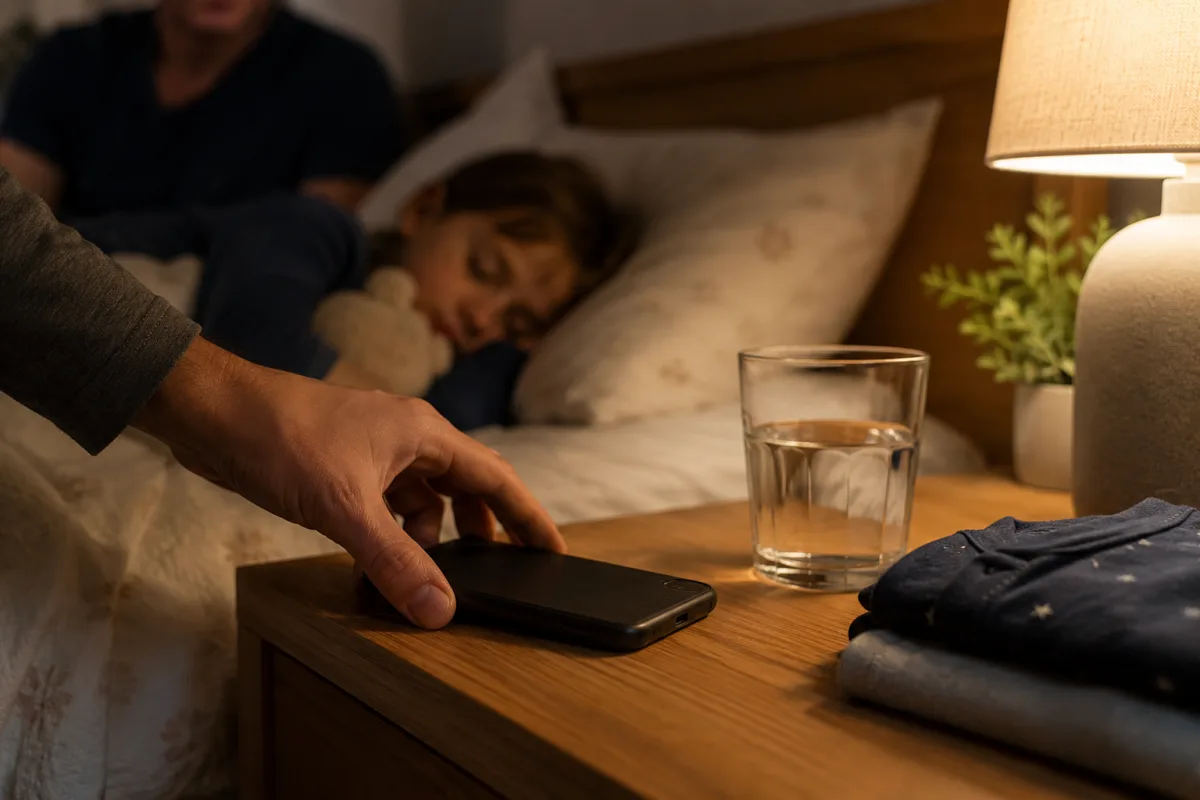
Establish phone-free times and spaces, particularly during family meals and before bed. These boundaries protect your attention from constant digital demands and allow genuine presence with family and genuine rest before sleep. Using your phone less increases awareness of how much time devices consume and the mental relief that comes from disconnection.

Set boundaries around work communication, establishing clear times when you won't check emails or messages. The expectation that parents remain constantly available for work undermines self-care and rest. Communicating these boundaries to employers and colleagues establishes healthier work-life balance essential for well-being.

Use app timers or parental controls to limit time on social media and news apps, which often create anxiety and comparison. Set daily time limits on apps, and notice how mood and stress improve with reduced screen time. The dopamine hits from constant notification and scrolling create a stress-inducing cycle that benefits from deliberate interruption.

Implement a regular digital detox—perhaps one evening weekly or one day monthly—where you completely disconnect from devices. Use this time for hobbies, nature, family interaction, or rest. Many people report significant improvements in sleep, stress, and well-being from regular digital detoxes.

Professional Help and When to Seek Support

Recognizing when self-care practices alone aren't sufficient and seeking professional help is crucial self-care. Postpartum depression, anxiety, burnout, and other mental health challenges affect many parents and respond well to professional treatment. If you're experiencing persistent sadness, anxiety, hopelessness, or thoughts of harming yourself, professional help isn't optional—it's essential.

Many parents hesitate to seek professional support due to stigma, expense, or lack of awareness of available resources. Yet prioritizing mental health is just as important as physical health. Many insurance plans cover mental health care, employers often provide employee assistance programs, and community mental health centers offer sliding-scale services based on income.

Therapy or counseling provides tools for managing stress, processing difficult emotions, and developing resilience. Whether through individual therapy, couples therapy, or group support, professional support complements self-care practices and often proves life-changing. Don't wait for crisis to seek help; early intervention for stress and mental health concerns prevents more serious problems.

Medication might be appropriate for some parents struggling with anxiety, depression, or other mental health conditions. Combining medication with therapy and self-care practices often proves most effective. Discuss options with healthcare providers without judgment—medical treatment for mental health conditions is just as legitimate as treatment for physical conditions.

Creating a Sustainable Self-Care Plan

Developing a realistic self-care plan you'll actually maintain is more important than having a perfect plan you abandon. Start by identifying self-care practices that energize and restore you personally, as different activities benefit different people. What nourishes one parent might not resonate with another—your plan should reflect your unique needs and preferences.

Choose 2-3 self-care practices to prioritize initially, building consistency with these foundations before adding more. Overambitiousness often leads to abandonment, while focused consistency creates lasting habits. Once morning routines, exercise, and sleep are established, consider adding mindfulness, hobbies, or social connection.

Schedule self-care practices in your calendar as non-negotiable commitments, just as you would work meetings or children's appointments. Without explicit scheduling, self-care gets continually postponed by other demands. Treating these commitments seriously—even if others question why you're prioritizing yourself—establishes that your well-being matters.

Expect to modify your plan as circumstances change. During particularly demanding p are: nting seasons (newborn phase, school transitions, family crises), and self-care might look different than during calmer periods.

Celebrate progress and acknowledge the positive changes that emerge from consistent self-care. Notice improvements in energy, mood, patience, and resilience. Recognizing these benefits reinforces your commitment and motivates continued practice. Share your self-care successes with others, modeling healthy practices for your children and encouraging other parents to prioritize their well-being.

Frequently Asked Questions

Q: How much time should I spend on self-care daily?A: There's no one-size-fits-all answer, but aim for at least 15-30 minutes daily. This might include morning routine, exercise, and evening wind-down. Some days you'll have more time; prioritize consistency over duration.

Q: What if I don't have time for self-care with my schedule? A: Even busy schedules include time for self-care; it requires identifying activities you're willing to deprioritize. Could you reduce screen time, simplify meals, or wake earlier? Self-care isn't additional; it's part of how you spend existing time.

Q: Is it selfish to prioritize self-care when my family needs me? A: No. Taking care of yourself makes you a better parent and partner. You can't pour from an empty cup; self-care replenishes your resources so you can show up fully for your family.

Q: What if my partner doesn't understand why self-care is important? A: Communicate the mental and physical health benefits you've experienced and how you're more patient, energetic, and present with family when you're taking care of yourself. Many partners become supportive once they understand the benefits.

Q: How do I maintain self-care routine during stressful periods? A: Scale back rather than abandon practices. Reduce exercise to 15 minutes instead of 30, meditate for 5 minutes instead of 20, or simplify meals. Some self-care, however minimal, is better than none.

Q: What if I feel guilty taking time for myself? A: Recognize that guilt as a cultural message that parents—especially mothers—should sacrifice everything. Challenge that narrative; your well-being is essential, not selfish. Your children benefit from having a healthy, happy parent.

Q: Can my children be part of my self-care routine?A: Absolutely. Family walks, cooking together, and game nights can meet self-care needs while bonding with children. However, also protect solo self-care time, as this provides unique restoration.

Q: What if I'm struggling with depression or anxiety despite self-care? A: Self-care complements but doesn't replace professional treatment for mental health conditions. Contact a healthcare provider about symptoms; therapy and potentially medication can provide support self-care alone can't offer.

Q: How do I handle criticism about my self-care from family or friends? A: Set boundaries around others' opinions about your self-care. Politely but firmly explain that your well-being is your responsibility, and continue practices that serve you regardless of others' opinions.

Q: What if I can't afford fitness classes, therapy, or spa services? A: Excellent self-c are: is free or low-cost: walking in nature, free meditation apps, library books, journaling, home yoga videos, and time with friends.

Self-Care Routine for Busy Parents: A Practical Guide 2026

Save for later

Found this helpful?

Pin this article to your Pinterest board and come back to it whenever you need a reminder.

Save to Pinterest
Written by

Tory Stearns

Tory has been writing for over 10 years and has built a strong following of readers who enjoy his unique perspective and engaging writing style. When he's not busy crafting blog posts, Tory enjoys spending time with his friends and family, traveling, and trying out new hobbies.

More posts
Tory Stearns

Responses (0)

0%