

Self-esteem builder activities work better when they stop trying to make people feel amazing on command. Most people do not need a louder slogan. They need proof that they can act, learn, repair, ask, say no, and stay with themselves after a mistake.
That means good activities are specific. They name a situation, a thought, a behavior, and a next step. They also avoid shaming anyone who does not feel confident yet.
Start With A Specific Moment
Mayo Clinic suggests noticing the situations that affect self-esteem and then paying attention to the thoughts that show up: Mayo Clinic self-esteem steps. A useful activity starts there, not with a generic affirmation.
Ask: Where did my self-esteem drop today? What did I tell myself? What did I do next? Was the thought fair, harsh, or incomplete? That is enough for one session.
Make A Proof List

A proof list is not a brag sheet. It is a record of evidence. Write three things you handled this week: replied to a hard message, finished a small chore, practiced a skill, asked for help, walked away from gossip, or rested instead of pushing past exhaustion.
The proof should be ordinary. Ordinary evidence is easier to trust than dramatic language. Over time, the page shows a person that they have been showing up even on rough days.
For people who like tracking, writing a food journal shows how small records can reveal patterns without turning the record into a verdict.
Use Skill Practice
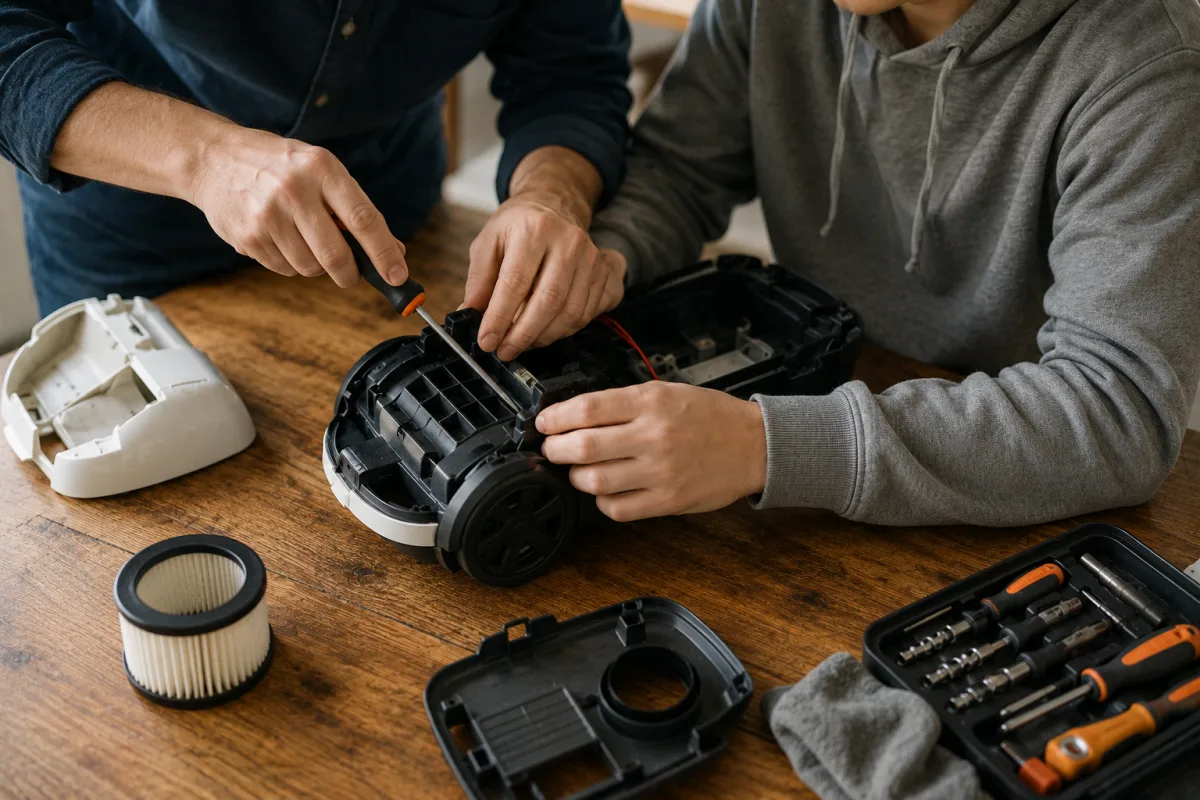
Child Mind Institute recommends helping kids build confidence by trying new things and tolerating mistakes: Child Mind Institute confidence tips. The same idea works for adults too. Pick one learnable skill and practice it on purpose.
Cooking one meal, changing a tire, budgeting a week, sending a resume, making a phone call, learning a song, or asking one clear question can build sturdier self-esteem than repeating I am enough twenty times.
Rewrite One Harsh Thought
Choose one thought, not the entire inner monologue. If the thought is I ruin everything, test it. What happened? What part is true? What part is too broad? What would I say to a friend who did this?
Then write a replacement that is believable: I made one mistake and I can repair it. I am embarrassed, but I can still respond. I do not have to decide my worth from one moment.
Practice Receiving Good Feedback
Some people reject praise so quickly that it never lands. The activity is simple: when someone gives a genuine compliment, do not argue. Say thank you, write it down later, and add one sentence about what action caused it.
This keeps praise connected to behavior. You are kind becomes I checked on my friend when they were quiet. That is easier to believe and repeat.
Reduce Comparison Triggers
APA's advisory on adolescent social media warns about appearance-based comparison, but adults feel it too: APA advisory on social media and comparison. A self-esteem activity can include a two-week clean-up of accounts, shows, forums, or conversations that leave a person smaller.
The point is not to hide from every hard feeling. It is to stop feeding a comparison loop that never gives a fair measure.
Use Body-Neutral Language
Body-positive language does not work for everyone right away. Body-neutral language may feel more honest: My legs carried me through the day. My face does not have to be perfect to be seen. I can dress for comfort and care.
If body worry is tangled with food or weight tracking, connect the practice with care, not control. The Livecub guide to food journals can be read with that caution in mind.
Build A Small Exposure Ladder

Confidence grows when a person faces a manageable version of what they avoid. Make a ladder with five rungs. For speaking anxiety, rung one might be reading a line out loud alone. Rung five might be asking a question in a meeting.
Performance fear has its own patterns; Livecub's article on stage fright fits well beside this kind of ladder.
Ask For Better Support
A self-esteem activity can include changing the room. Spend less time with people who turn every weakness into a joke. Ask one safe person for feedback that names both a strength and a next step.
Confidence also changes across age and ability. Livecub's article on motivation in older adults is a useful reminder that support has to fit the person.
Know When To Get Help
NIMH lists self-care steps such as regular activity, sleep, goals, gratitude, connection, and help-seeking, while also pointing people toward care when they need it. Self-esteem work should never become a reason to avoid treatment.
If speaking shuts down under pressure, it may need more than confidence practice. See Livecub's related piece on selective mutism for that distinction.
Keep The Activity Honest
A good self-esteem builder should leave a person more accurate, not inflated. It should help them see effort, repair mistakes, name needs, and take the next step.
If an activity turns into another way to judge yourself, make it smaller. If it feels fake, rewrite it. If it brings up pain that feels too large to hold alone, bring it to a professional.
Use Values Cards
Write values on cards: courage, humor, steadiness, faith, learning, kindness, privacy, honesty, family, creativity, service. Pick three that feel real this month. Then write one action beside each value. Self-esteem grows when values move into behavior.
Practice One Brave Sentence
Choose a sentence that is hard but safe: I need more time. I do not understand. Please stop joking about that. I would like to try. Practice it alone, then with one trusted person, then in a real setting.
Keep Private Activities Private
Not every self-esteem activity should be shared. Some people need private proof before public praise. A private notebook, voice note, or phone checklist can help someone practice without performing confidence for others.
Write A Repair Script
Low self-esteem often turns mistakes into identity. A repair script helps: here is what happened, here is my part, here is what I will do next. Repair gives the person a route back into action.
Track Effort Without Turning It Into A Grade
Use a simple mark for effort: tried, asked, rested, repaired, practiced. Do not score worth. The record should show that effort exists even when mood is low or the outcome is not ideal.
Use A Before And After Check
Before the activity, rate the situation from one to five: how hard does this feel? Afterward, rate how it went and what helped. The numbers are not grades. They show that fear and difficulty can shift with practice.
Make Activities Age-Respectful
A self-esteem worksheet for a child may feel insulting to a teen or adult. Use language that fits the person. Adults may prefer work examples, relationship boundaries, or private writing. Teens may prefer choice, humor, and less public sharing.
Include Rest As Competence
Many people only count pushing harder as strength. Add rest to the activity list: stopping before burnout, eating when hungry, sleeping, asking for help, or ending a conversation that has become cruel. Self-respect includes limits.
Check For Hidden Perfectionism
Self-esteem work can become another perfection project. If the person is trying to do the activity perfectly, shorten it. A two-line note used often is better than a flawless notebook that becomes another source of pressure.
Add One Social Risk
For some people, self-esteem grows when they take a small social risk: ask a question, invite someone, say no, or admit they need help. Keep the risk small enough that recovery is possible.
Use The Body Kindly
Include care that is physical but not appearance-focused: sleep, stretching, hydration, meals, medical appointments, comfortable clothes, or walking. Self-esteem should include the body as a lived place, not a project.
Review Monthly
Once a month, review what activities still help and what has become stale. People change. A practice that worked during one season may need to be rewritten for another.
Frequently Asked Questions
What is the best self-esteem activity?
The best activity is one the person will repeat: a proof list, a skill practice, a thought rewrite, or a small exposure ladder.
Do affirmations work?
They can help when they are believable and tied to action. Forced phrases often backfire when someone feels low.
How often should I do self-esteem activities?
Short daily practice or two focused sessions each week is usually easier to keep than a long worksheet once a month.
Can these activities help teens?
Yes, if they are practical, private enough, and not centered on appearance or forced sharing.
When should I talk to a professional?
Get help if low self-esteem comes with self-harm thoughts, trauma symptoms, eating concerns, panic, isolation, or daily impairment.
This article is for general information only and is not medical or mental health advice. If symptoms, distress, or safety concerns are present, contact a qualified professional or emergency services.

Chiara Bradshaw
Covers education, culture and creative topics with an emphasis on readable explanations and verifiable references.




Leave a reply
Replying to