
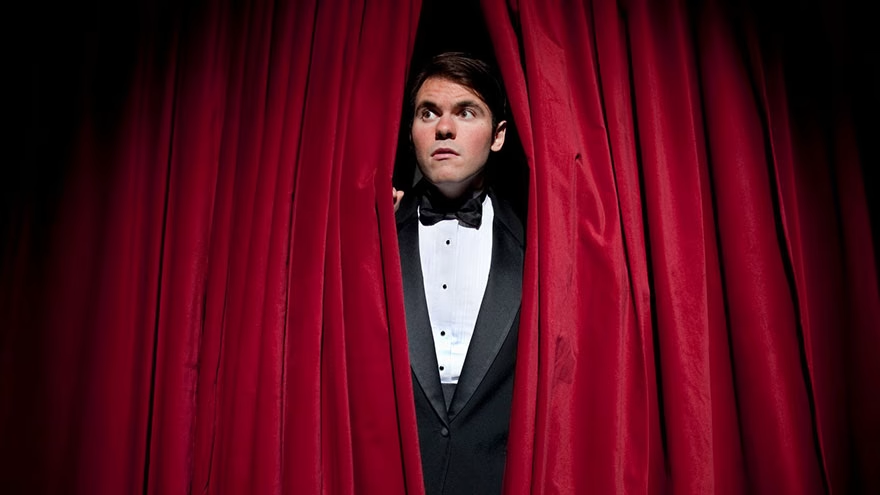
Stage Fright Phobia usually means performance fear that goes beyond ordinary nerves. It may show up before speeches, music, sports, interviews, meetings, classes, auditions, or any moment where a person feels watched and judged.
This is general mental health education, not a diagnosis. If fear makes you avoid school, work, health care, relationships, or needed opportunities, a licensed mental health professional can help.
Nerves Versus Phobia
Normal nerves rise before a performance and settle once the person starts. Stage fright becomes more serious when fear is intense, persistent, and leads to avoidance or distress.
NIMH's social anxiety disorder overview explains how fear of judgment can interfere with daily life.
Common Symptoms
Symptoms can include shaking, sweating, nausea, dry mouth, racing heart, shaky voice, blanking out, stomach pain, and a strong urge to escape.
These body signals are real. They do not mean the person is weak or unprepared.
Why It Happens
Performance fear often mixes threat response, past embarrassment, perfectionism, audience focus, and lack of gradual practice.
Some people fear mistakes. Others fear being seen at all. The treatment plan may differ depending on the pattern.
Avoidance Cycle
Avoiding the stage gives short-term relief, but it can teach the brain that performance is dangerous. The next event may feel even harder.
A smaller practice step is usually better than disappearing from every speaking chance.
Preparation That Helps
Prepare the opening, practice out loud, visit the room if possible, and know how you will recover from a mistake.
Livecub's quick stage fright guide can pair with a longer plan when an event is close.
Breathing And Grounding
Slow exhale breathing, feet-on-floor grounding, and naming objects in the room can help the body come down from alarm.
These skills work best when practiced before the day of the performance.
Exposure Practice
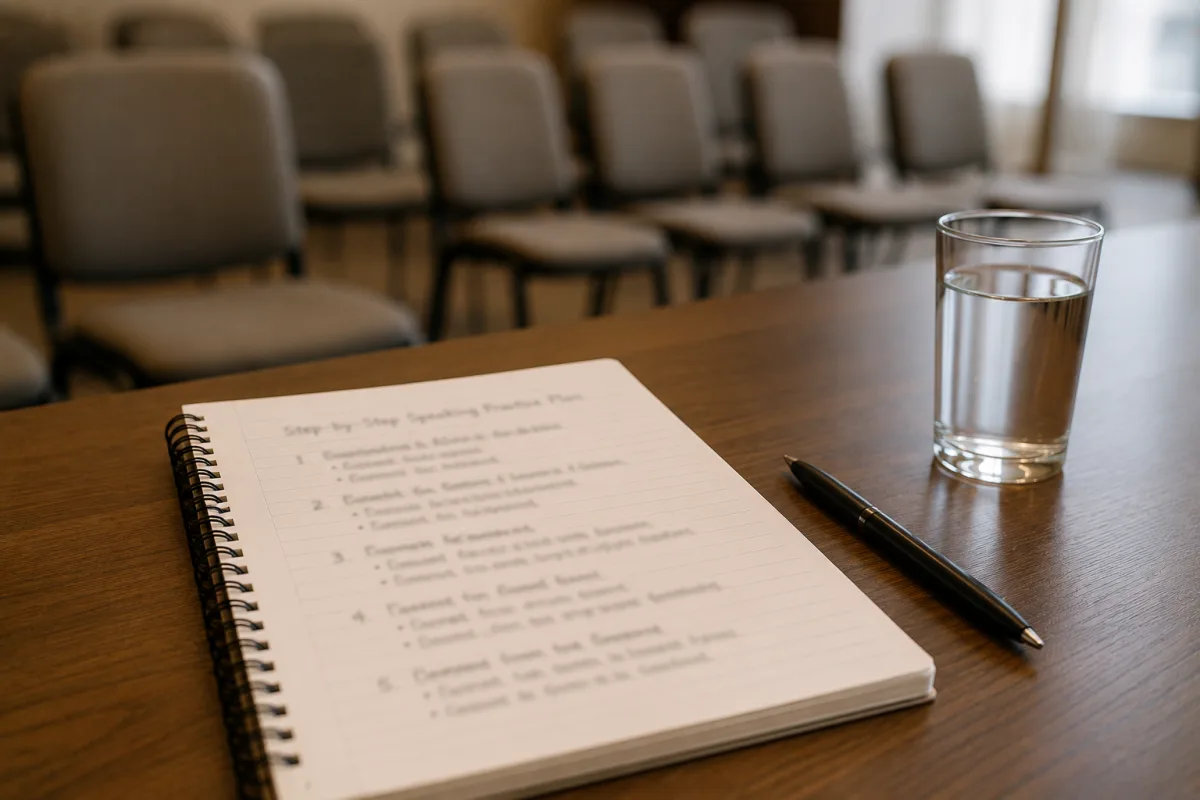
Exposure means practicing the feared situation in steps: reading alone, recording yourself, speaking to one person, then a small group.
The American Psychological Association explains exposure therapy as a treatment approach for reducing fear through planned contact with feared situations.
Speech And Selective Mutism
Some people freeze or cannot speak in certain settings. That can overlap with anxiety and may need more than performance tips.
Livecub's selective mutism article is related when silence in specific settings is the main problem.
Sports And Tryouts
Stage fright is not limited to theater. Tryouts, competitions, and skill tests can produce the same fear of being watched.
Livecub's sports tryout nerves guide covers a related performance setting.
Medication Questions
Some people ask about beta blockers or anxiety medicine. That is a clinician conversation, especially with asthma, heart conditions, pregnancy, or other medicines.
Do not borrow someone else's medication before a performance.
Self-Talk
Harsh self-talk can make symptoms worse. Replace 'I cannot mess up' with 'I can pause and continue.'
The phrase should be believable. Forced positivity can feel like another performance demand.
When To Get Help
Get help if you avoid classes, jobs, interviews, auditions, social events, or medical care because of performance fear.
Therapy can use CBT, exposure, skills practice, and sometimes medication evaluation.
After The Event
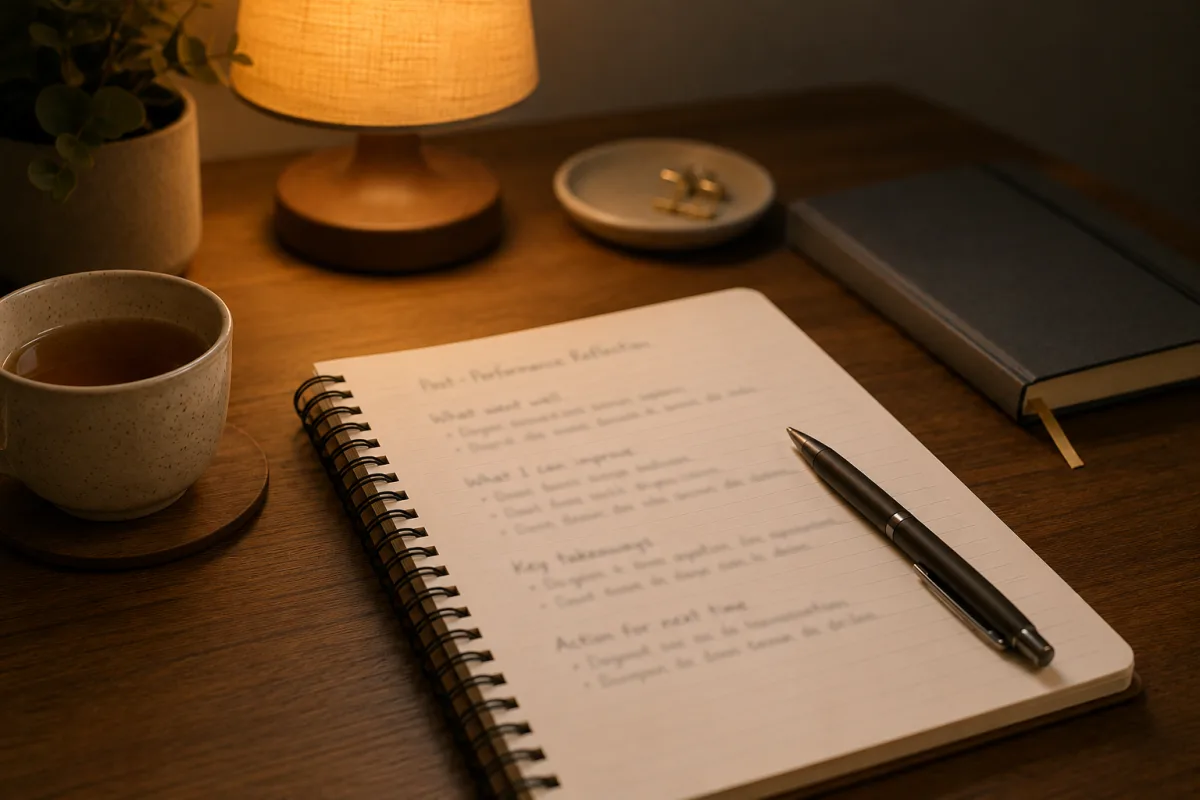
Review one thing that worked and one thing to practice. Do not run a private trial against yourself for hours.
A fair review keeps learning alive without turning the event into punishment.
Map The Fear
Write down the exact feared moment. Is it walking to the front, hearing your voice shake, forgetting lines, being laughed at, or answering questions?
A clear fear map helps you practice the right step instead of fighting a vague cloud of dread.
Practice Recovery
Many people practice only the perfect version. Practice losing your place, taking a sip of water, and restarting from the next line.
Recovery practice teaches the body that a mistake is survivable. That can lower fear more than another perfect rehearsal.
Use Smaller Audiences
Start with one trusted person, then two, then a small group. Recordings can be useful, but only if you review them kindly and briefly.
Do not watch a recording ten times looking for flaws. That trains threat scanning, not confidence.
Work With The Body
Eat lightly if your stomach reacts, arrive early enough to settle, and keep water nearby. Avoid too much caffeine before a feared event.
The body does not need to feel calm for you to begin. It only needs enough support to stay present.
Teacher Or Manager Help
If stage fright affects school or work, ask for reasonable practice options: smaller presentations, notes, gradual exposure, or a clear order of speakers.
This is not asking for special praise. It is asking for a structure that lets skill build.
After Avoidance
If you avoided an event, skip the self-attack and study what happened. What was the trigger, what did avoidance protect, and what smaller step can happen next?
A missed attempt can still become useful data if you use it to plan the next exposure.
Support Person
A support person can help you arrive, rehearse, and leave without feeding panic. They should not repeatedly reassure you in a way that keeps the fear alive.
Ask them to remind you of the next action, not to promise nothing will go wrong.
The First Minute
The first minute often feels the worst. Plan it carefully: where you stand, the first sentence, where your notes are, and how you will breathe.
Once the first minute is scripted, the rest of the event may feel less like a cliff.
Audience Reality
An anxious brain imagines the audience tracking every tremor. Most audiences are thinking about the topic, their own day, or what question they may ask.
This does not make fear vanish, but it challenges the idea that every person is studying you harshly.
Perfection Rules
Stage fright often hides a rule such as 'I must never pause' or 'My voice must not shake.' Write the rule down and make it more humane.
A better rule is, 'I can pause, breathe, and continue.'
Build A Ladder
A fear ladder lists practice steps from easiest to hardest. Each step should be uncomfortable but possible.
Skipping straight to the hardest step can confirm fear. A ladder gives the nervous system a fair way to learn.
Notes That Work
Use notes that help you recover: headings, first lines, and transitions. Full scripts can help some people, but they can also make a missed word feel like disaster.
Practice with the same note format you will use during the event.
Question Time
Question time can be the scariest part because it feels less controlled. Prepare three bridge lines: 'Let me think,' 'I can answer part of that,' and 'I will need to check.'
Those lines give you options besides freezing or pretending to know everything.
Body Discharge
After a performance, shaking or exhaustion may continue after the audience leaves. Walk, stretch, drink water, and let the body come down.
Do not judge the event while adrenaline is still high. Wait until your body is closer to baseline.
Identity
A rough performance does not make someone a bad speaker, musician, student, worker, or athlete. It is one event with data to learn from.
Stage fright shrinks identity around the feared moment. Recovery means making the identity bigger again.
Longer Treatment
If fear has lasted for years, one tip will not erase it. That does not make the fear permanent.
A plan with therapy, gradual exposure, practice, and support can still change the pattern over time.
Day Before Routine
The day before a performance, choose sleep, food, notes, clothes, travel time, and one rehearsal. Do not keep rehearsing until panic rises.
A simple routine gives the body fewer surprises on the day itself.
Frequently Asked Questions
Is stage fright a phobia?
It can be, especially when fear is intense, persistent, and causes avoidance.
Is stage fright the same as social anxiety?
It can overlap with social anxiety, but not everyone with stage fright has social anxiety disorder.
Can exposure practice help?
Yes, gradual planned practice is often used for performance fears.
Should I take medicine for stage fright?
Ask a clinician. Medication can be appropriate for some people but is not a do-it-yourself choice.
What if I blank out?
Practice a recovery line, pause, breathe, and return to the next point rather than starting over.
Stage fright phobia is treatable. The goal is not to erase every nerve, but to build enough skill, support, and practice to perform without fear running the day.
Olivia Prete
Edits culture and personal-development articles, distinguishing opinion and experience from verifiable claims.


Leave a reply
Replying to