
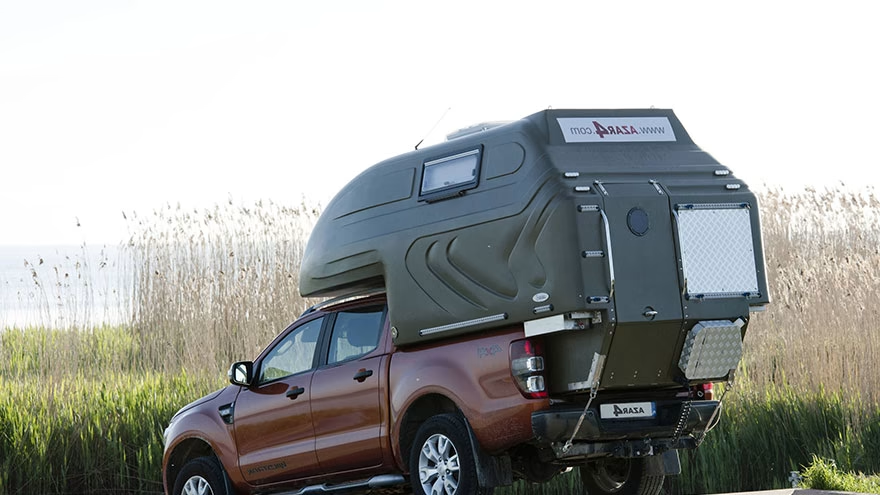
Stealth Camping for Pickup Trucks Should Start With Permission
Stealth camping for pickup trucks has a bad name when it means sneaking onto land, hiding from police, or sleeping where signs clearly say no overnight parking. A better version is quieter and cleaner: legal vehicle camping that does not draw attention, disturb neighbors, or leave a mess.
A pickup can make that easier because the bed can hold a simple sleeping platform, blackout curtains, water, food, and storage without a tall RV profile. But the truck does not give you permission. The legal place comes before the clever setup.
Think of stealth as low-impact behavior, not evasion. If a ranger, property owner, or local officer asks what you are doing, the answer should be honest and boring.
If the plan depends on not getting caught, choose another plan. That test removes most bad ideas before they turn into a ticket, tow, or unsafe night.
Where Can a Pickup Camper Legally Sleep?
Start with land rules. Bureau of Land Management camping guidance explains that dispersed camping is often allowed on BLM-managed public lands, with stay limits that commonly run 14 days within a 28-day period, though local offices can set different limits. Check the BLM's camping rules for the specific area before you go.
National forests can also allow dispersed camping outside developed campgrounds, but rules vary by region, road, fire condition, and resource protection area. The U.S. Forest Service's dispersed camping guidance describes this kind of camping as camping away from developed campgrounds and reminds visitors that services such as trash removal, tables, and toilets are usually absent.
National parks are different. Many parks prohibit sleeping in vehicles outside designated campgrounds. If you are driving through a park, read that park's overnight parking and camping page instead of assuming a pullout is available.
For route planning, combine public land maps, official campground pages, and local signs. A scenic side road near meteorite-hunting areas in Nevada may cross BLM land, private ranch land, tribal land, or protected habitat within a short distance.
How Should the Truck Be Set Up?
A pickup setup should let you arrive, sleep, and leave without unpacking half the vehicle. The bed platform needs a flat sleeping surface, secure storage, and a way to reach essentials without opening every bin in the dark.
Use blackout window covers, not bright curtains. Keep bedding below window height. Choose small interior lights with a warm setting, and avoid leaving screens glowing against the glass. Light is the easiest way to announce that someone is sleeping inside.
Ventilation matters more than many first-time truck campers expect. A cracked window, screened vent, or canopy window can reduce condensation and stale air. In cold weather, moisture from breathing can soak bedding by morning if the shell is sealed tight.
Pack the truck so safety gear is reachable from inside: headlamp, shoes, water, keys, phone, first-aid kit, and a jacket. If you need to leave fast, the cab should not be buried behind gear.
Keep the driver's seat clear before you sleep. In remote weather, a blocked cab is annoying. In town, near wildfire smoke, or during a late-night knock, it can become a real safety problem.
What Makes a Spot Low-Impact?
Low-impact camping means using a durable, legal surface and leaving no visible trace. The Leave No Trace Center's seven principles include planning ahead, disposing of waste properly, respecting wildlife, and being considerate of other visitors.
In practical truck terms, that means no new fire rings, no driving around mud holes, no cutting branches to hide the truck, and no gray water dumped beside the tire. If there is no toilet, bring a legal waste plan before you need it.
Arrive before dark when possible. It is safer to read signs, spot soft shoulders, and avoid private driveways in daylight. True stealth is not stumbling around with a flashlight at midnight.
Noise is impact too. Slamming tailgates, idling engines, loud drawers, and late cooking can bother other campers even when your trash is packed out.
Pad rattling bins and shut doors gently before quiet hours, especially near dispersed sites with other campers nearby.
Walking routes matter too. If your camp plan includes trails or rough ground, basic gear such as properly adjusted walking sticks can prevent a small night walk from becoming a fall.
How Do You Handle Heat, Cold, and Air?
A truck shell can become hot in the sun and cold before dawn. Park with morning shade in warm weather and wind protection in cold weather, but do not block a road, gate, campsite spur, or emergency access lane.
Never run a fuel-burning heater, stove, or grill inside the truck bed unless the device is designed for enclosed use and you understand the ventilation requirements. Carbon monoxide is odorless, and small spaces leave little margin for error.
Use layered bedding instead of one oversized sleeping bag. A foam pad cuts cold from below, and a dry backup layer helps if condensation forms. In desert areas, temperature swings can be sharp even after a hot day.
Water planning is part of temperature planning. Remote areas near places such as the Spiral Jetty on Utah's Great Salt Lake can be exposed, salty, dusty, and far from services. Carry more water than the night appears to require.
What Should You Avoid in Towns?
Urban stealth camping is where people most often cross lines. Do not sleep in private lots, apartment complexes, hospital lots, school lots, residential curb spaces, or business parking areas without permission. A quiet truck is still trespassing if the property does not allow overnight stays.
Some businesses, casinos, truck stops, and visitor centers allow vehicle overnights in specific areas, but policies change. Call ahead, ask inside, or read posted signs. If permission depends on buying something, buy something and keep the receipt.
Do not cook outside, set up chairs, hang wet clothing, run a generator, or create a campsite in a parking lot. The more your setup spreads, the faster you stop being invisible and start being a problem.
In travel corridors such as Laughlin or desert highways, research public land outside town rather than hoping a random curb works. A guide to things to see around Laughlin, Nevada can help you separate day stops from legal sleeping areas.
How Do You Leave in the Morning?
Pack before sleeping so the morning takes minutes. Put shoes, trash, food, and bedding where they belong before you close the truck for the night. That reduces noise and keeps you from scattering gear at sunrise.
Walk the area before driving away. Look for food scraps, twist ties, bottle caps, tissues, and small plastic pieces. If you find trash left by someone else, take what you can safely carry. A good site should look unused after you leave.
Log the location only if it was legal, durable, and low-impact. Sharing exact coordinates online can overwhelm fragile spots. It is better to share the method for checking rules than to broadcast a quiet pullout to thousands of strangers.
If a spot felt sketchy, noisy, illegal, or unsafe, do not return just because nothing happened. Luck is not a camping strategy.
Frequently Asked Questions
Is stealth camping in a pickup truck legal?
It can be legal on some public lands, designated campgrounds, or private property with permission. It is not legal just because the truck is quiet or hard to see.
Can I sleep in my truck at a national park pullout?
Often no. Many national parks allow sleeping only in designated campgrounds or with specific permits. Check the park's official camping rules before relying on a pullout.
What should I do if someone knocks on the truck?
Stay calm, keep your hands visible, and answer honestly. If you are told to move, move. Arguing rarely helps, especially on private property or posted land.
How do I keep condensation down inside a truck shell?
Ventilate slightly, avoid sealing every opening, keep wet gear outside the sleeping area when possible, and use bedding that can dry during the day.
Do I need a built camper shell for stealth camping?
No. A simple canopy, sleeping platform, window covers, and organized storage can work. The legal location and low-impact habits matter more than the build.
Quiet Camping Is Still Accountable Camping
The cleanest pickup camping looks uneventful. Find a legal place, keep the setup contained, protect air and warmth, pack out every scrap, and leave before your presence becomes someone else's problem.

Tory Stearns
Edits practical household, travel and lifestyle explainers. Claims that can change are linked to current primary or subject-authority sources.



Leave a reply
Replying to