
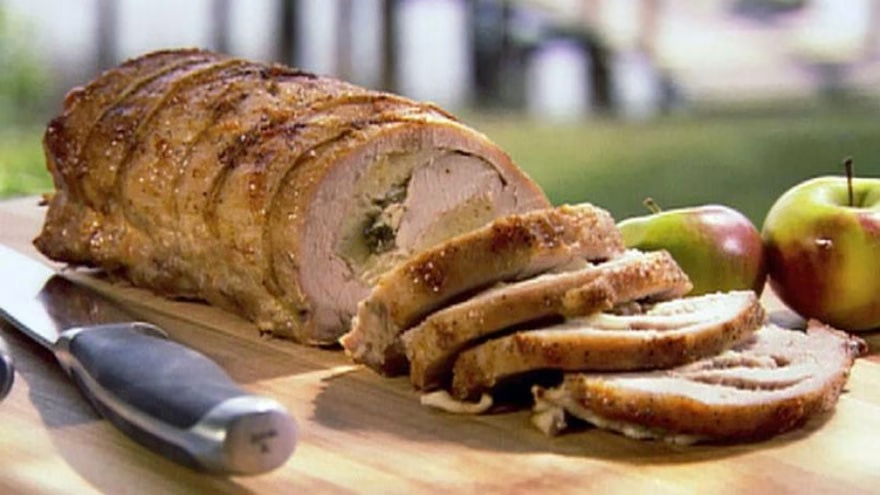
Stuffed Pork Should Be Juicy, Not Complicated
A stuffed pork loin or chops recipe can feel like Sunday dinner without requiring a restaurant kitchen. The idea is simple: season the pork well, add a moist savory filling, brown the outside, and finish it gently in the oven.
The same flavor profile can work for a whole pork loin or thick pork chops. Chops cook faster and feel more individual. A loin slices neatly for a family table or holiday meal.
The goal is tender pork, flavorful stuffing, and safe cooking from the center out.
Choose the Right Cut
For chops, buy thick boneless loin chops or bone-in chops with enough room to cut a pocket. Thin chops are hard to stuff and easy to overcook. For a loin, choose a piece that can be butterflied and rolled without tearing.
Look for pork with a fresh smell, good color, and enough fat to stay moist. Very lean pork needs extra care because it can dry quickly once it passes the right temperature.
Stuffing cannot rescue dry pork if the cut is too thin or overcooked.
Know the Safe Temperatures
FoodSafety.gov's safe minimum internal temperature chart lists pork steaks, roasts, and chops at 145 degrees F with a 3-minute rest. Stuffing is different because it can trap juices and heat unevenly.
USDA-FSIS stuffing safety guidance says stuffing should reach 165 degrees F. Use a thermometer in the thickest part of the pork and in the center of the stuffing.
Do not judge stuffed pork by color alone. A thermometer keeps dinner safer and helps prevent overcooking.
Make a Moist Bread Stuffing
Use day-old bread cubes, cornbread, or a mix of both. Add sauteed onion, celery, garlic, parsley, sage, thyme, black pepper, and enough warm broth to moisten the mixture without making it wet.
If you add sausage, bacon, or other meat to the stuffing, cook it fully before it goes into the filling. The stuffing should be moist enough to heat evenly but not so loose that it leaks everywhere.
Moist stuffing cooks more evenly than dry crumbs.
Gather the Ingredients Before Cutting
For the pork, plan on thick chops or a boneless loin, salt, pepper, oil, and a few dry seasonings. For the stuffing, gather bread or cornbread, onion, celery, garlic, herbs, broth, and butter.
Optional additions can be apples, cranberries, cooked sausage, pecans, mushrooms, or a small amount of grated cheese. Keep additions chopped small so the stuffing packs neatly and heats evenly.
Set out twine or toothpicks before your hands touch the meat. That small step keeps the work cleaner and calmer.
Cut Pockets or Butterfly the Loin
For chops, lay each chop flat and cut a pocket from the side, stopping before you slice through the far edge. Open it gently with your fingers and season inside lightly.
For a pork loin, butterfly it into a flat sheet, spread the filling, roll it tightly, and tie it with kitchen twine. Keep the stuffing layer even so every slice has the same balance.
If cutting meat makes you nervous, ask the butcher to prepare thick chops or butterfly the loin.
Season the Outside
Season the pork with salt, pepper, paprika, garlic powder, thyme, and a little oil. A small amount of mustard can help the spices cling. Keep sugar low on the outside if you plan to sear, because it can burn.
For a different seasoning direction, Livecub's Asian seasoning mix guide can help you think about salt, aromatics, and balance, even if this recipe stays Southern-style.
Seasoning should reach the pork, not only the stuffing.
Do Not Overfill
Overfilled chops split, leak, and cook unevenly. Use enough stuffing to fill the pocket without forcing the edges apart. A rolled loin should close around the filling without squeezing bread out of both ends.
Extra stuffing can bake in a small greased dish until it reaches a safe temperature. That is usually better than cramming it inside the pork.
Neat stuffing cooks better than ambitious stuffing.
Brown Before Baking
Browning adds flavor and color. Heat a skillet, add a thin film of oil, and brown the stuffed chops or tied loin on the main surfaces. Move gently so the filling stays in place.
After browning, transfer the pork to a baking dish or oven-safe skillet. Add a splash of broth or apple cider to the pan if you want moisture for a quick sauce later.
Livecub's grilled whole duck recipe is a different meat, but it shows the same lesson: browning and temperature control matter more than guesswork.
Bake Until the Center Is Ready
Bake in a moderate oven so the outside does not toughen before the inside heats. Chops may cook faster than a rolled loin, so start checking early. The stuffing center is the slowest point.
If the pork reaches 145 degrees F but the stuffing has not reached 165 degrees F, keep cooking until the stuffing is safe. Tent loosely with foil if the outside is browning too much.
The stuffing temperature decides when stuffed pork is done.
Adjust for Chops or Loin
Stuffed chops are easier for weeknights because each portion cooks separately. A stuffed loin feels more impressive, but it needs more careful tying, resting, and slicing.
If serving guests, a loin gives cleaner presentation. If cooking for a smaller household, chops let you cook only what you need and store the rest uncooked or unstuffed.
Make a Simple Pan Sauce
After the pork rests, use the skillet or baking dish for sauce. Add a little broth, cider, or water, scrape up browned bits, and simmer briefly. Whisk in a small knob of butter at the end if you want shine.
Keep the sauce savory rather than heavy. Stuffed pork already has bread filling, so a light pan sauce often works better than a thick gravy.
Rest, Slice, and Serve Cleanly
Resting helps the juices settle and makes slicing easier. For chops, serve whole or slice on a slight angle to show the filling. For a loin, remove the twine and use a sharp knife so the roll keeps its shape.
If the stuffing falls out in a few slices, do not worry. Spoon it beside the pork and add a little pan sauce. The plate will still look generous.
Serve With Sides That Balance the Plate
Stuffed pork is rich, so choose sides with freshness or contrast. Green beans, roasted carrots, applesauce, cabbage slaw, asparagus, greens, or a simple salad all work.
Livecub's asparagus rolls recipe can fit a dinner-party version, while basic corn souffle makes the meal more comfort-focused.
A sharp pickle, chutney, or apple side can cut through the richness without adding another heavy dish.
Store Leftovers Safely
Cool leftovers promptly, slice the loin if needed, and store in shallow containers. Reheat gently so the pork does not dry out. Leftover stuffed chops can be sliced for sandwiches or served with eggs the next day.
Do not leave stuffed pork sitting out while the table lingers for hours. Stuffing and meat both need careful storage after dinner.
Good leftovers start with quick storage.
Fix Common Problems
If the pork is dry, slice it thinner and serve with pan sauce or applesauce. If the stuffing tastes bland, add more herbs, black pepper, or a little acid next time. If the outside browns too fast, lower the oven temperature and tent loosely.
If the stuffing is not hot enough when the pork is close, keep cooking until the center reaches the right temperature. A good thermometer is the tool that keeps the recipe from becoming guesswork.
If the pocket tears, tie the chop or secure it with toothpicks and keep going. Home cooking does not need perfect edges.
Write down the timing that worked for your pan and cut.
Frequently Asked Questions
Can I use this recipe for both pork loin and pork chops?
Yes. Use thick chops for pockets or butterfly a pork loin for rolling. Cooking time changes with size and thickness.
What temperature should stuffed pork reach?
The pork should reach 145 degrees F with rest time, and the stuffing center should reach 165 degrees F.
Can I make the stuffing ahead?
Prepare dry and wet parts separately and chill them. Mix the stuffing close to cooking time for better safety and texture.
What sides go with stuffed pork?
Serve bright vegetables, applesauce, slaw, greens, asparagus, corn souffle, or a simple salad to balance the rich filling.

Tory Stearns
Edits practical household, travel and lifestyle explainers. Claims that can change are linked to current primary or subject-authority sources.




Leave a reply
Replying to