

The Disadvantages of General Well-Being in Self-Esteem is an awkward title, but the idea is useful: self-esteem gets shaky when a person treats broad well-being as proof of personal worth. Feeling good is not the same as being worthy.
Healthy self-esteem should survive ordinary bad days, illness, rejection, aging, and mistakes. If it only exists when life is going well, it becomes another pressure system.
Define The Problem
General well-being includes mood, stress, sleep, relationships, health, money, safety, and daily functioning. Self-esteem is how a person evaluates their own worth and abilities.
Mayo Clinic's self-esteem guidance explains that building self-esteem includes identifying troubling situations and becoming aware of thoughts and beliefs: Mayo Clinic self-esteem guidance.
Mood Becomes A Score
One disadvantage is that mood becomes a grade. A person feels anxious and then decides they are failing at life.
That turns a temporary state into an identity claim. The better question is what the feeling needs, not what it proves.
Bad Days Feel Personal
If self-esteem depends on feeling well, then pain, fatigue, grief, or disappointment can feel like proof of low value.
NIMH says mental health includes emotional, psychological, and social well-being and is more than the absence of mental illness: NIMH caring for your mental health.
Comparison Gets Stronger
General well-being is easy to compare. Someone else appears calmer, healthier, richer, or more confident, so the mind starts ranking worth.
Social comparison can turn self-esteem into a scoreboard that never closes.
Illness Can Distort Worth
Health problems can lower energy, mood, independence, and social life. That does not make the person less worthy.
Livecub's metastatic bone cancer symptoms guide is an example of why medical suffering needs care, not self-blame.
Serious Diagnoses Need Honesty
A person facing severe disease may not feel positive, productive, or socially available. Those reactions are human.
Livecub's untreated glioblastoma prognosis guide deals with a situation where honest support matters more than confidence slogans.
Avoidance Can Grow
NHS notes that low self-esteem may lead people to hide from social situations, stop trying new things, and avoid challenges: NHS low self-esteem guidance.
If well-being is tied too tightly to self-esteem, avoidance can feel protective. In the long run, it can shrink life.
Food And Control
Some people try to manage self-worth through food, body shape, or strict routines. That can make every meal feel like a moral test.
Livecub's food journal guide can help track patterns, but tracking should not become punishment.
Performance Identity
Self-esteem tied to well-being often depends on performance: good grades, good body, good mood, good relationship, good productivity.
Livecub's sports tryout nerves guide shows why performance pressure needs skills, not identity collapse.
Public Confidence
People can look confident and still have fragile self-esteem. Public speaking, leadership, or social ease does not reveal the whole inner life.
Public fear can be handled with practice and support without pretending fear means weakness.
Quiet People Get Misread
Low speech, shyness, or anxiety can be misread as low worth or lack of effort. That is unfair and often inaccurate.
Livecub's selective mutism guide is a reminder that communication struggles can need skilled support.
Self-Esteem Becomes Fragile
Fragile self-esteem rises and falls with every comment, metric, outfit, grade, and mood. It keeps asking the world for proof.
A steadier approach asks what values and actions remain available even on a low day.
Overconfidence Is Not The Goal
The answer is not inflated self-esteem. Overconfidence can block feedback, apology, learning, and empathy.
Healthy self-esteem can say I made a mistake without turning it into I am a mistake.
Use Self-Compassion
Self-compassion does not excuse harmful behavior. It lets a person take responsibility without adding humiliation.
A useful phrase is: this is hard, I am still responsible for my next action, and I do not need shame to improve.
Separate State From Self
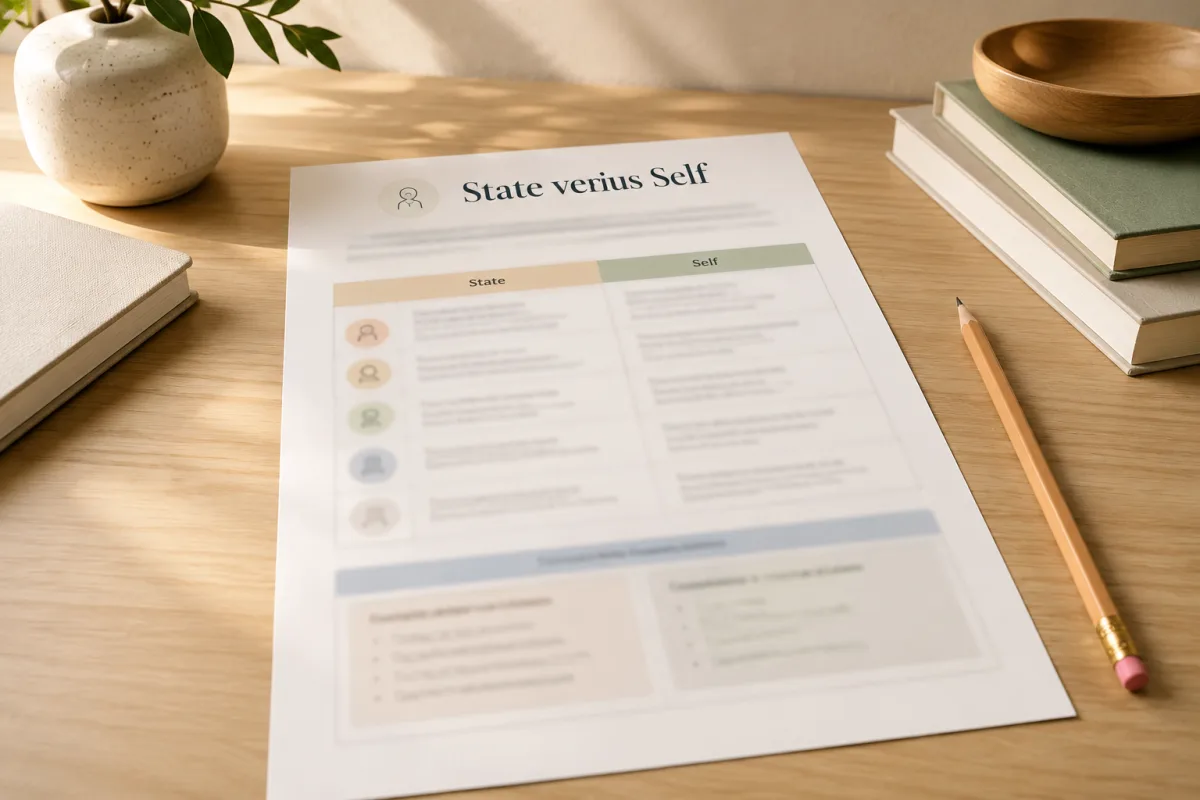
Practice separating state from self: I feel tired, not I am useless. I feel rejected, not I am unlovable.
This small language shift keeps a bad state from becoming a permanent verdict.
Build Competence
Self-esteem grows more steadily when people do things that prove capability: make the call, practice the skill, repair the mistake, ask the question.
Competence does not require feeling great first. It often grows while confidence is still catching up.
Support Older Adults
Aging can change independence, body function, social roles, and mood. Self-worth should not disappear with those changes.
Livecub's motivating elderly loved ones guide can help families support autonomy and dignity.
When To Get Help
Get professional support if low self-esteem comes with depression, anxiety, self-harm thoughts, eating disorder behaviors, substance use, trauma, or daily shutdown.
Self-esteem work is not meant to replace therapy when symptoms are serious.
A Better Measure
Instead of asking whether you feel good enough, ask whether you acted in line with care, honesty, courage, patience, or repair today.
Values are more stable than mood. They can guide behavior even when well-being is low.
Boundary Confusion
People sometimes use well-being language to avoid boundaries: I should be calm, I should be above this, I should not need anything.
Healthy self-esteem allows a person to say no, ask for time, leave a harmful conversation, or request help without calling it failure.
Work And Productivity
Work culture can make self-esteem depend on output. A productive week feels like worth; a slow week feels like proof of inadequacy.
A steadier frame asks what was within your control, what resources were missing, and what needs to change before the next deadline.
Relationship Approval
If self-esteem depends on everyone being pleased, conflict becomes terrifying. A normal disagreement can feel like rejection.
Practice holding two truths: the relationship matters, and one person's disappointment does not define your entire worth.
Social Media Metrics
Likes, replies, views, and message speed can all start acting like a mood machine.
If numbers change your whole day, move the app, turn off alerts, or set check times. Self-worth should not refresh every few minutes.
Grief And Low Energy
Grief often lowers motivation, attention, and interest. Treating that as low self-esteem can add a second wound.
A grieving person may need food, sleep, company, therapy, ritual, or time. They do not need a demand to feel confident.
Therapy Can Help
Therapy can help when old beliefs keep turning ordinary setbacks into shame. It can also help with trauma, anxiety, depression, and relationship patterns.
Getting help is not proof that self-esteem is broken. It is a way to stop practicing the same painful loop alone.
Language Audit
Listen for global labels: useless, broken, weak, unlovable, failure, burden. These words turn moments into identities.
Rewrite one label into a narrower sentence. I missed the deadline is easier to repair than I ruin everything.
Care Plan
Make a low-day care plan before the low day arrives: who to text, what to eat, which task can wait, and what thought is not trustworthy.
A plan made while steady can protect you when well-being drops.
Celebrate Without Clinging
Good days matter too. Enjoy better sleep, a compliment, a finished task, or a calm morning without making it the new requirement.
A healthy win can be appreciated and released. You do not have to prove it every day.
Feedback Without Collapse
Feedback can hurt and still be useful. Separate tone, facts, and requested change before deciding what it means.
If the feedback is fair, use it. If it is cruel or vague, get distance before turning it into a self-judgment.
Daily Practice

Write one state, one need, and one action. Example: I feel embarrassed. I need perspective. I will ask one trusted person for feedback.
This keeps self-esteem connected to reality, not to a vague demand to feel fine all the time.
Frequently Asked Questions
Can well-being affect self-esteem?
Yes. Mood, health, stress, and relationships can affect self-esteem, but they should not be treated as proof of personal worth.
What is the downside of tying self-esteem to well-being?
Bad days, illness, rejection, or stress can start to feel like identity failures instead of temporary states or real problems needing care.
Is high self-esteem always good?
Not if it becomes inflated or blocks feedback. Healthy self-esteem allows accountability without shame.
How can I make self-esteem steadier?
Separate feelings from identity, build competence, practice self-compassion, and use values as a guide on low days.
When should I seek help?
Seek help if low self-esteem is tied to depression, anxiety, trauma, eating disorder behaviors, substance use, or self-harm thoughts.
The disadvantage of tying general well-being to self-esteem is fragility. A steadier self-worth can hold bad days without turning them into a verdict.

Cashie Evans
Covers parenting and practical household topics with clear steps, safety notes and links to current guidance.




Leave a reply
Replying to