The Psychological Benefits of Cold Plunging and Hydrotherapy
Ever feel like your brain is running a thousand miles a minute, but you're not actually getting anywhere? Like you're constantly chasing a moment of peace, a little mental clarity, amidst the endless to-do lists and digital noise? We've all been there, trust me.
Modern life, with all its amazing advancements, can sometimes leave us feeling utterly drained, stressed, and disconnected from our inner calm.
What if I told you there's a surprisingly simple, ancient practice that could help you hit the reset button, sharpen your focus, and build some serious mental resilience? A practice that involves nothing more complicated than water, used in a very specific way. We're talking about cold plunging and hydrotherapy, and no, it's not just for elite athletes or wellness gurus.
It's for anyone looking to feel a little more grounded, a little more energized, and a lot more in control of their mental landscape. I've been experimenting with this myself, and what I've discovered has been nothing short of transformative. Let's dive in.
Why This Matters
In our fast-paced world, mental wellness isn't just a buzzword; it's a non-negotiable part of a thriving life. We're constantly bombarded with information, expectations, and the subtle pressure to always be "on." This relentless pace takes a toll, often manifesting as chronic stress, anxiety, brain fog, and a general feeling of being overwhelmed.
Traditional self-care methods like meditation and yoga are fantastic, and I'm a huge advocate for them. But sometimes, you need something that gives you a more immediate, visceral nudge towards presence and strength. That's where cold exposure and hydrotherapy step onto the stage, offering a powerful physiological and psychological intervention.
They don't just temporarily mask symptoms; they activate your body's innate healing mechanisms, rewiring your response to stress and enhancing your cognitive functions. It's about training your mind and body to work together more harmoniously, creating a ripple effect that touches every part of your life. Trust me, once you experience that post-plunge clarity, you'll understand why this isn't just a trend.
The Neuroscience of the Chill: Brain Power on Ice
Okay, so you might be thinking, "Cold water? How can something so uncomfortable actually be *good* for my brain?" It sounds counterintuitive, right? But here's the thing: that initial shock isn't just a physical sensation; it's a powerful jolt to your entire nervous system, triggering a cascade of beneficial physiological responses that directly impact your mental state.
When you expose yourself to cold water, your body immediately goes into a controlled stress response. This isn't the chronic, draining stress of daily life; it's an acute, short-term stressor that actually makes you stronger. Your brain releases a surge of neurotransmitters that are absolutely vital for mood, focus, and energy.
We're talking about a significant spike in norepinephrine and dopamine.
Norepinephrine is a natural antidepressant and plays a huge role in vigilance, attention, and focus. Imagine feeling incredibly alert and present, without the jittery side effects of too much caffeine. Dopamine, on the other hand, is your brain's reward chemical, responsible for motivation and feelings of pleasure.
A cold plunge can boost dopamine levels significantly, sometimes by as much as 250% for hours afterward. That's a serious mood lift and a huge win for motivation.
Beyond these immediate chemical changes, cold exposure also stimulates your vagus nerve. This nerve is a critical component of your parasympathetic nervous system, which is responsible for "rest and digest" functions. By activating the vagus nerve, cold plunging helps to lower your heart rate, promote relaxation, and shift your body from a "fight or flight" state to a more calm and composed one.
It's like a natural reset button for your nervous system, teaching it to become more resilient to future stressors.
How to Start Your Cold Journey: Dip Your Toes, Not Just Your Thoughts
Jumping into an ice bath might sound intimidating, and honestly, for your very first time, it absolutely can be! But you don't need to go from zero to hero overnight. My own journey started with much gentler steps, and I encourage you to do the same. The goal here is consistency and adaptation, not shock and awe.
Cold Showers: Your First Step
Don't have a fancy cold plunge tub? No problem! Your shower is the perfect starting point. Towards the end of your usual warm shower, gradually turn the dial to cold. Start with just 30 seconds, focusing on your breath to manage the initial shock.
The sensation will be intense, but incredibly invigorating. Over time, you can extend this duration to 1-2 minutes, or even longer as you get more comfortable. It's amazing how quickly your body adapts.
Start Short, Stay Focused
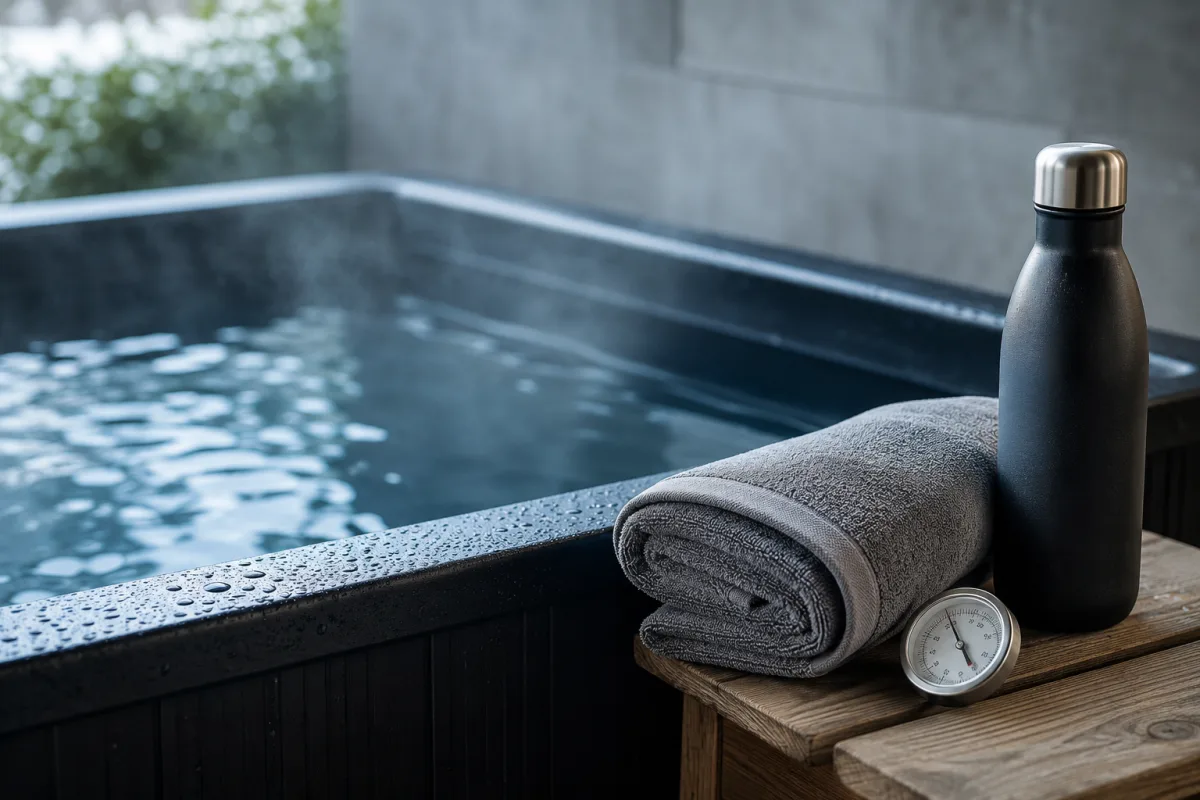
When you're ready for a plunge, whether it's an actual tub or a modified setup, aim for short durations initially. Even 1-2 minutes in truly cold water (around 50-60°F or 10-15°C) is incredibly beneficial.
Don't feel pressured to stay in longer than you're comfortable with. Consistency with shorter, manageable dips will yield better results than sporadic, excruciatingly long sessions.
Breathe Through the Intensity
One of the most powerful tools you have during cold exposure is your breath. When you first hit the cold water, your natural instinct might be to gasp or hold your breath. Resist this.
Instead, focus on slow, deep belly breaths. Inhale deeply through your nose, expanding your diaphragm, and exhale slowly through your mouth. This controlled breathing helps to activate your parasympathetic nervous system, calming your body's stress response and making the experience much more tolerable.
Beyond the Buzz: Lasting Mental Clarity and Resilience
While the immediate rush of neurotransmitters is fantastic, the true magic of cold plunging unfolds with consistent practice. It's not just about that post-dip high; it's about building a foundation of mental toughness and clarity that spills over into every aspect of your life. Think of it as training for your brain, making it more robust and less reactive to the everyday stresses that used to throw you off balance.
Regular cold exposure actively strengthens your stress response system. Each time you willingly step into the cold, you're essentially telling your body, "I can handle this." This repeated exposure, in a controlled environment, teaches your nervous system to regulate itself more efficiently. What happens then?
You find yourself less rattled by unexpected challenges, more capable of staying calm under pressure, and better equipped to navigate difficult situations with a clear head.
I've noticed a significant shift in my own ability to handle unexpected curveballs since I started my cold plunge routine. Things that used to trigger an immediate wave of anxiety now feel more manageable, almost like a problem to be solved rather than an insurmountable obstacle. That's the power of building resilience, and it's a psychological superpower that cold therapy actively cultivates.
You're teaching your brain that discomfort isn't always danger; sometimes, it's just a sensation that you can ride through, and emerge stronger on the other side.
Building Mental Resilience, One Dip at a Time
The act of willingly putting yourself in an uncomfortable situation, even for a few minutes, is a profound exercise in self-mastery. It's about consciously choosing discomfort for a greater good, and that choice reinforces your internal locus of control. You're proving to yourself that you are capable of more than you think, building an inner strength that is incredibly valuable.
Embracing Discomfort
The initial shock of cold water is your brain's alarm system going off. By staying calm and breathing through it, you're actively rewiring your brain's response to discomfort. You learn that discomfort isn't always a signal to escape; sometimes, it's just a sensation that passes.
This translates into everyday life, helping you face challenging conversations, tough workouts, or demanding projects with a newfound mental fortitude. It’s like a daily dose of courage, making you feel more capable.
Mindfulness in the Moment
When you're in truly cold water, it's virtually impossible to think about anything else. Your mind is forced into the present moment, fully occupied with the sensations and your breath. This involuntary mindfulness is incredibly powerful for quietening the mental chatter.
It acts as a natural meditation, providing a much-needed break from overthinking and anxious thoughts. That clarity and focus you gain in the plunge carries over, helping you maintain a more present and mindful state throughout your day.
Hydrotherapy's Broader Hug: Warmth, Flow, and Holistic Well-being
While cold plunging gets a lot of the spotlight (and for good reason!), it's important to remember that hydrotherapy is a much broader concept. It encompasses the therapeutic use of water in all its forms, temperatures, and states. And believe me, the psychological benefits aren't exclusive to the chill.
Warm water, when used intentionally, offers its own unique brand of mental balm, fostering relaxation, reducing stress, and even improving sleep quality – all crucial components of a healthy mind.
Think about the universal comfort of a warm bath after a long, stressful day. It's not just physical; it's a deep psychological sigh of relief. Warm water helps to dilate blood vessels, relax muscles, and soothe away tension.
This physiological response directly translates to a calmer mental state. It's a signal to your body that it's safe to unwind, to let go of the day's worries, and to just *be*.
Beyond simple relaxation, different hydrotherapy techniques, like contrast therapy (alternating hot and cold), offer unique cognitive benefits. This dynamic interplay of temperatures isn't just stimulating for your circulation; it also demands a heightened sense of awareness and adaptability from your nervous system.
This mindful shifting can sharpen your focus and improve your ability to cope with change, both physical and mental. It’s a full-spectrum approach to mental well-being, leveraging water's incredible versatility.
The Soothing Power of Warm Water
Don't underestimate the profound psychological impact of a carefully prepared warm water experience. It's more than just feeling cozy; it's about intentionally creating an environment for mental and emotional release. From simple soaking to adding essential oils or Epsom salts, warm hydrotherapy is a powerful tool in your mental wellness toolkit.
Warm Baths for Winding Down
A warm bath before bed can do wonders for your sleep quality and overall mental calm. The warm water helps to relax your muscles and lower your body temperature slightly upon exiting, signaling to your body that it's time to prepare for sleep.
This ritual creates a mental space for letting go of daily stresses, promoting a state of deep relaxation that eases you into restorative rest. I often add a few drops of lavender essential oil to enhance the calming effect, creating a truly serene experience.
Contrast Therapy for Mental Agility
Combining warm and cold exposure, often in the form of alternating showers or dedicated contrast tubs, is a powerful technique for both physical and mental invigoration. The rapid changes in temperature demand your full attention, effectively cutting through mental fog and making you acutely present.
This practice trains your body and mind to adapt quickly to different conditions, enhancing mental alertness and focus. It’s like a gentle yet powerful workout for your nervous system, boosting both your energy and your capacity for mental dexterity.
Common Mistakes to Avoid
As much as I rave about the benefits, it's crucial to approach cold plunging and hydrotherapy with respect and caution. It's not a competition, and pushing yourself too hard, too fast, can actually detract from the psychological benefits and even be unsafe. I’ve seen people make these missteps, and believe me, it often leads to abandoning the practice altogether.
One of the biggest mistakes is trying to go from zero to hero immediately. Don't feel like you need to jump into an ice-cold tub for five minutes on your first try. That's a recipe for an incredibly unpleasant experience, potential hypothermia (especially if unsupervised), and likely discouragement. Start with cold showers, progressively lowering the temperature and increasing duration.
Another common misstep is holding your breath. Our natural instinct in shock is to gasp or hold our breath, but this actually exacerbates the stress response. Instead, focus on deep, controlled exhalations. Forgetting your breath defeats one of the primary psychological benefits: learning to regulate your nervous system under stress.
Ignoring your body's signals is also a big no-no. If you feel dizzy, severely uncomfortable, or experience sharp pain, get out. This is about challenging yourself, not harming yourself.
Lastly, inconsistency can undermine your progress. You won't see lasting psychological shifts from a single dip; it's the regular practice that builds resilience. Make it a routine, even if it's just short cold showers a few times a week.
Expert Tips for Deeper Mental Gains
Once you've gotten comfortable with the basics of cold plunging and hydrotherapy, there are ways to deepen the psychological impact and unlock even more profound benefits. These aren't necessarily for beginners, but something to work towards as you become more accustomed to the cold. I've found these practices elevate the experience from "just a cold dip" to a truly meditative and powerful ritual.
Firstly, integrate intentional breathwork *before* and *during* your cold exposure. Techniques like the Wim Hof Method breathing can prepare your mind and body, making the transition into cold water smoother and enhancing the physiological response. This deep breathing helps oxygenate your blood and consciously calms your nervous system, turning the plunge into an active meditation rather than just a shock.
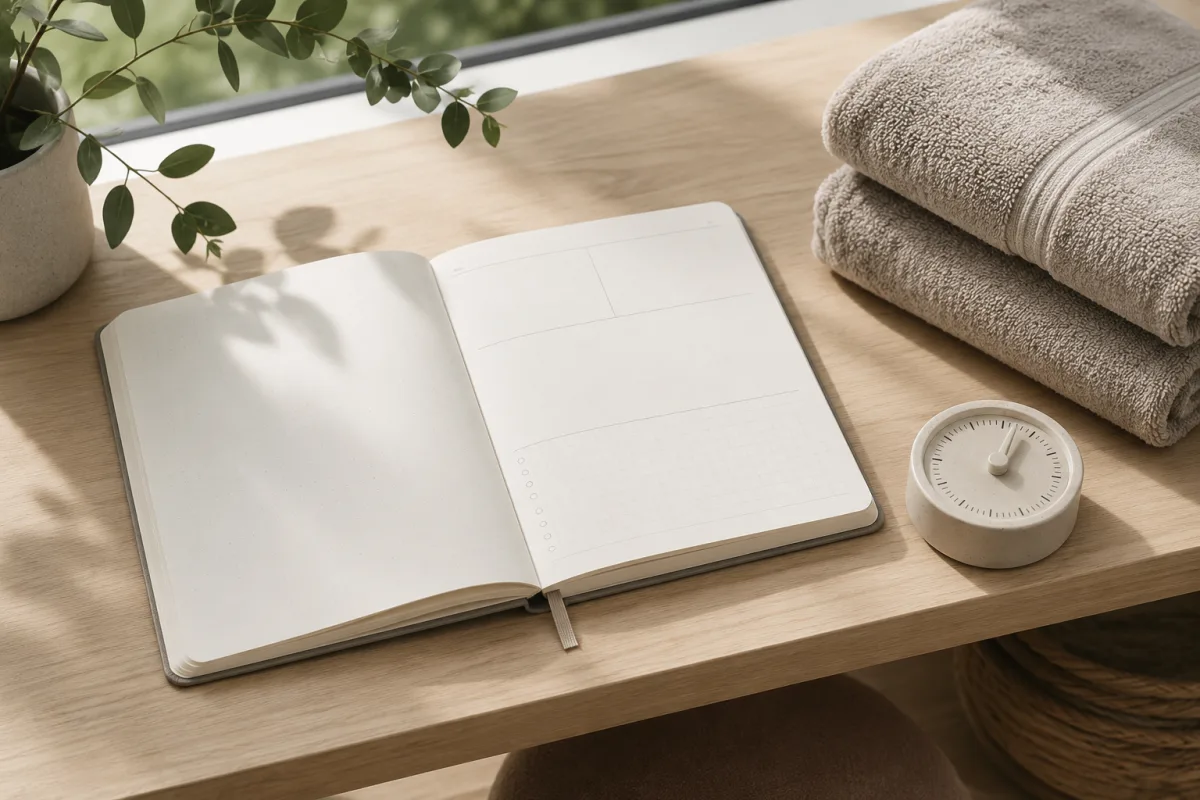
Secondly, make journaling a part of your post-plunge routine. Immediately after you get out, take a few minutes to jot down how you feel, what thoughts came up, and any insights you gained. This reflection solidifies the mental lessons learned, helping you connect the physical challenge to your emotional and psychological state. You'll start to notice patterns in your resilience and mood.
Finally, treat your hydrotherapy sessions as a sacred ritual, not just another item on your to-do list. Set the mood, clear your space, and approach it with intention. Combine it with visualization or affirmations.
By elevating the experience, you amplify its psychological power, turning a simple cold dip into a profound practice of self-care and mental fortification. It's about respecting the process and your commitment to your well-being.
Final Thoughts
So, there you have it. Cold plunging and hydrotherapy aren't just fads or extreme sports for the brave; they're accessible, powerful tools for cultivating mental resilience, clarity, and overall well-being. From boosting your mood and focus with a rush of neurotransmitters to training your nervous system to be calmer under pressure, the psychological benefits are genuinely transformative.
It's about embracing a little discomfort to gain a whole lot of inner strength. It's about learning to breathe through challenge, to be present in the moment, and to prove to yourself, time and again, that you are capable of adapting and thriving. And who doesn't want more of that in their life? I know I do, and I've seen it change so many lives around me.
Whether you start with a 30-second cold shower or eventually invest in a dedicated cold plunge, I encourage you to give it a try. Listen to your body, be consistent, and observe the shifts in your mental landscape. You might just discover a profound source of calm and power you never knew you had.
Your brain, your mood, and your overall sense of self will thank you for it. So, are you ready to dip your toes into a cooler, clearer mind?
Save for later
Found this helpful?
Pin this article to your Pinterest board and come back to it whenever you need a reminder.
Save to Pinterest