
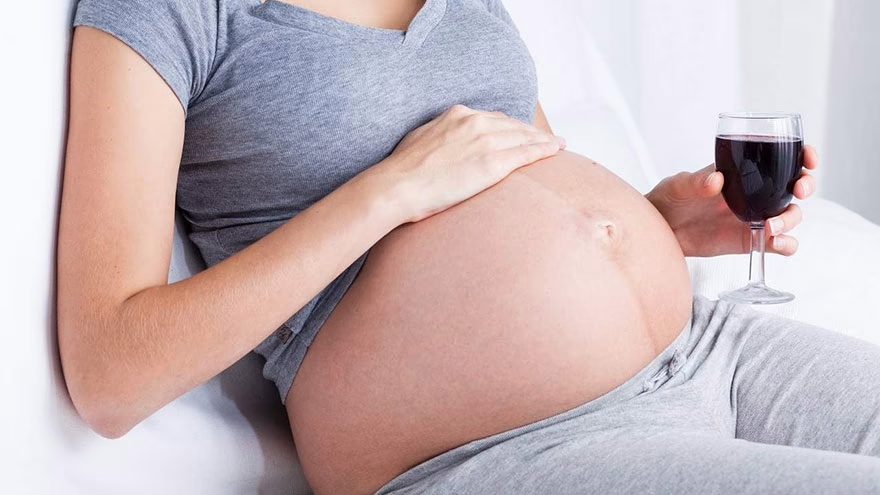
The Risks of Drinking Alcohol During Pregnancy are not limited to heavy drinking or late pregnancy. Major health organizations advise avoiding alcohol because no known safe amount, time, or type has been established.
This is not about shaming someone who drank before knowing. It is about making the next choice clear, getting support when stopping is hard, and talking to a clinician without hiding details.
No Known Safe Amount
NIAAA states there is no known safe amount of alcohol during pregnancy, including early pregnancy before someone may know they are pregnant. Its Alcohol and Your Pregnancy page is direct.
Beer, wine, liquor, cocktails, and many low-alcohol drinks all raise the same basic concern: alcohol can pass from the pregnant person's blood to the developing baby.
No Safe Time
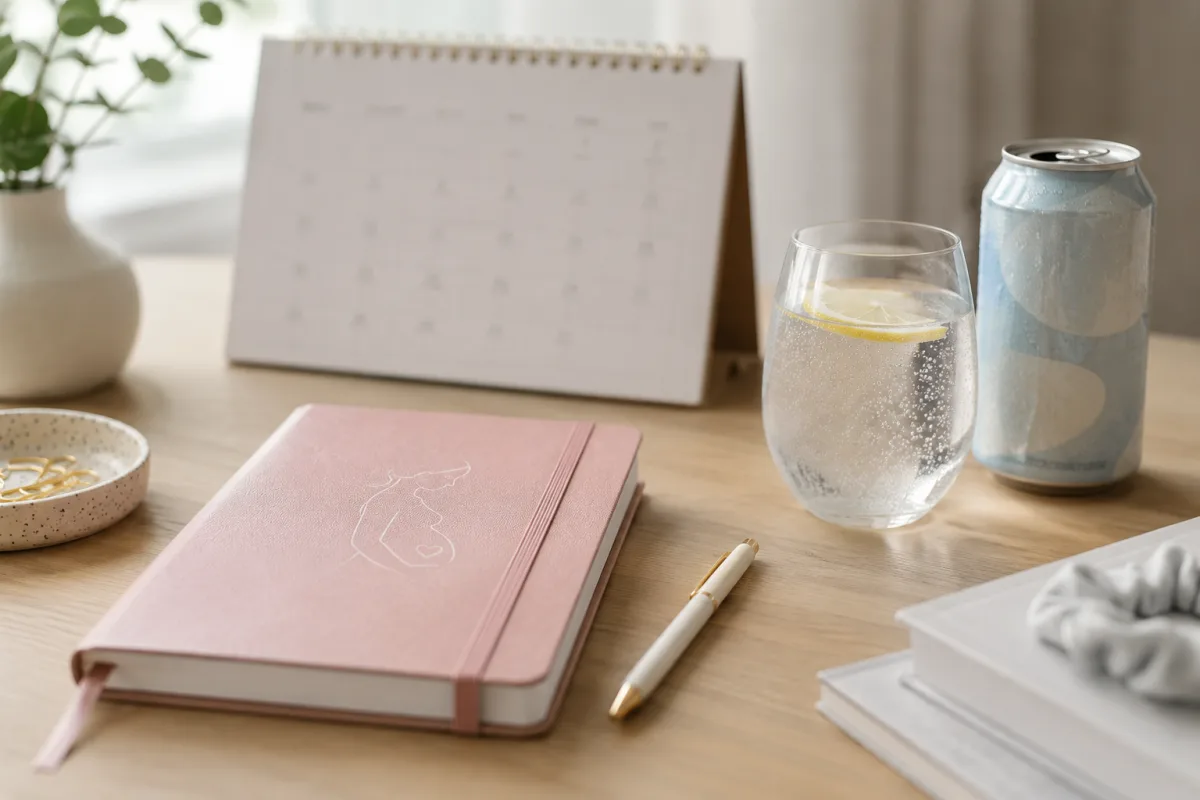
CDC says there is no known safe amount of alcohol during pregnancy and no safe time to drink. That includes the first weeks, when organs and the brain are developing.
The CDC FASD overview explains that fetal alcohol spectrum disorders can occur when a person is exposed to alcohol before birth.
What FASDs Mean
Fetal alcohol spectrum disorders, or FASDs, refer to conditions linked to alcohol exposure before birth. Effects can involve learning, behavior, attention, growth, physical features, and daily functioning.
The risk does not create the same outcome for every child, which is part of why clear prevention advice matters. No test can promise that a certain amount was harmless.
Binge Drinking Risk
Binge drinking is especially concerning because it creates a high alcohol level over a short time. But avoiding binge drinking does not make smaller amounts a safe pregnancy habit.
If you had a binge episode before knowing you were pregnant, stop now and tell your clinician. They can guide follow-up without guessing from internet stories.
I Drank Before I Knew
This situation is common and scary. The next step is not panic; it is stopping alcohol, starting prenatal care, and being honest about timing and amount.
Do not punish yourself by skipping appointments or hiding information. Clinicians need accurate details so they can answer your actual question, not a cleaned-up version.
Non-Alcoholic Drinks
Some non-alcoholic beer or wine products may contain trace alcohol unless labeled 0.0 percent. Labels can be confusing, and serving size matters.
If you want the ritual, choose drinks clearly labeled 0.0 percent alcohol, sparkling water, juice with seltzer, or mocktails made without bitters or alcohol-containing flavorings.
Social Pressure

People may say one glass is fine because someone they know drank and had a healthy baby. That story cannot prove safety for your pregnancy.
A simple line helps: My clinician said no alcohol, so I am not drinking. You do not owe a debate at dinner, a wedding, or a holiday party.
Partner Support
Partners and friends can make abstaining easier by not offering alcohol, keeping alternatives on hand, and not turning pregnancy into a public announcement before the person is ready.
If alcohol has been part of date nights or stress relief, Livecub's staying intimate during pregnancy guide can help couples build new routines without pressure.
If Stopping Is Hard

Needing help to stop is a health issue, not a moral failure. Tell your obstetric clinician, primary care clinician, therapist, or a trusted support person as soon as possible.
Alcohol withdrawal can be medically risky for heavy drinkers, so do not assume quitting alone is the safest plan. Ask for supervised help if dependence may be present.
Mental Health Links
Alcohol can be tied to anxiety, depression, trauma, sleep, social pressure, or isolation. Pregnancy can intensify all of those without warning.
If mood is part of the drinking pattern, Livecub's depression during pregnancy guide is a starting point, but professional care is the safer next step.
ACOG Position
ACOG's alcohol and pregnancy infographic says there is no safe amount or type of alcohol use during pregnancy. The message is meant to make counseling clear, not to shame patients.
Good care should ask about alcohol in a calm way, offer help, and reduce risk. Fear of judgment should never keep someone away from prenatal care.
Planning For Labor And Postpartum
If alcohol has been hard to avoid, make a postpartum plan before labor. Sleep loss, pain, stress, and visitors can bring old coping habits back quickly.
Ask who will support you, what drinks will be at home, how pain will be managed, and who to call if cravings spike. Livecub's early labor support guide can help the support person stay useful.
Why Simple Advice Helps
Pregnancy alcohol research cannot test every amount, timing, drink type, body size, and pattern in a way that gives a personal safe line. That is why guidance stays simple.
No alcohol is easier to follow than a confusing limit that people may interpret differently at parties, restaurants, or during stress.
Bring It Up Early
If alcohol was part of life before pregnancy, bring it up at the first prenatal visit. You can say how often, how much, and when the last drink happened.
A clear answer helps your clinician decide what support, screening, or follow-up makes sense. Shame gives less protection than honest information.
Craving Plan
A craving plan can be written before the hard moment. Include who to text, what to drink instead, which store aisle to avoid, and what to do during a stressful evening.
If cravings are frequent or intense, ask for medical and counseling support. White-knuckling every day is not the only option.
Social Scripts
Short scripts help: I am not drinking during pregnancy, I am on a health break, or I am sticking with sparkling water tonight. No extra explanation is required.
If someone pushes, repeat the same line and change the subject. Supportive people will not need a long argument.
Home Setup
Remove alcohol from the house if seeing it makes stopping harder. Stock cold alcohol-free drinks, snacks, tea, or flavored water so there is an easy substitute.
Partners can help by joining the break, not drinking at home, or handling social pressure. The pregnant person should not have to carry the whole environment alone.
Care After Birth
Postpartum alcohol questions are separate from pregnancy alcohol advice. Feeding, sleep deprivation, medication, mood, and infant safety all matter after birth.
Ask your clinician before delivery if you are worried about relapse, breastfeeding timing, or drinking while caring for a newborn. Planning early is easier than deciding while exhausted.
Do Not Bargain With Drink Type
Switching from liquor to wine, or from wine to beer, does not remove alcohol exposure. The pregnancy concern is the alcohol itself, not the image of the drink.
Serving size can also mislead people. A large pour may contain more alcohol than someone thinks.
Tell One Safe Person
If you are worried about drinking, tell one person who can respond without judgment. That may be a partner, sibling, friend, clinician, therapist, or sponsor.
A private ally can help you leave events, avoid alcohol at home, or make a call when cravings hit.
Plan For Celebrations
Weddings, holidays, birthdays, and work events can be hard because alcohol is visible and people ask questions. Decide your drink and exit plan before arriving.
Bring your own 0.0 percent option if needed. Leaving early is better than staying in a setting that wears down your decision.
Medical Honesty
Clinicians ask about alcohol because it changes care, not because they need a perfect patient. The most useful answer includes timing, amount, frequency, and whether stopping feels hard.
If you feel judged, ask for another support person or referral. The goal is care that helps you reduce risk now.
Frequently Asked Questions
Is any alcohol safe during pregnancy?
Major health organizations advise no alcohol during pregnancy because no known safe amount, time, or type has been established.
What if I drank before I knew I was pregnant?
Stop drinking now and tell your clinician what happened. Do not skip care or hide details out of fear.
Is wine safer than liquor during pregnancy?
No. All types of alcohol raise concern in pregnancy, including wine, beer, liquor, and cocktails.
Can non-alcoholic beer be used during pregnancy?
Check labels carefully. Some products may contain trace alcohol unless they are clearly labeled 0.0 percent.
What if I cannot stop drinking?
Contact your clinician right away. Help is available, and heavy drinkers may need medical guidance to stop safely.
The safest pregnancy alcohol advice is clear: do not drink, and ask for help early if stopping is difficult. Honest care protects more than silence ever can.

Linda Fehrman
Edits general wellness and relationship explainers. Health material is educational, avoids diagnosis and links to health-authority guidance.

Leave a reply
Replying to