
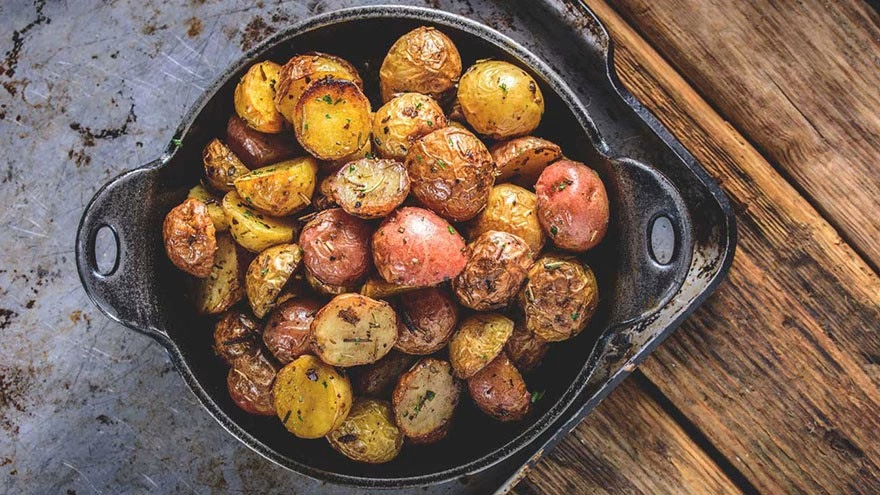
Tips to Lower Calories of Potato Dishes should start with a fair point: potatoes are not automatically unhealthy. A plain potato has fiber, potassium, vitamin C, and very little fat. The calorie jump usually comes from frying, butter, cream, cheese, bacon, large portions, and sauces.
This article is general nutrition education, not medical advice. If you have diabetes, kidney disease, eating disorder history, heart failure, pregnancy nutrition concerns, or a prescribed diet, ask a qualified clinician or dietitian before changing your eating plan.
Keep The Potato
Do not blame the potato for everything added to it. USDA SNAP-Ed lists a medium potato as a vegetable with fiber, potassium, vitamin C, and no fat. The preparation method usually decides whether the dish stays moderate or becomes calorie-heavy.
USDA's potato produce guide lists nutrition information for potatoes and shows why they can fit into meals when prepared simply.
Choose Baking Boiling Or Roasting
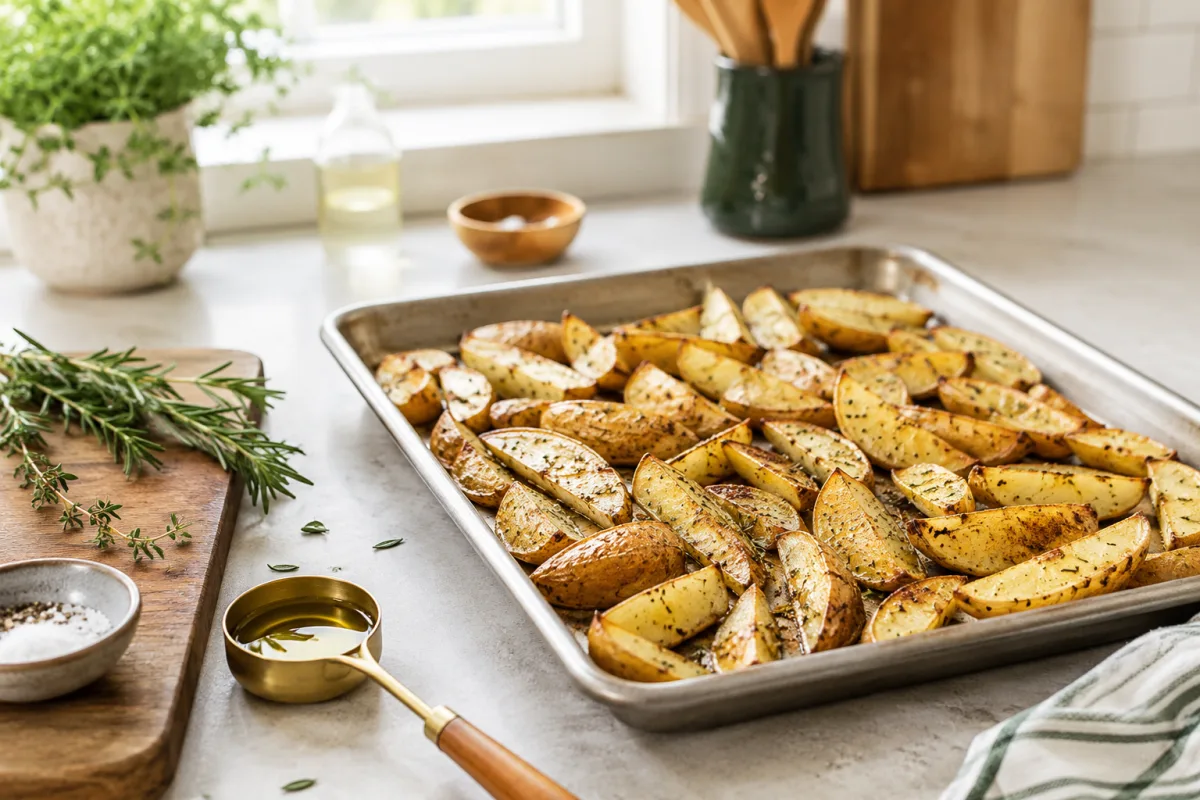
Frying adds oil fast. Baking, boiling, steaming, microwaving, or roasting with a measured amount of oil keeps more control in your hands. Roasting can still be high calorie if the pan is coated generously, so measure the oil instead of pouring by habit.
The American Heart Association notes in its potato advice that toppings such as butter, sour cream, and bacon add calories and saturated fat.
Measure Oil Once
Oil is easy to underestimate. One tablespoon has far more calories than most people picture. Toss potatoes in a bowl with a measured amount, then spread them on a hot pan. A spray can help with browning, but check labels and serving sizes.
Use flavor from garlic, pepper, paprika, rosemary, vinegar, lemon, chili flakes, mustard, or herbs so the dish does not depend only on fat.
Keep The Skin
Keeping the skin adds texture and fiber. It also makes the dish feel more substantial, which can help portions feel satisfying. Scrub potatoes well, trim damaged spots, and cook until tender.
If digestive issues make skins hard to tolerate, use partial skins or softer preparations instead of forcing a food that does not suit your body.
Lighten Mashed Potatoes
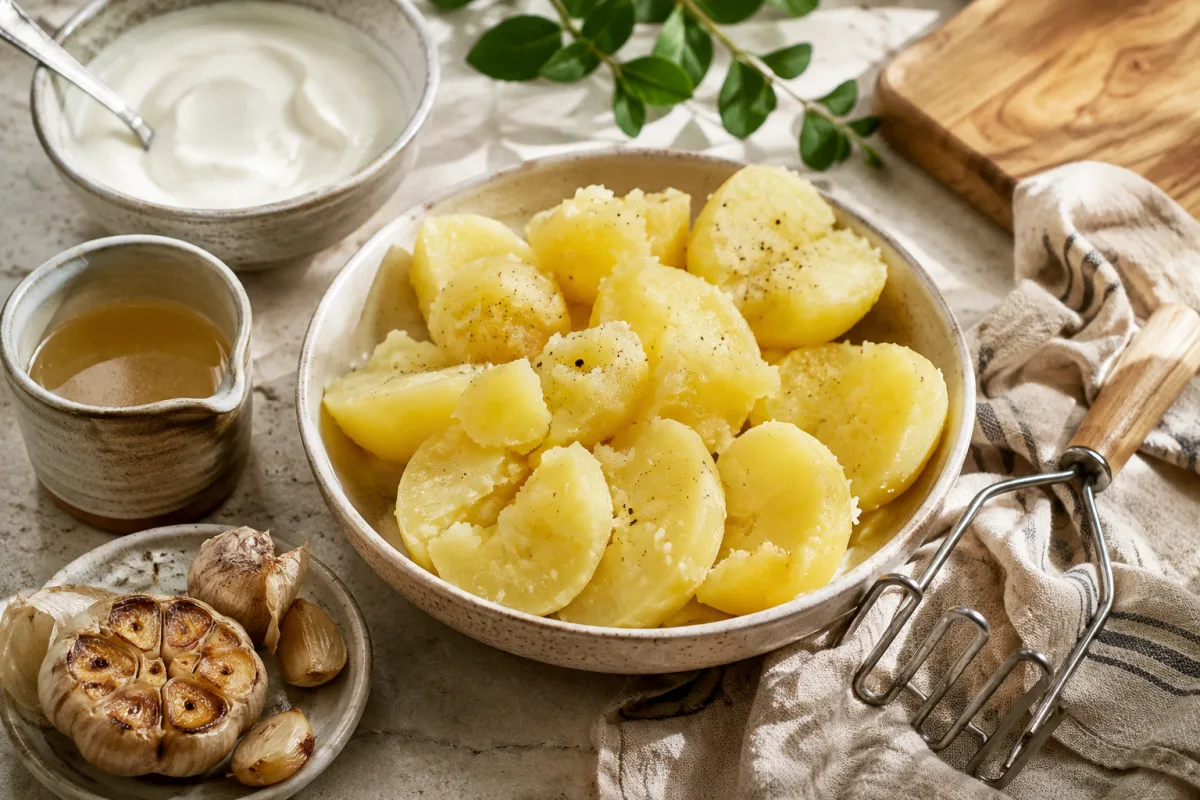
Mashed potatoes can be rich without a full stick of butter. Try warm broth, roasted garlic, Greek yogurt, buttermilk, a smaller amount of olive oil, or part cauliflower. Add liquid slowly so the texture stays creamy.
Livecub's pasta substitutes guide has the same idea: swap part of a starch with vegetables when it helps the meal, not because carbs are forbidden.
Use Stronger Toppings
Small amounts of bold toppings often work better than large amounts of bland ones. Try sharp cheese instead of mild cheese, plain yogurt with herbs instead of sour cream, salsa instead of creamy sauce, or a teaspoon of pesto instead of a heavy coating.
Put toppings on the side if people at the table have different goals. That keeps one person's lighter dish from becoming everyone else's complaint.
Build A Better Baked Potato
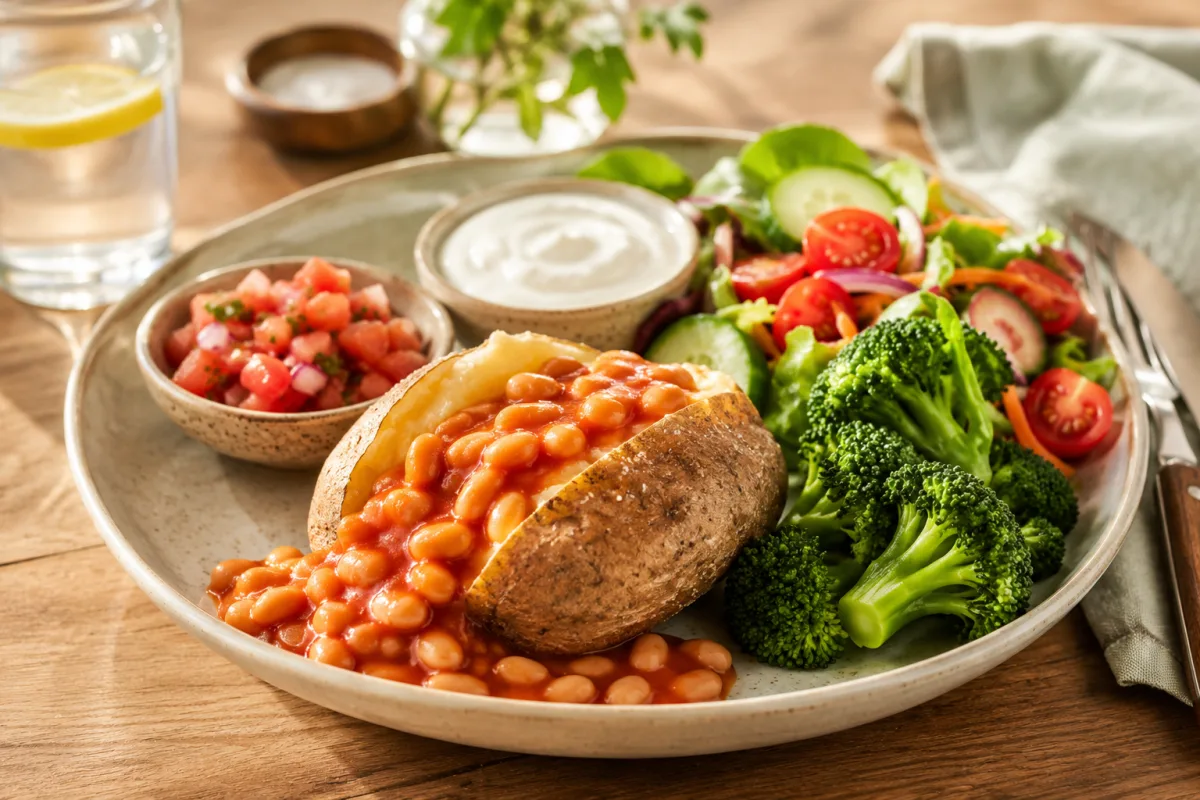
A baked potato can become a balanced meal. Add beans, chili with lean meat or lentils, steamed broccoli, salsa, cottage cheese, yogurt sauce, or leftover vegetables. Use the potato as the base, not as a butter sponge.
Harvard's potato nutrition discussion notes that preparation and eating pattern matter. Fries and chips are not the same as a simply prepared potato.
Cut Fries Thicker
Thin fries have more surface area for oil. Thick wedges or cubes can brown with less oil per bite. Use high heat, space the pieces, and turn once or twice. Crowded pans steam instead of crisping.
If fries are the craving, make the rest of the plate lighter: protein, salad, vegetables, and a smaller portion of fries.
Use Portion Anchors
Instead of weighing every meal forever, use anchors: one medium potato, a fist-size portion of roasted potatoes, or half the plate as non-starchy vegetables when that fits your needs. Calorie control is easier when the portion is visible before seconds.
Livecub's food journal guide can help track which potato dishes satisfy you and which leave you grazing later.
Cool And Reheat Sometimes
Cooling cooked potatoes can increase resistant starch. That may affect fullness and blood sugar response for some people. Potato salad does not become low calorie automatically, though; mayonnaise and creamy dressings can add a lot.
Try vinegar-based potato salad with herbs, mustard, celery, onion, and a measured amount of oil instead of heavy dressing.
Balance The Plate
Potatoes are easier to fit when the plate has protein, vegetables, and enough flavor. A giant bowl of potatoes alone may leave you wanting more. Potatoes with eggs, fish, beans, chicken, tofu, salad, or roasted vegetables can feel more complete.
For older relatives with low appetite, Livecub's guide to motivating the elderly may help balance nutrition goals with dignity and choice.
Watch Restaurant Potatoes
Restaurant potatoes often carry hidden oil, butter, cream, cheese, and oversized portions. Ask how they are prepared, split a side, choose baked over fried, or box half early. You do not need perfect control to make a lighter choice.
If a dish is special and rare, enjoy it. If it is a weekly habit, the preparation method matters more.
Use Potatoes As A Texture
Potatoes do not have to be the whole dish. Add roasted cubes to a vegetable hash, thin slices to a frittata, or a small amount of mashed potato to thicken soup. You get the comfort and texture without building the entire meal around starch.
This works especially well for leftovers. A few roasted potatoes can make a salad or bowl feel warmer and more filling.
Make Creamy Sauces Lighter
Creamy potato dishes often carry calories in the sauce. Try thickening with blended cooked cauliflower, a small amount of Greek yogurt, evaporated milk, or pureed beans. Add the lighter sauce gradually so the texture stays pleasant.
Season well. Pepper, garlic, mustard, onion powder, smoked paprika, chives, dill, and vinegar can make a lighter sauce taste finished.
Plan Leftovers
Leftover potatoes can become high-calorie snacks if they sit next to dips and cheese. Portion leftovers into containers before putting them away. Add protein or vegetables for tomorrow's meal instead of turning them into late-night grazing.
If tracking helps, note which dishes create leftovers you actually use. That is more useful than tracking calories without changing the next meal.
Do Not Make Them Miserable
A dry, underseasoned potato is not a win if it leaves you raiding the pantry later. Lower-calorie cooking still needs satisfaction. Use enough salt if allowed, acid, herbs, texture, and heat so the dish feels like food you want to eat.
Small, planned richness often works better than removing every enjoyable part and then overeating something else.
Lower Calorie Potato Soup
Potato soup can be lightened by blending part of the potatoes with broth, onions, garlic, and cauliflower instead of adding heavy cream. Top bowls with chives, pepper, a small amount of sharp cheese, or yogurt rather than a pile of bacon and cream.
Keep some potato chunks for texture. A soup that feels watery may lead to extra bread or snacks later.
Breakfast Potatoes
Breakfast potatoes often soak up oil on a flat top. At home, parboil cubes first, then crisp them in a hot pan with a measured amount of oil. Add peppers, onions, mushrooms, or spinach to increase volume.
Pair with eggs, beans, or yogurt instead of using potatoes as the whole breakfast.
Cheese Without Overdoing It
Cheese can fit, but it helps to use it where you taste it. Put a smaller amount on top instead of mixing a large amount throughout the dish. Stronger cheese gives more flavor per spoonful.
Measure once or twice at home so your eyes learn what a serving looks like.
Frequently Asked Questions
Are potatoes high in calories?
Plain potatoes are not very high in calories. Frying, butter, cream, cheese, bacon, and large portions usually raise the total.
What is the lowest-calorie way to cook potatoes?
Boiling, steaming, microwaving, or baking with little added fat usually keeps calories lower than frying.
Should I avoid potato skin?
No, unless you personally tolerate it poorly. The skin adds texture and fiber.
Can mashed potatoes be lighter?
Yes. Use broth, yogurt, buttermilk, roasted garlic, cauliflower, or a measured amount of fat instead of heavy cream and butter.
Are sweet potatoes lower calorie?
They are similar enough that preparation and portion matter more than color. Both can fit a balanced meal.
The Lighter Potato Plate
Lower-calorie potato dishes come from keeping the potato, measuring added fat, choosing simple cooking methods, using bold toppings, adding vegetables and protein, and making portions visible. The goal is not fear of potatoes. It is better control of the extras.

Cashie Evans
Covers parenting and practical household topics with clear steps, safety notes and links to current guidance.




Leave a reply
Replying to