
Summer Activities Should Feel Easy, Not Unplanned
Summer activities are easy to romanticize: swimming, camping, hiking, picnics, road trips, ball games, beach days, and long evenings outside. The best ones feel relaxed because someone did the basic planning before the heat, crowds, insects, and tired kids arrived.
A good summer plan protects water safety, shade, food, weather, and transportation. That does not make the day stiff. It keeps the day from falling apart over preventable problems.
Summer is more fun when comfort is planned quietly. Sunscreen, water, shoes, and backup timing do more than another activity on the list.
Why Is Swimming the First Summer Classic?
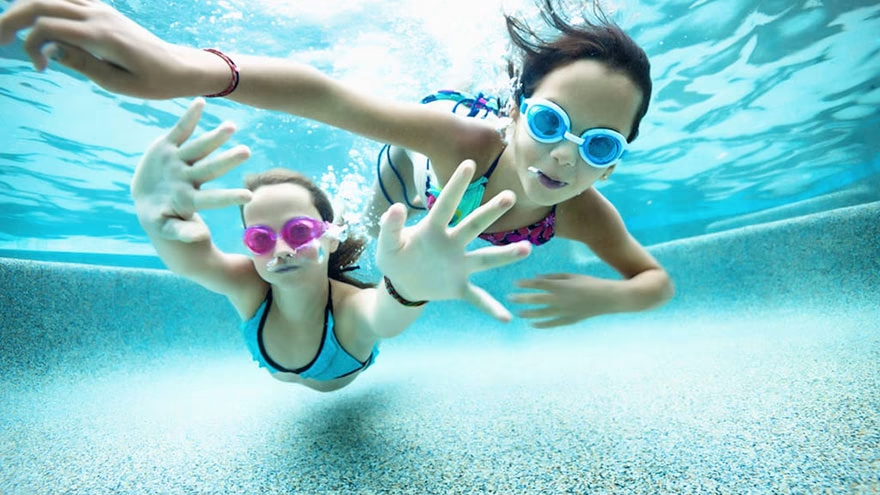
Swimming, sprinklers, lakes, pools, splash pads, and beaches are summer staples because water changes the whole day. It cools people down, gives kids a clear activity, and turns a hot afternoon into something manageable.
Water also requires attention. CDC's drowning prevention guidance emphasizes supervision, barriers, life jackets, swimming skills, and avoiding alcohol around water. Those basics matter even in familiar places.
Assign a water watcher when children are near water. Do not rely on a crowd, a phone nearby, or the idea that someone else is probably looking.
Water safety is active. It is not a warning label you read once at the start of summer.
How Do You Make Camping Easier?
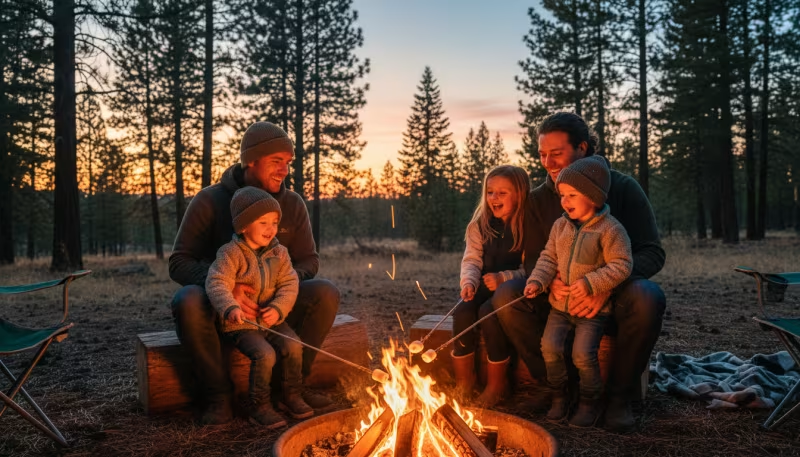
Camping works best when the first trip is simple. Choose a campground with water, toilets, and predictable access before trying a remote site. Practice setting up the tent at home if it has been in the garage for a year.
Pack by zones: sleep, food, fire or stove, light, clothing, first aid, trash, and weather. A checklist prevents the classic campsite discovery that someone brought three lanterns and no matches.
BLM's camping information is useful for understanding public-land camping expectations, stay limits, and local rule differences. Even a casual summer campout needs legal access and waste planning.
For trips built around scenic water or hiking, a guide to waterfalls on Skyline Drive shows why trail conditions, footwear, and weather should shape the plan.
What Makes Hiking a Good Summer Activity?
Hiking gives summer a different pace. It can be a neighborhood trail, a state park loop, a mountain walk, or a short nature path after dinner. The point is not always distance; it is attention.
Start earlier than you think in hot weather. Midday sun can make an easy trail feel punishing. Bring water, snacks, insect protection, a charged phone, and a turnaround time.
The National Weather Service's heat safety guidance explains heat risk, warning signs, and the need for shade, hydration, and cooling. Summer hiking should change when heat advisories appear.
If balance or knees matter, use gear well. Livecub's guide to adjusting walking sticks can make a short trail more comfortable and reduce wasted strain.
How Do Picnics and Local Food Improve Summer?
Picnics turn ordinary parks, lakes, and roadside stops into real outings. A good picnic does not need complicated food. It needs shade, water, a trash plan, napkins, a blanket, and food that stays safe.
Use a cooler for perishable items and keep it out of direct sun. Bring more water than soda. Pack fruit, sandwiches, salads, or snacks that people will actually eat after swimming or walking.
Local food can shape a summer route. A beach town, farmers market, roadside stand, or regional bakery gives the day a sense of place without needing an expensive attraction.
The easiest summer meal is the one that survives the weather. Do not pack food that depends on perfect refrigeration unless you can keep it cold.
Why Are Road Trips and Day Trips Useful?
Not every summer activity needs a full vacation. A day trip can give the season a reset without airfare, pet boarding, or a week off work. The trick is choosing a distance that still leaves energy for the activity.
Pick one main stop and one flexible side stop. A lake town, museum, farm market, ballpark, state park, or small downtown can carry a day if the drive is not too long.
For Great Lakes travelers, a route inspired by places to see in Petoskey can turn a summer weekend into beaches, food, and town walking without overplanning.
Build a return plan. The drive home matters, especially with tired children, wet clothes, and sun exposure. Leave before everyone is completely done.
How Do You Handle Heat, Bugs, and Weather?
Summer problems are predictable. Heat, mosquitoes, sunburn, thunderstorms, crowded parking, and tired people show up every year. Plan for them instead of acting surprised.
Check the forecast and air quality before leaving. Move strenuous activity earlier. Bring shade where allowed, use insect repellent as directed, and have an indoor option if storms build.
Teach children the plan in simple terms: where to meet, who is watching the water, when to drink, what to do if separated, and which adult to ask for help.
A flexible plan is safer than a packed plan. Summer gives you long days, but it does not require filling every hour.
What Are Low-Cost Summer Activities That Still Feel Special?
Low-cost summer days work when they have a clear shape. A picnic at a shaded park, a library event, a short trail, a backyard sprinkler, a free concert, a farmers market, or a sunset walk can feel like a real outing.
The trick is to add one thoughtful detail: cold fruit, a blanket, a new trail, a borrowed yard game, or a stop for ice cream. Small details help the day feel chosen, not leftover.
Rotate who picks the activity if you are planning for a family or group. One person may want water, another may want food, and another may want quiet. A rotation prevents the loudest preference from owning the whole summer.
For travel-minded weekends, a small town route like Petoskey can turn an ordinary summer day into water, walking, and local food without making the plan complicated.
Free does not mean careless. Shade, water, restrooms, parking, and a way home still matter.
How Do You Plan a Summer Week Without Overloading It?
Give each week a mix of effort levels. One water day, one simple evening walk, one home activity, and one flexible outing can feel better than trying to create a major event every day.
Keep a small ready bag near the door with sunscreen, towels, insect repellent, water bottles, a first-aid item, and a trash bag. A ready bag lowers the friction of leaving when the weather is good.
Respect recovery after big days. Children, older adults, and working parents may need a quiet morning after a late picnic, long hike, or hot beach afternoon.
If a plan keeps getting delayed, shrink it. A 30-minute creek walk or backyard dinner can still count. Summer is a season, not a performance review.
Use the forecast as a guide, not a dare. Move water play earlier on hot days, choose shade when humidity rises, and keep indoor backups for storms.
Make the backup feel like part of summer, not a consolation prize. A library event, kitchen ice-pop project, porch dinner, or late movie can save a day when heat or lightning closes the original plan without warning in the afternoon.
Keep towels and dry clothes ready too, because wet gear can make even a short ride home feel longer.
Frequently Asked Questions
What are easy summer activities for families?
Swimming, picnics, campground weekends, short hikes, farmers markets, day trips, splash pads, and outdoor movies are easy when shade, water, and timing are planned.
How do you make swimming safer?
Use active adult supervision, life jackets where appropriate, barriers around pools, swimming lessons, and clear rules about alcohol and rough play near water.
What should I pack for a summer day trip?
Water, snacks, sun protection, insect repellent, first aid, phone charger, towels, extra clothes, trash bag, and any tickets or parking details.
When is the best time to hike in summer?
Morning or early evening is usually better than midday heat. Check heat advisories and choose shaded routes when temperatures rise.
How do you avoid overplanning summer?
Pick one main activity, one backup, and one meal plan. Leave open time so weather, traffic, and tired people do not ruin the day.
Summer Works Best With Fewer Moving Parts
The best summer activities are often simple: water watched carefully, food packed well, a trail chosen honestly, and a return time that keeps everyone from ending the day worn out.

Timothy Davidson
Edits step-by-step general-interest guides for clarity, realistic limits and source verification.


Leave a reply
Replying to