
Marrakech Culture Is Better When You Slow Down
Top 5 Take a Shot of Marrakech Culture sounds like a photo checklist, but Marrakech rewards travelers who move with patience. The city is rich in sound, pattern, food, craft, faith, trade, architecture, and daily routine.
A good visit is not only about collecting five famous stops. It is about understanding how the medina, public squares, gardens, palaces, and souks fit into a living city.
Take the photo, but pay attention before and after the shutter.
Start With the Medina
UNESCO's Medina of Marrakesh listing describes the old city as an outstanding example of a historic Islamic capital in the western Muslim world.
The medina is not a theme park. People live, work, pray, carry deliveries, ride motorbikes, run shops, and guide families through narrow lanes. Walk slowly, keep to the side, and treat the area as a neighborhood as well as a travel sight.
For other place-based travel where access and context matter, Livecub's Spiral Jetty guide is a useful reminder that famous sites still need practical planning.
Give Jemaa el-Fna Time at Different Hours
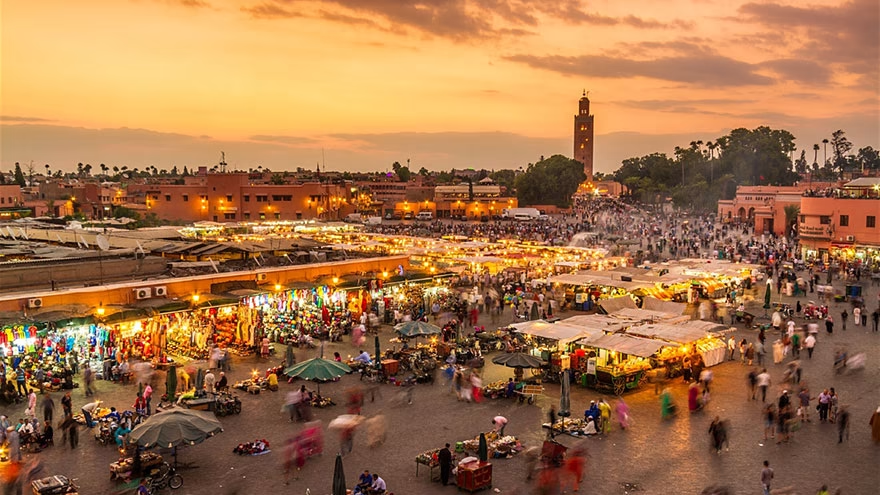
UNESCO's Jemaa el-Fna cultural space page identifies the square as one of Marrakesh's main cultural spaces and a symbol of the city.
Visit by day and again near evening if your schedule allows. The square changes with food stalls, storytellers, musicians, sellers, families, and visitors moving through it.
The square is not one scene; it changes by the hour.
Shop the Souks Without Turning It Into Combat
The souks can be exciting, but haggling should not become a contest to humiliate someone. Ask prices politely, compare a little, and decide what the item is worth to you.
Leather goods, lamps, ceramics, textiles, slippers, spices, and metalwork all vary in quality. If you want to buy well, slow down and learn the difference between a quick souvenir and a piece made with care.
Buying less and choosing better often feels more satisfying.
Visit the Saadian Tombs With Context
The Saadian Tombs are a quieter counterpoint to the markets. Their carved decoration, tilework, and enclosed garden setting can help visitors understand how power, memory, and craft are tied together in Marrakech.
Go early or late if you dislike tight crowds. Give yourself time to look at details rather than moving only because the line behind you is moving.
Add Bahia or El Badi Palace
Bahia Palace and El Badi Palace offer different views of royal and political history. Bahia is known for decorated rooms, courtyards, and painted wood. El Badi is more ruined, but that openness gives a different sense of scale.
Choose one if time is short. Trying to force every major monument into one day can make the city blur.
Use Museums for a Quieter Look
Museums can give a slower way to understand design, craft, and architecture. The Museum of Marrakech and photography-focused collections can be useful when the streets feel overstimulating.
Check current opening days and ticket rules before going. Museum schedules can change, and some smaller spaces may close for events or restoration.
Book Jardin Majorelle Ahead
The official Jardin Majorelle page advises visitors to reserve online tickets in advance to secure a desired date and time.
The garden's blue walls, plantings, museum spaces, and connection to Yves Saint Laurent make it one of the most photographed places in Marrakech. That popularity also means planning helps.
For outdoor travel rhythm, Livecub's Skyline Drive waterfalls guide shows why timing and conditions can change how a place feels.
Think About Photography Etiquette
Marrakech is photogenic, but not everything is yours to photograph. Ask before taking close pictures of people, craftspeople, performers, children, private courtyards, or religious spaces.
Some people may expect payment for posed photos. Decide before shooting and do not pretend you did not understand if someone objects.
Dress and Behavior Matter
Marrakech welcomes tourists, but Morocco is not a beach resort inside the medina. Modest clothing, calm public behavior, and respect around mosques and prayer times make travel smoother.
Pack comfortable shoes, sun protection, and a light layer. Medina walks can be long, uneven, and slow. Livecub's walking sticks guide is not Marrakech-specific, but it underlines how small gear choices affect walking days.
Use a Guide When It Adds Value
A good licensed guide can help with history, navigation, craft context, and cultural etiquette. A poor guide can turn the day into commission stops.
Ask what the route includes, how long it lasts, and whether shopping stops are optional. Clear expectations make the day better.
Visit a Hammam With Realistic Expectations
A hammam can be part of the cultural experience, but choose carefully. Some places are built for tourists, while neighborhood hammams follow local routines and expectations.
If you go, read rules before booking, ask what is included, and respect modesty, quiet, and tipping customs. Do not treat it as a spa fantasy if the setting is traditional.
Use Food to Understand the City
Tagine, couscous, harira, msemen, olives, dates, pastries, grilled meats, and mint tea can tell you as much about Marrakech as a monument does.
Choose busy places with good turnover, wash hands, and be careful with raw foods if your stomach is sensitive. A food tour can help if you want context and safe pacing.
Learn a Few Courtesy Phrases
A few words of Arabic or French can soften simple exchanges. Greetings, thanks, and polite refusal are useful in markets, taxis, and cafes.
You do not need perfect pronunciation to show respect. A little effort often changes the tone of a conversation.
Leave Time for Mint Tea and Rooftop Views
Some of the best Marrakech moments are pauses: mint tea on a terrace, the call to prayer across rooftops, a quiet courtyard after a noisy lane, or a slow meal after walking.
Do not pack the day so tightly that every stop becomes a task. Culture is often easier to notice when you are not rushing to the next doorway.
Plan Transport Before You Are Tired
Medina navigation can be confusing after dark or after a long day. Know the nearest gate, taxi stand, or pickup point before you wander too far.
If staying in a riad, ask for clear arrival instructions and a phone contact. A small plan prevents frustration when lanes start to look the same.
Balance Luxury With Street-Level Time
Marrakech can be experienced through elegant riads, hammams, and rooftop restaurants, but the city also lives in bakeries, markets, side streets, taxis, and tea stalls.
If every hour is curated, the trip may feel beautiful but thin. Leave room for ordinary scenes and unscheduled walks in areas that feel safe.
Polished travel should not erase the city underneath it.
Watch for Overfriendly Sales Pressure
Most interactions are ordinary, but visitors may meet people who insist a place is closed, push a shop, or guide them without being asked.
Stay polite and firm. If you want help, agree on the price first. If you do not, keep walking without getting pulled into a debate.
Choose Timing by Heat and Crowds
Morning can be better for monuments, walking, and photography. Late afternoon can be better for terraces, slower souk browsing, and watching Jemaa el-Fna change toward evening.
Midday heat can make even a short walk feel tiring. Build a rest break into the plan instead of pretending the city is only a list of stops.
Keep a Small Cash Plan
Small purchases, tips, taxis, snacks, and paid toilets may need cash. Keep small bills separate from your larger wallet so you do not display more money than needed.
This also makes haggling and tipping less awkward.
Small bills make small moments easier.
Respect Religious Spaces
Some mosques are not open to non-Muslim visitors, and prayer times deserve respect. Admire exteriors where appropriate and follow signs.
Do not block entrances for photos or stand close to worshippers because the light looks good.
Frequently Asked Questions
What are the best cultural places to visit in Marrakech?
The medina, Jemaa el-Fna, Saadian Tombs, Bahia Palace, El Badi Palace, museums, souks, and Jardin Majorelle are strong starting points.
Should I hire a guide in Marrakech?
A good guide can help with history, navigation, and etiquette. Confirm route, price, timing, and shopping expectations before starting.
Is it okay to photograph people in Marrakech?
Ask first, especially for close portraits, performers, craftspeople, children, or private spaces. Respect refusal.
How many days do I need for Marrakech culture?
Two to three days gives more room than one rushed day, especially if you want the medina, monuments, gardens, museums, and slow meals.

Tory Stearns
Edits practical household, travel and lifestyle explainers. Claims that can change are linked to current primary or subject-authority sources.



Leave a reply
Replying to