
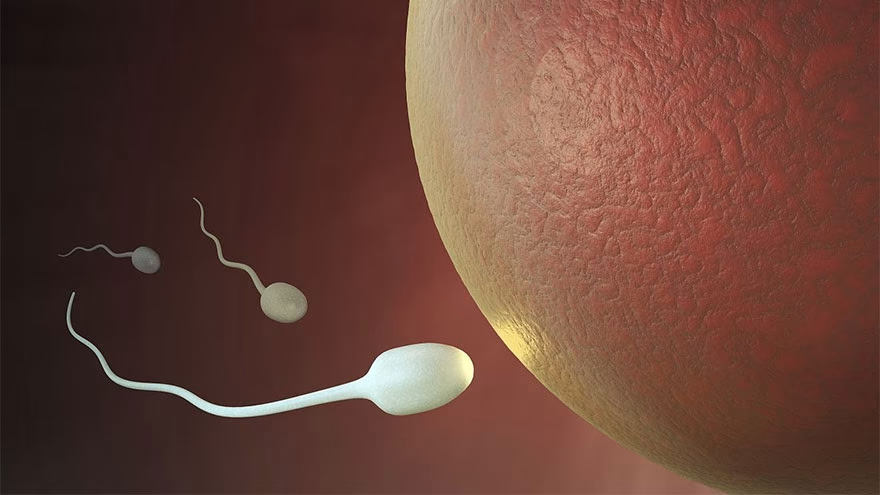
What Are the Causes of Abnormal Sperm Morphology? is a fertility question, but it is not a verdict on whether pregnancy can happen. Morphology describes the size and shape of sperm seen under a microscope. A semen analysis may report a lower percentage of normally shaped sperm, yet fertility still depends on count, movement, timing, eggs, tubes, ovulation, and the health of both partners.
This article is general reproductive health education, not a diagnosis or treatment plan. If you are trying to conceive, bring the full semen analysis to a reproductive urologist, fertility specialist, or clinician. One abnormal result should usually be repeated because illness, lab variation, abstinence time, and recent exposures can change the sample.
How Morphology Is Measured
Morphology is judged by looking at sperm head, midpiece, and tail shape. Strict criteria can make the normal percentage look surprisingly low even in fertile men. That is why clinicians do not read morphology alone. A low morphology result beside strong count and motility may mean something different from low morphology with low count and poor movement.
The American Society for Reproductive Medicine explains male factor fertility through semen parameters and reproductive history in its male factor infertility material. The number matters, but the pattern matters more.
Varicocele

A varicocele is an enlarged vein pattern around the testicle. It can raise scrotal temperature and is one common, treatable finding in male infertility workups. Not every varicocele needs treatment, and not every abnormal morphology result comes from a varicocele, but a physical exam can make this clearer.
If a couple is planning pregnancy and timing intercourse, Livecub's conception timing article can help with cycle language, though sex selection claims should be treated carefully.
Heat Exposure

Sperm production is sensitive to heat. Frequent hot tubs, saunas, high-fever illness, tight heat-trapping work conditions, laptop heat, and some occupational exposures may affect semen quality for a period of time. Because sperm development takes weeks, today's result can reflect what was happening months ago.
A clinician may ask about fevers, heat exposure, and work settings before ordering more tests. That history can prevent people from jumping straight to expensive explanations.
Smoking And Vaping
Tobacco smoke and some substance exposures are linked with poorer semen quality. Vaping research is still developing, but nicotine, oxidative stress, and mixed chemical exposure are enough reason to discuss quitting before fertility treatment. The goal is not blame. It is to remove a modifiable pressure where possible.
Mayo Clinic's overview of male infertility causes lists medical, environmental, and lifestyle factors that can affect sperm production and function.
Alcohol, Anabolic Steroids, And Drugs
Heavy alcohol use, anabolic steroids, testosterone therapy without fertility supervision, and some recreational drugs can affect sperm production. Testosterone is a special trap because it may improve symptoms while suppressing the signals needed to make sperm. Men trying to conceive should tell the clinician about every hormone, supplement, and injection.
Do not stop prescribed medicine without medical advice, but do not hide it during a fertility visit.
Infections And Inflammation
Past sexually transmitted infections, prostatitis, epididymitis, mumps orchitis, and other inflammatory problems may affect semen quality. Sometimes symptoms are obvious. Sometimes the only clue is history, pain, urinary changes, or an abnormal semen pattern.
If pregnancy stress is affecting the relationship, Livecub's staying intimate during pregnancy guide may still be useful once conception happens, because fertility pressure can follow couples into pregnancy.
Genetic And Hormonal Factors
Some morphology problems are tied to genetic patterns, hormone problems, undescended testicle history, or testicular injury. Blood tests, exam findings, and sometimes genetic testing may be discussed if semen results are severely abnormal or paired with other signs.
This is the part where internet lists become weak. A specialist can connect the semen report with testicle size, hormone levels, medical history, and the couple's fertility timeline.
Diet, Weight, Sleep, And Stress
No food plan can promise normal morphology, but general health affects fertility. Very poor sleep, untreated diabetes, severe undernutrition, high oxidative stress, and major weight changes can all matter. A practical plan focuses on repeatable habits rather than miracle supplements.
For gentle tracking, Livecub's bland diet pregnancy article is pregnancy-focused, but it shows the kind of plain food planning that is easier to keep during stressful seasons.
Medications And Medical Treatment
Chemotherapy, radiation, some antiandrogens, certain antibiotics, long-term opioids, and other medicines can affect sperm. Surgery near reproductive organs may matter too. If future fertility is a concern before cancer treatment or hormone treatment, ask about sperm banking before treatment starts.
A medication review is not a personal failure. It is part of finding the cause.
Repeat The Test

A single semen analysis can mislead. Many clinicians repeat it after a set interval with correct abstinence timing and a reliable lab. Bring both reports, not just a screenshot of the abnormal line. The trend can show whether the issue is persistent, improving, or likely tied to a temporary exposure.
If a pregnancy test creates confusion later, Livecub's evaporation lines article explains why careful timing and instructions matter in reproductive testing.
Treatment Depends On The Pattern
Treatment might mean observation, lifestyle changes, varicocele repair, infection treatment, hormone management, intrauterine insemination, IVF, or ICSI. The right path depends on the total semen profile and the female partner's age and fertility evaluation.
Try not to treat morphology as a moral score. It is one lab value in a couple's medical picture.
Male Partner Evaluation
A fertility workup should not fall only on the person who can carry the pregnancy. Semen analysis is often one of the faster and less invasive tests, but it still needs a full medical history. A clinician may ask about puberty, prior pregnancies, testicle injury, infections, surgery, fever, medicines, work exposures, and how long the couple has been trying.
That history can change the meaning of morphology. A mildly low result after a fever may be handled differently from a severely low result with low count, low motility, and a history of undescended testicle.
Timing And Abstinence
Semen analysis instructions usually include a recommended abstinence window. Too short or too long can affect volume, count, and movement. If the sample was collected late, spilled, exposed to heat, or delayed before reaching the lab, tell the clinician. A flawed collection can make a report look worse than the biology really is.
Repeat testing under better conditions is often more useful than arguing with one result.
Female Partner Factors Still Matter
Even a clear male factor result does not erase the other partner's evaluation. Ovulation, age, ovarian reserve, fallopian tubes, uterine cavity, endometriosis history, and miscarriage history can all affect the plan. A couple may need coordinated care rather than one person trying to fix a lab line alone.
This is especially true when the female partner is older than 35 or the couple has been trying for a year, or for six months after age 35.
Emotional Pressure
Semen results can feel personal. Many men hear low morphology as a judgment on masculinity, even though it is a medical measurement. Partners can help by keeping the language practical: this is a result to understand, repeat, and treat if needed. Shame rarely improves follow-through.
If the process affects mood, sleep, sex, or the relationship, bring that up with the fertility team. Fertility care is easier when people are not pretending the stress is small.
What Not To Blame
Abnormal morphology is rarely useful as a blame tool. It does not prove that one hot bath, one stressful month, one food, or one missed vitamin caused infertility. Semen quality reflects biology over time, and many couples never get a single clean explanation.
A better question is what can be checked, repeated, treated, or changed now without making either partner feel accused.
Frequently Asked Questions
Can abnormal sperm morphology improve?
Sometimes. If heat, illness, smoking, medications, varicocele, or other modifiable factors are involved, repeat testing may improve.
Can pregnancy happen with low morphology?
Yes, it can. Chances depend on count, motility, morphology, timing, and the other partner's fertility factors.
Should I take supplements?
Ask a clinician first. Supplements can be costly, interact with medicines, and may not match the cause.
How long before a repeat semen analysis?
Clinicians often repeat after weeks to months, depending on the result and history.
Who should I see?
A reproductive urologist or fertility specialist can interpret the full report and exam findings.
The Practical Takeaway
Abnormal sperm morphology can come from varicocele, heat, smoking, hormones, infections, medications, genetics, illness, or temporary exposures. The useful next step is a repeat semen analysis and a clinician who reads the whole fertility picture.

Cashie Evans
Covers parenting and practical household topics with clear steps, safety notes and links to current guidance.




Leave a reply
Replying to