
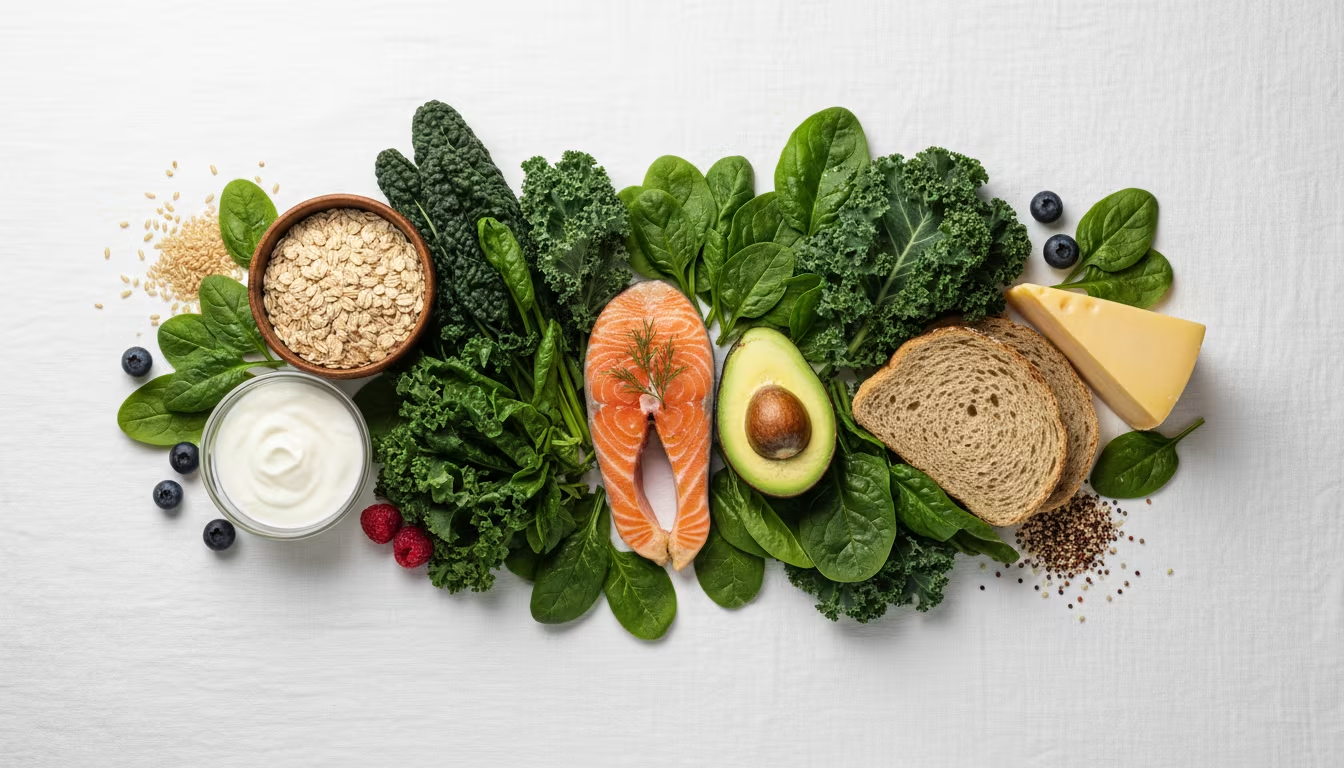
Eating well while pregnant should feel more like daily care than standing trial over every bite. The pressure to do it perfectly tends to backfire, especially once nausea, budget, culture, and appetite all get a vote.
The real target is steady: enough energy, enough key nutrients, safer food choices, reliable hydration, and a plan you can actually follow on a hard day. None of that requires boutique groceries or a spotless track record.
Build A Simple Plate
ACOG's healthy eating guidance for pregnancy emphasizes fruits, vegetables, whole grains, protein foods, dairy or fortified alternatives, and key nutrients such as folic acid, iron, calcium, vitamin D, choline, iodine, and omega-3 fatty acids (ACOG healthy eating during pregnancy).
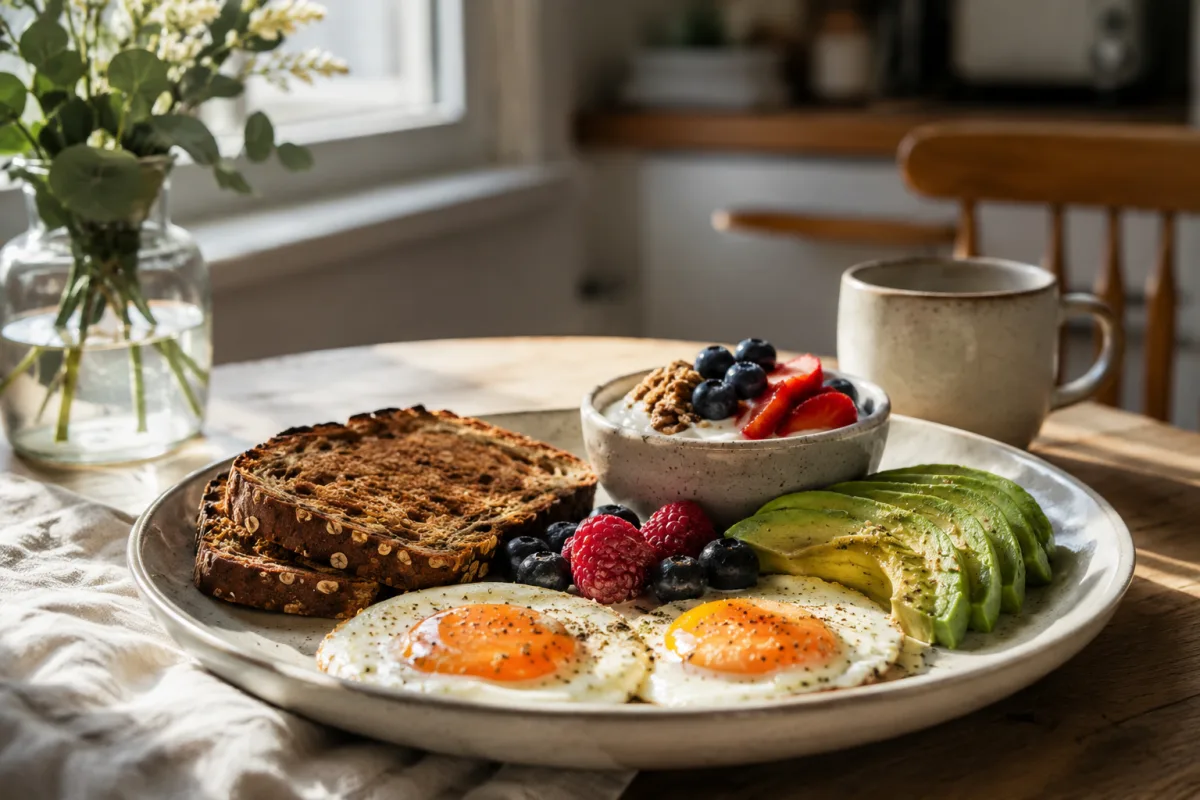
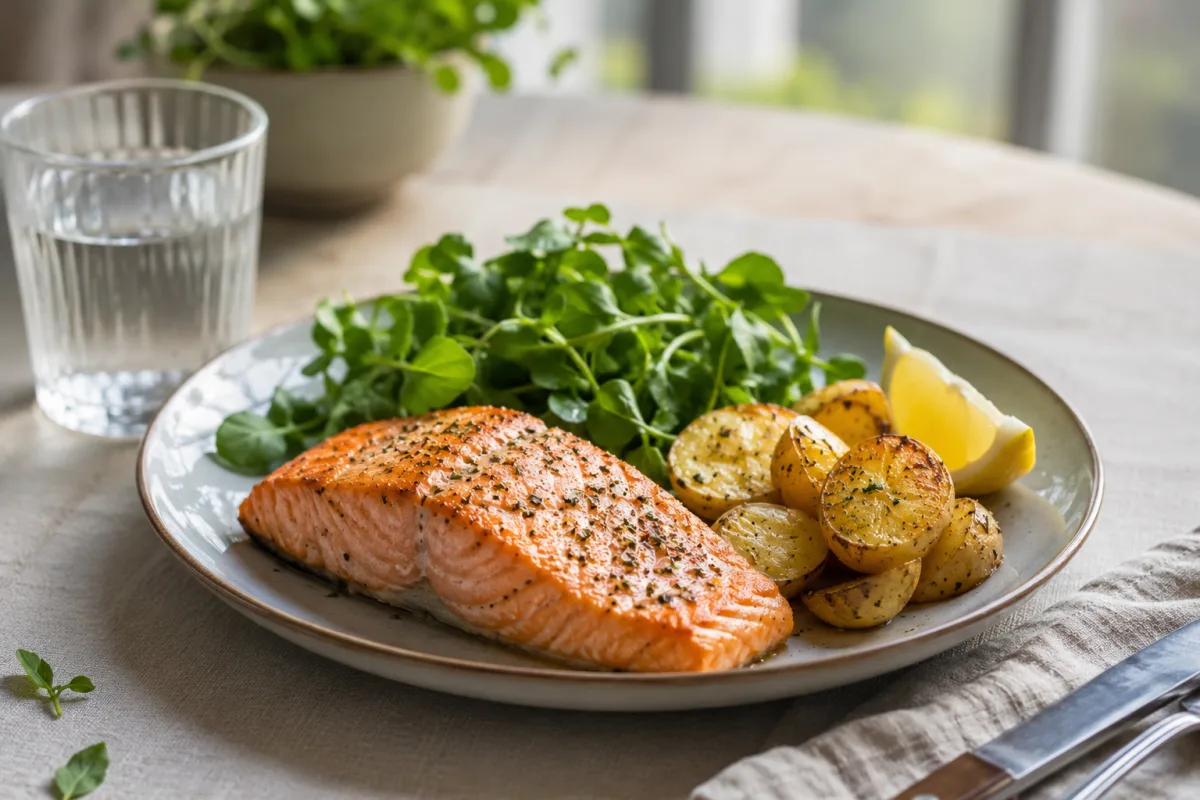
A workable plate is simple: a protein, a high-fiber carbohydrate, a fruit or vegetable, and a fat or dairy option if you tolerate it. That might be eggs, toast, berries, and yogurt; or beans, rice, salsa, avocado, and cheese; or salmon, potatoes, greens, and olive oil. When nausea is running the show, lower the bar without guilt, and let Livecub's guide to bland diets for pregnancy carry you through the weeks when ideal meals are not realistic.
Key Nutrients: Folic Acid, Iron, Iodine, Choline
The CDC recommends 400 micrograms of folic acid daily for people who can become pregnant to help prevent neural tube defects, and many prenatal vitamins carry higher pregnancy-level amounts, so ask your clinician what dose fits you. A few nutrients do heavy lifting during pregnancy, and most people cover them through a mix of food and a prenatal vitamin rather than food alone.
| Nutrient | Why it matters | Everyday food sources |
|---|---|---|
| Folic acid | Helps prevent neural tube defects | Fortified cereal and grains, leafy greens, beans, oranges |
| Iron | Supports the extra blood volume of pregnancy | Meat, poultry, seafood, beans, lentils, spinach, tofu |
| Iodine | Supports thyroid function and fetal development | Dairy, eggs, fish, iodized salt |
| Choline | Supports brain and spinal cord development | Eggs, meat, fish, beans, some vegetables |
Pairing plant iron with vitamin C foods, such as beans with tomatoes or spinach with citrus, improves how much your body absorbs, while coffee and tea with a meal can blunt it. Calcium and vitamin D matter too and often come from dairy or fortified alternatives, and omega-3s from lower-mercury fish support fetal development. Do not stack supplements casually, though, because more is not always better and some vitamins are harmful at high doses. Bring every bottle to your visit or list the exact amounts so your clinician can spot overlaps and gaps.
Protein And Safer Fish
Protein helps build maternal tissue, the placenta, and fetal tissue, and many people feel steadier when each meal includes some, especially since an empty stomach can worsen nausea. Reach for eggs, chicken, turkey, lean meat, beans, lentils, tofu, Greek yogurt, cottage cheese, nut butters in safe amounts, and lower-mercury fish, choosing whatever fits your budget and culture. If meat smells unbearable, cold foods, beans, tofu, and smoothies with Greek yogurt can fill the gap.
The FDA advises people who are pregnant or breastfeeding to eat 8 to 12 ounces per week of a variety of lower-mercury fish (FDA advice about eating fish). Good lower-mercury choices often include salmon, sardines, anchovies, trout, tilapia, cod, pollock, and shrimp, while high-mercury fish such as shark, swordfish, king mackerel, marlin, bigeye tuna, and tilefish are best avoided. If you do not eat fish, ask about omega-3 options rather than starting a high-dose supplement on your own.
Foods To Handle Carefully
Some foods carry a higher risk during pregnancy because foodborne illness can hit harder. Avoid unpasteurized milk and soft cheeses, raw or undercooked meat, raw seafood, raw eggs, and refrigerated smoked seafood unless it is cooked, and heat deli meats until they are steaming.
Basic kitchen habits matter as much as the list: wash produce, keep raw meat away from ready-to-eat foods, refrigerate leftovers promptly, and use a thermometer for meat when you can. Limit caffeine according to your clinician's guidance, keeping in mind that many U.S. resources use 200 milligrams a day as a common upper limit while your own situation may shift that number.
Nausea, Reflux, Constipation, And Cravings
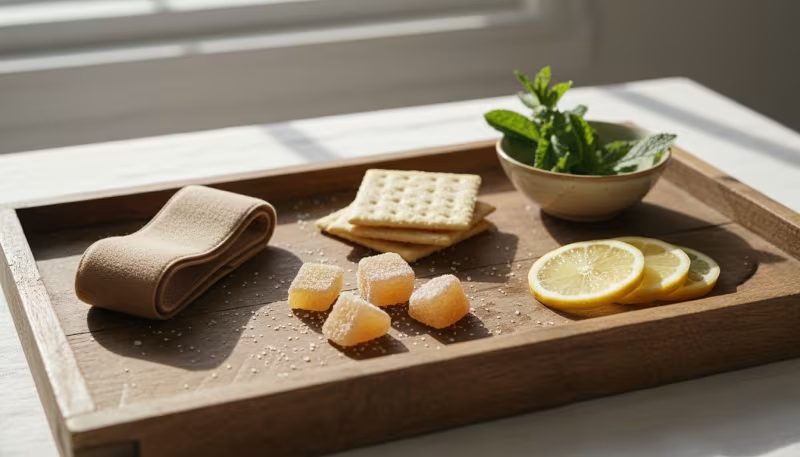
Small frequent meals, bland carbohydrates, protein snacks, cold foods, ginger, and fluids between meals can all ease nausea, but severe vomiting, dehydration, dizziness, or weight loss needs a call. For reflux, try smaller meals, staying upright after eating, and avoiding your personal triggers, and ask before using any medication even when it is sold over the counter.
For constipation, fluids, fiber, movement, and clinician-approved stool softeners usually help more than casual laxatives or herbal products. Cravings themselves are common and harmless, but a craving for ice, clay, dirt, or laundry starch can be pica and is worth mentioning, since it may point to a deficiency or another risk.
Calories And Weight Without The Stress
The old "eating for two" line does more harm than good, because you are not feeding two adults. Many people need little or no extra food in the first trimester, and needs usually rise only modestly later, with the exact amount depending on body size, activity, twins, nausea, and any medical conditions. Think in terms of additions rather than a license to ignore hunger and fullness: a snack that pairs protein with fiber, such as yogurt and fruit, hummus and pita, or an apple with nuts, tends to steady energy better than a larger meal.
Weight talk at visits can turn stressful fast. If it does, ask what the number means clinically, what pattern your clinician wants to see, and what action, if any, they recommend, so the conversation produces a plan instead of shame. Food guilt has no nutritional value, and if eating rules start driving anxiety, restriction, or bingeing, that is a health issue worth raising too. Livecub's guide to feeling attractive during pregnancy can help separate nourishment from constant judgment of a changing body.
Budget, Hydration, And Real Meals
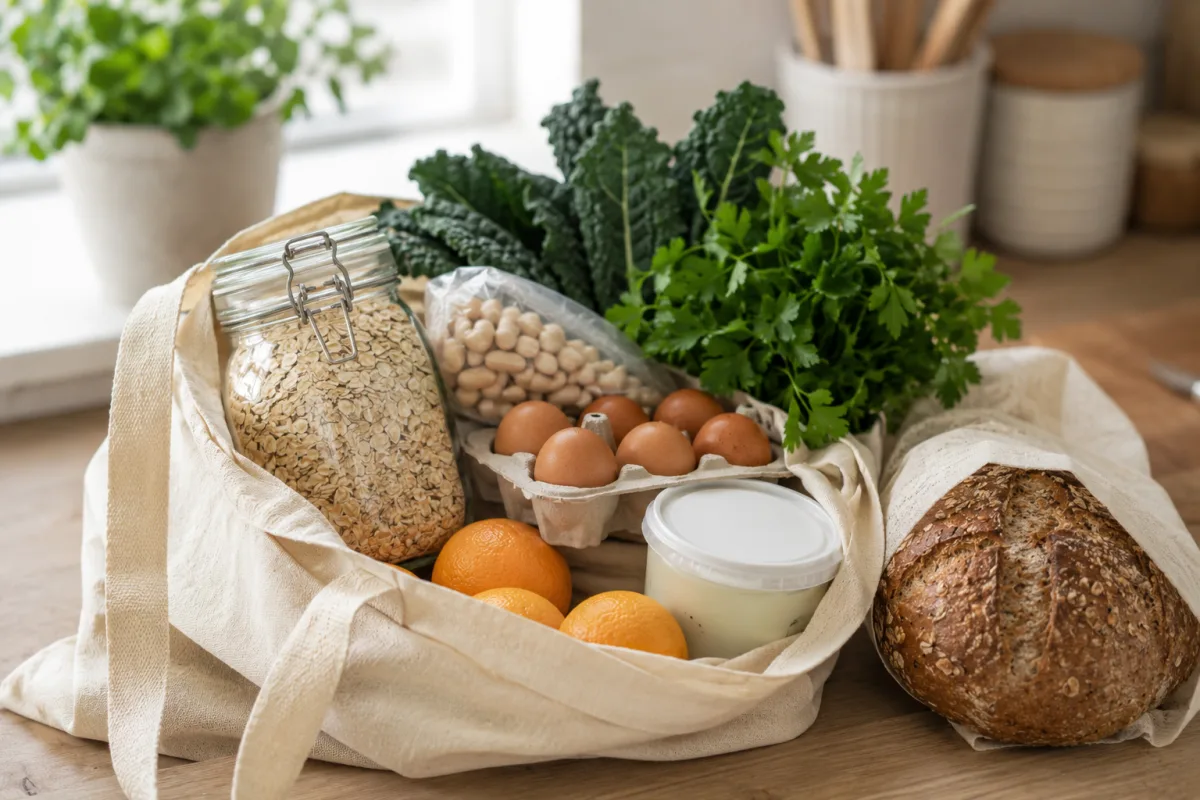
Nutritious pregnancy food does not have to be expensive. Frozen vegetables, canned beans, eggs, oats, peanut butter, rice, lentils, canned lower-mercury fish, and store-brand yogurt all carry real nutrition, and convenience items like prewashed greens, rotisserie chicken, and microwave rice can be the difference between eating and skipping a meal. If food is tight, ask about WIC, SNAP, food pantries, or a clinic social worker, because advice that ignores access is not useful.
Hydration needs can rise, and thirst is an unreliable guide during nausea or heat, so keep a bottle nearby and watch urine color, dizziness, and headaches as clues. If plain water tastes awful, try ice, lemon, diluted juice, or broth. On a nausea day, toast with peanut butter, cold yogurt, and a banana is a win; on a workday, oatmeal, a bean-and-cheese burrito, and a packed snack travel well; for dinner, lentil soup, chicken and rice, or tofu stir-fry with soft vegetables can stretch into the next day's lunch. If food rules start feeding anxiety or low mood, that belongs in your prenatal care too, and Livecub's guide to depression during pregnancy can help you raise it with a clinician.
Frequently Asked Questions
Do I need a prenatal vitamin?
Most clinicians recommend one, but the best type depends on your diet, labs, medical history, and tolerance.
Can I eat sushi while pregnant?
Avoid raw seafood unless your clinician gives specific guidance; cooked low-mercury seafood is usually the safer route.
How much fish should I eat?
The FDA advises 8 to 12 ounces per week of lower-mercury fish for pregnancy and breastfeeding.
What if I cannot eat vegetables right now?
Do what you can, lean on fruit or bland options temporarily, and return to variety when nausea eases.
Are cravings a problem?
Food cravings are common; cravings for non-food items should be discussed with your clinician.
This article is for general information only and isn't a substitute for medical advice. Talk to a clinician who knows your full history before making changes.

Patrick Harwood
Edits sports, consumer-finance and general legal explainers. Regulated or time-sensitive topics link to primary sources and are not professional advice.



Leave a reply
Replying to