
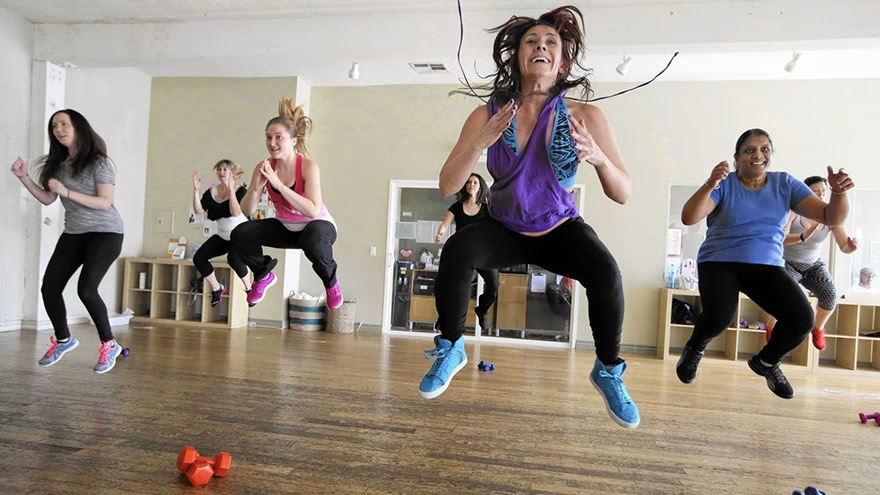
Zumba Can Be Cardio and Lower-Body Work
Zumba, cardio, and glutes belong in the same conversation because a good class keeps the heart rate moving while the lower body repeats steps, hip actions, squats, lunges, side steps, and quick direction changes. It is dance fitness, but it can still be real training.
Zumba's official class description describes Zumba as mixing low- and high-intensity moves in an interval-style dance fitness class. That interval feel explains why one song may feel moderate and the next may push harder.
Zumba works best when fun and effort show up together.
How Zumba Trains Cardio
Cardio training happens when large muscle groups keep moving long enough to raise breathing and heart rate. In Zumba, that usually comes from repeated dance steps, travel patterns, arm movements, and songs that keep the class moving with short breaks.
The CDC's adult activity guidance explains that adults can meet aerobic activity goals through moderate or vigorous physical activity spread across the week. Zumba can fit that plan when the class is taught and performed at the right effort level.
You do not need perfect dance skill to get a cardio effect. You need steady participation, enough movement, and a pace that makes breathing deeper without destroying control.
For a more traditional cardio vocabulary, Livecub's basic aerobic steps article gives useful context for step patterns and intensity.
Where the Glutes Come In
The glutes work when the hips extend, abduct, rotate, and stabilize. Zumba can involve all of those actions through squats, merengue marches, salsa steps, reggaeton-style drops, cumbia patterns, lunges, side steps, and hip-driven movement.
That does not mean every Zumba class is a targeted glute-strength program. The glutes may work hard, but the class is usually designed as dance cardio first. For stronger glute development, many people still need resistance training or focused lower-body strength work.
Feeling the glutes work is not the same as isolating them. Dance movement spreads effort through the legs, hips, trunk, and feet.
Music, Intervals, and Effort
Zumba uses music to shape effort. A faster song with larger steps can raise intensity, while a smoother track can let the class recover without stopping completely. That makes the workout feel less like counting minutes on a machine.
An ACE-supported Zumba Gold study looked at cardiovascular and metabolic responses in a lower-intensity Zumba format. The useful takeaway for everyday exercisers is that class format, population, and effort level matter.
Some participants will keep movements low and small. Others will add hops, bigger arms, deeper squats, or stronger hip action. Both can be valid if they fit the person's body and goals.
Tracking Intensity Without Killing the Fun
You can track Zumba intensity without turning the class into math. Use the talk test, perceived effort, or a heart-rate monitor if you like data. The goal is to know whether the class is light, moderate, or hard for you.
A watch may miss some dance-specific effort, especially with arm movements and quick changes, so treat the number as a trend. If you can barely breathe after every song, scale down before form falls apart.
That choice keeps the workout enjoyable and repeatable longer.
Warmup and Cooldown Matter
A good Zumba class should not jump straight into the hardest song. The warmup gives the feet, hips, knees, shoulders, and heart rate time to adjust. It also introduces the rhythm and movement style for the room.
The cooldown should lower intensity gradually. Slower songs, easier steps, and gentle mobility help the body shift out of high effort. Skipping the cooldown can leave beginners feeling shaky or rushed.
The first and last songs shape the workout as much as the hardest middle section.
Technique Helps the Glutes Work Better
Glute work in Zumba improves when movement comes from the hips rather than only the knees or lower back. During squat-like moves, keep the feet grounded, knees tracking comfortably, and torso controlled. During side steps, push through the floor instead of collapsing into the hip.
Small technique changes can make a class feel better. Step wider when there is room. Use the whole foot. Let the hips move, but avoid forcing the lower back to do the job. Keep the core lightly engaged during fast turns.
Livecub's chair dancing guide is useful for readers who need lower-impact movement or want to understand how rhythm work can be modified.
Calorie Burn and Weight Goals
Zumba can burn calories, but the number depends on body weight, class length, intensity, choreography, breaks, and how much of the movement you choose to do. A person who marks steps gently will not have the same output as someone using full-body effort.
Be cautious with claims that Zumba alone will reshape one body part. Fat loss cannot be directed only to the glutes, hips, or belly. Zumba can support a broader fitness routine, but food, strength training, sleep, and consistency also matter.
For another dance-cardio comparison, Livecub's Tae Bo weight-loss guide shows how energetic classes can support conditioning without replacing the rest of a plan.
Adding Strength Work for Glutes
If stronger glutes are a goal, add simple strength work outside class. Bridges, step-ups, split squats, hip hinges, band walks, and controlled lunges can give the glutes a clearer strength signal than dance alone.
That strength work does not need to be long. Two short sessions per week can support Zumba by making hips, legs, and trunk more prepared for repetitive steps.
Dance can use the glutes; strength work builds them more directly.
Shoes, Floor, and Joint Comfort
Zumba involves pivots, side steps, and quick changes. Shoes should give support without gripping the floor so strongly that knees twist. A sticky sole on a sticky floor can make turns feel rough.
If knees, hips, ankles, or feet complain, reduce the bounce and make turns smaller. Step instead of jumping. Keep one foot on the floor during fast songs. Ask the instructor for low-impact options.
The best version is the one you can repeat safely.
Choosing the Right Class
Not every Zumba class has the same intensity. Some instructors teach a party-like class with big arm movements and fast transitions. Others keep the choreography simpler or offer lower-impact versions.
Beginners should stand where they can see the instructor's feet and full body. Do not hide in the far back if that means copying people who are also confused. Follow the basic step first, then add arms and style later.
If you have joint issues, balance concerns, pregnancy-related changes, or a long break from exercise, ask about class level before starting. A good instructor will not be bothered by that question.
How to Progress
Start with one or two classes a week and notice recovery. If you are new to dance fitness, the first few sessions may feel mentally busy because you are learning steps and rhythm at the same time.
Progress by improving consistency, range of motion, stamina, and control before adding jumps or deeper squats. If a class feels chaotic, choose a beginner class, stand where you can see the instructor, and keep your own pace.
For a very different lower-body conditioning option, Livecub's running bleachers benefits article shows how intensity changes when movement becomes stair-based rather than dance-based.
Who Should Modify Zumba
Modify Zumba if you are returning from injury, new to exercise, managing arthritis, dealing with foot pain, or noticing dizziness during fast songs. Modification does not mean quitting. It means keeping the workout useful.
Use smaller steps, slower turns, lower arms, and step-touch patterns. March through a confusing section instead of stopping completely. Drink water when needed, but do not use every song break as a long rest unless your body needs it.
Over time, the steps become more familiar. That familiarity often lets the cardio effort rise without making the class feel as mentally overwhelming.
Frequently Asked Questions
Does Zumba work your glutes?
Yes, many Zumba steps use the glutes through hip movement, side steps, squats, lunges, and stabilization, but it is not pure glute isolation.
Is Zumba good cardio?
It can be. The cardio effect depends on class pace, effort, song structure, and how consistently you move.
Can Zumba replace strength training?
Usually no. Zumba can support fitness, but focused resistance training is still useful for building strength.
How can beginners make Zumba safer?
Use low-impact steps, choose supportive shoes, reduce turns and jumps, follow your own pace, and ask for modifications.

Olivia Prete
Edits culture and personal-development articles, distinguishing opinion and experience from verifiable claims.
Leave a reply
Replying to