

10 Ways with Pumpkins can mean much more than pie. Pumpkin can be roasted, pureed, stirred into soup, baked into bread, folded into pasta, used in curry, toasted as seeds, frozen for later, or turned into a centerpiece that becomes dinner after the table is cleared.
The key is knowing which pumpkin you have. Carving pumpkins are watery and stringy. Smaller sugar or pie pumpkins usually taste better. Canned pumpkin is often the easiest choice for baking because it is consistent.
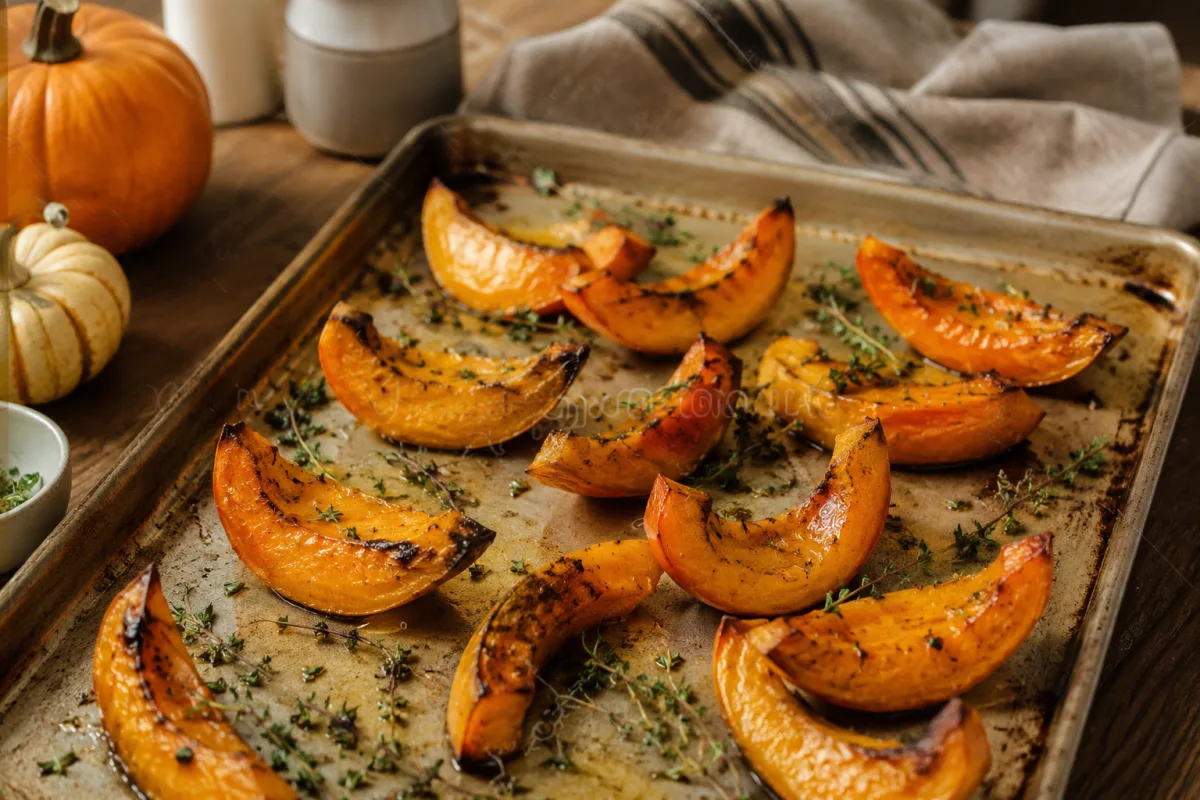
1. Roast Pumpkin Wedges
Cut a small pumpkin into wedges, scrape out seeds, oil lightly, season with salt, pepper, and herbs, then roast until tender and browned at the edges. Roasted pumpkin works as a side dish, salad topping, or grain-bowl base.
Keep the seasoning simple the first time. Pumpkin takes well to sage, rosemary, thyme, chili, cumin, maple, garlic, and browned butter, but too many flavors at once can bury the vegetable.
2. Make Pumpkin Puree
Roast pumpkin until soft, scoop the flesh, and blend it smooth. Drain watery puree through a fine sieve or cheesecloth if needed. Homemade puree can taste fresher than canned, but it varies by pumpkin.
For baking, canned pumpkin is reliable. King Arthur Baking's canned pumpkin baking guide explains how consistency affects baked goods. Use homemade puree when the texture fits the recipe.
3. Cook Pumpkin Soup
Saute onion, garlic, and ginger or herbs, add pumpkin, stock, and seasoning, then simmer and blend. Finish with cream, coconut milk, yogurt, chili oil, toasted seeds, or herbs.
Soup is forgiving, which makes it a good place for homemade puree. If the pumpkin tastes flat, add acid, salt, or spice. If it tastes too sweet, add chili, smoked paprika, or a savory broth.
4. Bake Pumpkin Bread
Pumpkin bread works because puree brings moisture and mild flavor. Use cinnamon, ginger, nutmeg, clove, chocolate chips, nuts, or orange zest. Do not overmix once flour is added.
If you are building a dessert table, Livecub's cookie display guide can help arrange pumpkin bread slices with cookies, bars, and small cakes without making the table look crowded.
5. Use Pumpkin In Pasta
Blend pumpkin puree with browned butter, garlic, sage, parmesan, and pasta water for a quick sauce. It also works in ravioli filling with ricotta, nutmeg, and black pepper.
Keep the sauce loose. Pumpkin thickens quickly and can turn gluey if there is not enough pasta water or fat. Finish with something sharp or salty so the sweetness does not feel heavy.
6. Make Pumpkin Curry
Pumpkin holds up well in curry. Simmer cubes with coconut milk, curry paste or spices, onion, garlic, ginger, and greens. The pumpkin softens but can still keep shape if cut large enough.
Livecub's guide to cooking greens can help if you want to add kale, spinach, mustard greens, or chard. Greens balance the sweetness and make the pot feel more complete.
7. Toast The Seeds
Rinse seeds, remove strings, dry them well, toss with oil and salt, then roast until crisp. Drying matters. Wet seeds steam before they toast.
Season after drying or roasting with smoked paprika, cinnamon sugar, chili lime, garlic, or parmesan. Keep an eye on them because small seeds can go from pale to burned fast.
8. Freeze Pumpkin For Later
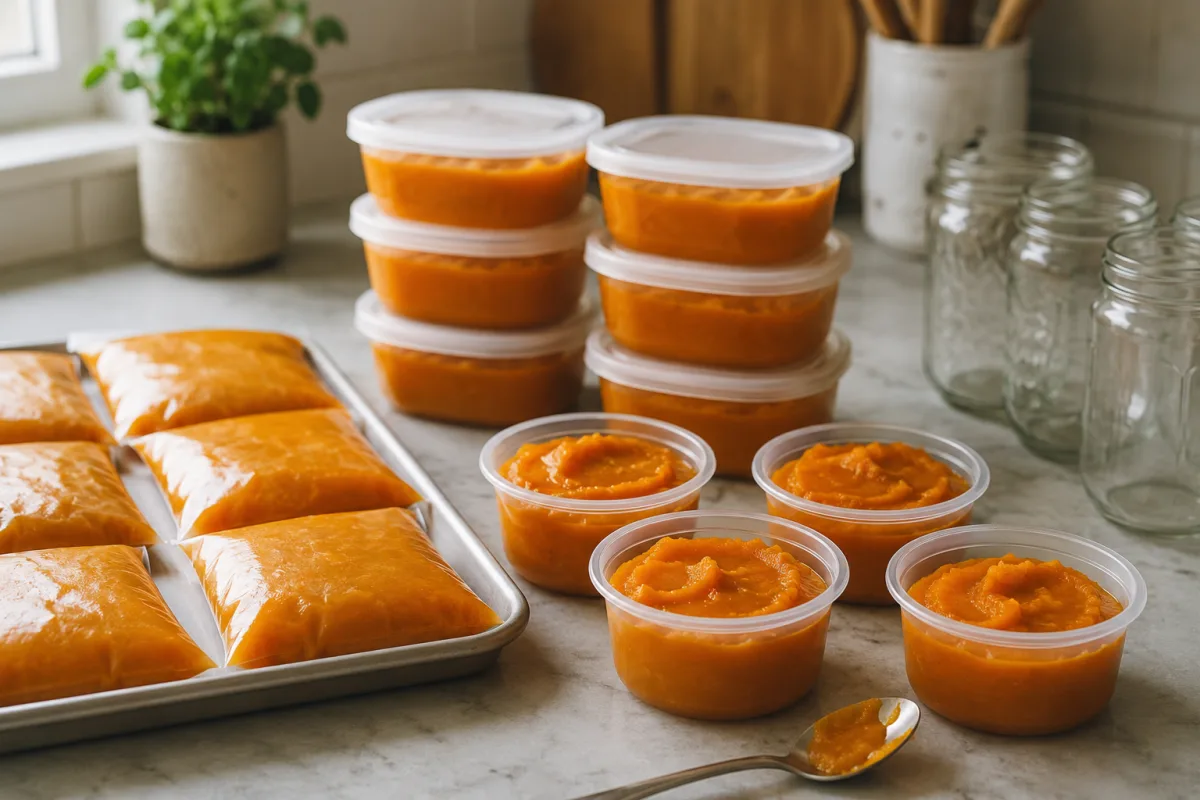
Freeze puree in measured portions so future baking is easy. Label the amount and date. Flat freezer bags stack better than bulky containers. Pumpkin cubes can also be frozen for soups and stews if blanched or cooked first.
University extension guidance generally discourages home canning mashed pumpkin or pumpkin butter because density can create safety problems. The National Center for Home Food Preservation advises canning pumpkin only in cubes, not mashed puree. Freezing is simpler for most home cooks. Livecub's freezing fresh vegetables guide fits the same storage mindset.
9. Use Pumpkin In Breakfast
Stir pumpkin puree into oatmeal, pancakes, waffles, smoothies, yogurt bowls, or muffins. Use small amounts at first because pumpkin can make batters heavy.
For oatmeal, add cinnamon, maple, nuts, and a pinch of salt. For pancakes, reduce other liquid slightly if the puree is wet. Pumpkin needs seasoning to taste like breakfast instead of baby food.
10. Make Pumpkin A Table Feature
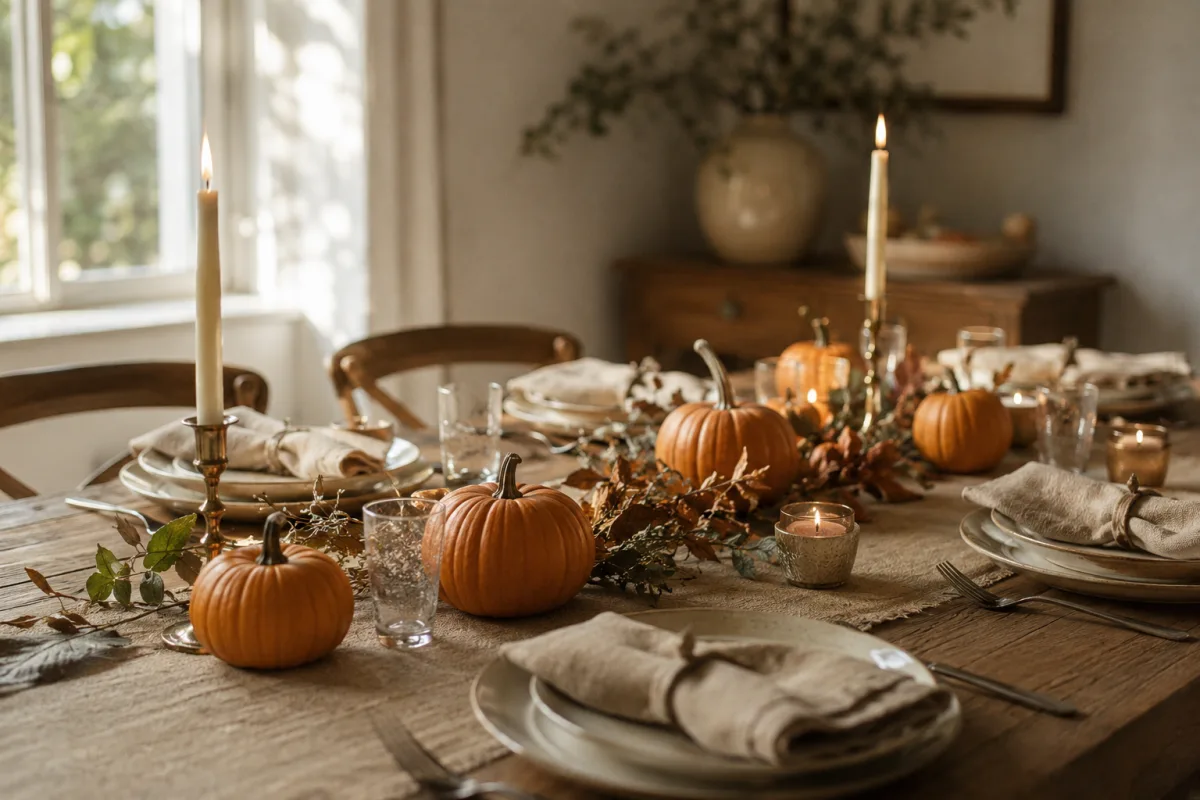
Small pumpkins can decorate a table before becoming roasted wedges or soup. Use clean, uncut pumpkins for display, then cook them later. Once carved, they are better as decoration than dinner.
If you are planning a party, Livecub's Hi-5 birthday party guide is a different theme, but the practical idea is shared: decorations work best when they do not get in the way of serving food.
How Do You Choose A Good Pumpkin?
Choose pumpkins that feel heavy for their size, with firm skin and no soft spots. For cooking, smaller sugar pumpkins are usually better than huge carving pumpkins. Store whole pumpkins in a cool, dry place.
The University of Minnesota Extension has practical guidance on pumpkins and winter squash, including harvest and storage considerations. Good storage starts before the pumpkin reaches the kitchen.
What Mistakes Should You Avoid?
Do not use a jack-o-lantern that sat outside for days as food. Do not can pumpkin butter at home. Do not assume homemade puree has the same moisture as canned. Do not forget salt in savory pumpkin dishes.
Also avoid making every pumpkin dish sweet. Pumpkin can handle heat, herbs, garlic, curry, cheese, and acid. Treat it as a vegetable, not only a pie filling.
How Do You Use Leftover Pumpkin?
Leftover puree can go into chili, pancake batter, oatmeal, smoothies, macaroni sauce, hummus, or quick bread. Add a spoonful at a time until the texture still makes sense. Pumpkin is useful, but it can make food dense if you force too much into a recipe.
Leftover roasted cubes can be folded into salads, tacos, grain bowls, or scrambled eggs. If the pumpkin was seasoned strongly, use it in a dish that matches those flavors rather than trying to hide them.
What About Pumpkin Desserts Beyond Pie?
Try pumpkin cheesecake bars, pumpkin muffins, pumpkin tiramisu-style cups, pumpkin custard, pumpkin cookies, or pumpkin swirl brownies. Keep sweetness balanced with salt and spice so the dessert does not taste flat.
If you like layered desserts, Livecub's perfect tiramisu guide can inspire a pumpkin version with spiced cream and coffee-soaked layers. Treat it as an adaptation, not a strict classic.
How Do You Reduce Waste?
Use the seeds, roast the flesh, save the puree, and compost the stem and tough scraps if your local system accepts them. Buy the pumpkin size you can actually cook. One huge pumpkin can become a burden if the refrigerator is already full.
If you only need puree for baking, canned pumpkin may create less waste and more predictable results. Fresh pumpkin is best when you also want roasted pieces, soup, or seeds.
How Do You Season Pumpkin Well?
For savory pumpkin, start with salt, fat, and one strong direction: herbs, curry spices, chili, garlic, or cheese. Pumpkin is mild, so it needs contrast. Acid from lemon, vinegar, yogurt, or tomatoes can keep it from tasting heavy.
For sweet pumpkin, use spice and salt carefully. Cinnamon and sugar alone can taste flat. Ginger, nutmeg, clove, maple, brown butter, citrus, nuts, or chocolate can make the flavor feel more complete.
Can You Use Canned Pumpkin In Savory Food?
Yes. Canned pumpkin works in soup, pasta sauce, chili, curry, and dips. It is already smooth, so it can thicken a pot quickly. Add broth or pasta water slowly until the texture is right.
Make sure the can is plain pumpkin, not pumpkin pie filling, unless the recipe specifically wants sugar and spice. The labels look similar when you are shopping fast.
Frequently Asked Questions
Can you eat carving pumpkins?
Fresh carving pumpkins are edible, but they are often watery and bland compared with sugar pumpkins.
Can pumpkin puree be frozen?
Yes. Freeze measured portions, label them, and thaw as needed for cooking or baking.
Is pumpkin butter safe to can at home?
Home canning pumpkin butter is not recommended by food preservation authorities. Freeze it instead.
What spices go with pumpkin?
Cinnamon, ginger, nutmeg, clove, sage, rosemary, chili, cumin, garlic, and black pepper all work.
What is the easiest pumpkin dish?
Roasted wedges or blended soup are the easiest ways to use fresh pumpkin.
What Is The Best Way To Use Pumpkins?
Use the right pumpkin for the job. Roast good eating pumpkins, use canned puree for precise baking, freeze extra puree, toast the seeds, and remember that savory dishes can be just as satisfying as pie.

Alyssa Curlin
Edits general health, nutrition and education explainers. Medical topics are educational and link to public-health guidance.




Leave a reply
Replying to