Buying and Cooking Asparagus Starts at the Store
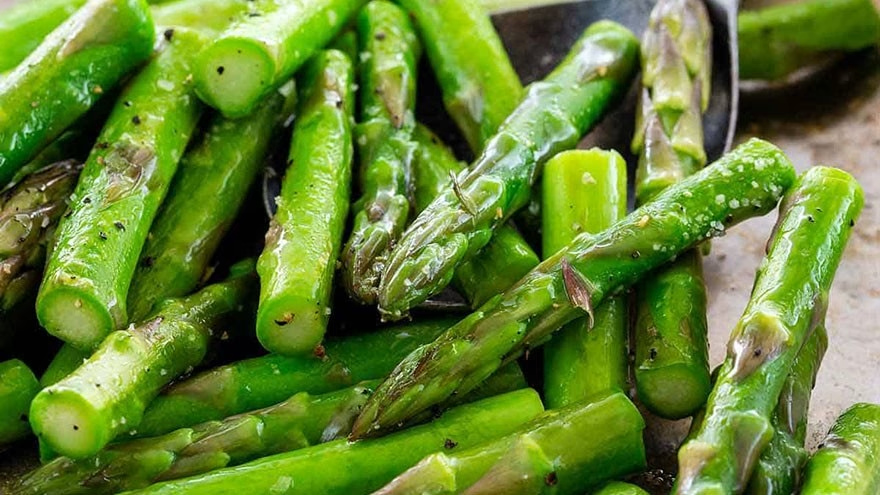
Buying and cooking asparagus gets easier when you know what the vegetable should look and feel like before it hits the pan. Good asparagus has firm stalks, tight tips, and cut ends that are not dry, hollow, or badly split. The spears should smell fresh and green, not sour.
Clemson Cooperative Extension's using and storing asparagus guidance says asparagus loses quality quickly and should be used within one to three days after purchase. That short window explains why limp asparagus is so disappointing.
Do not judge quality by thickness alone. Thin asparagus is not automatically better, and thick asparagus is not automatically tough. The right size depends on how you plan to cook it. Freshness beats diameter.
How to Choose the Right Spears
Look for bunches with evenly colored stalks and compact tips. The tips should not be mushy, spreading, wet, or dark. If the rubber band has crushed the stalks, choose another bunch.
Thin spears cook very fast and suit quick sauteing, shaving raw into salads, or adding to omelets. Medium spears are the most flexible for roasting, steaming, grilling, and pasta. Thick spears can be excellent when peeled lightly and roasted or grilled.
Penn State Extension notes in its asparagus production resource that asparagus stored at 32 to 36 degrees Fahrenheit and high humidity can retain good quality for about 7 to 14 days. Home refrigerators are less controlled, so home cooks should still plan to use it quickly.
For another green vegetable with timing and texture issues, Livecub's guide to cooking greens is a useful companion.
Plan Around the Meal
Buy asparagus for a specific meal instead of treating it like a long-keeping vegetable. If dinner is three days away, wait to shop unless the bunch looks especially fresh and your refrigerator runs cold.
For a weeknight, choose a method that fits the rest of the plate. Roast asparagus while chicken cooks, steam it while rice rests, or saute short pieces while pasta boils. The vegetable should not make the meal harder.
For salads, shave raw asparagus thinly with a peeler or slice it on a sharp angle. Use lemon, oil, salt, pepper, and a little cheese or nuts. Raw asparagus needs thin cuts so it feels crisp rather than woody.
Store Asparagus Like a Perishable Vegetable
Asparagus is not a pantry vegetable. Refrigerate it as soon as possible. If cooking within a day, wrap the cut ends in a damp paper towel and place the bunch in a loose plastic bag.
For slightly longer storage, trim a thin slice from the ends and stand the spears upright in a jar with a little water, then cover loosely. Change the water if it looks cloudy. Keep the tips dry enough that they do not turn slimy.
Do not wash asparagus before storage unless you will dry it very well. Extra water trapped around the tips can shorten its life. Wash right before cooking unless the spears are gritty.
Trim and Prep Without Wasting Half the Bunch
The old bend-and-snap method is easy, but it can waste good asparagus. A cleaner method is to line up the spears and cut off the dry bottom inch, then check one stalk for toughness.
Thick asparagus may benefit from peeling the lower third. Use a vegetable peeler lightly. You are not trying to whittle the spear down, only remove the fibrous outer layer near the base.
Cut asparagus into lengths that match the dish. Whole spears look good on a platter. Short pieces are better for pasta, stir-fries, fried rice, salads, and soups. If using a sauce, Livecub's stir-fry sauce guide can help balance sweetness, salt, and acid.
Use Thin and Thick Spears Differently
Thin asparagus is convenient, but it can overcook while you look away. Use it for very fast methods: quick sauteing, steaming, omelets, pasta, or shaving raw with lemon and olive oil.
Thick asparagus gives you more room for heat. It can be grilled, roasted hard, peeled near the base, or served with richer sauces. The center stays juicy when the outside browns.
If a bunch has mixed sizes, separate the spears before cooking. Put thick pieces in the pan first, then add thin pieces later. Sort by thickness before heat if you want a better final texture.
Roast, Steam, Grill, or Saute
Roasting asparagus gives browned edges and a deeper flavor. Toss spears with oil, salt, and pepper, then roast hot until just tender. Thin spears may finish quickly, while thick spears need more time.
Steaming keeps the flavor clean and the color bright. Stop while the spears are still firm enough to hold shape. Oversteamed asparagus turns dull and soft.
Grilling works best with medium or thick spears so they do not fall through the grates. Oil them lightly, season, and turn once or twice. Sauteing is fast and good for cut pieces, especially with garlic, lemon, or herbs.
For a meal built around poultry and a green side, Livecub's easy Yugoslavian chicken recipe would sit well beside roasted asparagus.
Season Asparagus Without Covering It Up
Asparagus has a green, slightly grassy flavor. It does not need much. Lemon, butter, olive oil, black pepper, garlic, parsley, dill, chives, Parmesan, mustard vinaigrette, toasted nuts, and soft eggs all work.
Use acid after cooking if you want brightness. Lemon juice or vinegar can fade the color if the asparagus sits too long. Add zest, herbs, or a drizzle of oil at the end.
Salt early, finish fresh. A little salt before roasting or grilling helps the vegetable taste seasoned inside, while herbs and lemon at the end keep the dish lively.
Serve It at the Right Moment
Asparagus is best close to the moment it leaves the heat. It can sit for a short time, but the tips soften and the color dulls. If cooking for guests, prep early and cook late.
For a buffet, serve asparagus at room temperature with a vinaigrette rather than trying to keep it hot for a long time. A warm platter held too long often turns soft and wet.
Leftover cooked asparagus still has uses. Chop it into scrambled eggs, pasta, rice bowls, grain salads, soups, or a frittata. Do not reheat it hard; warm it gently or add it near the end.
Blanching and Freezing Asparagus
Fresh asparagus freezes better after blanching. Illinois Extension's blanching and freezing vegetables guidance explains that blanching slows enzyme activity that can affect quality in frozen vegetables.
Trim, wash, sort by size, then blanch in boiling water. Cool quickly in ice water, drain very well, and pack into freezer bags or containers. Remove as much air as practical before sealing.
Frozen asparagus is best in cooked dishes, not raw salads. Use it in soups, casseroles, pasta, stir-fries, or omelets. Livecub's fresh vegetable freezing guide is useful for applying the same idea to other produce.
Common Asparagus Mistakes
The first mistake is buying too far ahead. Asparagus may survive in the refrigerator, but flavor and snap fade quickly. Buy close to the meal if possible.
The second mistake is cooking every spear the same way. Thin spears and thick spears need different timing. Cut size, heat level, and pan crowding all change the result.
The third mistake is adding too much sauce. A heavy glaze can bury the vegetable. Let asparagus taste like asparagus, then add enough seasoning to make it feel finished.
If you have only a few spears left, slice them thinly and use them as a garnish for soup, eggs, rice, or pasta. Small amounts still add color and snap without much extra work on a busy weeknight or quick lunch.
For a party table, Livecub's cookie display guide is unrelated as a recipe, but helpful for thinking about timing, platter spacing, and foods that lose quality while sitting out.
Frequently Asked Questions
How long does asparagus last in the refrigerator?
For best quality, use it within one to three days. Good cold, humid storage can help, but home refrigerators vary.
Should I snap or cut asparagus ends?
Cutting is usually less wasteful. Trim the dry ends, then peel thick lower stalks if needed.
Can asparagus be eaten raw?
Yes, especially thin spears shaved or sliced very thin. Wash well and use fresh, firm asparagus.
Do I have to blanch asparagus before freezing?
Blanching is recommended for better frozen quality because it slows enzyme activity.

Cashie Evans
Covers parenting and practical household topics with clear steps, safety notes and links to current guidance.




Leave a reply
Replying to