
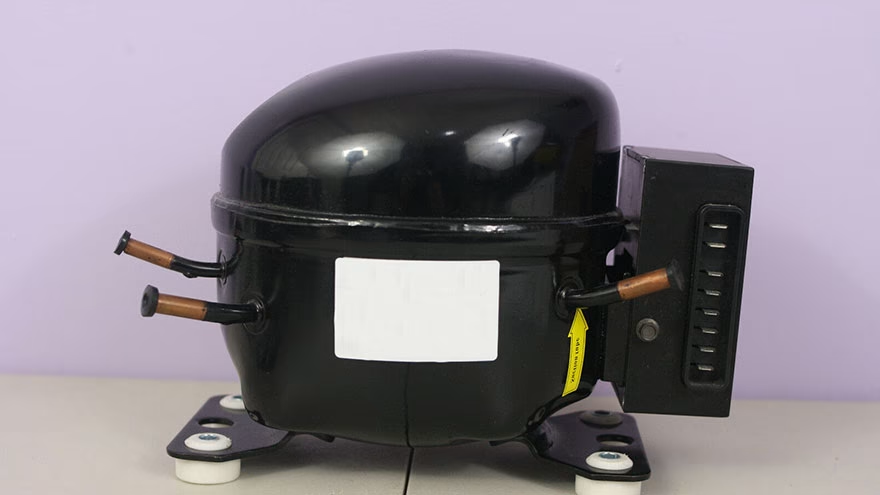
A refrigerator can sound alive and still fail at its main job. Lights may turn on, the fan may spin, and the control panel may look normal while the sealed system cannot remove heat. That is why fridge compressor failure should be handled as a cooling problem first, not a noise mystery. Check food temperature, airflow, coils, fans, and basic power before assuming the most expensive part is dead.
What does a refrigerator compressor do?
The compressor moves refrigerant through the sealed system so heat can leave the refrigerator and freezer compartments. It works with the condenser coils, evaporator, fans, thermostat or control board, start relay, capacitor, and refrigerant charge. If one of those related parts fails, the compressor may look guilty even when it is not the first fault.
ENERGY STAR advises leaving space behind a refrigerator, keeping condenser coils clean on older models, checking door seals, and limiting open-door time. The ENERGY STAR refrigerator guidance is useful because poor airflow and dirty coils can imitate or worsen compressor trouble.
If the fridge is full of ingredients for planned meals, protect the food before protecting the appliance. Livecub's fresh vegetable freezing guide can help only if the food has stayed at safe temperatures.
Which signs point toward compressor trouble?
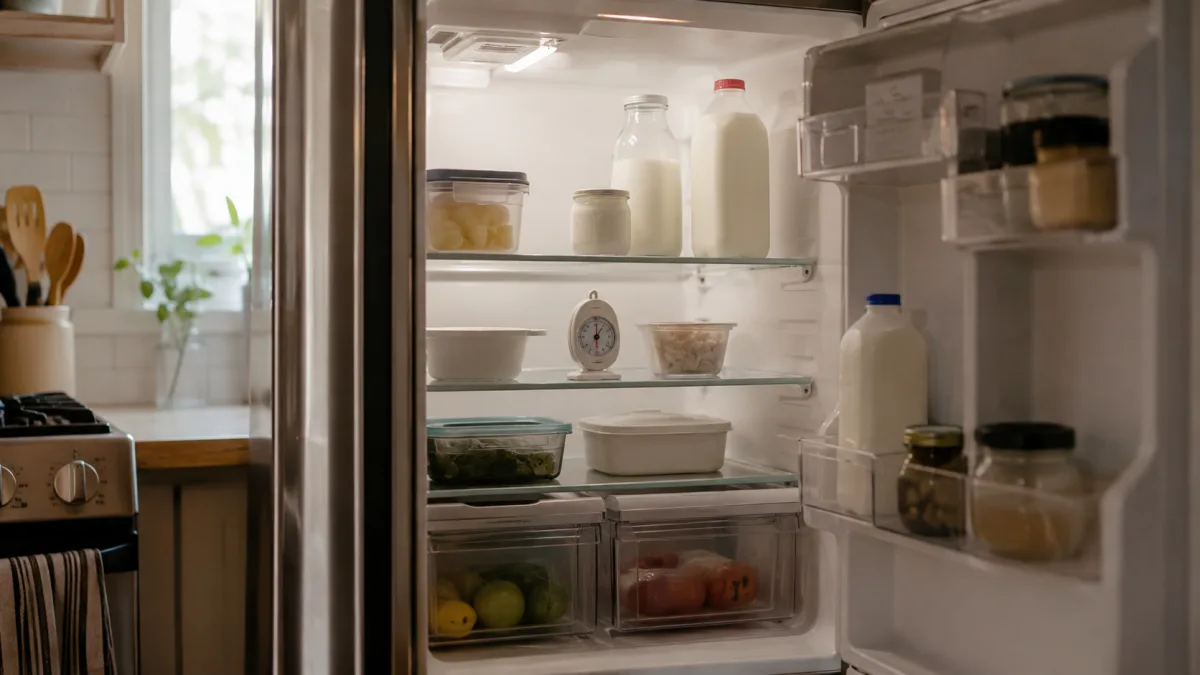
Several symptoms can point toward compressor trouble, but none is proof by itself. Look for patterns across temperature, sound, run time, and heat around the appliance. A single click after a power flicker is different from repeated clicking and warm compartments.
Warm refrigerator and freezer
If both compartments warm up, the problem may be compressor, start components, control board, sealed-system leak, condenser fan, or power supply. If only the refrigerator side warms while the freezer stays cold, airflow or damper problems may be more likely.
Repeated clicking or humming
A click followed by a hum and then silence can mean the compressor is trying to start and failing. It can also point to a start relay or overload problem. Do not keep unplugging and replugging the refrigerator as a test; that can add stress without giving a clear answer.
Constant running with poor cooling
A fridge that runs constantly but does not cool may have dirty coils, a failing fan, bad door gaskets, low refrigerant, or a weak compressor. Constant running is a clue, not a diagnosis.
What should you check before blaming the compressor?
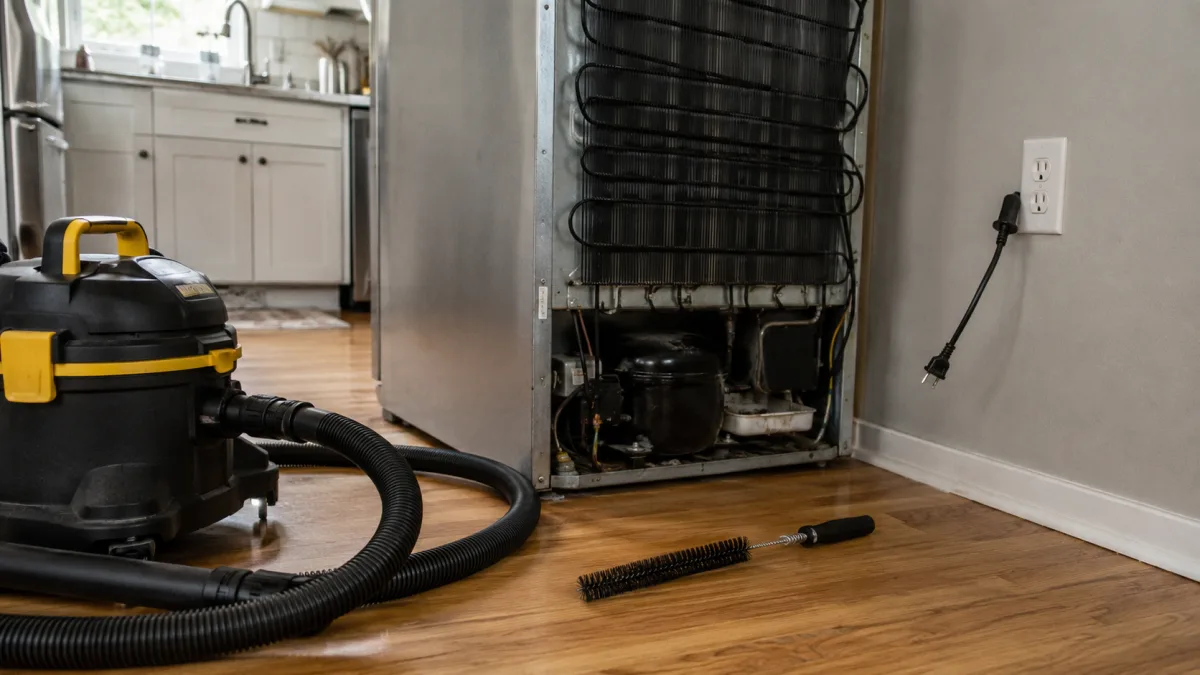
Check the outlet, breaker, temperature settings, door gaskets, condenser coils, condenser fan, evaporator fan, and blocked air vents. Pull the refrigerator only if you can do it safely, and unplug it before cleaning coils or touching rear compartments.
GE Appliances notes that condenser coils may be under, behind, or on top of a refrigerator and says to unplug the unit before cleaning. The GE condenser coil cleaning guidance is a practical safety reference even if your model is another brand.
Start with airflow. A compressor can overwork when heat cannot leave the condenser area. Pet hair, dust, tight wall clearance, and a dead condenser fan can all make the appliance behave like the compressor is failing.
Listen for fans as separate parts of the system. A refrigerator may have an evaporator fan inside the freezer area and a condenser fan near the compressor. If a fan is silent, grinding, blocked by ice, or jammed with debris, the compressor may be blamed for a cooling problem it did not create.
Also inspect the door seal with a simple paper test. Close the door on a sheet of paper and feel whether it pulls with resistance. A leaking gasket can make the compressor run too long, especially in a humid kitchen or a home where the door is opened often.
How do you protect food while troubleshooting?
Put an appliance thermometer in the refrigerator and freezer if you do not already have one. Do not decide by smell or by how cool a carton feels in your hand. Perishable food safety depends on time and temperature, not optimism.
FoodSafety.gov says a refrigerator keeps food safe for about four hours during a power outage if the door stays closed, and perishable refrigerated food should be discarded after four hours without power. The FoodSafety.gov outage chart is a useful rule source when cooling is lost.
If the compressor failure interrupted a cooking plan, Livecub's goose cooking guide is another reminder that meat safety begins before the pan. Keep raw poultry, meat, fish, eggs, and leftovers out of unsafe temperature ranges.
Move food to another working refrigerator, a freezer, or a cooler with enough ice if the appliance is not holding temperature. Keep the door closed while you decide. Every casual check releases cold air and makes the remaining safe window shorter.
When is it really the compressor?
A technician may suspect the compressor when voltage is correct, fans work, coils are clean, the start device tests bad or replacement does not help, and the sealed system still cannot build the right temperature difference. That diagnosis often requires meters, gauges, service knowledge, and legal handling of refrigerant.
Homeowners can observe symptoms, but sealed-system work is not a casual repair. Refrigerant recovery, brazing, leak diagnosis, and compressor replacement involve tools and rules beyond a normal kitchen repair. Do not vent refrigerant or cut sealed-system lines.
EPA appliance disposal guidance explains that refrigerant and other hazardous components have to be handled properly when appliances are disposed of. That matters when repair turns into replacement and the old unit leaves your kitchen.
Should you repair or replace the refrigerator?
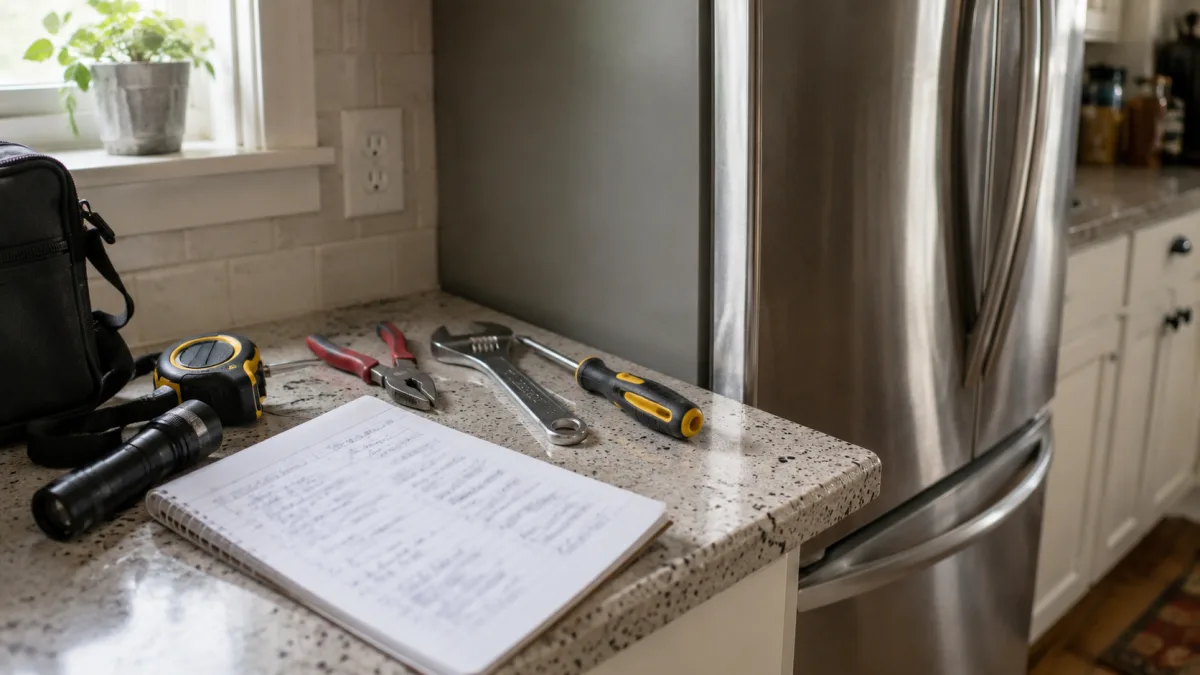
The decision depends on age, warranty, labor cost, compressor part cost, food loss risk, energy use, and whether the problem is isolated. A compressor repair on a newer high-end refrigerator under warranty is a different decision from a sealed-system repair on an old basic unit.
Ask the technician for the exact diagnosis, the part list, labor estimate, warranty on the repair, and what else was ruled out. If the quote is close to replacement cost, compare that number with delivery, haul-away, and the risk of another sealed-system problem.
If freezer inventory is part of your household routine, Livecub's guide to cooking greens fits the same practical habit: plan storage around what you can safely use, not what you hope will last.
Warranty status can change the answer completely. Some refrigerators have separate sealed-system or compressor coverage that lasts longer than the basic warranty. Find the model number, serial number, purchase date, and warranty terms before approving an expensive repair.
What can help prevent repeat cooling problems?
Keep vents clear, leave proper wall clearance, clean coils according to the owner's manual, replace damaged gaskets, avoid overpacking, and give hot food time to cool safely before loading large quantities. Do not run a refrigerator in a garage or room outside its rated temperature range unless the model is built for it.
Maintenance cannot save every compressor, but it can reduce heat stress and make diagnosis cleaner. A dusty coil and a failing condenser fan can turn a borderline appliance into a food-loss event.
For display-heavy food storage, Livecub's cookie display guide shows how presentation depends on temperature and timing. A failing refrigerator turns that planning into a food safety problem fast.
Set a calendar reminder for simple checks. A five-minute coil look, gasket wipe, and temperature reading can catch problems before a holiday meal, party tray, or full grocery trip depends on a weak cooling system.
Keep the model number in a note on your phone too. If service is needed, that small detail speeds parts lookup and keeps the first call from turning into a scavenger hunt.
Frequently Asked Questions
Can a refrigerator light work with a bad compressor?
Yes. Interior lights and controls can work even when the compressor or sealed system cannot cool properly.
Does clicking always mean the compressor is dead?
No. Clicking can come from start components or overload protection. A technician needs to test before calling the compressor bad.
Should I unplug a warm refrigerator?
Unplug before cleaning or moving it, but protect food first. If you are waiting for service, ask the technician what they want left running.
Can I replace a refrigerator compressor myself?
Most homeowners should not. Compressor replacement involves sealed-system work, refrigerant handling, electrical testing, and specialized tools.
Protect the food, then diagnose the machine. A compressor is expensive enough that the first good repair step is proving it is the real fault before replacement.

Tory Stearns
Edits practical household, travel and lifestyle explainers. Claims that can change are linked to current primary or subject-authority sources.




Leave a reply
Replying to