
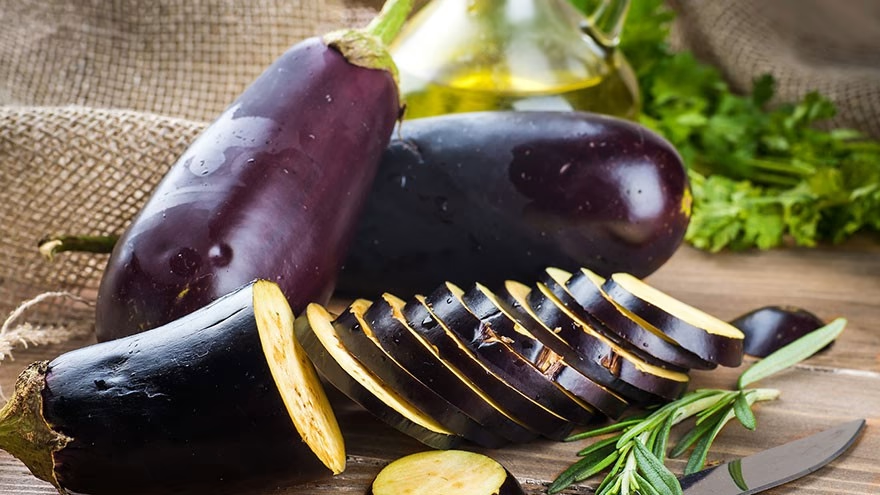
Eggplant Is a Sponge, So Cook With a Plan
Buying and cooking eggplant gets easier once you understand the texture. Eggplant behaves like a sponge in the pan: it can soak up oil, collapse into silk, or stay unpleasantly firm if cut too large. The goal is to choose a good eggplant, store it briefly, and match the cooking method to the dish.
USDA SNAP-Ed's eggplant guide notes that eggplant can be grilled, roasted, sauteed, baked, or stir-fried, and that salting cut pieces can reduce bitterness and pull out water. That is the practical frame for home cooks.
Eggplant rewards decisive heat and punishes half measures.
How to Buy Eggplant
Choose eggplants with glossy skin, firm flesh, and a green-looking cap. The fruit should feel heavy for its size. Avoid soft spots, wrinkled skin, deep bruises, mold, or a dried-out stem.
Small and medium eggplants often have thinner skin and fewer seeds than very large ones. Big eggplants can still be good, but they may need salting, peeling, or longer cooking depending on the dish.
For another produce guide, Livecub's cooking greens guide pairs well because greens and eggplant both change dramatically with heat.
Know the Common Types
Globe eggplant is the large purple type most common in many U.S. grocery stores. Italian eggplant is often smaller and a little easier to handle. Japanese and Chinese eggplants are long, slim, and quick-cooking. Small round varieties can be good for stuffing or curries.
Use the shape to guide the method. Long slim eggplants are easy to grill or stir-fry. Large globe eggplants are good for roasting, baking, dips, and breaded slices.
Store It Briefly
Eggplant is best used soon after buying. It dislikes long storage, cold damage, and being forgotten in a damp drawer. If you need to hold it, keep it dry and use it within a few days.
Do not cut eggplant hours ahead unless the recipe has a plan for it. The flesh browns after cutting. That does not always ruin flavor, but it can make prep look tired.
Fresh eggplant should feel alive, not spongy and tired.
Should You Salt Eggplant?
Salting is useful when an eggplant is large, seedy, bitter, or headed for frying. Sprinkle cut pieces with salt, let them sit about 30 minutes, then pat dry. The process draws out moisture and can help browning.
You do not need to salt every eggplant. Young, firm eggplants for roasting or grilling may be fine without it. If the recipe needs speed, skip salting and focus on enough heat.
Control Oil Before It Controls the Dish
Eggplant absorbs oil quickly at the start, then releases some as it softens. If you keep adding oil every time the pan looks dry, the finished dish can feel heavy.
Salt first when frying, use enough heat, and give the pieces time to brown. For roasting, toss with measured oil in a bowl so the coating is even before the eggplant hits the pan.
Measured oil beats panic oil.
Roasting Eggplant
Roasting is the easiest method for beginners. Cut eggplant into cubes, wedges, or halves. Toss with oil and salt. Roast hot enough to brown, usually around 425 degrees F, and spread pieces out so they do not steam.
Turn once if needed. The finished eggplant should be browned outside and soft inside. If it looks pale and rubbery, it needs more heat or more space on the pan.
For a dinner plate, roasted eggplant can sit beside Livecub's easy Yugoslavian chicken recipe or become the main vegetable over rice.
Air Fryer Eggplant
An air fryer can work well for cubes or slices if the basket is not packed tight. Toss pieces with oil and salt, cook in batches, and shake once or twice. Crowding creates steam instead of browned edges.
Air fryer eggplant is useful for bowls, sandwiches, and quick sides. If you want saucy eggplant, add sauce after cooking so the surface stays browned.
Grilling Eggplant
Slice eggplant into thick planks or rounds, brush with oil, salt, and grill over medium-high heat. Thin slices dry out before the center softens. Thick slices need time, but they give you a creamy center.
Grilled eggplant likes strong finishes: lemon, yogurt, tahini, herbs, chile oil, tomato, or garlic. Add those after cooking so the grill marks stay clean.
Grill marks are not enough; the center must soften.
Sauteing and Stir-Frying
Eggplant can drink oil quickly in a skillet. Use a hot pan, enough oil to coat, and do not stir constantly at first. Let surfaces brown before moving the pieces.
For stir-fry, cut pieces small and cook in batches if needed. Add sauce near the end so the eggplant does not boil in liquid. Livecub's stir fry sauces can help with flavor direction after texture is under control.
Baking Stuffed Eggplant
For stuffed eggplant, halve the fruit, score the flesh, roast until partly tender, then scoop or press space for filling. Fill with grains, vegetables, meat, beans, cheese, herbs, or tomato sauce.
Do not overfill before the shell is tender. A stuffed eggplant with firm walls and hot filling feels mismatched. Cook the shell first, then finish everything together.
Breading and Eggplant Parmesan
For breaded eggplant, slice evenly, salt if needed, pat dry, then coat in flour, egg, and crumbs. Bake or fry until the coating is set before adding sauce. Wet eggplant under breading turns soggy fast.
If making eggplant Parmesan, use enough sauce to moisten the dish without flooding the crust. Let it rest before cutting so the layers settle. Resting keeps the slices cleaner and protects the texture you worked for after baking in a hot pan at dinner service.
Serve with a sharp salad if the dish is cheesy.
Eggplant in Sauces and Stews
For saucy dishes, brown the eggplant first if you want deeper flavor. Raw eggplant dropped straight into tomato sauce can turn watery before it softens. Browning gives the pieces structure and flavor.
If the stew cooks a long time, cut the pieces larger. Small cubes can disappear into the sauce, which is fine for body but not for visible texture.
Bitterness, Seeds, and Skin
Bitterness often comes from older, larger eggplants, though varieties differ. Seeds can be more noticeable in large fruit. Skin can be pleasant on small eggplant and tough on some large ones.
Peel only when the dish calls for a softer texture or the skin seems thick. For dips, roasted whole eggplant is often scooped from the skin after cooking.
Food Safety and Leftovers
Wash eggplant under running water before cutting. Use a clean board and knife. Cooked eggplant dishes should be refrigerated in shallow containers if not eaten soon.
FoodSafety.gov's four food-safety steps are simple but useful for vegetable prep too: clean, separate, cook, and chill.
Can You Freeze Eggplant?
Cooked eggplant freezes better than raw eggplant. Freeze roasted cubes, cooked sauce, or baked dishes in portions. Thawed eggplant will be softer, so use it in sauces, dips, stews, or casseroles rather than expecting crisp edges.
For broader freezer habits, Livecub's freezing fresh vegetables guide is a useful companion.
Serving Ideas
Serve eggplant with tomato, garlic, basil, parsley, mint, yogurt, tahini, chickpeas, lentils, lamb, chicken, rice, pasta, or flatbread. It can be smoky, silky, crisp-edged, or saucy depending on the method.
For a richer menu, Livecub's foie gras serving tips sits on the opposite end of the texture spectrum, but it shares the same plating lesson: a rich ingredient needs contrast.
Common Mistakes
Undercooking
Firm, squeaky eggplant usually needs more time. The center should be soft unless the recipe is intentionally crisp.
Using too little space
A crowded pan steams eggplant. Use two pans or cook in batches if you want browning.
Forgetting the finish
Eggplant likes a final lift from lemon, herbs, yogurt, vinegar, chile, or tomato. Without that finish, it can taste heavy.
Frequently Asked Questions
Do I need to peel eggplant?
Not always. Peel large or thick-skinned eggplants if the dish needs a softer texture.
Why is my eggplant oily?
The pan may be too cool, the pieces may be too small, or the eggplant may have been stirred before browning.
How do I reduce bitterness?
Salt cut pieces for about 30 minutes, then pat dry. Buying smaller, fresher eggplants also helps.
What is the easiest way to cook eggplant?
Roasting is usually easiest because the oven gives steady heat and browns the pieces with less attention.

Chiara Bradshaw
Covers education, culture and creative topics with an emphasis on readable explanations and verifiable references.




Leave a reply
Replying to