

A stretch of broken nights and nap battles rarely means every routine you built has collapsed. More often it is a temporary wobble: a baby who had been settling well suddenly wakes more, fights sleep, or needs extra help while development, teething, illness, travel, or a schedule change churns underneath. The disruption is real, but it is usually a phase to ride out, not a permanent new normal.
This is general parenting education, not medical advice. Call your pediatrician for fever, breathing trouble, poor feeding, dehydration, unusual sleepiness, persistent vomiting, weight concerns, or any sudden change that feels unsafe. Sleep problems should never mask a medical one.
What Sleep Regression Actually Means
"Sleep regression" is a plain-language label for a period when a baby who had been sleeping more predictably starts waking, resisting naps, or needing more support to settle. It is common, but not every hard night qualifies, and treating a single rough patch as a full regression can send parents chasing solutions to a problem that would have passed on its own. The American Academy of Pediatrics' HealthyChildren.org notes that babies do not have regular sleep cycles at first and that sleep needs vary widely from child to child, which is a reassuring baseline when nights get strange.
Around Four Months
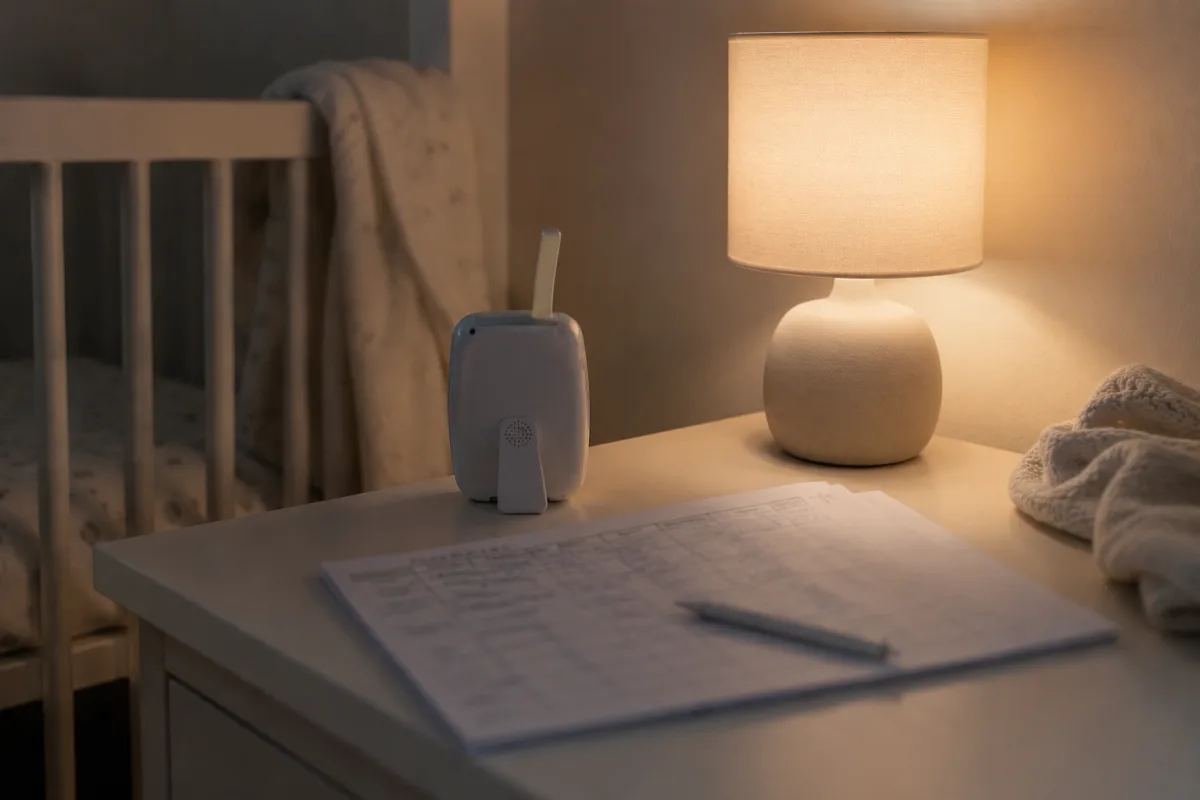
The four-month mark gets the most attention because sleep architecture genuinely matures around then and babies grow more alert to the world. Sleep cycles reorganize, and some babies begin waking between cycles, noticing the room, hunger, or the absence of whatever helped them fall asleep in the first place. This is a developmental shift rather than a habit you broke, so the fix is less about clamping down and more about keeping the surrounding conditions steady while the change works through.
Six To Twelve Months And Beyond
Later disruptions tend to track new skills. Around six months, rolling, feeding changes, and schedule shifts can unsettle sleep, and some babies practice their new movements in the crib at 2 a.m. Between eight and ten months, separation anxiety, crawling, and pulling up often collide with nap transitions, and a baby may cry when you leave because they now understand your absence in a new way. After the first birthday, standing, walking, language leaps, illness, travel, and daycare changes keep the pattern going, and toddlers can protest more clearly than ever.
Plenty of daytime practice for each emerging skill takes some of the pressure off the night. If your baby was premature, our premature baby development guide can help you set adjusted expectations, and for the louder toddler-era standoffs our toddler tantrums guide can keep bedtime responses calm.
Travel, holidays, visitors, and missed naps can imitate a regression convincingly. A weekend of skipped naps at grandparents' house or a few nights in an unfamiliar room will scramble sleep, but it usually resolves once you return to the normal routine for several days. Before you decide the whole pattern has changed for good, give the familiar schedule time to reassert itself, and ask visiting relatives to respect sleep windows rather than treating a wired, overtired baby as the evening's entertainment.
Protect Safe Sleep First

Exhaustion is exactly when unsafe shortcuts start to look tempting, and exactly when the safe-sleep rules matter most. Do not add pillows, loose blankets, sleep positioners, or inclined products to the crib because the nights are hard. Keep a firm, flat sleep surface, and follow current pediatric guidance even when you are desperate for anything that might buy an hour. The AAP gathers its safe-sleep resources at aap.org, and none of them bend for a bad week. A boring, bare crib is not a failure of comfort; it is the single most important thing you control.
Rule Out Illness Before Changing The Plan
Plenty of things that masquerade as regression are actually medical. Ear infections, reflux, fever, congestion, eczema, constipation, and teething discomfort can all look like a sleep problem, and if the sleep change arrives alongside symptoms, treat the medical question first. A baby in pain will not be soothed by a schedule tweak.
At the same time, not every quirk is a crisis; our note on newborn hiccups is a reminder that ordinary baby sounds and stutters are often harmless. The skill is telling the two apart, which is easier when you track a few days of symptoms rather than reacting to a single miserable night.
Keep The Routine Short And Repeatable

A bedtime routine works best when it is short enough to repeat anywhere: feed, diaper, sleep sack, book, song, lights down. Long, elaborate routines become fragile, breaking down the moment you travel or a caregiver takes over. Aim for a predictable runway into sleep, not a performance. If a bath is part of the wind-down, our guide on how to wash an infant can keep that step calm rather than stimulating.
Daylight and naps do real work here too. Morning light, age-appropriate wake windows, and enough daytime sleep tend to improve nights, while an overtired baby usually sleeps worse, not better, so resist the urge to slash naps in hopes of a longer night. Wake windows are clues rather than laws: a baby kept up too long gets wired, and one put down too early protests because sleep pressure is still low. Watch several days of sleep, mood, and bedtime difficulty before you change the nap count, and change only one thing at a time so you can tell what actually helped.
Respond Consistently, And Support The Parents Too
Pick a response you can actually repeat at 3 a.m.: a brief check, a pat, a feed if your baby genuinely needs it, or gradual settling. Mixed responses confuse everyone, but rigid plans can fail just as badly, so use the gentlest consistent approach that fits your baby and your household. If hunger is driving the waking, a schedule argument will not win it, and night feeds for a young baby should not be cut without medical guidance.
The room environment quietly shapes how well any response works. A dark room, a comfortable temperature, a boring sleep space, and steady white noise if you use it safely all reduce wake-ups, while toys or screens in the crib invite the opposite. The room does not need to be perfect; it needs to be safe and predictable enough that your baby knows what to expect each time they surface between cycles.
The adults need a plan as much as the baby does. Lower the bar for chores, accept help, trade night shifts, and avoid making big sleep decisions in the dark when you are least able to think. If sleep deprivation ever leaves you feeling unsafe, place the baby down in the crib and step away for a few minutes; a rested, steadier adult makes better decisions, and that is part of the baby's safety plan, not a luxury.
Frequently Asked Questions
How long does sleep regression last?
Many phases run days to a few weeks, though illness, schedule problems, or new sleep habits can stretch the disruption.
Is the four-month regression real?
Many babies do have sleep changes around that age as sleep cycles mature, but the exact timing varies by child.
Should I start sleep training?
Ask your pediatrician and choose an approach that fits your baby's age, health, and your family's values.
Can teething cause sleep regression?
Discomfort can disrupt sleep, but not every wake-up is teething, so check for other causes too.
When should I worry?
Call for fever, breathing problems, poor feeding, dehydration, weight concerns, or any developmental regression.
The practical path through a regression is steady rather than dramatic: rule out illness first, hold the safe-sleep rules without exception, keep the routine short, protect naps and wake windows, respond consistently, and adjust your expectations to your baby's age and stage while the phase runs its course.

Timothy Davidson
Edits step-by-step general-interest guides for clarity, realistic limits and source verification.




Leave a reply
Replying to