
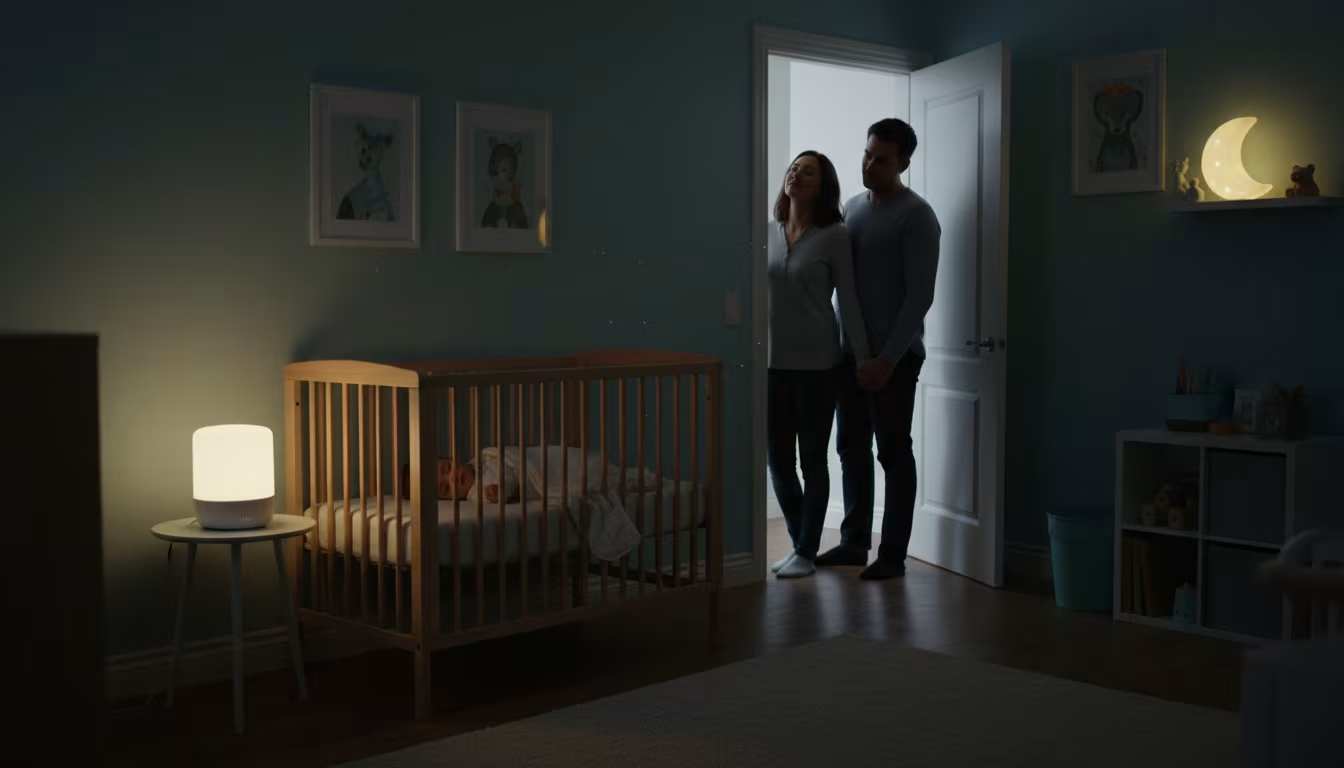
Babies are not machines, and no parent is failing because the nights are hard. Sleep training simply means helping a baby learn to fall asleep with a little less help over time. It never means ignoring hunger, illness, pain, fear, unsafe sleep, or your own instincts. The method that works is the one you can follow calmly and safely for more than a single desperate night.
Safety Comes Before Any Method
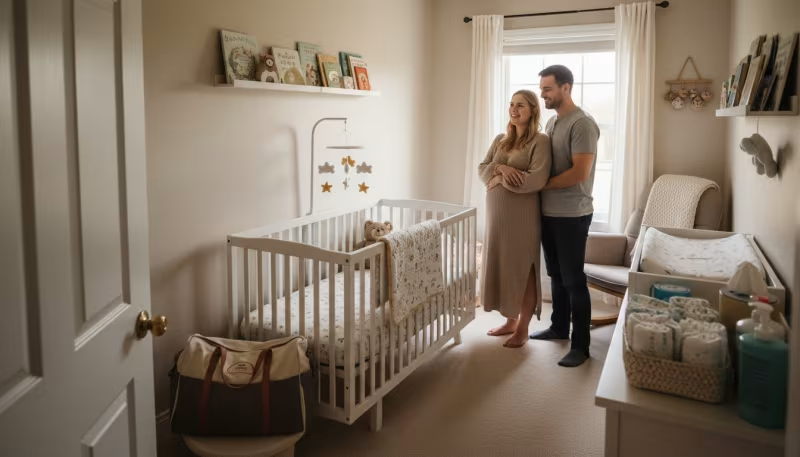
Before you think about check-ins or chairs, set the sleep space. The American Academy of Pediatrics, through its parent site HealthyChildren, advises that babies sleep on the back, on a firm flat surface, with no blankets, pillows, bumpers, or stuffed toys: AAP safe sleep guidance. That rule does not pause because a baby is hard to settle.
If your baby drifts off in a car seat, swing, sling, or on an adult chest, move them to a safe surface as soon as you can. The riskiest moments happen on couches and recliners when a tired parent dozes off mid-feed. And if your baby was premature or has reflux, breathing concerns, or poor weight gain, ask your pediatrician before starting any formal plan. Reading on premature baby development is a useful reminder that age and readiness can look different after an early birth.
When A Baby May Be Ready
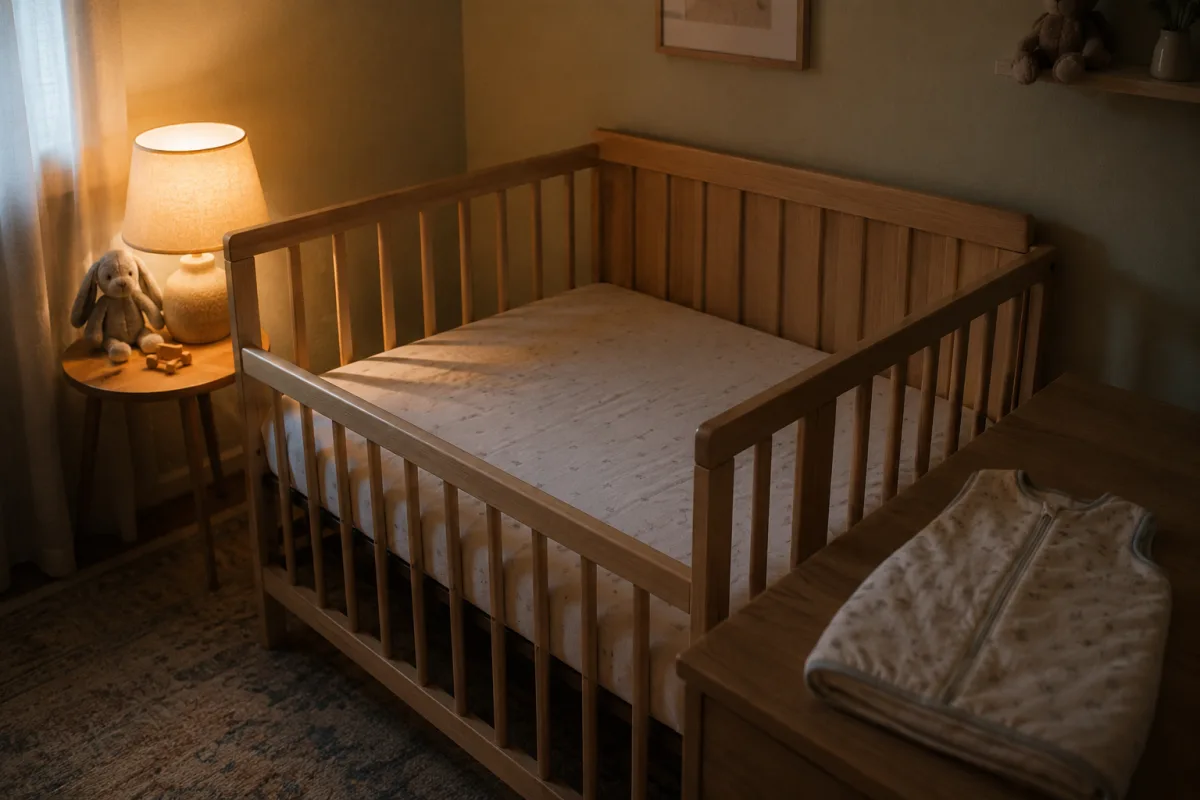
Many newborns are simply not ready. They feed often, wake often, and still need help regulating. HealthyChildren notes that babies do not settle into regular sleep cycles until around six months. Somewhere between four and six months, some babies can begin learning a more predictable pattern, but readiness depends on feeding, growth, temperament, and health rather than the calendar alone.
Pause the plan entirely for a fever, new rash, breathing trouble, vomiting, ear-pulling, a sudden change in feeding, or a major disruption at home. It also helps to keep a simple log of bedtime, wake-ups, feeds, and what soothing worked, because patterns usually surface after three or four nights and a written record stops tired adults from arguing over memory. For the small stuff that quietly wrecks sleep, practical basics such as newborn hiccup care and baby rash guidance can remove a trigger before you blame the method.
The Main Methods Compared
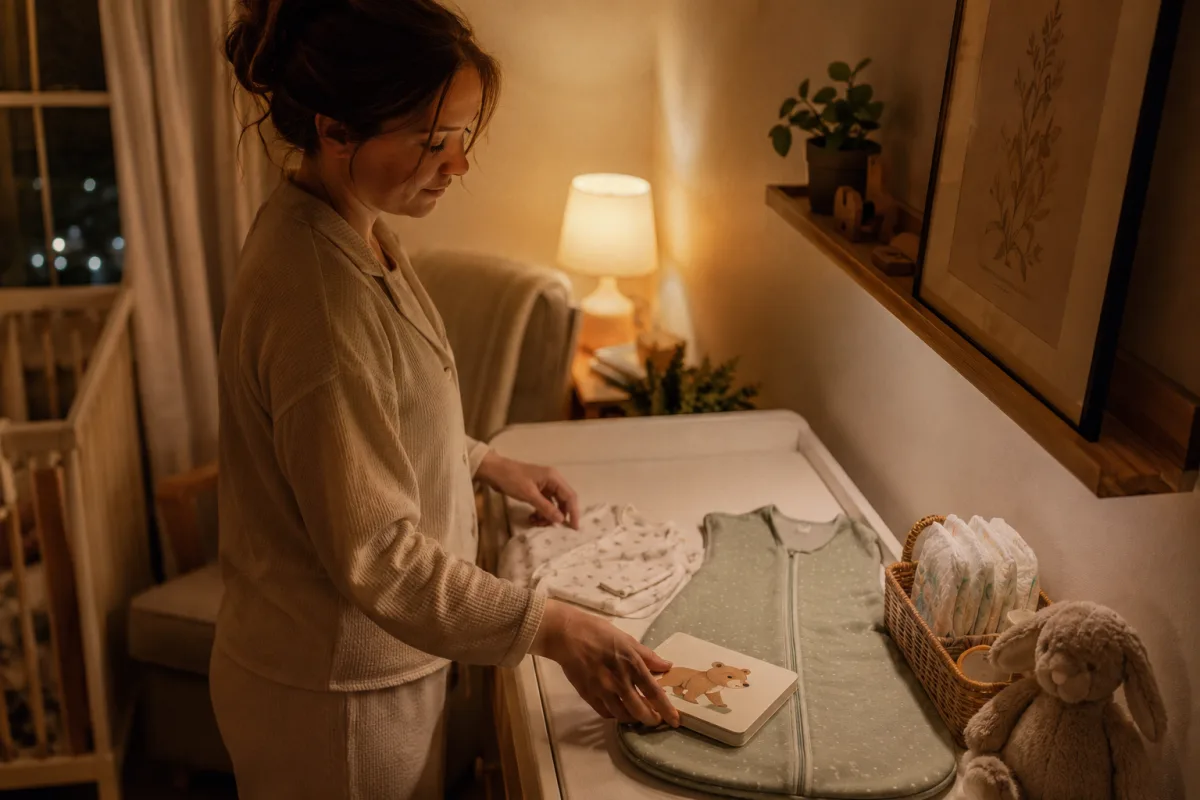
Every popular approach shares one spine: a calm, repeatable bedtime routine, then a consistent way of responding to protest. What differs is how much hands-on reassurance you give and how quickly you step back. None of them is sacred, and switching is allowed when a method leaves everyone more upset than before.
| Method | What you do | Best fit | Main tradeoff |
|---|---|---|---|
| Gentle routine | Same short wind-down nightly; respond fully to crying | Younger babies; parents easing in | Slowest change, but lowest stress |
| Timed check-ins | Put down sleepy-awake, return at short intervals (e.g. 3, 5, 7 min) | Babies who settle with brief reassurance | Hard if a parent panics or freezes |
| Chair method | Sit by the crib, move the chair farther away over several nights | Parents who dislike leaving the room | Takes longer; some babies get more upset seeing you |
| Pick-up, put-down | Lift until calm, lay down before fully asleep, repeat | Sensitive or younger babies | Repeated pickup can over-stimulate some babies |
Whichever you choose, keep the check itself boring: a hand on the chest, one repeated phrase, a quick safety look, then out again. If the baby is hungry, sick, or not breathing normally, the plan stops and caregiving takes over. HealthyChildren's self-soothing guidance describes a calm ladder of eye contact, talking, touch, and holding you can lean on.
A Two-Week Plan That Stays Flexible
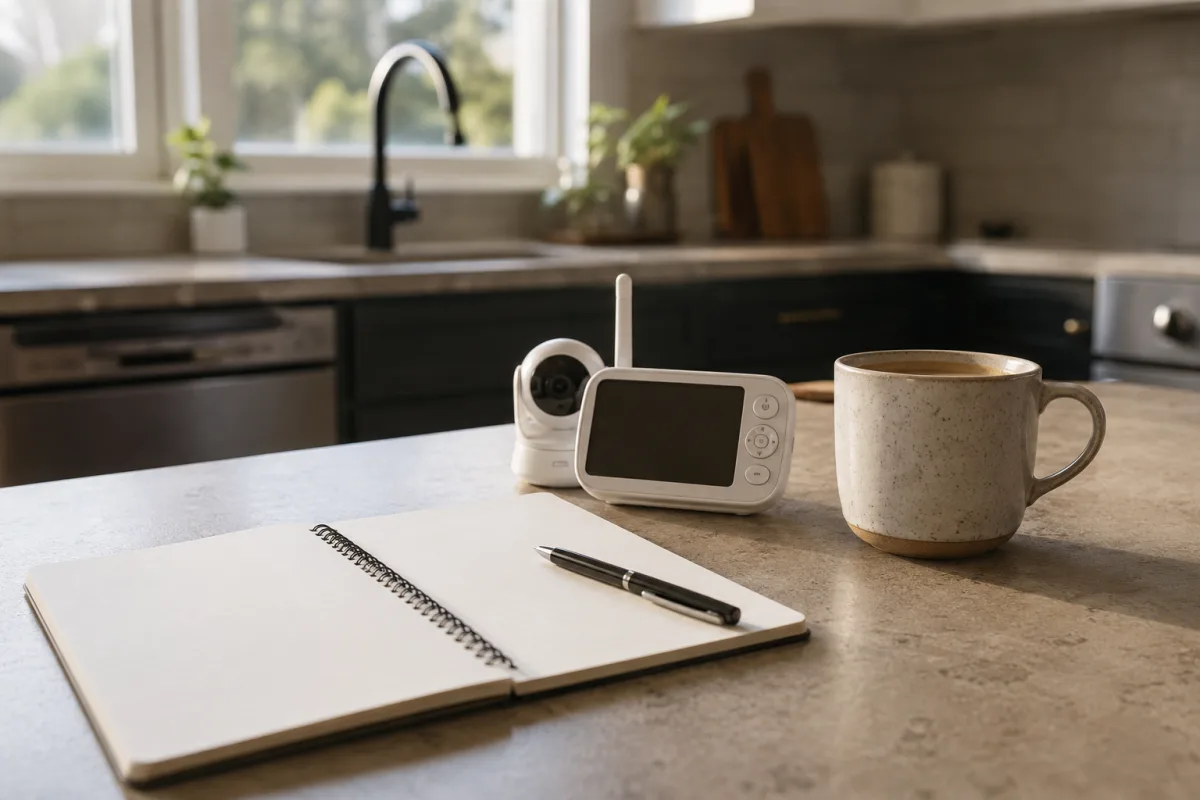
Nights one to three: fix only the safe-sleep setup and the bedtime routine, and watch what a calmer room does on its own. Nights four to seven: pick one method and use it at bedtime only, keeping naps familiar so you are not changing everything while exhausted. Write the plan down before the crying starts, because crying makes tired adults negotiate with themselves.
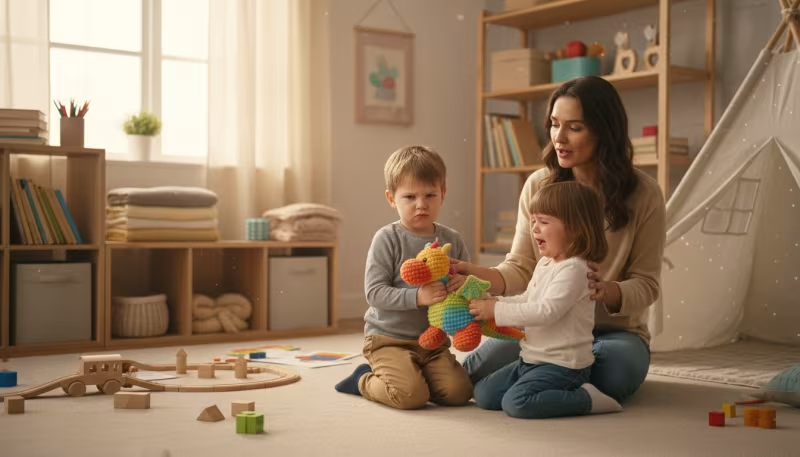
Nights eight to ten: adjust a single variable, such as shorter check-ins or an earlier bedtime, rather than five things at once. Nights eleven to fourteen: decide from the actual nights, not from guilt. Keep the plan, soften it, pause it, or call the pediatrician. A predictable sleep area also protects the rest of the house as your baby starts rolling and pulling up, which is a good moment to revisit baby-proofing room by room. Later, the same steady-parent skill becomes managing big feelings, covered in toddler tantrum strategies. Judge success by safer nights and fewer arguments, not only by longer stretches.
Frequently Asked Questions
What is the best baby sleep training method?
There is no single best method. The safest fit depends on age, feeding, health, temperament, and what parents can follow calmly.
Can I sleep train a newborn?
Newborns usually need responsive care, frequent feeding, and safe sleep routines rather than a formal plan.
Is crying always harmful?
Brief protest crying differs from ignoring illness, hunger, fear, or unsafe conditions. Respond when something seems wrong.
Should I stop night feeds?
Only with guidance, since weight gain, age, and medical history all matter. Sleep training should never become accidental underfeeding.
What if I fall asleep holding the baby?
Plan for it in advance. If you feel too sleepy, place the baby on their back in the crib and call in help if you can.
This article is for general information only and isn't a substitute for medical advice. Talk to a clinician who knows your full history before making changes.

Tory Stearns
Edits practical household, travel and lifestyle explainers. Claims that can change are linked to current primary or subject-authority sources.


Leave a reply
Replying to