
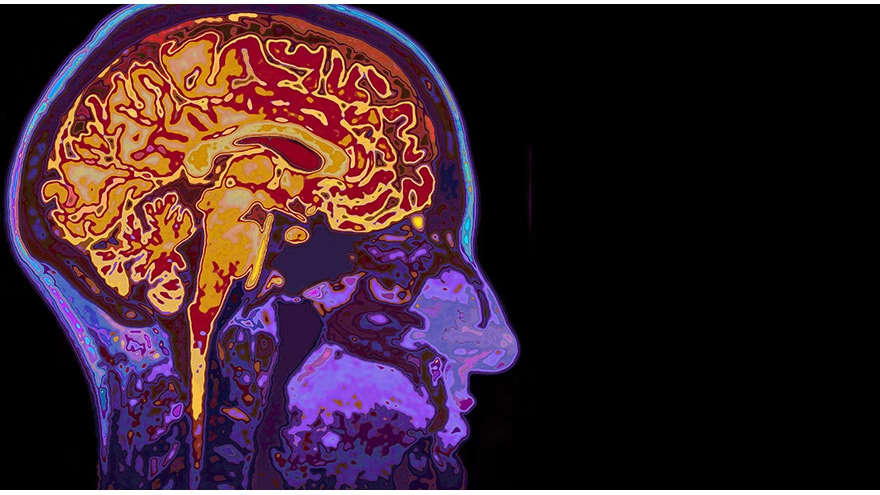
Brain Cancer Facts are easier to understand when the words are separated: brain tumor, brain cancer, primary tumor, metastatic tumor, benign tumor, malignant tumor, grade, and stage do not all mean the same thing.
This is general health education, not medical advice. Brain tumor symptoms and treatment decisions require a medical team, imaging, and often pathology or molecular testing.
Primary Versus Metastatic
A primary brain tumor starts in the brain or spinal cord. A metastatic tumor starts somewhere else and spreads to the brain. That distinction changes treatment, prognosis, and the medical team involved.
NCI explains brain tumors as tumors that start in brain tissue and notes that cancer can also spread to the brain from other sites.
Cells Change And Grow
Cancer starts when cells develop changes that let them grow, divide, survive, or invade in ways normal cells do not. In the brain, the exact path depends on tumor type, cell origin, genetics, and environment.
Most people with a brain tumor did nothing to cause it. Avoid blame-based explanations.
Known Risk Factors
Many brain tumors have no clear preventable cause. Risk factors can include certain inherited syndromes, prior radiation exposure, immune system problems for specific tumors, and age patterns that vary by tumor type.
NINDS lists possible causes and risk factors for brain and spinal cord tumors, including radiation and immune system issues.
Symptoms Depend On Location
Symptoms may include headaches, seizures, weakness, speech problems, vision changes, personality changes, balance issues, nausea, or confusion. Location matters because different brain areas control different functions.
New seizure, sudden weakness, severe headache, or acute confusion needs urgent medical attention.
Imaging And Biopsy
MRI often identifies a mass, swelling, or pressure effect. A biopsy or surgery may be needed to determine tumor type and molecular features. Imaging alone does not always tell the whole story.
Livecub's glioma causes article is related for one tumor family.
Benign Can Still Matter
Benign does not always mean harmless in the brain. A noncancerous tumor can press on delicate tissue, block fluid flow, or affect vision, movement, or hormones.
Treatment urgency depends on size, location, growth, symptoms, and tumor type.
Grading
Brain tumors may be graded by how aggressive the cells look and behave. Higher-grade tumors often grow faster, but each diagnosis needs its own explanation.
For glioblastoma context, Livecub's untreated glioblastoma prognosis article is related.
Treatment Team
Care may involve neurosurgery, neuro-oncology, radiation oncology, pathology, rehabilitation, and palliative care. The team depends on tumor type and patient needs.
Ask who coordinates seizures, steroids, scans, and symptoms.
Not A Screening Disease
There is no routine screening test for the general public that finds brain cancer early the way some cancers are screened. Symptoms and imaging usually drive evaluation.
Do not seek scans for every headache, but do not ignore new neurologic symptoms.
Questions To Ask
Ask what type of tumor is suspected, whether it is primary or metastatic, what tests are needed, whether tissue diagnosis is planned, and what symptoms require urgent care.
For bone spread symptoms in other cancers, Livecub's metastatic bone cancer symptoms article is separate but related to cancer spread language.
Brain Tumors Are Not One Disease
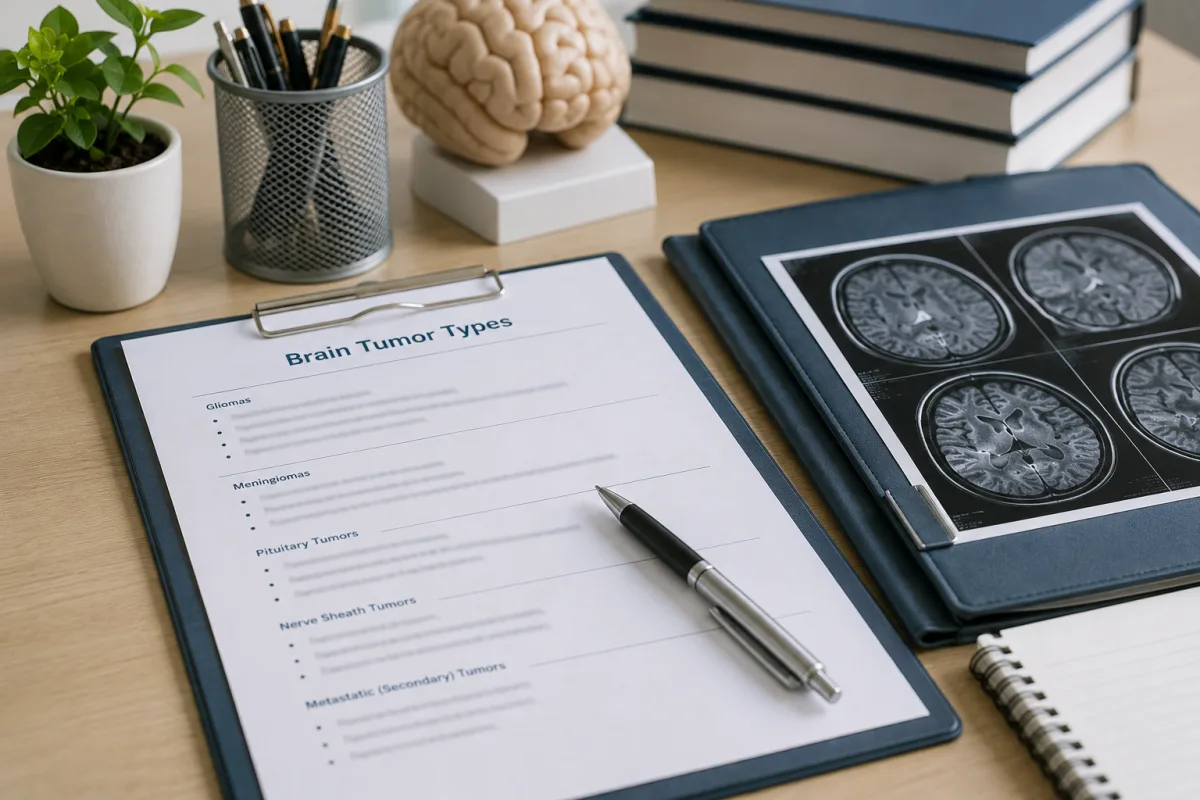
Glioblastoma, meningioma, astrocytoma, oligodendroglioma, ependymoma, medulloblastoma, primary CNS lymphoma, and metastatic tumors behave differently. One fact sheet cannot predict one person's course.
Ask for the exact diagnosis, grade, and molecular markers.
Statistics Need Context

SEER reports brain and other nervous system cancer statistics by population, but survival and incidence numbers do not predict an individual outcome. Age, tumor type, grade, location, treatment, and health status matter.
SEER's brain and other nervous system cancer statistics provide population-level context.
Adults And Children
Brain tumors occur in both adults and children, but common types differ by age. Pediatric brain tumors are not simply smaller versions of adult tumors.
Families should seek age-appropriate specialist care.
Treatment Varies

Treatment may include surgery, radiation, chemotherapy, targeted therapy, tumor treating fields, surveillance, rehabilitation, or symptom care. The plan depends on tumor type and patient condition.
Not every tumor is removed, and not every tumor needs immediate treatment.
Seizures
Seizures can be the first symptom of some brain tumors. A first seizure should be medically evaluated. Anti-seizure medication may be part of care when seizures occur.
Do not drive or perform risky tasks after a seizure until cleared by a clinician.
Steroids
Steroids may reduce swelling around tumors, but they have side effects such as sleep changes, mood changes, blood sugar changes, and muscle weakness.
Do not stop steroids suddenly without a taper plan.
Clinical Trials
Clinical trials may be relevant at diagnosis or recurrence. Eligibility can depend on tumor type, molecular markers, prior therapy, and performance status.
Ask early because trial timing can matter.
Rehabilitation
Speech therapy, occupational therapy, physical therapy, cognitive rehab, and social work may be part of recovery or symptom management.
Care is not only surgery or medicine. Function and quality of life matter.
Pathology Report
The pathology report is often where the precise diagnosis appears. It may include tumor type, grade, markers, and comments that affect treatment planning.
Ask for a copy and ask the team to explain it in plain language.
Scan Follow Up
Brain tumor care often involves repeated MRI scans. The schedule depends on tumor type, treatment, symptoms, and whether the tumor is being watched or actively treated.
Ask what changes on a scan would alter the plan.
Caregiver Role
Caregivers may track seizures, medications, appointments, driving limits, and mood changes. A shared notebook can reduce confusion when several specialists are involved.
Caregiver fatigue is real. Social work and support services can be part of care.
Work And Driving
Brain tumors and seizures can affect driving, work, school, and safety-sensitive tasks. Laws and medical advice vary by location and symptom history.
Ask the care team what restrictions apply and when they can be reviewed.
Molecular Markers
Modern brain tumor care often uses molecular markers, not only what cells look like. Markers can affect classification, prognosis, and treatment options.
Ask which markers were tested and whether more testing is needed.
Symptoms Are Not Proof
Headaches, dizziness, or memory problems do not automatically mean brain cancer. Many common conditions can cause similar symptoms.
The reason to seek care is new, severe, persistent, or neurologic change, not self-diagnosis.
Palliative Care
Palliative care can help with symptoms, decision-making, and family stress alongside active treatment. It is not limited to end-of-life care.
Ask early if symptoms, fatigue, or family strain are hard to manage.
Questions For The Team
Ask: What type is it? Is it primary or metastatic? What grade? What markers? What treatment goal? What symptoms are urgent? What support services are available?
A written list keeps appointments focused.
Medication Facts
Brain tumor patients may take steroids, anti-seizure medicines, pain medicines, nausea medicines, or sleep support. Each medicine has side effects and should be reviewed regularly.
Bring every medicine and supplement list to appointments.
Emergency Signs
Emergency signs can include seizure, sudden weakness, new confusion, severe worsening headache, loss of consciousness, or major vision changes. The care team may give a more specific call-now list.
Keep emergency instructions visible at home.
Language Matters
Some people say brain cancer when they mean any brain tumor. Others mean a malignant primary tumor. Clarifying the words prevents fear and helps the family understand the plan.
Ask the clinician to write the exact diagnosis.
Scan Anxiety
Waiting for scan results can be emotionally hard. Ask when results will be available, who will call, and what symptoms should not wait for the scheduled appointment.
A clear communication plan can reduce some of the uncertainty.
Nutrition And Strength
Brain tumor treatment can affect appetite, swallowing, fatigue, and strength. Dietitians, rehab therapists, and nurses can help with practical adjustments.
Lifestyle support is not a cure, but it can support function during care.
Frequently Asked Questions
Are all brain tumors cancer?
No. Some are benign, but benign brain tumors can still cause serious problems.
What is metastatic brain cancer?
It is cancer that started elsewhere and spread to the brain.
Are brain cancer statistics personal predictions?
No. They describe groups, not one person's exact outcome.
Can brain tumors cause seizures?
Yes, and a first seizure should be evaluated promptly.
Do all brain tumors need surgery?
No. Treatment depends on tumor type, location, symptoms, and patient health.
The Practical Takeaway
Useful brain cancer facts start with the exact tumor type, whether it is primary or metastatic, its location, grade, markers, symptoms, and the care team's treatment goals.

Linda Fehrman
Edits general wellness and relationship explainers. Health material is educational, avoids diagnosis and links to health-authority guidance.




Leave a reply
Replying to